


 Compartir
 Compartir
 Ver detalles

 Descargar
 Ver similares
 Presentación de diapositivas
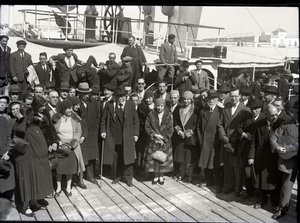
The Steerage
 Black and White Photography
- Photo
- Pictorialism
 1907
1907- 19th Century
 32.0 x 26.0 cm
 Museo Metropolitano de Arte
 Leer más
Giclée / Impresión de arte
Impresiones giclée o en lienzo de calidad de museo con producción rápida y opciones de acabado flexibles. ( Encargar reproducción pintada a mano Comprar descarga)




































Elija entre nuestros tamaños predefinidos que respetan las proporciones originales de la obra.

Puede introducir sus propias dimensiones para adaptarse a un marco o espacio específico. Si el tamaño seleccionado no coincide con las proporciones de la imagen original, recortaremos la obra de arte o extenderemos la imagen con un borde con efecto espejo o de color sólido. Se enviará una maqueta digital para su aprobación antes de que comience la producción.
Tenga en cuenta que la vista previa en pantalla no refleja el recorte o la extensión real. Solo la maqueta mostrará con precisión la composición final.
Aunque existen tamaños personalizados, recomendamos seleccionar una dimensión de la lista predefinida para preservar las proporciones originales.
Envío a todo el mundo () en 2 semanas en lugar de las 4/5 semanas estándar. (18 agosto)

Envío exprés gratuito a todo el mundo

Lienzo de lino de alta calidad

Seguro de envío completo

Garantía de reembolso de aranceles aduaneros

Garantía de fidelidad cromática exacta

Política de devolución de 60 días (solo por defectos)

Garantía de devolución del 100% del dinero

Oferta por volumen
 La opción de vidrio solo está disponible en tamaños inferiores a 110 cm.

The Steerage
Giclée / Impresión de arte
Tamaño de la reproducción
-


Precio total
$ 62
Descripción de la pieza
A Glimpse into Transient Community: The Steerage
To gaze upon this evocative photograph, "The Steerage," is to be instantly transported across the vast expanse of time and ocean. Captured in 1907, this black and white image by Alfred Stieglitz transcends its documentary origins; it becomes a profound meditation on humanity itself. The scene unfolds on the deck of a ship, teeming with life—a vibrant, almost palpable collection of souls gathered together. One can almost hear the murmur of conversations, the creak of the wood beneath their feet, and the distant cry of gulls overhead. It is a tableau vivant of passage, capturing not just bodies in repose or conversation, but spirits caught in the liminal space between one life chapter closing and another beginning.
The Artistry of Stieglitz's Vision
Alfred Stieglitz, the pioneer who single-handedly elevated photography to the realm of fine art, approached this subject with a masterful eye. While the medium is inherently photographic—a record of light and shadow—his touch imbues it with painterly depth. The composition itself is a study in contrasts: the density of the crowd against the open expanse of the deck; the varied postures of the passengers suggesting both exhaustion and buoyant camaraderie. Notice the details, such as the few figures sporting ties, hinting at lives lived before this moment of shared transit—a juxtaposition of formal attire against the raw reality of steerage life. Stieglitz does not merely record; he interprets, framing these individuals within a narrative tapestry woven from chance encounters.
Historical Resonance and Human Connection
The year 1907 places us at a moment of immense global movement, an era defined by grand voyages and the promise—or peril—of crossing continents. The steerage, historically associated with the most humble passage, becomes the stage for unexpected moments of shared humanity. This photograph speaks volumes about the universal need for community when stripped down to its essentials. It is a powerful reminder that regardless of social standing or destination, the fundamental human experience involves gathering, sharing space, and finding solace in the company of others. For the collector, this piece offers more than mere decoration; it offers a window into collective memory.
Bringing the Voyage Home: Decorating with Atmosphere
Reproducing "The Steerage" allows one to infuse any interior space—be it a formal drawing-room or a cozy study—with an air of sophisticated, storied depth. The monochromatic nature of the original lends itself beautifully to various decorative schemes, allowing it to harmonize with both richly colored textiles and minimalist modern palettes. Imagine this print mounted above a console table, catching the light just as Stieglitz captured it across the deck. It serves not only as a striking piece of art but as an emotional anchor, inviting contemplation on journeys taken and those yet to come. It whispers tales of departure and arrival, making any room feel imbued with history and enduring human spirit.
Obras relacionadas




Biografía del artista
Vida temprana y educación
Alfred Stieglitz, un renombrado fotógrafo estadounidense, nació el 1 de enero de 1864 en Hoboken, Nueva Jersey. Su familia, de ascendencia judía germana, le proporcionó un entorno intelectualmente estimulante. La educación temprana de Stieglitz tuvo lugar en el Instituto Charlier y la Universidad de la Ciudad de Nueva York.Carrera fotográfica
El interés de Stieglitz por la fotografía comenzó durante sus estudios en Berlín, donde fue introducido a las obras de Hermann Wilhelm Vogel. Este encuentro despertó su pasión por la fotografía, lo que le llevó a comprar su primera cámara y capturar el campo europeo. Sus fotografías, caracterizadas por su pictorialismo, pronto obtuvieron reconocimiento. Experimentó con diferentes técnicas fotográficas, buscando elevar la fotografía al estatus de arte.Obras notables y exposiciones
* Estudio de Georgia Engelhard con muñecas (fotografía, pictorialismo): un ejemplo notable del trabajo de Stieglitz, que muestra su enfoque único a la retratística. Esta obra ejemplifica su habilidad para capturar la personalidad y el carácter de sus sujetos. * The Steerage (33 x 27 cm, Museo Amon Carter de Arte Americano, Fort Worth, Estados Unidos, photogravure): demuestra la capacidad de Stieglitz para capturar la esencia de la vida cotidiana. Esta fotografía es considerada un hito en la historia de la fotografía estadounidense y refleja su interés por documentar la sociedad moderna. * Stieglitz fue fundamental en la creación y dirección de la Galería 291, un espacio crucial para promover el arte moderno en Nueva York. La galería exhibió obras de artistas como Pablo Picasso, Henri Matisse y Marcel Duchamp, contribuyendo significativamente al desarrollo del modernismo estadounidense.Legado e influencia
Las contribuciones de Stieglitz a la fotografía americana son innegables. Su dedicación a promover la fotografía como una forma de arte ha inspirado a generaciones de fotógrafos. A través de su trabajo, ha dejado una huella indeleble en el mundo de la fotografía. Su defensa de la fotografía como arte y su papel en la promoción del modernismo lo convierten en una figura clave en la historia del arte estadounidense. Su relación con Georgia O'Keeffe también fue fundamental para su legado, tanto personal como artístico.Colecciones y Museos
* El Centro de Arte Frances Lehman Loeb (Vassar College, Poughkeepsie, Nueva York): presenta una diversa colección de arte americano, incluyendo obras de Stieglitz. * Staedtische Galerie im Lenbachhaus (Múnich, Alemania): aunque no se centra principalmente en el trabajo de Stieglitz, el museo exhibe una impresionante colección de obras de arte de varios períodos.- Ver las obras de Alfred Stieglitz en ArtsDot
- Explorar el Centro de Arte Frances Lehman Loeb en ArtsDot
- Descubrir Staedtische Galerie im Lenbachhaus en ArtsDot

Alfred Stieglitz
1864 - 1946 , Estados Unidos de América
Datos clave
- Artistas Influenciados: ['Generaciones de fotógrafos']
- Artistas Que Influyeron: ['Hermann Wilhelm Vogel']
- Fecha De Fallecimiento: 1946
- Fecha De Nacimiento: 1 de enero de 1864
- Lugar De Nacimiento: Hoboken, Estados Unidos
- Movimiento Artístico: Pictorialismo, Modernismo
- Nacionalidad: Estadounidense
- Nombre Completo: Alfred Stieglitz
- Obras Notables:
- Estudio de Georgia Engelhard
- La cubierta del barco
- Retratos de Georgia O’Keeffe
Artículos relacionados

Alfred Munnings: Las 25 Obras Maestras del Pintor de Caballos | ArtsDot
Descubre las 25 obras maestras de Alfred Munnings, el pintor británico de caballos por excelencia. Explora su impresionismo inglés, escenas campestres y técnica única. Encuentra reproducciones de arte de alta calidad en ArtsDot.com.

Pictorialismo: La Búsqueda del Alma de la Fotografía Artística – Estética, Técnicas y Legado
Descubre el Pictorialismo, un movimiento clave en la historia de la fotografía artística. Explora sus técnicas, figuras emblemáticas y su legado perdurable. Guía experta para coleccionistas y amantes del arte.

Beyond the Lens: Photography's Enduring Influence on Modern & Contemporary Art
Explore photography's pivotal role in shaping modern & contemporary art. Discover key movements, influential artists like Stieglitz, and expert collecting advice from ArtsDot.

Monochrome Visions: Exploring the Aesthetic & Historical Significance of Black & White Photography
Explore the rich history & artistic power of black and white photography. From early techniques to iconic masters like Ansel Adams, discover why monochrome continues to captivate art lovers today. Expert insights for collectors.

Los 10 Maestros de la Fotografía Documental: Obras que Cambiaron el Arte y la Decoración
Descubre los 10 iconos de la fotografía documental que cambiaron el arte. Explora las historias detrás de obras maestras de Dorothea Lange, Robert Capa y más. Reproducciones de alta calidad para decorar tu hogar con arte atemporal en .

