


 Ver en contexto
 Enviar
 Compartir
 Detalles

 Descargar
 Similares
 Radiografía
 Presentación de diapositivas
W. E. B. Du Bois
 Acrylic On Canvas
- WallArt
- Black Washington Photography
 1911
1911 34.0 x 41.0 cm
 Galería Nacional de Retratos
 Ver más
Reproducción al óleo hecha a mano
Óleo sobre lienzo pintado a mano en el tamaño y marco de su elección, realizado por encargo por nuestros artistas. ( Comprar impresión Comprar imagen)




P118B $10

P118H $10

P118W $10

P438Z $10

P508JH $12

P508YH $12

P805H $10

P805Z $10

P919BZ $10

P919G $10

P919XJ $10

P959ZH $10

P968JZ $12

W106C $8

W218G $10

W218JH $8

W218Y $10

W307PJ $10

W316G $10

W316PJ $8

W316Y $10

W398PJ $8

W4111J $10

W500HY $15

W500JH $15

W692G $12

W849H $8

W940BG $15

W953PJ $8




Elija entre nuestros tamaños predefinidos que respetan las proporciones originales de la obra.

Puede ingresar sus propias dimensiones para adaptarse a un marco o espacio específico. Si el tamaño seleccionado no coincide con las proporciones de la imagen original, recortaremos la obra o extenderemos la pintura con elementos adicionales pintados a mano. Se le enviará una maqueta digital para su aprobación antes de comenzar la producción.
Tenga en cuenta que la vista previa en pantalla no refleja el recorte o la extensión reales. Solo la maqueta mostrará con precisión la composición final.
Si bien existen tamaños personalizados, recomendamos seleccionar una dimensión de la lista predefinida para preservar las proporciones originales.
Tras realizar el pedido, el equipo de ArtsDot.com enviará un correo electrónico al cliente para solicitar instrucciones y proporcionarle una vista previa del boceto.
Envío a todo el mundo () en 3-4 semanas en lugar de las 5 semanas estándar. (25 agosto). Sin comprometer la calidad.

Envío exprés gratuito a todo el mundo

Lienzo de lino de alta calidad

Seguro de envío total

Garantía de reembolso de impuestos aduaneros

Garantía de fidelidad cromática exacta

Política de devolución de 60 días (solo por defectos)

Garantía de devolución del 100% del dinero

Descuento por cantidad
 La opción de vidrio solo está disponible en tamaños inferiores a 110 cm.

W. E. B. Du Bois
Técnica de reproducción
Dimensiones de la reproducción
-


Precio total final
$ 263
Descripción de la obra
The Weight of the Color Line: Addison N. Scurlock’s Masterpiece
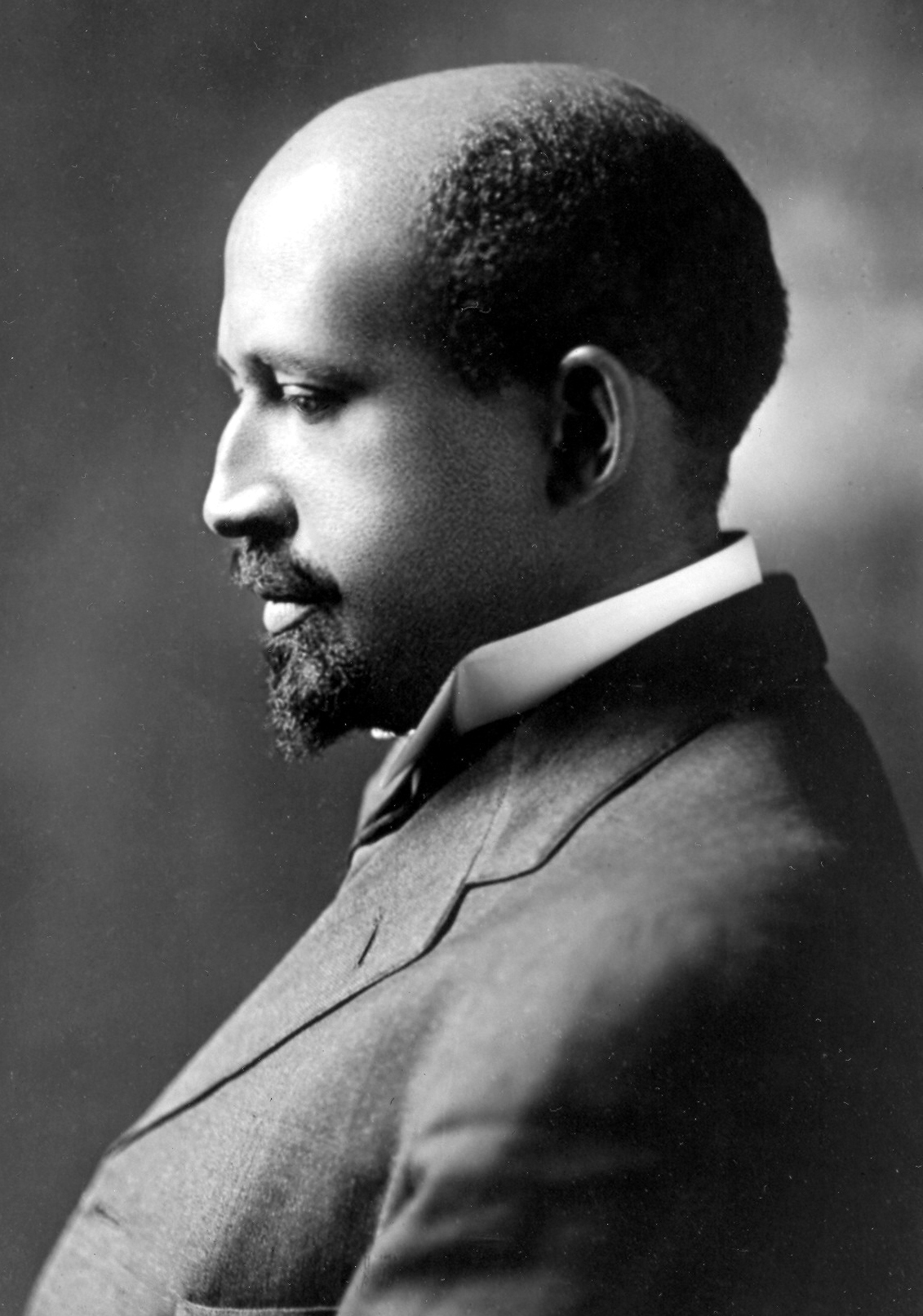
Addison Norton Scurlock's 1911 photograph of W. E. B. Du Bois stands as more than just a portrait; it is a meticulously crafted document of an era, a visual embodiment of the complex social and intellectual currents shaping early 20th-century America. The image captures Du Bois not merely as a prominent scholar and activist, but as a man wrestling with the profound “double consciousness” – a term he himself coined – that defined the Black experience in a nation grappling with its own identity. Scurlock’s skill lies not just in his technical proficiency, but in his ability to subtly convey the weight of this historical burden through composition, light, and the very gaze of the subject.
(Image courtesy of Smithsonian Archives)
A Window into Washington’s Black Community
Scurlock's work was deeply rooted in the vibrant, yet often overlooked, community of African Americans in Washington D.C. during this period. He wasn’t simply a portraitist; he was an active participant in documenting the daily lives, cultural expressions, and political aspirations of Black Washingtonians. His studio became a central hub, a place where families sought dignified portraits – a tangible assertion of their presence and identity within a society that frequently denied them recognition. The photograph itself reflects this community engagement, hinting at a setting beyond the formal studio, suggesting a moment captured in a more relaxed, intimate environment.
The backdrop, though subtly rendered, speaks volumes about the era. It’s not a grand cityscape or an opulent interior; instead, it suggests a quiet street scene – a deliberate choice that anchors Du Bois within his immediate context and highlights his connection to the everyday realities of Black life in Washington.
Technical Mastery and Photographic Language
Scurlock's mastery is evident in the photograph’s nuanced details. The use of black and white gelatin silver print lends a timeless quality, with subtle tonal variations creating depth and texture. Note the careful control of light – it illuminates Du Bois’s face, drawing attention to his thoughtful expression while leaving the background softly shadowed. This technique emphasizes the subject's presence without overwhelming him. The composition is carefully balanced; Du Bois’s posture conveys a sense of quiet contemplation, while his slightly turned head invites the viewer into his thoughts.
Furthermore, Scurlock’s use of photographic techniques—particularly in capturing the subtle nuances of expression—demonstrates an understanding that went beyond mere documentation. He was striving to create a portrait that resonated with both intellectual and emotional depth.
Symbolism and the “Double Consciousness”
Du Bois's gaze, directed slightly off-camera, is particularly significant. It’s not a direct, confrontational stare; rather, it suggests introspection and a considered awareness of his position within American society. This subtle shift in focus powerfully embodies the concept of "double consciousness" – the feeling of always looking at oneself through the eyes of others, as articulated by Du Bois himself. The photograph becomes a visual representation of this internal struggle: the simultaneous experience of being both an African American and an American citizen.
The image serves as a poignant reminder of the challenges faced by Black intellectuals during this period – the constant need to navigate racial prejudice while striving for social justice and intellectual advancement. Scurlock’s photograph is not simply a portrait; it's a powerful testament to Du Bois’s legacy and the enduring significance of his ideas.
Obras relacionadas


Biografía del artista
Addison N. Scurlock (1883-1964): A Pioneer of Black Washington Photography
Addison N. Scurlock, an american photographer, founder of the scurlock studio, and astute businessman, left an indelible mark on the early and mid-20th century with his photographs of black washington. born in fayetteville, north carolina in 1883, scurlock's life trajectory is a testament to his dedication to capturing the essence of african american life during a pivotal era—a period marked by burgeoning racial activism and the struggle for civil rights.Early Life and Career
Scurlock’s photographic journey began modestly, yet possessed profound significance. He graduated from high school in Fayetteville before embarking on an apprenticeship under Moses P. Rice, a prominent white photographer operating in Washington, D.C., around 1900. This formative experience instilled foundational knowledge of photographic technique and laboratory practices—skills that would underpin his future endeavors. Recognizing the importance of formal education, he pursued law studies alongside his artistic pursuits. In 1904, he established the scurlock studio in his parents’ home on Florida Avenue NW., marking the beginning of a lifelong commitment to documenting black washington and fostering artistic excellence.Achievements and Recognition
His dedication to capturing the spirit of african american life yielded remarkable results. In 1907, he garnered acclaim for winning a photography gold medal at the Jamestown Exposition in Virginia—a pivotal moment demonstrating his talent and securing him a respected position within the photographic community. Furthermore, Scurlock’s unwavering commitment to serving his community extended beyond artistic pursuits; he was regularly hired by U.S. government agencies, utilizing his skills to document important events and figures. Notably, he photographed nationally prominent african americans such as Booker T. Washington, W.E.B. DuBois, Mary McLeod Bethune, Archie Alexander, Billy Eckstine, Paul Laurence Dunbar, Lillian Evans Tibbs, George Washington Carver, and Ralph Bunche—individuals who shaped the trajectory of american history and culture. His images became invaluable records of their lives and accomplishments.Notable Works: Capturing Black Washington’s Soul
Scurlock's artistic legacy rests upon his masterful portraits of influential figures and his comprehensive documentation of black washington. Among his most celebrated works is W. E. B. Du Bois (gelatin silver print), a poignant depiction of the intellectual titan who championed racial equality and social justice—a photograph that exemplifies Scurlock’s ability to convey both dignity and complexity. Beyond this iconic image, his studio produced countless portraits capturing the vibrancy of black washington's daily life, from bustling theaters to educational institutions. His sons, Robert and George Scurlock, continued the scurlock studio’s tradition, perpetuating his artistic vision and ensuring that the legacy of black washington photography endured for generations to come.Legacy and Influence
Addison N. Scurlock's contribution transcends mere artistry; he established the scurlock studio as a beacon of excellence within the african american photographic community, fostering mentorship and inspiring future generations to pursue artistic endeavors with passion and integrity. His photographs serve as enduring reminders of the importance of preserving diverse perspectives—a crucial element in understanding america’s rich cultural tapestry. He remains an inspiration for artists striving to document social realities with sensitivity and precision.
Addison Sculock
1883 - 1964 , Estados Unidos
Datos clave
- Artistic Movement Or Style: Fotografía documental
- Date Of Birth: 1883
- Full Name: Addison N. Scurlock
- Nationality: Americano
- Notable Artworks: ['W. E. B. Du Bois']
- Place Of Birth: Fayetteville, Estados Unidos
Artículos relacionados

Ukiyo-e: Un Viaje al Corazón del Mundo Flotante Japonés y su Legado Artístico
Descubre el fascinante mundo del Ukiyo-e, el arte japonés del Período Edo. Explora las técnicas de grabado, los maestros Hokusai y Hiroshige, y su legado perdurable. ¡Un viaje cultural inolvidable!

Suzuki Harunobu: Pioneering Ukiyo-e & the Refinement of Edo Period Printmaking
Discover the revolutionary world of Suzuki Harunobu, a pioneer of ukiyo-e printmaking. Explore his exquisite nishiki-e techniques, diverse subjects & lasting impact on Japanese art history. Learn more at ArtsDot.

Ferdinand du Puigaudeau: Bridging Impressionism & Symbolism in Breton Landscapes
Discover Ferdinand du Puigaudeau's captivating Breton landscapes – a bridge between Impressionism & Symbolism. Explore his life, unique style, and enduring legacy with ArtsDot.

Katsushika Hokusai: Las 25 Obras Maestras del Ukiyo-e que Transformaron el Arte Japonés | ArtsDot
Descubre las 25 obras maestras de Katsushika Hokusai, el genio del ukiyo-e. Explora 'La Gran Ola', paisajes japoneses y su impacto en el arte moderno. Reproducciones de alta calidad para tu hogar en ArtsDot.com.

Floating World: The Captivating Art and Legacy of Japanese Ukiyo-e
Explore the profound beauty of Japanese Ukiyo-e. Discover the history, masters like Hokusai, and the enduring legacy of the 'Floating World' through an expert art-historical lens.


