


 Προεπισκόπηση
 Αποστολή
 Κοινοποίηση
 Λεπτομέρειες
 Οδηγός

 Λήψη
Λήψη
 Παρόμοια αντικείμενα συλλογής
 Ακτινογραφία
 Παρουσίαση
 Στατιστικά
Rural View
 Impressionism
 34.0 x 51.0 cm
 Περισσότερα λεπτομέρεια
Χειροποίητη Αναπαραγωγή σε Έλαιο
Χειροποίητη ελαιογραφία σε καμβά στο δικό σας μέγεθος και πλαίσιο, κατά παραγγελία από τους καλλιτέχνες μας. ( Μετάβαση σε Εκτυπώσεις Μετάβαση σε Ψηφιακή Εικόνα)




































Επιλέξτε από τις προκαθορισμένες διαστάσεις μας που διατηρούν τις αρχικές αναλογίες του έργου τέχνης.

Μπορείτε να ορίσετε δικές σας διαστάσεις ώστε το έργο να ταιριάζει σε ένα συγκεκριμένο πλαίσιο ή χώρο. Εάν το επιλεγμένο μέγεθος δεν συμπίπτει με τις αναλογίες της αρχικής εικόνας, θα περικοψούμε το έργο ή θα επεκτείνουμε τη ζωγραφιά με πρόσθετα χειρόγραφα στοιχεία. Ένα ψηφιακό προσχέδιο θα σας αποσταλεί για έγκριση πριν την έναρξη της παραγωγής.
Παρακαλούμε σημειώστε ότι η προεπισκόπηση στην οθόνη δεν αντικατοπτρίζει την πραγματική περικοπή ή επέκταση. Μόνο το προσχέδιο θα δείξει με ακρίβεια την τελική σύνθεση.
Παρόλο που είναι διαθέσιμα προσαρμοσμένα μεγέθη, συνιστούμε να επιλέξετε μια διάσταση από τη λίστα των προκαθορισμένων μεγεθών για τη διατήρηση των αρχικών αναλογιών.
Μετά την παραγγελία, η ομάδα του ArtsDot.com θα στείλει email στον πελάτη με οδηγίες και θα παρέχει μια προεπισκόπηση προσχεδίου
Παγκόσμια Αποστολή () σε 3-4 εβδομάδες αντί για τις συνήθεις 5 εβδομάδες. (25 Σεπτέμβριος). Χωρίς συμβιβασμούς στην ποιότητα.

Δωρεάν γρήγορη διεθνής αποστολή

Κάμβας από Λινό Υψηλής Ποιότητας

Πλήρης ασφάλιση μεταφοράς

Εγγύηση επιστροφής δασμών και φόρων εισαγωγής

Εγγύηση Απόλυτης Ομοιότητας Χρωμάτων

Πολιτική Επιστροφής 100 Ημερών (Μόνο σε περίπτωση ελαττωμάτων)

Εγγύηση επιστροφής 100% των χρημάτων

Έκπτωση για πολλαπλές παραγγελίες
 Η επιλογή με γυαλί είναι διαθέσιμη μόνο για μεγέθη κάτω από 110 εκ.

Rural View
Τεχνική Αναπαραγωγής
Διαστάσεις Αναπαραγωγής
-


Συνολικό Κόστος
$ 263
Παρόμοια Έργα Τέχνης


Βιογραφικό Καλλιτέχνη
Walter J. Stamps: Capturing Manitoba's Soul Through Color Woodcuts
Walter J. Stamps (born 1930) stands as a pivotal figure in Canadian printmaking history, particularly renowned for his evocative depictions of Manitoba landscapes and prairies. His artistic journey began amidst the burgeoning postwar interest in European Expressionism, influencing his stylistic choices and fostering a deep connection to Japanese woodblock printing techniques—a fascination that would become central to his oeuvre. Stamps’s formative years were spent honing his skills in London, where he studied at Chelsea School of Art, absorbing the lessons of masters like Rembrandt and Cézanne before embarking on a solo artistic path. Early Influences: Stamps's initial explorations encompassed Surrealist aesthetics, mirroring the anxieties of the era but quickly gravitating toward Impressionistic sensibilities—a deliberate rejection of rigid formalism in favor of capturing fleeting moments of light and atmosphere. This stylistic decision wasn’t merely an homage to Impressionism; it represented a conscious effort to distill the essence of artistic expression—a commitment to conveying mood and emotion rather than literal representation. The influence of Surrealist artists like René Magritte and Salvador Dalí can be discerned in Stamps's early works, demonstrating his willingness to experiment with unconventional visual approaches. The Embrace of Japanese Printmaking: Recognizing the profound impact of Hiroshige’s “Thirty-Six Views of Mount Fuji,” Stamps meticulously studied Ukiyo-e prints, mastering the meticulous carving process and experimenting with Prussian blue pigment—a bold innovation that revolutionized Canadian color woodcuts. This pigment's ability to produce rich blues was instrumental in achieving the atmospheric effects sought by Stamps. He admired the simplicity of Japanese printmaking’s compositional structure and its masterful use of line—elements he skillfully integrated into his own artistic style. The dedication with which Stamps pursued Ukiyo-e techniques underscores his unwavering commitment to mastering traditional printmaking traditions. Manitoba Landscapes: Stamps's artistic focus solidified in Manitoba, where he established a studio amidst the vast prairies. His prints became synonymous with capturing the region’s rugged beauty—rolling hills bathed in golden sunlight, windswept wheat fields stretching to the horizon, and serene waterways reflecting the sky. He sought to convey not just visual accuracy but also the emotional resonance of Manitoba's environment—a feat accomplished through meticulous tonal gradations and a masterful command of color. Stamps’s prints serve as enduring records of Manitoba’s natural heritage—visual testimonies to its distinctive topography and atmospheric conditions. Technique and Style: A Dialogue Between Impressionism and Ukiyo-e Stamps’s artistic method involved a painstaking process of transferring designs onto wooden blocks—typically maple or birch—using meticulous linocut techniques. He prioritized tonal gradations achieved through multiple layers of Prussian blue pigment, meticulously blending colors to emulate the atmospheric perspective characteristic of Japanese prints. This deliberate stylistic choice wasn’t merely an homage to Ukiyo-e; it represented a conscious effort to distill the essence of Manitoba's visual language—a commitment to conveying mood and emotion rather than literal representation. The resulting textures capture the tactile qualities of prairie grasses and weathered wood surfaces. Stamps’s unwavering dedication to mastering linocut techniques reflects his profound respect for printmaking traditions—a cornerstone of Canadian artistic heritage. Notable Achievements and Legacy: Defining Manitoba's Artistic Identity Stamps achieved considerable acclaim throughout his career, securing commissions from prominent Canadian institutions—including the Winnipeg Art Gallery and Alberta Arts Council—and exhibiting extensively across North America. His prints became integral to documenting Manitoba’s cultural heritage and celebrating its natural splendor. Stamps’s enduring legacy resides in his contribution to establishing Manitoba as a center for color woodcut art—a distinction that continues to resonate within Canadian artistic discourse. He was recognized by the Royal Canadian Academy of Arts, cementing his reputation as one of Canada's foremost printmakers. His iconic print, *York Boat on Lake Winnipeg* (1930), became a symbol of Manitoba’s wilderness and remains an enduring testament to Stamps’s artistic vision—a masterful blend of Impressionistic sensibilities and Japanese printmaking techniques. He was honored by Alberta Arts Council for his contribution to Canadian art. Concluding Reflections: An Artist Rooted in Place and Tradition Walter J. Stamps’s artistic vision—characterized by a profound respect for both Impressionistic aesthetics and Japanese printmaking traditions—continues to inspire contemporary artists. His unwavering dedication to capturing Manitoba's soul through color woodcuts serves as a testament to the transformative power of art rooted in place and informed by cultural heritage. Stamps remains an exemplar of Canadian artistic excellence, ensuring that his distinctive prints endure as symbols of Manitoba’s beauty and enduring legacy.
Στοιχεία καλλιτέχνη
- Artistic Movement Or Style: Japanese Inspired Art
- Artists Who Influenced This Artist:
- Hiroshi Yoshida
- Albert Bierstadt
- Date Of Birth: October 25, 1884
- Full Name: Walter Joseph Stamps
- Nationality: Canadian
- Notable Artworks:
- York Boat on Lake Winnipeg
- Skiers, Fall, Assinibone River
- Place Of Birth: Alberta, Canada
Σχετικά άρθρα

Beyond the Horizon: A Curated Guide to Integrating Post-Impressionist Landscapes into Modern Interiors
Transform your home with the emotive power of Post-Impressionist landscapes. Discover expert tips on selecting hand-painted oil reproductions to create a soulful, vibrant interior that reflects your unique style and connection to nature.

Οι 10 Κορυφαίοι Καμβάδες που Όρισαν τον Ιμπρεσιονισμό και το Τοπίο
Ανακαλύψτε τους 10 κορυφαίους πίνακες ιμπρεσιονισμού που καθόρισαν το τοπίο! Μονέ, Ρενουάρ & άλλοι. Ιστορίες τεχνικής και έμπνευσης. Βρείτε αναπαραγωγές υψηλής ποιότητας για τον χώρο σας στο ArtsDot.com
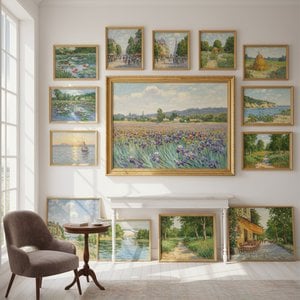
Οι 10 Κορυφαίοι Καμβάδες που Όρισαν τον Ιμπρεσιονισμό: Ένα Ταξίδι στην Φύση και την Τέχνη
Ανακαλύψτε τους 10 κορυφαίους πίνακες ιμπρεσιονισμού που καθόρισαν το τοπίο στην τέχνη! Μονέ, Ρενουάρ & άλλοι ζωγράφοι. Βρείτε αναπαραγωγές υψηλής ποιότητας για να εμπνεύσετε τον χώρο σας. Εξερευνήστε τη συλλογή στο ArtsDot.com

John Constable: Τα 25 Κορυφαία Έργα Τέχνης | Ανακαλύψτε την Αγγλική Υπαίθριο στον Χώρο Σας
Ανακαλύψτε τα 25 κορυφαία έργα τέχνης του John Constable! Εξερευνήστε την αγγλική τοπιογραφία, τον ρομαντισμό και τη μαγεία της φύσης. Υψηλής ποιότητας αναπαραγωγές & ιδέες διακόσμησης στον χώρο σας. Ανακαλύψτε όλα τα αριστουργήματα στο ArtsDot.com

George Agnew Reid: A Canadian Impressionist's Pursuit of Light, Colour, and National Identity
Explore the life & work of George Agnew Reid, a pivotal figure in Canadian Impressionism. Discover his genre paintings, mural commissions, and lasting influence on art education & national identity. A comprehensive guide for collectors & enthusiasts.