

 Δείτε σε πραγματικό χώρο
 Αποστολή
 Κοινοποίηση
 Λεπτομέρειες

 Λήψη
Λήψη
 Παρόμοια αντικείμενα συλλογής
 Ακτινογραφία
 Παρουσίαση
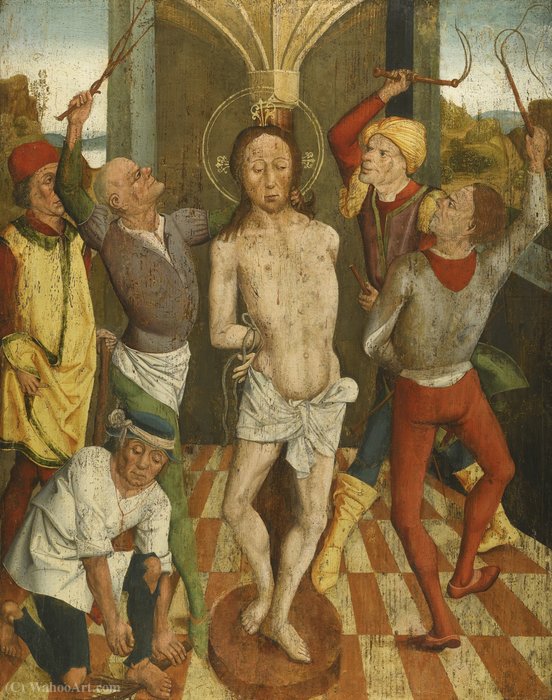
Flagellation
 Διαβάστε περισσότερα
Χειροποίητη Αναπαραγωγή σε Έλαιο
Χειροποίητη oil painting σε καμβά στο δικό σας μέγεθος και πλαίσιο, κατά παραγγελία από τους καλλιτέχνες μας. ( Αγορά εκτύπωσης Αγορά ψηφιακής εικόνας)




































Επιλέξτε από τις προκαθορισμένες διαστάσεις μας που διατηρούν τις αρχικές αναλογίες του έργου τέχνης.

Μπορείτε να ορίσετε δικές σας διαστάσεις ώστε το έργο να ταιριάζει σε ένα συγκεκριμένο πλαίσιο ή χώρο. Εάν το επιλεγμένο μέγεθος δεν συμπίπτει με τις αναλογίες της αρχικής εικόνας, θα περικοψούμε το έργο ή θα επεκτείνουμε τη ζωγραφιά με πρόσθετα χειρόγραφα στοιχεία. Ένα ψηφιακό προσχέδιο θα σας αποσταλεί για έγκριση πριν την έναρξη της παραγωγής.
Παρακαλούμε σημειώστε ότι η προεπισκόπηση στην οθόνη δεν αντικατοπτρίζει την πραγματική περικοπή ή επέκταση. Μόνο το προσχέδιο θα δείξει με ακρίβεια την τελική σύνθεση.
Παρόλο που είναι διαθέσιμα προσαρμοσμένα μεγέθη, συνιστούμε να επιλέξετε μια διάσταση από τη λίστα των προκαθορισμένων μεγεθών για τη διατήρηση των αρχικών αναλογιών.
Μετά την παραγγελία, η ομάδα του ArtsDot.com θα στείλει email στον πελάτη με οδηγίες και θα παρέχει μια προεπισκόπηση προσχεδίου
Παγκόσμια Αποστολή () σε 3-4 εβδομάδες αντί για τις συνήθεις 5 εβδομάδες. (15 Αύγουστος). Χωρίς συμβιβασμούς στην ποιότητα.

Δωρεάν γρήγορη διεθνής αποστολή

Κάμβας από Λινό Υψηλής Ποιότητας

Πλήρης ασφάλιση μεταφοράς

Εγγύηση Επιστροφής Δασμών και Φόρων

Εγγύηση Απόλυτης Ομοιότητας Χρωμάτων

Πολιτική Επιστροφής 60 Ημερών (Μόνο σε περίπτωση ελαττωμάτων)

Εγγύηση επιστροφής 100% των χρημάτων

Προσφορά για μαζικές παραγγελίες
 Η επιλογή με γυαλί είναι διαθέσιμη μόνο για μεγέθη κάτω από 110 εκ.

Flagellation
Μέσο Αναπαραγωγής
Διαστάσεις Αναπαραγωγής
-


Συνολική Τιμή
$ 263
Σχετικά Έργα Τέχνης


![The Passion [detail] — Χανς Χολμπίν Ο Νέος, Northern Renaissance](/media/artworks/images/thumbnails/05/7f/057f8051c622487fae8ae052bf714363.jpg)


Βιογραφία Καλλιτέχνη
Rueland Frueauf the Elder: A Passau Master of the Renaissance
Born in Obernberg am Inn around 1440 and tragically passing away in Passau in 1507, Rueland Frueauf the Elder stands as a pivotal figure in the late Gothic and early Renaissance art scene of Austria. While his life was relatively short, his artistic legacy—particularly his frescoes and panel paintings—continues to resonate with scholars and art enthusiasts alike. He wasn’t a flamboyant court painter or a prolific innovator; rather, Frueauf carved out a distinct niche for himself as a skilled regional artist deeply rooted in the traditions of his home region while simultaneously embracing emerging Renaissance influences.
Frueauf's early life remains somewhat shrouded in mystery. He was born into a family of artists and spent much of his career working primarily in frescoes within local churches throughout Bavaria, most notably in Passau and Salzburg. This dedication to ecclesiastical commissions speaks volumes about his artistic values – he prioritized religious themes and sought to create works that would uplift the faithful. His appointment as a consultant alongside Michael Pacher on an altarpiece for the Franciscan Order in 1484 demonstrates his growing recognition within the artistic community, signaling a shift towards greater professional opportunities.
A Palette of Faith: Style and Technique
Frueauf’s style is often described as a harmonious blend of late Gothic and early Renaissance aesthetics. He inherited the rich colors, detailed drapery, and expressive figures characteristic of his Gothic predecessors, but he also incorporated elements of perspective, naturalism, and a heightened sense of realism that were hallmarks of the burgeoning Renaissance movement. His works are notable for their meticulous attention to detail – from the intricate folds of clothing to the subtle expressions on the faces of his subjects—a testament to his technical skill.
His use of color is particularly striking. He favored deep reds, blues, and golds, often employing a technique known as *tempera*, which allowed for vibrant hues and luminous effects. He was also adept at creating atmospheric depth through the skillful manipulation of light and shadow. Examining his frescoes reveals a mastery of layering pigments to achieve remarkable visual richness.
Key Works and Themes
Among Frueauf’s most celebrated works are several altarpiece panels depicting scenes from the life of Christ and the Virgin Mary. The “Annunciation” (circa 1490), currently housed in a museum collection, exemplifies his ability to convey profound emotion through carefully rendered figures and symbolic gestures. The “Christ with the Crown of Thorns,” another significant panel, powerfully captures the suffering and humility of Jesus—a theme that resonated deeply within the devotional context of his time.
Furthermore, Frueauf’s work includes depictions of saints, such as Saint Apollonia, showcasing a deep understanding of religious iconography. His frescoes in Passau's St. Stephen's Church are particularly noteworthy for their vibrant colors and dynamic compositions. The “Education of the Infant Christ” (1506) is a prime example of his ability to depict complex narratives with clarity and grace.
Legacy and Influence
Rueland Frueauf the Elder’s impact extends beyond his individual creations. He played a crucial role in shaping the artistic landscape of Bavaria during a period of transition between Gothic and Renaissance styles. His work served as an important bridge, introducing new techniques and ideas to local artists while preserving traditional values. His son, Rueland Frueauf the Younger, continued the family tradition, further solidifying the legacy of the elder Frueauf.
Although he didn’t achieve widespread fame during his lifetime, Rueland Frueauf the Elder is now recognized as a significant artist of the early Renaissance. His works offer valuable insights into the religious and cultural values of 15th-century Bavaria, and they continue to inspire admiration for their beauty, skill, and emotional depth. His contribution to art history lies not in revolutionary innovation but in his steadfast dedication to his craft and his ability to seamlessly blend tradition with emerging artistic trends.

rueland the elder frueauf
1442 - 1507 , Germany
Γρήγορα στοιχεία
- Artistic Movement Or Style: Late Gothic
- Artists Or Movements Influenced By This Artist: ['Michael Pacher']
- Artists Who Influenced This Artist: ['Jan van Eyck, Master of Flémalle']
- Date Of Birth: c. 1440/45, Passau
- Date Of Death: 1507, Passau
- Full Name: Rueland Frueauf the Elder
- Nationality: Austrian
- Notable Artworks:
- Christ with the Crown of Thorns
- The Annunciation
- Dress Madonna
- Place Of Birth: Obernberg am Inn, Austria

