


 Προεπισκόπηση
 Αποστολή
 Κοινοποίηση
 Λεπτομέρειες
 Οδηγός

 Λήψη
Λήψη
 Παρόμοια αντικείμενα συλλογής
 Ακτινογραφία
 Παρουσίαση
 Στατιστικά
The Microscope


 Περισσότερα λεπτομέρεια
Giclée / Εκτυπώσεις Τέχνης
Εκτύπωση giclée ή σε καμβά ποιότητας μουσείου με γρήγορη παραγωγή και ευέλικτες επιλογές φινιρίσματος. ( Αγορά χειροποίητου πίνακα Μετάβαση σε Ψηφιακή Εικόνα)




P118B €10

P118H €10

P118W €10

P438Z €10

P508JH €12

P508YH €12

P805H €10

P805Z €10

P919BZ €10

P919G €10

P919XJ €10

P959ZH €10

P968JZ €12

W106C €8

W218G €10

W218JH €8

W218Y €10

W307PJ €10

W316G €10

W316PJ €8

W316Y €10

W398PJ €8

W4111J €10

W500HY €15

W500JH €15

W692G €12

W849H €8

W940BG €15

W953PJ €8




Επιλέξτε από τις προκαθορισμένες διαστάσεις μας που διατηρούν τις αρχικές αναλογίες του έργου τέχνης.

Πληκτρολογήστε το πλάτος και το ύψος που επιθυμείτε, ώστε να ταιριάζουν στο κάδሮ ή στον τοίχο σας. Μια εκτύπωση μπορεί μόνο να κοπεί και ποτέ να μην γίνει μεγαλύτερη από την εικόνα, επομένως ένα μέγεθος με διαφορετικό σχήμα συνεπάγεται απώλεια ενός μέρους της εικόνας. Σας στέλνουμε ένα ψηφιακό mockup για έγκριση πριν εκτυπώσουμε οτιδήποτε. Η εικόνα που εμφανίζεται σε αυτή τη σελίδα δεν δείχνει την πραγματική κοπή — μόνο το mockup την παρουσιάζει.
Παγκόσμια Αποστολή () σε 2 εβδομάδες αντί για τις συνήθεις 4/5 εβδομάδες. (22 Οκτώβριος)

Δωρεάν γρήγορη διεθνής αποστολή

Κάμβας από Λινό Υψηλής Ποιότητας

Πλήρης ασφάλιση μεταφοράς

Εγγύηση επιστροφής δασμών και φόρων εισαγωγής

Εγγύηση Απόλυτης Ομοιότητας Χρωμάτων

Πολιτική Επιστροφής 100 Ημερών (Μόνο σε περίπτωση ελαττωμάτων)

Εγγύηση επιστροφής 100% των χρημάτων

Έκπτωση για πολλαπλές παραγγελίες
 Η επιλογή με γυαλί είναι διαθέσιμη μόνο για μεγέθη κάτω από 110 εκ.

The Microscope
Giclée / Εκτυπώσεις Τέχνης
Διαστάσεις Αναπαραγωγής
-


Συνολικό Κόστος
€ 54
A Window into Enlightenment: Examining Robert Walter Weir’s “The Microscope”
Robert Walter Weir's "The Microscope," completed in 1849, stands as a remarkable testament to the confluence of scientific curiosity and humanist ideals that characterized mid-nineteenth century America. More than just a portrait depicting Jacob Whitman Bailey, a prominent advocate for American microscopy and instructor at West Point, this painting embodies the Romantic spirit’s fascination with both reason and imagination—a duality Weir skillfully captures through meticulous observation and expressive brushwork. The artwork resides within Yale University Art Gallery's collection, offering visitors an opportunity to contemplate its enduring significance.- Subject Matter: At its core, “The Microscope” presents a tableau of intellectual engagement. Bailey, dressed in attire reminiscent of Galileo Galilei—a deliberate allusion to the Renaissance astronomer’s groundbreaking discoveries—demonstrates his knowledge to his sons and daughter, Maria. This familial scene underscores the importance of educating children not only in traditional arts but also in scientific pursuits, reflecting the burgeoning belief that fostering intellectual development was crucial for societal progress.
- Style & Technique: Weir’s style aligns firmly with the Hudson River School tradition, prioritizing atmospheric perspective and tonal gradation to convey a sense of grandeur and tranquility. Employing oil paints on canvas, he achieved remarkable realism through careful layering and blending—a hallmark of the era's artistic approach. The subdued palette—dominated by browns, greens, and blues—creates an environment that feels both scholarly and contemplative.
Historical Context: Science and Domestic Education in Victorian America
The painting emerged during a period marked by significant advancements in scientific understanding, particularly in microscopy. Scientists like Bailey were actively exploring the microscopic world, uncovering previously unseen organisms and challenging prevailing theories about disease and heredity. Simultaneously, Victorian society placed considerable emphasis on educating girls—primarily focusing on music, dance, and needlework—though figures like Bailey recognized the necessity of introducing science into female education. Weir’s depiction reflects this societal preoccupation with cultivating intellectual prowess in young women.- Symbolism: The inclusion of Galileo's garb serves as a powerful symbol—representing the triumph of observation and experimentation over dogma. Bailey’s stance, gazing intently at the microscope, embodies the Romantic conviction that scientific inquiry could illuminate the mysteries of creation. Furthermore, Maria’s presence symbolizes the future generation inheriting this enlightened worldview.
- Emotional Impact: “The Microscope” transcends mere representation; it evokes a feeling of serene intellectual pursuit and familial devotion. Weir's masterful use of light and shadow contributes to an atmosphere of quiet contemplation—encouraging viewers to appreciate the beauty inherent in knowledge and the importance of nurturing young minds.
Yale Center for British Art’s Perspective
The Yale Center for British Art considers “The Microscope” as a pivotal piece illustrating the Romantic movement's commitment to both reason and imagination. Its inclusion within the American Art before 1900 galleries underscores its significance in shaping artistic sensibilities during this formative period. The painting continues to inspire interior designers seeking to infuse their spaces with elements of intellectual curiosity and humanist values—a legacy that extends far beyond its original creation.Ερωτήσεις & Απαντήσεις
Ποιο συναίσθημα αποπνέει το έργο "The Microscope" της καλλιτεχνικής κατεύθυνσης Romanticism;
Το Reflective συναίσθημα του "The Microscope" συνοδεύει το στυλ της καλλιτεχνικής κίνησης Romanticism.
Υπάρχουν έργα παρόμοια με το "The Microscope";
Η σελίδα Παρόμοια έργα του έργου "The Microscope" του Ρόμπερτ Βάλτερ Βειρ παρουσιάζει σχετικά έργα τέχνης.
Υπάρχει διαφάνειες για το "The Microscope" του Ρόμπερτ Βάλτερ Βειρ;
Το diaporama του "The Microscope" μπορεί να προβληθεί στη σελίδα Παρουσίαση διαφάνειων του έργου.
Παρόμοια Έργα Τέχνης


Βιογραφικό Καλλιτέχνη
Μια Ζωή Σκαρφισμένη στην Ιστορία: Ο Κόσμος του Ρόμπερτ Βάλτερ Βειρ
Ο Ρόμπερτ Βάλτερ Βειρ, γεννημένος στην Νέα Υόρκη στις 18 Ιουνίου 1803, ήταν μια προσωπικότητα βαθιά εγγεγραμμένη στο καλλιτεχνικό και εκπαιδευτικό ιστό της Αμερικής του 19ου αιώνα. Η ιστορία της ζωής του είναι μια αφήγηση αυτοσττόχτιμης αφοσίωσης, μιας δίψας για κλασική γνώση και μιας αδιάλειπτης δέσμευσης στην καλλιέργεια της δημιουργικότητας στους άλλους. Τα πρώτα χρόνια της οικογένειας Βειρ χαρακτηρίστηκαν από μετακινήσεις μεταξύ Νέας Υόκης και Νιού Ρόσελ πριν εγκατασταθούν οριστικά στην πόλη το 1817. Παρόλο που αρχικά ασχολήθηκε με εμπορικές δραστηριότητες, ο νεαρός Ρόμπερτ ένιωσε την έλξη της καλλιτεχνικής έκφρασης, εγκαταλείποντας το εμπόριο στα δεκαοκτώ του το 1821 για να αφιερώσει ολόκληρο τον εαυτό του στη ζωγραφική. Αυτή η απόφαση σηματοδότησε την αρχή ενός ταξιδιού που θα τον μετέτρεπε όχι μόνο σε έναν σεβαστό καλλιτέχνη, αλλά και σε έναν κομβικό εκπαιδευτή που διαμόρφωσε το πνεύμα των μελλοντικών ηγετών. Η αρχική εκπαίδευση του Βειρ ήταν σε μεγάλο βαθμό αυτοκαθορισμένη, καλλιεργημένη μέσω σχολαστικής μελέτης στην Νέα Υόρκη από το 1822 έως το 1824. Ωστόσο, ήταν η επόμενη διαμονή του στην Ιταλία – στη Φλωρεντία (1824-1825) και στη Ρώμη (1825-1827) – που άναψε πραγματικά τις καλλιτεχνικές του αισθήσεις. Βυθισμένος στα αριστουργήματα του Μικελότζο και του Ραφαήλ, απορρόφησε τις αρχές της αναγεννησιακής σύνθεσης και λεπτομέρειας, επιρροές που θα αντηχούσαν σε ολόκληρη την καριέρα του.Από τον Καμβά στην Αίθουσα Διδασκαλίας: Μια Διπλός Κληρονομιά
Με την επιστροφή του στη Νέα Υόρκη το 1827, ο Βειρ ενσωματώθηκε γρήγορα στην αναδυόμενη καλλιτεχνική κοινότητα. Έκθενε τακτικά στην Εθνική Ακαδημία Σχεδίασης (National Academy of Design), κερδίζοντας τη συμμετοχή ως συνδεόμενος το 1829 και την πλήρη ιδιότητα ακαδημαϊκού το 1831 – αποδείξεις της αυξανόμενης δεξιοτητάς του και της αναγνώρισής του. Ωστόσο, μια διαφορετική πορεία θα ορίσει μεγάλο μέρος του έργου της ζωής του: η εκπαίδευση. Το 1834, αποδέχτηκε τη θέση του Εκπαιδευτή Σχεδίασης στην Ακαδημία Στρατιωτικού Πολιτισμού των Ηνωμένων Πολιτειών στο West Point, στη Νέα Υόρκη. Αυτή η διορισμός δεν ήταν απλώς μια δουλειά· ήταν κλήση. Ανέβη στο σκαλί και έγινε Καθηγητής Σχεδίασης το 1846 και παρέμεινε αφοσιωμένος σε αυτόν τον ρόλο για έναν εξαιρετικό σαράντα δύοχρονο περίοδο, έως το 1876. Η επίδραση της θητείας του είναι σχεδόν αβάσταχτη. Ο Βειρ δεν δίδασκε απλώς σχέδιο· εμφύτευσε την εκτίμηση για την τέχνη, την παρατήρηση και τη οπτική σκέψη σε μια γενιά μελλοντικών στρατιωτικών αξιωματικών. Ανάμεσα στους μαθητές του υπήρχαν ονόματα που θα γίνονταν σύμβολα του Εμφυλίου Πολέμου: ο Ulysses S. Grant, ο Robert E. Lee, ο Jefferson Davis και ο James Abbott McNeill Whistler – μια αξιοσημείωτη λίστα που αποδεικνύει το εύρος της επιρροής του. Καλλιέργησε επίσης τον Seth Eastman, ακόμη έναν σημαντικό καλλιτέχνη που καταγράφηκε τη ζωή των ιθαγενών Αμερικανών. Η παιδαγωγική του προσέγγιση δεν αφορούσε μόνο την τεχνική δεξιότητα· αφορούσε την καλλιέργεια ενός διακριτικού ματιού και την ανάπτυξη ικανοτήτων δημιουργικής επίλυσης προβλημάτων που θα εξυπηρέτησαν αυτούς τους άνδρες στις μελλοντικές τους προσπάθειες.Η Σχολή του Χούδσον Ριβερ και οι Ιστορικές Αφηγήσεις
Ο Βειρ θεωρείται δικαιόλογα μέλος της Σχολής του Χούδσον Ριβερ (Hudson River School), μιας αμερικανικής καλλιτε एग्जामपुरτικής κίνησης που τιμάται για τις ρομαντικές απεικονίσεις των τοπίων της χώρας. Ενώ οι καμβές του περιλάμβαναν συχνά ιστορικά θέματα, ήταν εμποτισμένα με την ίδια αίσθηση μεγαλειότητας και σεβασμού στη φύση που χαρακτηρίζει τη σχολή. Το καλλιτεχνικό του στυλ ήταν βαθιά ριζωμένο σε κλασικές αρχές που άντρεψε από τις ιταλικές του μελέτες – μια μελετημένη προσοχή στη λεπτομέρεια, ισορροπημένες συνθέσεις και μια δραματική χρήση του φωτός και της σκιάς. Ωστόσο, δεν αναπαράgestellt μόνο τις τεχνικές της Αναγέννησης· τις προσαρμόσετε σε αμερικανικά θέματα και αφηγήματα. Ίσως το πιο εμβληματικό του έργο είναι η Επιβίβαση των Πυγκραμμάτων (The Embarkation of the Pilgrims), η οποία ανατέθηκε από το Κογκρέσο των Ηνωμένων Πολιτειών το 1837 και εγκαταστάθηκε στη περιστροφή του Καπιτώλιο των ΗΠΑ το 1843. Αυτό το μνημειώδες έργο δεν είναι απλώς μια ιστορική απεικόνιση· είναι μια ισχυρή αλληγορία της αρετής, της πίστης και των θεμελιωδών αρχών της Αμερικής. Άλλα σημαντικά έργα περιλαμβάνουν το *Bourbons Last March*, το *Landing of Hendrik Hudson*, το *Our Lord on the Mount of Olives* και το *Columbus before the Council of Salamanca*. Αυτοί οι πίνακες επιδεικνύουν την πολυμορφία του και την αφοσίωσή του στην καταCapture των κομβικών στιγμών της ιστορίας με ακρίβεια και συναισθηματική αντήχηση.Οικογένεια, Επιρροή και Αιώνια Αναγνώριση
Η κληρονομιά του Ρόμπερτ Βάλτερ Βειρ εκτείνεται πολύ πέρα από τα δικά του καλλιτεχνικά επιτεύγματα. Ιδρύσε μια οικογενειακή παράδοση καλλιτεχνικής αριστείας, καθώς δύο γιοι του ακολούθησαν τα βήματά του. Ο John Ferguson Weir έγινε ένας σεβαστός ζωγράφος και γλύπτης, ενώ ο Julian Alden Weir ξεχώρισε ως ένας σημαντικός καλλιτέχνης πορτρέτου, φιγούρας και τοπίου – ενισχύοντας περαιτέρω το όνομα των Βειρ στην αμερικανική ιστορία της τέχνης. Ο Ρόμπερτ Βάλτερ Βειρ παντρεύτηκε δύο φορές και απέκτησε δεκαέξι παιδιά, δημιουργώντας μια ζωντανή οικογενειακή ζωή παρά τις επαγγελματικές του δραστηριότητες. Πέθανε το 1889, αφήνοντας πίσω του μια πλούσια καλλιτεχνική κληρονομιά και μια διαχρονική επίδραση στην αμερικανική εκπαίδευση. Σήμερα, τα έργα του συνεχίζουν να εκτίθενται σε σημαντικά μουσεία και συλλογές, διασφαλίζοντας ότι οι συνεισφορές του παραμένουν ορατές και πολύτιμες για τις επόμενες γενιές. Η επιρροή του μπορεί ακόμα να αισθάνεται μέσα από τους αμέτρητους καλλιτέχνες που ενέπνευσε, τόσο άμεσα ως μαθητές όσο και έμμεσα μέσω της αφοσίωσής του στην καλλιέργεια της δημιουργικότητας και της κριτικής σκέψης.Μια Διαχρονική Εντύπωση
- Σύνδεση με τη Σχολή του Χούδσον Ριβερ: Η συμμετοχή του Βειρ σε αυτό το επιδραστικό κίνημα εδραίωσε τη θέση του στον κανόνα της αμερικανικής ζωγραφικής τοπίου.
- Κληρονομιά στο West Point: Οι τέσσερις δεκαετίες του στο West Point διαμόρφωσαν βαθιά τις καλλιτεχνικές αισθήσεις πολυάριθμων μελλοντικών στρατιωτικών ηγετών, αποδεικνύοντας τη δύναμη της καλλιτεχνικής εκπαίδευσης.
- Κατεχίعة στη Ιστορική Ζωγραφική: Έργα όπως η Επιβίβαση των Πυγκραμμάτων ενσαρκώνουν την ικανότητά του να αποτυπώνει σημαντικά ιστορικά γεγονότα με δραματικό αποτέλεσμα και συμβολικό βάθος.
- Καλλιτεχνική Οικογενειακή Δυναστεία: Η επιτυχία των γιων του, John Ferguson Weir και Julian Alden Weir, ενέδωσαν περαιτέρω τη συμβολή της οικογένειας στην αμερικανική τέχνη.

Ρόμπερτ Βάλτερ Βειρ
1803 - 1889 , Ηνωμένες Πολιτείες Αμερικής
Στοιχεία καλλιτέχνη
- Artistic Movement Or Style: Ρομαντικός Κλασικισμός
- Artists Or Movements Influenced By This Artist: ['Η Ρομαντική σχολή']
- Artists Who Influenced This Artist:
- Μιχαήλ Άγγελος
- Ραφαήλ
- Date Of Birth: 1803-06-18
- Full Name: Robert Walter Weir
- Nationality: Αμερικανός
- Notable Artworks:
- Η Αναχώρηση των Πειρατών
- Επίσκεψη του Χέντρικ Χούδσον
- Το Βράδυ της Σταυροπροσώπου
- Place Of Birth: Νέα Υόρκη, ΗΠΑ
Σχετικά άρθρα

Robert Spencer: Luminism, Narrative & the American Landscape Tradition
Explore the captivating world of Luminism & the Hudson River School with our expert analysis. Discover the history, artists, and enduring beauty of 19th-century American landscape painting. Find museum-quality reproductions at ArtsDot.
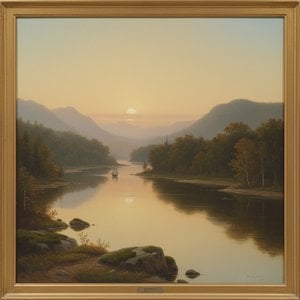
David Johnson: A Luminist Master of the Hudson River School & Beyond
Explore the captivating landscapes of David Johnson, a key figure in the Hudson River School & Luminism movement. Discover his artistic evolution, legacy, and how to collect his works with ArtsDot.

The Sublime Landscape: Exploring the Hudson River School Movement
Explore the captivating world of the Hudson River School! Discover the history, artists, and defining characteristics of this iconic American art movement. Learn about Romanticism's influence & find inspiration for your collection.

Οι 10 Κορυφαίοι πίνακες που καθόρισαν την Σχολή του ποταμού Hudson | ArtsDot.gr
Ανακαλύψτε τους 10 κορυφαίους πίνακες της Σχολής του ποταμού Hudson! Thomas Cole, Frederic Church & Albert Bierstadt ζωντανεύουν. Έμπνευση για διακόσμηση σπιτιού με αριστουργήματα ρομαντισμού. Εξερευνήστε την πλήρη συλλογή στο ArtsDot.com.
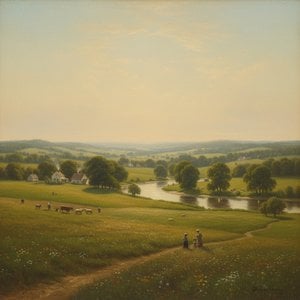
Thomas Worthington Whittredge: Capturing the American Pastoral Ideal with Luminist Light
Explore the luminous landscapes of Thomas Worthington Whittredge, a key figure in the Hudson River School and master of Luminism. Discover his captivating paintings & legacy with ArtsDot.