

 Αποστολή
 Κοινοποίηση
 Λεπτομέρειες
 Οδηγός

 Λήψη
Λήψη
 Παρόμοια αντικείμενα συλλογής
 Παρουσίαση
 Ερωτήσεις & Απαντήσεις
 Στατιστικά
Two Large Covered Jars


 Περισσότερα
Giclée / Εκτυπώσεις Τέχνης
Εκτύπωση giclée ή σε καμβά ποιότητας μουσείου με γρήγορη παραγωγή και ευέλικτες επιλογές φινιρίσματος. ( Αγορά χειροποίητου πίνακα Μετάβαση σε Ψηφιακή Αποτέλεσμα)




































Επιλέξτε από τις προκαθορισμένες διαστάσεις μας που διατηρούν τις αρχικές αναλογίες του έργου τέχνης.

Εισάγετε το πλάτος και το ύψος που επιθυμείτε, ώστε να ταιριάζουν στο κάδሮ ή στον τοίχο σας. Μια εκτύπωση μπορεί μόνο να υποστεί κοψίμό και ποτέ να μην γίνει μεγαλύτερη από την αρχική εικόνα, επομένως η επιλογή μεγέθους με διαφορετικό σχήμα συνεπάγεται απώλεια ενός μέρους της εικόνας. Σας στέλνουμε ένα ψηφιακό mockup για έγκριση πριν προχωρήσουμε σε οποιαδήποτε εκτύπωση. Η εικόνα που εμφανίζεται σε αυτή τη σελίδα δεν δείχνει την πραγματική κοπή — μόνο το mockup την παρουσιάζει.
Παγκόσμια Αποστολή () σε 2 εβδομάδες αντί για τις συνήθεις 4/5 εβδομάδες. (4 Νοέμβριος)

Δωρεάν γρήγορη διεθνής αποστολή

Κάμβας από Λινό Υψηλής Ποιότητας

Πλήρης ασφάλιση μεταφοράς

Εγγύηση επιστροφής δασμών και φόρων εισαγωγής

Εγγύηση Απόλυτης Ομοιότητας Χρωμάτων

Πολιτική Επιστροφής 100 Ημερών (Μόνο σε περίπτωση ελαττωμάτων)

Εγγύηση επιστροφής 100% των χρημάτων

Προσφορά για πολλαπλές παραγγελίες
 Η επιλογή με γυαλί είναι διαθέσιμη μόνο για μεγέθη κάτω από 110 εκ.

Two Large Covered Jars
Giclée / Εκτυπώσεις Τέχνης
Διαστάσεις Αναπαραγωγής
-


Τελική Τιμή
€ 56
A Symphony in Rose and Gold: The Elegance of the Qing Dynasty
To behold the Two Large Covered Jars is to step into a world of imperial splendor, where the delicate balance of Manchu ambition and Han Chinese tradition finds its most exquisite expression. These magnificent vessels, dating from the height of the Qing Dynasty, serve as much more than mere containers; they are windows into an era of unparalleled decorative mastery. The jars are bathed in a deep, rich pink ground—a hallmark of the celebrated famille rose palette. This specific hue, which emerged in the 1730s, tells a fascinating story of global connection, born from the introduction of purple of Cassius, a pigment derived from gold chloride brought to China from Europe. This fusion of Eastern artistry and Western chemical innovation created a spectrum of color that would forever change the landscape of Chinese porcelain.
The visual journey across the surface of these jars is one of continuous discovery. As light dances across the polished glaze, one encounters a lush tapestry of polychrome chrysanthemums, their petals rendered with lifelike precision. Interspersed among the flora are charming vignettes set within delicate reserves, where the narrative of human connection unfolds. In the main panels, an elderly scholar is depicted in a moment of quiet wisdom, reading a book to a young boy. This scene is not merely decorative; it is a profound symbol of the Confucian values of education, lineage, and the passing of knowledge from one generation to the next. Such motifs were meticulously drawn from pattern books used by eighteenth-century porcelain factories, ensuring that every brushstroke resonated with cultural significance.
A Masterclass in Decorative Detail and Symbolism
Beyond the central human narratives, the jars are adorned with a rhythmic arrangement of fan- and ribbon-shaped panels. Within these frames, a lively menagerie of birds and domestic fowl appears, adding a sense of movement and vitality to the composition. Each element—from the soft curve of a bird's wing to the intricate geometry of the ribbons—contributes to a sense of ordered abundance. The use of reserve techniques, where the underlying porcelain color is left visible to create contrast, allows the vibrant pinks and multi-colored flora to pop with an almost three-dimensional intensity.
For the discerning collector or interior designer, these jars represent the pinnacle of Qing Dynasty aesthetic achievement. They embody a period where the boundaries between fine art and decorative craft were beautifully blurred. The emotional impact of the piece lies in its ability to evoke a sense of serene grandeur; they possess a quiet dignity that commands attention without overwhelming the space they inhabit. Whether placed as a centerpiece in a formal dining hall or used to add a touch of historical depth to a contemporary mantle, these jars offer an enduring connection to a golden age of craftsmanship. Owning a high-quality reproduction of such work allows one to invite this legacy of imperial elegance and scholarly peace into the modern home, celebrating a timeless marriage of technique, history, and soul.
Ερωτήσεις και Απαντήσεις
Τι αίσθημα προσφέρει το "Two Large Covered Jars" ως δώρο;
Η Calm ατμόσφαιρα του έργου "Two Large Covered Jars" του Qing Dynasty ταιριάζει απόλυτα με την προτεινόμενη περίσταση δώρου: Anniversary.
Πού τοποθετείται το "Two Large Covered Jars" ανάμεσα στα επαναλαμβανόμενα θέματα του Qing Dynasty;
Το έργο "Two Large Covered Jars" απεικονίζει τα scholar, boy, flowers, birds, red vases, pink ground, ενώ τα αναγνωρίσιμα θέματα του Qing Dynasty είναι τα eighteenth-century pattern books, european purple of cassius, imperial porcelain traditions, manchu and han synthesis, decorative imperial splendor. Η σύγκριση των δύο αναδεικνύει τον τρόπο με τον οποίο το έργο συνδέεται με τα συνηθισμένα θέματα του καλλιτέχνη.
Τι συναίσθημα αποπνέει το "Two Large Covered Jars" του Qing Dynasty;
Το έργο "Two Large Covered Jars" του Qing Dynasty αποπνέει μια αίσθηση Calm, μέσα σε μια συνολικά Classic διάθεση.
Σχετικά Έργα Τέχνης


Βιογραφικό Καλλιτέχνη
A Legacy of Imperial Art: The Grandeur of the Qing Dynasty
The Qing Dynasty (1644–1912), often referred to as the Great Qing, represents one of the most profound and visually spectacular chapters in the long tapestry of Chinese history. It was an era defined by a complex synthesis of Manchu ambition and the deep-rooted traditions of Han Chinese culture. Emerging from the turbulent collapse of the Ming Dynasty, the Manchus established a new imperial order centered in Beijing, creating a period of unprecedented cultural production that would eventually leave an indelible mark on the global perception of Chinese aesthetics. This was not merely a time of political consolidation but a golden age of artistic innovation, where the boundaries between decorative splendor and fine art often blurred into a single, magnificent expression of imperial power.
The artistic foundations of this era were built upon a meticulous reverence for the past, yet they were simultaneously propelled by a spirit of adaptation. Early Qing painters, many of whom served within the prestigious Imperial Court, drew their strength from the classical techniques perfected during the preceding Ming period. They mastered the delicate balance of brushwork, color palettes, and compositional principles rooted in Daoist philosophy and Confucian ideals of harmony. As the dynasty progressed, the influence of Zen Buddhism introduced a new layer of emotional depth to the canvas, encouraging artists to capture the spontaneous essence of nature through the Xieyi style—a method that prioritized the "spirit" of the subject over mere anatomical or botanical accuracy.
The Mastery of Detail and the Brilliance of Porcelain
One of the most enduring legacies of the Qing era lies in the breathtaking precision of the Gongbi painting style. This meticulous approach to art demanded extraordinary patience and technical skill, as painters employed layered brushstrokes and vibrant pigments to achieve a level of realism that felt almost luminous. Artists such as Tingqua became renowned for these highly detailed works, which often featured delicate flora and fauna rendered with such clarity that they became sought-after treasures in Western collections. This period saw the artist's hand working in perfect concert with nature, capturing every nuance of texture, from the softest petal to the ruggedness of ancient stone.
Beyond the realm of paper and silk, the Qing Dynasty achieved a zenith in the production of ceramics that remains unsurpassed. The imperial porcelain capital of Jingdezhen became a crucible of innovation, producing vessels that were as much sculptural masterpieces as they were functional objects. During the Kangxi reign (1662–1722), the creation of magnificent blue and gold wares showcased a sophisticated palette that evoked both tranquility and luxury. The introduction of "soft paste" techniques around 1700 AD allowed for even more daring and intricate designs, embodying the era's characteristic blend of technical experimentation and refined elegance.
Cultural Synthesis and Historical Significance
The significance of Qing Dynasty art extends far beyond its aesthetic beauty; it serves as a vital historical record of a changing world. The era witnessed a fascinating dialogue between traditional Chinese values and burgeoning Western influences, particularly through the flourishing of export paintings that catered to a global market. This period of intense cultural production reflected the empire's vast territorial reach—stretching from the Sea of Japan to the Pamir Mountains—and its ability to absorb diverse influences into a cohesive imperial identity.
As the dynasty approached its twilight in the early 20th century, the art continued to evolve, reflecting the social shifts and the eventual transition toward the Republic of China. The works produced during this time remain essential for understanding the evolution of East Asian aesthetics. Whether through the monumental landscapes that spoke of eternal order or the delicate porcelain that whispered of imperial grace, the art of the Great Qing remains a testament to a civilization at its most visually opulent and culturally complex.

Qing Dynasty
1644 - 1911 , China
Γρήγορα στοιχεία
- Full Name: qing dynasty
- Nationality: Chinese
- Date Of Birth: 1644
- Date Of Death: 1911
- Place Of Birth: China
- Notable Artworks: ['Pheasants and blue magpie']
- Artistic Movement Or Style: Gongbi & Xieyi Painting
- Artists Or Movements Influenced By This Artist: ['Kunqu Opera']
Σχετικά άρθρα

Guy Rose: Luminism, Impressionism & the Californian Aesthetic – A Comprehensive Exploration of Life and Legacy
Explore the life & art of Guy Rose, a leading American Impressionist painter. Discover his luminous California landscapes, Giverny scenes, and enduring legacy. A comprehensive guide for collectors & enthusiasts.

Οι 10 πιο διάσημοι πίνακες με κυρίαρχο το απαλό ροζ χρώμα | ArtsDot.gr
Ανακαλύψτε τους 10 πιο διάσημους πίνακες με κυρίαρχο το απαλό ροζ χρώμα! Ιμπρεσιονισμός, Ρομαντισμός & άλλοι σπουδαίοι καλλιτέχνες. Βρείτε αναπαραγωγές υψηλής ποιότητας για την τέχνη του σπιτιού σας στην ArtsDot.com.
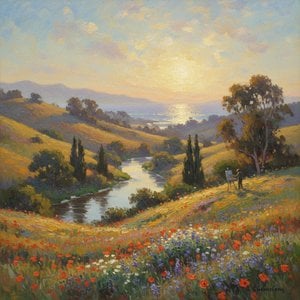
Guy Orlando Rose: Capturing California's Luminosity in American Impressionism
Explore the luminous landscapes of Guy Orlando Rose, a leading American Impressionist painter deeply influenced by Monet. Discover his mastery of light, atmospheric perspective & California scenes. Learn about his legacy and find high-quality reproductions.

Οι 10 Πιο Διάσημες Πίνακες με Κυρίαρχο το Ροζ της Σκόνης | Έμπνευση για Διακόσμηση
Ανακαλύψτε τους 10 πιο διάσημους πίνακες με κυρίαρχο το ροζ της σκόνης! Ιμπρεσιονισμός, Ρομαντισμός & άλλες τέχνες. Έμπνευση διακόσμησης και ιστορίες καλλιτεχνών. Βρείτε την τέλεια αναπαραγωγή πίνακα στο ArtsDot.com.

Rose Maynard Barton: Pioneering Irish Modernism & the Intimate World of Domesticity
Discover Rose Maynard Barton (1856-1930), a pioneering Irish watercolourist celebrated for her evocative landscapes and charming depictions of domestic life. Explore her legacy & artwork at ArtsDot.
