

 Προεπισκόπηση σε πραγματική κλίμακα
 Αποστολή
 Κοινοποίηση
 Λεπτομέρειες
 Οδηγός

 Λήψη
Λήψη
 Παρόμοια αντικείμενα συλλογής
 Ακτινογραφία
 Παρουσίαση
 Q&A
Q&A Στατιστικά
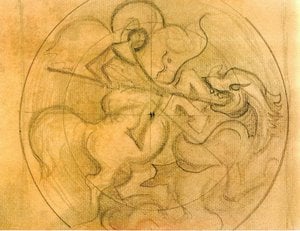
Marine

 Περισσότερα
Λάβετε ένα αρχείο έτοιμο για εκτύπωση, με ποιότητα πολύ ανώτερη από την προεπισκόπηση στον ιστότοπο. Κάθε ψηφιακή εικόνα που διαθέτουμε προέρχεται από ένα αρχείο υψηλής ανάλυσης στη βάση δεδομένων μας —συνήθως με πλάτος 5.000 έως 15.000 pixel— ώστε να μπορείτε να εκτυπώσετε σε μεγάλο μέγεθος, να κάνετε στενές κοψιμές ή να αναπαράγετε τις λεπτομέρειες με απόλυτη εμπιστοσύνη.
Κανένα αρχείο δεν φεύγει από το στούντιο μας χωρίς να υποστεί επεξεργασία. Ένας ειδικός ψηφιακών εικόνων ελέγχει τα χρώματα σε σύγκριση με το πρωτότυπο έργο και τα διορθώνει αν χρειαστεί, στη συνέχεια βελτιώνει την καθαρότητα και τις λεπτομέρειες με επαγγελματικά εργαλεία αφαίρεσης ατέλειων — παραμένοντας πάντα πιστός στις πινελιές και το ύφος του καλλιτέχνη. Το αποτέλεσμα είναι μια εικόνα που μοιάζει με το ίδιο το αριστούργημα και όχι με ένα σκανάρισμα με φίλτρα.
Εγκρίνετε πριν την ολοκλήρωση: ο ειδικός μας σας στέλνει την εικόνα μέσω e-mail εντός 72 ωρών για επανεξέταση. Δεν είστε ικανοποιημένοι; Ζητήστε βελτιώσεις ή διορθώσεις, ή ζητήστε επιστροφή χρημάτων εάν η ποιότητα δεν ανταποκρίνεται στις προσδοκίες σας.
Αυτή είναι η ποιότητα στην οποία εμπιστεύονται οι εκδότες, τα design studios, οι γκαλερί και τα εκτυπωτήρια.
Ψηφιακή εικόνα
Κατεβάστε ένα αρχείο υψηλής ανάλυσης για προσωπική χρήση, εκτύπωση και δημιουργικά έργα. ( Μετάβαση σε Εκτυπώσεις Αγορά χειροποίητου πίνακα)
Περιλαμβάνεται σε κάθε παραγγελία ψηφιακής εικόνας
Επαγγελματική Ψηφιακή Παράδοση με Εγγύηση
Όταν επιλέγετε το ArtsDot.com, δεν αποκτάτε απλώς μια εικόνα – λαμβάνετε ένα επαγγελματικά αναβαθμισμένο ψηφιακό έργο τέχνης, δημιουργημένο με ακρίβεια και με εγγύηση ικανοποίησης. Δείτε όλα όσα περιλαμβάνονται στην παραγγελία σας, αυτόματα:

Άμεση αποστολή μέσω email
Το ψηφιακό σας αρχείο εικόνας υψηλής ανάλυσης θα σας σταλεί μέσω email εντός 72 ωρών από την παραγγελία σας — έτοιμο για άμεση χρήση.

Ψηφιακό Αρχείο με Τεχνητή Νοημοσύνη
Το έργο σας βελτιστοποιείται επαγγελματικά με τη χρήση προηγμένων εργαλείων Τεχνητής Νοημοσύνης και χειροκίνητης επεξεργασίας, εξασφαλίζοντας μέγιστη λεπτομέρεια, ευκρίνεια και ακρίβεια χρωμάτων.

Δωρεάν επανεκδόσεις مدى ζωής
Απώλησες ή διαγράψατε κατά λάθος το αρχείο σας; Μην ανησυχείτε — θα σας το ξαναστείλομε οποιαδήποτε στιγμή, δωρεάν.

Χωρίς Τελωνειακούς Φόρους - Ποτέ
Απολαύστε αμέσως τα έργα τέχνης σας χωρίς δασμούς, φόρους ή έξοδα αποστολής - οι ψηφιακές λήψεις είναι πάντα αφορεশিপτεία.

Εγγύηση Ακριβούς Χρωματισμού
Εξασφαλίζουμε ότι η ψηφιακή σας εικόνα αποτυπώνει τα αυθεντικά χρώματα όσο το δυνατόν πιστότερα, χρησιμοποιώντας επαγγελματικά εργαλεία και διαχείριση χρωμάτων.

Εγγύηση Ικανοποίησης 100 Ημερών
Εάν δεν είστε ικανοποιημένοι με την ψηφιακή σας εικόνα, θα την τροποποιήσουμε ή θα σας επιστρέψουμε το 100% εντός 100 ημερών — χωρίς κανένα ερώτημα.

100% Εγγύηση Επιστροφής Χρήματος
Δεν είστε ικανοποιημένοι; Λάβετε πλήρη επιστροφή των χρημάτων σας εντός 100 ημερών από τη λήψη του ψηφιακού σας αρχείου — χωρίς κανένα ερώτημα.

Εκπτώσεις σε μεγάλες παραγγελίες
Αγοράστε 3 εικόνες, κάντε εξοικονόμηση 10% - Αγοράστε 5, κάντε εξοικονόμηση 15% - Αγοράστε 10+, κάντε εξοικονόμηση 20%. Ιδανικό για δημιουργικά έργα, γκαλερί και agencies.
Ερωτήσεις και Απαντήσεις
Πόσο έντονες είναι οι αποχρώσεις του "Marine";
Το χρώμα του έργου "Marine" παρουσιάζει κορεσμό Clear Color Presence και ένταση Vivid.
Ποια είναι τα δικαιώματα αναπαραγωγής του έργου "Marine" στο Galleria Civica di Arte Moderna e Contemporanea Torino;
Το πρωτότυπο έργο "Marine" βρίσκεται στο Galleria Civica di Arte Moderna e Contemporanea Torino και ανήκει στο ακόμα προστατευόμενο από δικαιώματα αυτορικού.
Ποιο χρώμα κυριαρχεί στη σύνθεση του έργου "Marine" του Osvaldo Licini;
Το χρώμα που ξεχωρίζει περισσότερο στο "Marine" είναι το Bronze (#b8811f). Το κυρίαρχο χρώμα είναι χρήσιμο όταν συνδυάζετε ένα έργο τέχνης με έναν εσωτερικό χώρο.
Σχετικά Έργα Τέχνης




Βιογραφικό Καλλιτέχνη
Early Life and Artistic Foundations
Osvaldo Licini, born on March 22nd, 1894, in the small Italian town of Monte Vidon Corrado in the Marche region, embarked on an artistic journey that would see him become a pivotal figure in the development of abstract art. His early life was somewhat unconventional; his parents relocated to Paris shortly after his birth to pursue work opportunities, leaving young Osvaldo in the care of his paternal grandfather, Filippo, back in Monte Vidon Corrado. This separation instilled in him a sense of independence and perhaps contributed to an introspective nature that would later inform his artistic vision. While his parents established themselves in Paris—his father as a commercial poster designer and his mother running a fashion house—Osvaldo received a traditional art education, beginning studies at the Accademia di Belle Arti di Bologna in 1908. It was here he forged a significant friendship with Giorgio Morandi, a fellow student who would become a lifelong companion and influence.
Licini’s initial artistic explorations were rooted in figurative representation, but even during his academic years, a subtle questioning of form and space began to emerge. He continued his studies at the Academy of Fine Arts in Florence, where he encountered the burgeoning Futurist movement. While intrigued by their dynamism and rejection of traditional aesthetics, Licini never fully embraced Futurism’s tenets, maintaining a critical distance that allowed him to forge his own unique path.
The Path to Abstraction
The 1920s marked a period of transition for Licini. He became increasingly interested in the “Return to Order” movement and the *Novecento Italiano*, participating in exhibitions organized by Margherita Sarfatti, a prominent figure in promoting Italian art during the Fascist era. However, his participation was always tempered by a desire to simplify volumes and explore two-dimensionality without fully adhering to the rigid classicism favored by the group. This period saw him exhibiting still lifes and landscapes that hinted at an underlying abstraction, a move away from strict representation towards a more conceptual approach.
A pivotal moment arrived in 1935 with Licini’s relocation back to Paris. It was here he encountered the Circle et Carré and Abstraction-Création groups—collectives of artists dedicated to pure abstraction. Exposure to figures like Vasily Kandinsky, Alberto Magnelli, and František Kupka profoundly impacted his artistic development. He immersed himself in abstract research, fueled by a growing intellectual curiosity and a desire to express inner realities through non-representational forms. This year also saw him participate in the first Italian Abstract Art Exhibition in Turin, solidifying his position within the burgeoning abstract art scene.
Mature Style and Symbolic Language
By the late 1930s, Licini had fully embraced abstraction, developing a distinctive style characterized by biomorphic shapes, floating forms, and a subtle yet powerful use of color. His paintings are not entirely devoid of reference; they often evoke organic structures, symbolic figures, and dreamlike landscapes. He sought to create a visual language that transcended the literal, tapping into universal emotions and subconscious realms.
His compositions frequently feature balanced arrangements of shapes—often described as ‘equilibristic’—suggesting a delicate interplay between opposing forces. While abstract, his works are imbued with a sense of poetic resonance, hinting at narratives and emotional states without explicitly depicting them. The influence of Surrealism is also discernible in his art, particularly in the juxtaposition of unexpected forms and the exploration of psychological themes.
Later Life and Legacy
Following World War II, Licini returned to Monte Vidon Corrado where he unexpectedly entered public life, being elected Mayor in 1946. He continued to paint prolifically throughout his later years, refining his abstract language and exploring new compositional possibilities. His work gained increasing recognition both nationally and internationally.
Osvaldo Licini passed away on October 11th, 1958, leaving behind a significant body of work that continues to captivate and inspire. In 1986, the town of Monte Vidon Corrado established the Centro Studi Osvaldo Licini—a testament to his enduring legacy and commitment to his artistic vision. Licini’s contribution lies in his ability to blend abstraction with a subtle symbolic depth, creating paintings that are both visually compelling and emotionally resonant. He stands as a key figure in Italian abstract art, bridging the gap between figurative tradition and the radical experimentation of the avant-garde.
- Key Influences: Giorgio Morandi, Futurist movement, Circle et Carré, Abstraction-Création group, Surrealism
- Major Themes: Abstraction, symbolic figures, organic forms, emotional resonance, balance and equilibrium.
- Notable Achievements: Participation in key Italian art exhibitions (Novecento Italiano, Quadriennale), development of a distinctive abstract style, election as Mayor of Monte Vidon Corrado, establishment of the Centro Studi Osvaldo Licini.

Osvaldo Licini
1894 - 1958 , Italy
Σύντομη Βιογραφία
- Artistic Movement Or Style: Abstract art
- Artists Who Influenced This Artist: ['Giorgio Morandi']
- Date Of Birth: 1894
- Date Of Death: 1958
- Full Name: Osvaldo Licini
- Nationality: Italian
- Notable Artworks:
- Bird 2
- Marine
- Place Of Birth: Monte Vidon Corrado, Italy