


 Προεπισκόπηση
 Αποστολή
 Κοινοποίηση
 Λεπτομέρειες
 Οδηγός

 Λήψη
Λήψη
 Παρόμοια αντικείμενα συλλογής
 Ακτινογραφία
 Παρουσίαση
 Στατιστικά
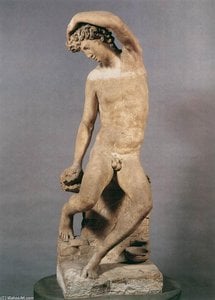
St sebastian

 Περισσότερα λεπτομέρεια
Αγοράστε μια ψηφιακή εικόνα υψηλής ανάλυσης και βελτιωμένης ποιότητας, πολύ ανώτερης από την προεπισκόπηση στο διαδίκτυο.
Κάθε αρχείο προετοιμάζεται σχολαστικά από τους εξειδικευμένους συνεργάτες μας, με τη χρήση προηγμένων εργαλείων και χειροκίνητου ρετουσαρίσματος υψηλής ακρίβειας. Εξασφαλίζουμε ότι κάθε εικόνα προσφέρει εξαιρετική ευκρίνεια, απόλυτη πιστότητα στο χρώμα και λεπτομερή ανάδραση των λεπτομερειών.
Το τελικό αρχείο παραδίδεται μέσω email εντός 72 ωρών, βελτιστοποιημένο για άμεση χρήση σε επαγγελματικά, εκδοτικά και έντυπα περιβάλλοντα. Πρόκειται για την ίδια ποιότητα που εμπιστεύονται κορυφαία studios σχεδιασμού, εκδότες και γκαλερί.
Ψηφιακή εικόνα
Κατεβάστε ένα αρχείο υψηλής ανάλυσης για προσωπική χρήση, εκτύπωση και δημιουργικά έργα. ( Μετάβαση σε Εκτυπώσεις Αγορά χειροποίητου πίνακα)
Περιλαμβάνεται σε κάθε αγορά ψηφιακής εικόνας
Επαγγελματική Ψηφιακή Παράδοση με Εγγύηση
Όταν επιλέγετε το ArtsDot.com, δεν αποκτάτε απλώς μια εικόνα – λαμβάνετε ένα επαγγελματικά αναβαθμισμένο ψηφιακό έργο τέχνης, δημιουργημένο με ακρίβεια και με εγγύηση ικανοποίησης. Δείτε όλα όσα περιλαμβάνονται στην παραγγελία σας, αυτόματα:

Άμεση αποστολή μέσω email
Το ψηφιακό σας αρχείο εικόνας υψηλής ανάλυσης θα σας σταλεί μέσω email εντός 72 ωρών από την παραγγελία σας — έτοιμο για άμεση χρήση.

Ψηφιακό Αρχείο με Τεχνητή Νοημοσύνη
Το έργο σας βελτιστοποιείται επαγγελματικά με τη χρήση προηγμένων εργαλείων Τεχνητής Νοημοσύνης και χειροκίνητης επεξεργασίας, εξασφαλίζοντας μέγιστη λεπτομέρεια, ευκρίνεια και ακρίβεια χρωμάτων.

Δωρεάν επανεκδόσεις مدى ζωής
Απώλησες ή διαγράψατε κατά λάθος το αρχείο σας; Μην ανησυχείτε — θα σας το ξαναστείλομε οποιαδήποτε στιγμή, δωρεάν.

Χωρίς Τελωνειακούς Φόρους - Ποτέ
Απολαύστε αμέσως τα έργα τέχνης σας χωρίς δασμούς, φόρους ή έξοδα αποστολής - οι ψηφιακές λήψεις είναι πάντα αφορεশিপτεία.

Εγγύηση Ακριβούς Χρωματισμού
Εξασφαλίζουμε ότι η ψηφιακή σας εικόνα αποτυπώνει τα αυθεντικά χρώματα όσο το δυνατόν πιστότερα, χρησιμοποιώντας επαγγελματικά εργαλεία και διαχείριση χρωμάτων.

Εγγύηση Ικανοποίησης 100 Ημερών
Εάν δεν είστε ικανοποιημένοι με την ψηφιακή σας εικόνα, θα την τροποποιήσουμε ή θα σας επιστρέψουμε το 100% εντός 100 ημερών - χωρίς κανένα ερώτημα.

100% Εγγύηση Επιστροφής Χρήματος
Δεν είστε ικανοποιημένοι; Λάβετε πλήρη επιστροφή των χρημάτων σας εντός 100 ημερών από τη λήψη του ψηφιακού σας αρχείου — χωρίς κανένα ερώτημα.

Εκπτώσεις σε μαζικές παραγγελίες
Αγοράστε 3 εικόνες, κάντε εξοικονόμηση 10% - Αγοράστε 5, κάντε εξοικονόμηση 15% - Αγοράστε 10+, κάντε εξοικονόμηση 20%. Ιδανικό για δημιουργικά έργα, γκαλερί και agencies.
Παρόμοια Έργα Τέχνης



Βιογραφικό Καλλιτέχνη
The Renaissance Spirit of Lucca: The Life of Matteo Civitale
In the heart of the Italian Renaissance, amidst the burgeoning cultural dynamism of Lucca, a singular talent emerged to bridge the worlds of stone and pigment. Matteo Civitale (c. 1436 – 1501) stands as a profound testament to the multifaceted artistic spirit of his era. While historical records suggest a life of surprising transitions—with some accounts even suggesting he practiced as a surgeon before dedicating himself fully to the chisel—his legacy is indelibly etched into the marble and wood of the Tuscan landscape. Born in Lucca on June 5, 1436, Civitale became a leading artistic personality of the Early Renaissance, embodying the humanist ideal of the polymath who masters both the physical and the aesthetic realms.
His formative years were shaped by the rigorous traditions of his hometown, yet his vision was expanded through essential training in Florence. It was there that he encountered the transformative styles of Antonio Rossellino and Mino da Fiesole, masters whose delicate handling of form and classical grace would deeply inform his mature style. This exposure to Florentine innovation allowed Civitale to infuse his work with a sophisticated elegance that transcended local boundaries, blending the sturdy traditions of Lucchese craftsmanship with the burgeoning anatomical precision and classical revival sweeping through Italy.
A Mastery of Form: Sculpture and the Human Soul
Civitale’s true renown rests upon his extraordinary ability to breathe life into inanimate matter. As a sculptor, he was perhaps the most significant marble artist working outside of Florence during the latter half of the fifteenth century. His work is characterized by a remarkable textural detail and an ability to capture the profound emotional depth of his subjects. One of his most poignant achievements is the wooden sculpture of St. Sebastian, currently housed in the Palermo Cathedral. This piece exemplifies his mastery of carving, utilizing painstaking techniques to create a sense of physical presence and spiritual vulnerability. The figure reflects the influence of Flemish sculptural traditions, where meticulous detail serves to heighten the viewer's emotional connection to the divine.
Beyond the monumental, Civitale possessed a keen eye for the subtle nuances of human expression. His sculptures often reflect the humanist preoccupation with moral virtue and spiritual contemplation. Whether working in the enduring strength of marble or the warmer, more organic medium of wood, his hands sought to translate the complexities of the human condition into permanent form. This dedication to capturing the essence of his subjects—be they saints or civic patrons—ensured that his work functioned not merely as decoration, but as a profound dialogue between the earthly and the eternal.
The Elusive Brush: Painting and Architectural Legacy
While history primarily remembers him as a master of sculpture, Civitale’s artistic reach extended into the delicate realms of painting and even engineering. His painting career, though more elusive and often collaborative, reveals an artist capable of great versatility. The discovery of historical contracts has illuminated his work on altarpieces, such as the triptych for the church of San Michele di Antraccoli, where he worked alongside the Florentine painter Baldassarre di Biagio. In works like the Madonna and Child with Saints, one can observe a profound reverence for the masters of the past; his painted figures often echo the iconic strength of Donatello’s sculptures, showcasing a seamless integration of his sculptural sensibilities into the medium of oil and tempera.
The breadth of Civitale's contribution to the Renaissance cannot be measured by a single medium alone. His intellect and technical skill led him to engage with architecture and engineering, further cementing his role as a vital figure in the reconstruction of the classical world. His life’s work represents a harmonious convergence of several key artistic elements:
- Versatility: The rare ability to move between the heavy demands of marble carving and the delicate precision of portrait painting.
- Humanism: A dedication to portraying the dignity, emotion, and spiritual depth of the human figure.
- Cultural Synthesis: The blending of local Lucchese traditions with the high-style innovations of Florentine masters.
- Enduring Legacy: A body of work that remains a cornerstone of Early Renaissance art in Italy.
Ultimately, Matteo Civitale was more than a craftsman; he was an architect of the Renaissance spirit. Through his hands, the stone became flesh, and the wood became a vessel for the divine, leaving behind a legacy that continues to inspire awe in all who encounter the quiet strength of his creations.

matteo civitale
1436 - 1501 , Italy
Συνοπτικά στοιχεία
- Artistic Movement Or Style: Renaissance
- Date Of Birth: Lucca, Italy (1436)
- Date Of Death: 1501
- Full Name: Matteo Civitale
- Nationality: Italian
- Notable Artworks:
- St Sebastian
- Untitled
- Place Of Birth: Lucca