

 Προεπισκόπηση
 Αποστολή
 Κοινοποίηση
 Λεπτομέρειες

 Λήψη
Λήψη
 Παρόμοια έργα
 Ακτινογραφία
 Παρουσίαση
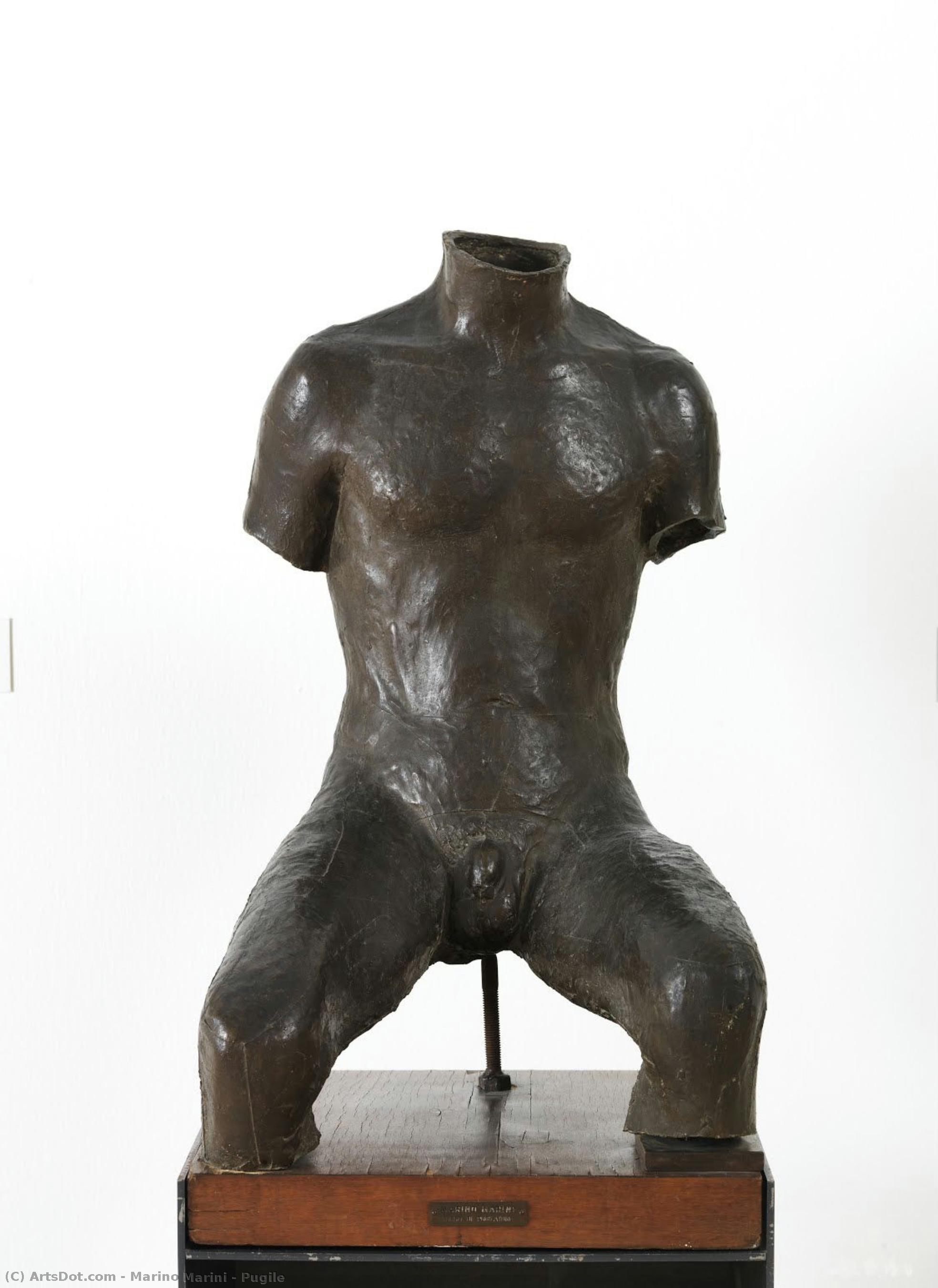
Pugile
 Contemporary Realism
 50.0 x 82.0 cm
 Περισσότερα λεπτομέρεια
Χειροποίητη Αναπαραγωγή σε Έλαιο
Χειροποίητη α óleo σε καμβά στο δικό σας μέγεθος και πλαίσιο, κατά παραγγελία από τους καλλιτέχνες μας. ( Αγορά εκτύπωσης Αγορά εικόνας)




































Επιλέξτε από τις προκαθορισμένες διαστάσεις μας που διατηρούν τις αρχικές αναλογίες του έργου τέχνης.

Μπορείτε να εισάγετε δικές σας διαστάσεις για να ταιριάξετε το έργο με ένα συγκεκριμένο πλαίσιο ή χώρο. Εάν το επιλεγμένο μέγεθος δεν συμπίπτει με τις αναλογίες της αρχικής εικόνας, θα περικοψούμε το έργο τέχνης ή θα επεκτείνουμε τη ζωγραφιά με πρόσθετα χειρόγραφα στοιχεία. Ένα ψηφιακό προσχέδιο θα σας σταλεί για έγκριση πριν την έναρξη της παραγωγής.
Παρακαλούμε σημειώστε ότι η προεπισκόπηση στην οθόνη δεν αντικατοπτρίζει την πραγματική περικοπή ή επέκταση. Μόνο το προσχέδιο θα δείξει με ακρίβεια την τελική σύνθεση.
Παρόλο που είναι διαθέσιμα προσαρμοσμένα μεγέθη, συνιστούμε να επιλέξετε μια διάσταση από τη λίστα των προκαθορισμένων μεγεθών για τη διατήρηση των αρχικών αναλογιών.
Μετά την παραγγελία, η ομάδα του ArtsDot.com θα στείλει email στον πελάτη για οδηγίες και θα παρέχει μια προεπισκόπηση προσχεδίου
Παγκόσμια Αποστολή () σε 3/4 εβδομάδες αντί για τις συνήθεις 5 εβδομάδες. (13 Αύγουστος). Χωρίς συμβιβασμούς στην ποιότητα.

Δωρεάν Παγκόσμια Αποστολή Express

Κάμβας από Λινό Υψηλής Ποιότητας

Πλήρης ασφάλιση μεταφοράς

Εγγύηση Επιστροφής Δασμών και Φόρων

Εγγύηση Απόλυτης Ομοιότητας Χρωμάτων

Πολιτική Επιστροφής 60 Ημερών (Μόνο σε περίπτωση ελαττωμάτων)

Εγγύηση επιστροφής 100% των χρημάτων

Έκπτωση για πολλαπλές παραγγελίες
 Η επιλογή με γυαλί είναι διαθέσιμη μόνο για μεγέθη κάτω από 110 εκ.

Pugile
Τεχνική Αναπαραγωγής
Διαστάσεις Αναπαραγωγής
-


Τελική Τιμή
$ 263
Παρόμοια Έργα Τέχνης


Βιογραφία Καλλιτέχνη
Marino Marini: Sculptor of Myth and Modernity
Marino Marini (1901 – 1980) stands as a pivotal figure in Italian sculpture of the mid-twentieth century, blending classical inspiration with an uncompromising exploration of human form and emotion. Born in Rome, Marini’s artistic journey began formally at the Accademia di Belle Arti Firenze, where he honed his skills before dedicating himself primarily to sculpting around 1922—a commitment that would define his career and solidify his reputation as a master craftsman. His formative years were profoundly shaped by Arturo Martini, whose sculptural style – characterized by dynamic poses and expressive musculature – served as a cornerstone for Marini’s own artistic vision. Influenced deeply by Etruscan art, particularly its stylized depictions of figures and animals imbued with symbolic meaning, Marini sought to transcend mere representation, aiming instead for an embodiment of psychological depth and spiritual resonance. This fascination with antiquity fueled his stylistic choices and underpinned his enduring preoccupation with themes of heroism and primal instinct. Marini’s academic pursuits extended beyond sculpture; he became Professor at the Scuola d'Arte Villa Reale in Monza in 1929, maintaining this position until 1940. During these years, he cultivated connections with fellow artists like Massimo Campigli, Giorgio de Chirico, Alberto Magnelli and Filippo Tibertelli de Pisis—artists who engaged in dialogues about artistic experimentation and the role of art in confronting existential anxieties. Frequent visits to Paris allowed him to immerse himself in the avant-garde milieu of the time, fostering collaborations that broadened his creative horizons. Notably, he befriended Alberto Giacometti, Germaine Richier and Fritz Wotruba—artists who shared a similar commitment to exploring the human condition through figurative sculpture. The Second World War brought significant upheaval, forcing Marini into exile in Switzerland where he continued to exhibit his work and engage with influential contemporaries like Jean Arp, Max Beckmann, Alexander Calder, Lyonel Feininger and Jacques Lipchitz. His artistic output during this period reflected the anxieties of the era while simultaneously reaffirming his stylistic convictions. He received acclaim for his contribution to ‘The Twentieth Century Italian Art’ exhibition at MoMA in New York City in 1944 and was honored with the Feltrinelli Prize at the Accademia dei Lincei in Rome in 1954—recognitions that underscored his stature within the international art community. Marini's sculptural achievements reached their zenith during the Venice Biennale of 1952, securing him the Grand Prize for Sculpture and cementing his legacy as one of Italy’s foremost sculptors. His work continued to evolve throughout his life, exploring variations on themes of movement and gesture—a stylistic hallmark that distinguishes his oeuvre from many of his peers. He was awarded the prestigious Premio Nazionale della Scultura in 1954. A solo exhibition at the Kunstverein Hamburg and Haus der Kunst Munich further cemented his reputation as a visionary artist. His enduring influence can be seen in the work of subsequent generations of sculptors who embraced Marini’s stylistic innovations and philosophical concerns. He passed away peacefully in Milan in 1980, leaving behind an impressive body of sculptural masterpieces that continue to captivate audiences worldwide.
Marino Marini
1901 - 1980
Σημαντικά στοιχεία
- Artistic Movement Or Style: Etruscan & Martini Style
- Artists Or Movements Influenced By This Artist:
- Jean arp
- Max beckmann
- Alberto giacometti
- Artists Who Influenced This Artist: ['Arturo Martini']
- Date Of Birth: 1901
- Date Of Death: 1980
- Full Name: Marino Marini
- Nationality: Italian
- Notable Artworks:
- Horse and Rider
- Composizione, (1956)
- Untitled (2)
- Place Of Birth: Italy
Σχετικά Άρθρα

Umberto Boccioni: Dynamism, Futurist Ideals & the Evolution of Modern Sculpture
Explore the revolutionary art of Umberto Boccioni, a leading figure of Futurism. Discover his iconic sculptures & paintings, and delve into the movement's impact on modern art history with ArtsDot.

The Enduring Legacy of Bronze Sculpture: Technique, Symbolism & Cultural Impact
Explore the rich history & enduring appeal of bronze sculpture with expert insights for collectors. Learn about casting techniques, iconic artists, collecting tips & contemporary interpretations at ArtsDot.

Η Διαχρονική Κληρονομιά της Χάλκινης Γλυπτικής: Ιστορία, Τεχνικές & Σύγχρονες Ερμηνείες
Εξερευνήστε την ιστορία και τις τεχνικές της χάλκινης γλυπτικής, από την αρχαιότητα έως τη σύγχρονη τέχνη. Συμβουλές για συλλέκτες και επενδυτές. Ανακαλύψτε την διαχρονική αξία του μπρούτζου.

The Enduring Legacy of Bronze Sculpture: A Collector's Guide to Form & Cultural Significance
Explore the rich history & enduring appeal of bronze sculpture with expert insights for collectors at ArtsDot. Learn about casting techniques, iconic artists, and collecting tips to build a discerning art collection.

Οι 10 Κορυφαίοι Χάλκινοι Θρύλοι που Άλλαξαν την Τέχνη – Έμπνευση για το Σπίτι σας
Ανακαλύψτε τα 10 θρυλικά χάλκινα γλυπτά που επαναπροσδιόρισαν την τέχνη! Ιστορίες από Rodin, Degas & άλλους μεγάλους καλλιτέχνες. Βρείτε αναπαραγωγές υψηλής ποιότητας για να εμπνεύσετε το σπίτι σας. Εξερευνήστε τη συλλογή στο ArtsDot.com.

