

 Δείτε σε πραγματικό χώρο
 Αποστολή
 Κοινοποίηση
 Λεπτομέρειες

 Λήψη
Λήψη
 Παρόμοια αντικείμενα συλλογής
 Ακτινογραφία
 Παρουσίαση
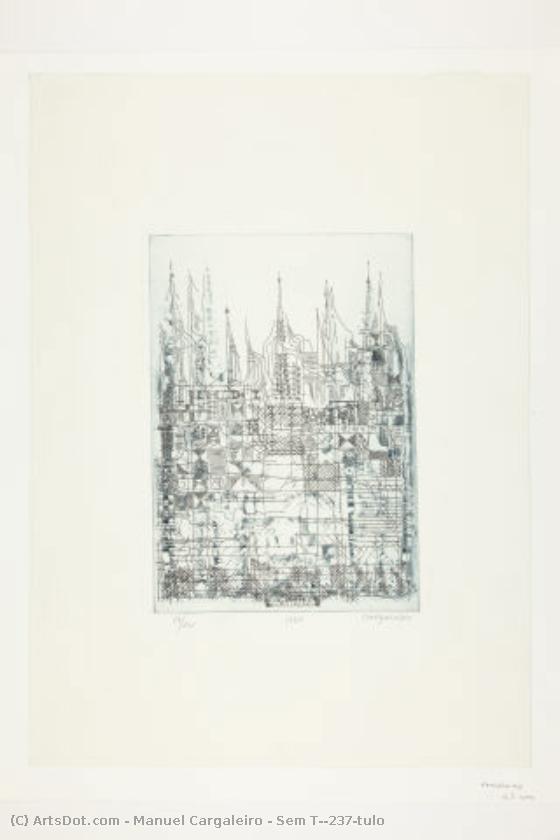
Sem Título
 Surrealism
 1982
1982 67.0 x 49.0 cm
 Μουσείο Γουλμπενκίας
 Διαβάστε περισσότερα
Χειροποίητη Αναπαραγωγή σε Έλαιο
Χειροποίητη oil painting σε καμβά στο δικό σας μέγεθος και πλαίσιο, κατά παραγγελία από τους καλλιτέχνες μας. ( Αγορά εκτύπωσης Αγορά ψηφιακής εικόνας)




































Επιλέξτε από τις προκαθορισμένες διαστάσεις μας που διατηρούν τις αρχικές αναλογίες του έργου τέχνης.

Μπορείτε να ορίσετε δικές σας διαστάσεις ώστε το έργο να ταιριάζει σε ένα συγκεκριμένο πλαίσιο ή χώρο. Εάν το επιλεγμένο μέγεθος δεν συμπίπτει με τις αναλογίες της αρχικής εικόνας, θα περικοψούμε το έργο ή θα επεκτείνουμε τη ζωγραφιά με πρόσθετα χειρόγραφα στοιχεία. Ένα ψηφιακό προσχέδιο θα σας αποσταλεί για έγκριση πριν την έναρξη της παραγωγής.
Παρακαλούμε σημειώστε ότι η προεπισκόπηση στην οθόνη δεν αντικατοπτρίζει την πραγματική περικοπή ή επέκταση. Μόνο το προσχέδιο θα δείξει με ακρίβεια την τελική σύνθεση.
Παρόλο που είναι διαθέσιμα προσαρμοσμένα μεγέθη, συνιστούμε να επιλέξετε μια διάσταση από τη λίστα των προκαθορισμένων μεγεθών για τη διατήρηση των αρχικών αναλογιών.
Μετά την παραγγελία, η ομάδα του ArtsDot.com θα στείλει email στον πελάτη με οδηγίες και θα παρέχει μια προεπισκόπηση προσχεδίου
Παγκόσμια Αποστολή () σε 3-4 εβδομάδες αντί για τις συνήθεις 5 εβδομάδες. (19 Αύγουστος). Χωρίς συμβιβασμούς στην ποιότητα.

Δωρεάν γρήγορη διεθνής αποστολή

Κάμβας από Λινό Υψηλής Ποιότητας

Πλήρης ασφάλιση μεταφοράς

Εγγύηση Επιστροφής Δασμών και Φόρων

Εγγύηση Απόλυτης Ομοιότητας Χρωμάτων

Πολιτική Επιστροφής 60 Ημερών (Μόνο σε περίπτωση ελαττωμάτων)

Εγγύηση επιστροφής 100% των χρημάτων

Προσφορά για μαζικές παραγγελίες
 Η επιλογή με γυαλί είναι διαθέσιμη μόνο για μεγέθη κάτω από 110 εκ.

Sem Título
Μέσο Αναπαραγωγής
Διαστάσεις Αναπαραγωγής
-


Συνολική Τιμή
$ 263
Σχετικά Έργα Τέχνης


![Abstract Composition [triptych] — Vaclav Vytlacil, Abstract Expressionism](/media/artworks/images/thumbnails/e5/3d/e53db42ea02644b9a8e722f9d4dd3742.jpg)
Βιογραφία Καλλιτέχνη
The Soul of Geometry: The Artistic Odyssey of Manuel Cargaleiro
In the vast tapestry of twentieth-century art, few threads are as vibrant or as structurally profound as those woven by Manuel Cargaleiro. Born in 1927 in the serene landscape of Vila Velha de Ródão, Portugal, Cargaleiro emerged not from the rigid confines of formal academies, but as a brilliant autodidact, a self-taught visionary who allowed his intuition to guide his brush and clay. His journey was one of constant metamorphosis, moving between the tactile earthiness of ceramics and the ethereal expansiveness of painting. To look upon his work is to witness a dialogue between the ancient traditions of the Iberian Peninsula and the cutting-scale abstractions of the modern era, a seamless blend where the weight of history meets the lightness of geometric thought.
Cargaleiro’s artistic language was deeply rooted in the azulejo—the iconic Portuguese ceramic tiles that carry the echoes of Arab craftsmanship. However, he did not merely replicate tradition; he revolutionized it. By treating the tile as a modular unit of a much larger, dynamic composition, he transformed static surfaces into breathing landscapes of color and form. This fascination with the decorative arts was balanced by his profound engagement with the École de Paris. Settling in France in 1957, he found himself immersed in an atmosphere of avant-garde experimentation. The works of masters such as Robert Delaunay, Max Ernst, Victor Vasarely, and Paul Klee acted as celestial guides, teaching him how to utilize primary colors and geometric modules to suggest movement, depth, and a rhythmic pulse within a two-dimensional plane.
A Legacy Carved in Clay and Color
The true magic of Cargaleiro’s oeuvre lies in his ability to evoke spatial dynamism through simplified shapes. His compositions often feel as though they are in a state of perpetual motion, where a single line or a bold block of color can trigger a sense of cosmic expansion. This mastery of lyrical abstraction allowed him to communicate complex emotional truths through the most fundamental visual elements. Whether he was working on large-scale frescoes—such as his celebrated contribution to the Champs-Elysées Clémenceau subway station in Paris—or intimate etchings, his dedication to the interplay of light and geometry remained unwavering.
His achievements were recognized far beyond the borders of Portugal, earning him prestigious decorations and honors across France and Italy. His life’s work was not merely a collection of objects, but an institutional legacy, evidenced by the Foundation-Museum Manuel Cargaleiro, which stands as a testament to his generosity and his commitment to preserving the art of ceramics. As we reflect on his passing in June 2024, we see an artist who successfully bridged the gap between the artisanal and the avant-garde, leaving behind a world that is infinitely more colorful, structured, and profound.
Key Milestones of His Career:
- Self-Taught Beginnings: Developed a unique aesthetic through personal exploration and observation.
- Mastery of Azulejo: Elevated Portuguese ceramic tile art into a sophisticated medium for modern abstraction.
- Parisian Influence: Integrated the principles of the École de Paris, focusing on spatial dynamism and primary color palettes.
- Public Artistry: Created monumental works, including iconic frescoes for the Paris Metro.
- Institutional Impact: Established a lasting legacy through the creation of museums and foundations dedicated to ceramic excellence.

Manuel Cargaleiro
1927 - , Portugal
Γρήγορα στοιχεία
- Artistic Movement Or Style: Geometric abstraction
- Artists Or Movements Influenced By This Artist: ['École de Paris']
- Artists Who Influenced This Artist:
- Delaunay
- Ernst
- Vasarely
- Klee
- Date Of Birth: 1927
- Full Name: Manuel Cargaleiro
- Nationality: Portuguese
- Notable Artworks:
- Sem Título
- Estudo Raionista
- Paisagem do meu Jardim
- Place Of Birth: Vila Velha de Ródão, Portugal
Σχετικά άρθρα

Οι 10 Κορυφαίοι Δάσκαλοι της Χαρακτικής που Άλλαξαν την Τέχνη για Πάντα | ArtsDot
Ανακαλύψτε τα 10 αριστουργήματα της χαρακτικής που καθόρισαν την τέχνη! Rembrandt, Goya & Dürer: ιστορίες τεχνικής και έμπνευσης. Βρείτε αναπαραγωγές υψηλής ποιότητας για τον χώρο σας στο ArtsDot.com

Top 10 Έργα που καθόρισαν τον Αφηρημένο Εκφρασισμό | ArtsDot.gr
Ανακαλύψτε τα 10 εμβληματικά έργα που καθόρισαν τον Αφηρημένο Εκφρασισμό! Jackson Pollock, Mark Rothko & άλλοι. Ιστορίες, τεχνικές και έμπνευση για τη διακόσμηση του σπιτιού σας με πίνακες υψηλής ποιότητας. Εξερευνήστε την πλήρη συλλογή στο ArtsDot.com

Etching: A Historical Survey of Technique, Aesthetic Qualities & Enduring Artistic Significance
Explore the rich history of etching, from its origins to Rembrandt's masterful innovations. Discover the technique, aesthetic qualities & enduring legacy of this captivating art form. Expert insights for collectors and enthusiasts.

Γεωμετρική Αφαίρεση: 10 Έργα που Άλλαξαν την Τέχνη | ArtsDot.gr
Ανακαλύψτε τα 10 κορυφαία έργα της Γεωμετρικής Αφαίρεσης! Μοντριάν, Καντίνσκι & άλλοι. Ιστορίες, τεχνικές και έμπνευση για τη διακόσμηση του σπιτιού σας. Βρείτε αναπαραγωγές υψηλής ποιότητας στο ArtsDot.com.

The Intricate World of Etching: A Historical Survey of Technique, Aesthetic Evolution, and Enduring Artistic Impact
Explore the rich history of etching, from its origins to modern practice. Discover techniques, key artists like Rembrandt, and insights for collectors. A comprehensive guide by ArtsDot.

