

 Αποστολή
 Κοινοποίηση
 Λεπτομέρειες

 Λήψη
Λήψη
 Παρόμοια έργα
 Παρουσίαση
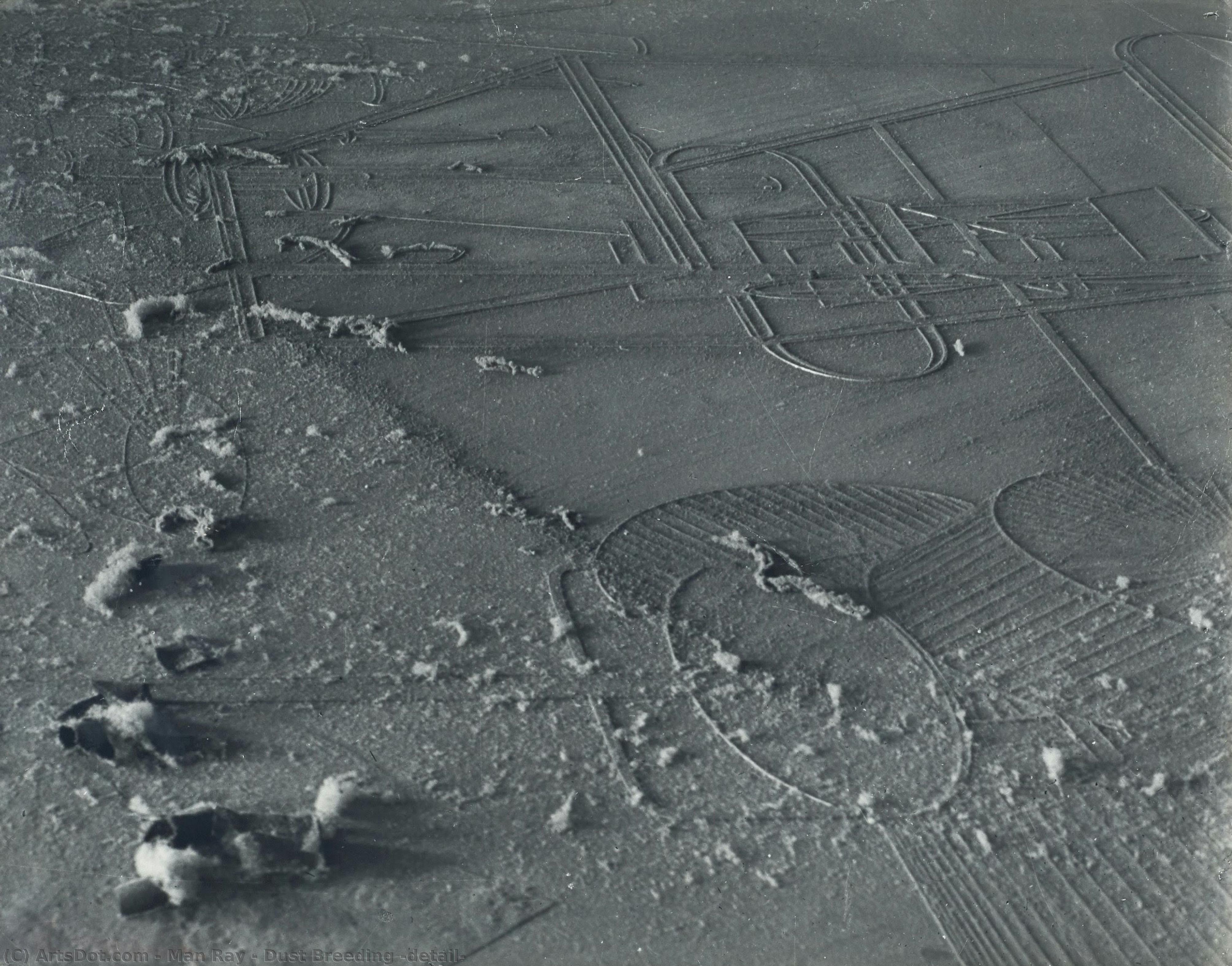
Dust Breeding (detail)


 Περισσότερα λεπτομέρεια
Giclée / Εκτυπώσεις Τέχνης
Εκτύπωση giclée ή σε καμβά ποιότητας μουσείου με γρήγορη παραγωγή και ευέλικτες επιλογές φινιρίσματος. ( Αγορά χειροποίητου πίνακα Αγορά εικόνας)




































Επιλέξτε από τις προκαθορισμένες διαστάσεις μας που διατηρούν τις αρχικές αναλογίες του έργου τέχνης.

Μπορείτε να εισαγάγετε δικές σας διαστάσεις ώστε να ταιριάξουν με ένα συγκεκριμένο πλαίσιο ή χώρο. Εάν το επιλεγμένο μέγεθος δεν συμπίπτει με τις αναλογίες της πρωτότυπης εικόνας, θα κόψουμε το έργο τέχνης ή θα επεκτείνουμε την εικόνα με καθρεφτισμένη ή μονόχρωμη ατέλεια. Θα σας αποσταλεί ένα ψηφιακό mockup για έγκρισή σας πριν από την έναρξη της παραγωγής.
Παρακαλούμε σημειώστε ότι η προεπισκόπηση στην οθόνη δεν αντικατοπτρίζει την πραγματική κοπή ή επέκταση. Μόνο το mockup θα δείξει με ακρίβεια την τελική σύνθεση.
Παρόλο που είναι διαθέσιμες προσαρμοσμένες διαστάσεις, προτείνουμε την επιλογή μιας διάστασης από τη προκαθορισμένη λίστα για τη διατήρηση των αρχικών αναλογιών.
Παγκόσμια Αποστολή () σε 2 εβδομάδες αντί για τις συνήθεις 4/5 εβδομάδες. (14 Αύγουστος)

Δωρεάν γρήγορη διεθνής αποστολή

Κάμβας από Λινό Υψηλής Ποιότητας

Πλήρης ασφάλιση μεταφοράς

Εγγύηση Επιστροφής Δασμών και Φόρων

Εγγύηση Απόλυτης Ομοιότητας Χρωμάτων

Πολιτική Επιστροφής 60 Ημερών (Μόνο σε περίπτωση ελαττωμάτων)

Εγγύηση επιστροφής 100% των χρημάτων

Προσφορά για μαζικές παραγγελίες
 Η επιλογή με γυαλί είναι διαθέσιμη μόνο για μεγέθη κάτω από 110 εκ.

Dust Breeding (detail)
Giclée / Εκτυπώσεις Τέχνης
Διαστάσεις Αναπαραγωγής
-


Συνολική Τιμή
$ 62
Περιγραφή Συλλεκτικού Αντικειμένου
Dust Breeding (detail): A Surrealist Landscape of Absence
The photograph captures a striking detail from Man Ray’s seminal painting “Dust Breeding,” executed in 1920, and immediately establishes itself as an emblem of Surrealist aesthetics. More than just a depiction of arid terrain—a desolate expanse punctuated by a solitary car—the image embodies Duchamp's conceptual exploration of materiality and decay, reflecting the anxieties of the postwar era. It’s a piece that invites contemplation on themes of isolation, transformation, and the ephemeral nature of existence.- Composition & Perspective: Shot from an elevated vantage point, the photograph prioritizes breadth over intimacy, mirroring the expansive scale of Duchamp's Large Glass. The cropped composition subtly directs the viewer’s gaze across the sandy landscape, emphasizing its emptiness and highlighting the car as a central focal point—a jarring intrusion into this otherwise untouched environment.
- Color Palette & Texture: Entirely monochromatic in shades of gray, “Dust Breeding” underscores the importance of texture above all else. The grainy surface of the sand convincingly simulates the accumulation of dust over time, mirroring Duchamp’s deliberate process of layering materials to create his masterpiece. This restrained palette amplifies the photograph's emotional impact, conveying a sense of melancholy and quiet contemplation.
- Line & Form: Dominant lines originate from the scattered footprints traversing the sand, curving organically across the image and subtly guiding the viewer’s eye. The car’s edges provide geometric counterpoints to these natural forms, representing modernity's intrusion into the primal landscape.
- Lighting & Depth: Diffused lighting casts soft shadows that accentuate the textural nuances of the sand, fostering a feeling of stillness and reinforcing the photograph’s contemplative mood. Variations in tone contribute to spatial depth, subtly diminishing the car’s prominence as it recedes into the background.
Παρόμοια Έργα Τέχνης


Βιογραφία Καλλιτέχνη
A Life Illuminated by Shadows
Emmanuel Radnitzky, a name forever intertwined with the enigmatic “Man Ray,” was born in Philadelphia in 1890 into a family of Russian Jewish immigrants. His early life, steeped in the vibrant energy of New York City, proved to be a crucible for his artistic development—a melting pot of European avant-garde influences and the raw, burgeoning spirit of American modernity. From a young age, Ray demonstrated an innate fascination with visual expression, initially drawn to architecture and engineering before ultimately dedicating himself wholeheartedly to the world of art. This early exposure to diverse disciplines – from drafting blueprints to studying Renaissance masterpieces – instilled in him a unique perspective, one that would later inform his groundbreaking approach to photography and painting. The family’s move to Brooklyn provided access to burgeoning artistic circles, exposing Ray to the revolutionary ideas circulating within the city's galleries and studios.Dada, Surrealism, and the Birth of a New Vision
Man Ray’s artistic trajectory took an extraordinary turn in 1915 with his encounter with Marcel Duchamp in New York. This meeting ignited a shared passion for dismantling conventional notions of art—a rebellious spirit that propelled him directly into the heart of the Dada movement. Dada, born from the disillusionment following World War I, was a radical anti-art protest, rejecting established values and embracing chance, absurdity, and irony. Ray quickly became a key figure within this volatile group, participating in its theatrical performances and contributing to its provocative publications. He embraced Duchamp’s exploration of “ready-mades”—ordinary manufactured objects elevated to the status of art—demonstrating a willingness to challenge the very definition of what constituted artistic creation. This period was marked by experimentation with unconventional materials and techniques, reflecting Dada's core philosophy of rejecting traditional constraints. Ray’s involvement in the Société Anonyme, a pioneering museum dedicated to modern art, further solidified his position within the avant-garde scene.The Alchemy of Light: Rayographs and Photographic Innovation
It was during this time that Man Ray stumbled upon what would become his most enduring contribution to the world of photography: the rayograph. Driven by a desire to move beyond the limitations of traditional cameras, he began experimenting with placing objects directly onto light-sensitive paper and exposing them to light—a process that yielded ethereal, ghostly images unlike anything previously seen. These “rayographs,” as he termed them, weren’t mere reproductions; they were entirely new forms of visual expression, capturing a sense of mystery and abstraction through the manipulation of light and shadow. Ray's innovative approach bypassed the camera lens altogether, stripping away the illusion of objectivity and revealing the inherent subjectivity of the photographic process. He didn’t aim to represent reality faithfully but rather to evoke feelings and sensations—a testament to his artistic vision. His early rayographs, published in 1922, were met with immediate acclaim, establishing him as a pioneer in the field of experimental photography.Portraits of the Psyche: Surrealism and Beyond
Man Ray’s artistic explorations didn't end with rayographs; he continued to push the boundaries of his craft throughout his career. His involvement with the Surrealist movement, led by André Breton, further expanded his creative horizons. Surrealism sought to unlock the power of the unconscious mind, exploring dreams, fantasies, and irrationality. Ray embraced this approach, creating hauntingly beautiful portraits that captured a sense of psychological depth and ambiguity. He employed techniques such as solarization—a process that reverses the tones of a photograph—to create dramatic effects and heighten the surreal quality of his images. His portraits of Lee Miller, a fellow artist and muse, are particularly renowned for their arresting compositions and evocative atmosphere. Beyond photography, Ray also ventured into filmmaking, producing experimental films like *Le Retour à la Raison* (1923) that defied conventional narrative structures and explored themes of memory, desire, and the subconscious.A Lasting Legacy
Man Ray’s influence extends far beyond his own lifetime. His innovative techniques—rayography, solarization, and his approach to portraiture—continue to inspire photographers today. He remains a pivotal figure in the history of Surrealism, shaping its visual language and influencing countless artists across various disciplines. His experimental films paved the way for future generations of avant-garde filmmakers, demonstrating the power of unconventional storytelling techniques. Even his fashion photography – characterized by its striking compositions and psychological depth – has had a lasting impact on the industry. Man Ray’s unwavering commitment to artistic freedom and his relentless pursuit of the impossible cemented his place as a true pioneer—an artist who forever altered our perception of art, reality, and the possibilities of visual expression. His legacy is not simply one of technical innovation but also of a profound spirit of creative exploration.
Μαν Ρέι
1890 - 1976 , Ηνωμένες Πολιτείες της Αμερικής
Γρήγορα στοιχεία
- Artistic Movement Or Style: Δαδεϊσμός, Σουρεαλισμός
- Artists Or Movements Influenced By This Artist: ['Σουρεαλισμός']
- Artists Who Influenced This Artist: ['Marcel Duchamp']
- Date Of Birth: 27 Αυγ 1890
- Date Of Death: 18 Νοε 1976
- Full Name: Emmanuel Radnitzky
- Nationality: Αμερικανός
- Notable Artworks:
- Rayographs
- Επιστροφή στη Λογική
- Η Ασημένια Νεφέλη
- Place Of Birth: Φιλαδέλφεια, ΗΠΑ
Σχετικά άρθρα

Giclée Prints: Archival Quality & Aesthetic Nuances for the Discerning Collector
Explore the world of giclée prints with ArtsDot. Learn about archival quality, aesthetic nuances & investment potential. Expert guidance for discerning art collectors seeking museum-quality reproductions and lasting value.

Οι 10 πιο διάσημοι πίνακες με κυρίαρχο το μαύρο χρώμα | ArtsDot.gr
Ανακαλύψτε τους 10 πιο διάσημους πίνακες με κυρίαρχο το μαύρο χρώμα! Από Rembrandt και Goya, εξερευνήστε την ιστορία, τις τεχνικές & τα συναισθήματα που κρύβουν αυτά τα αριστουργήματα. Βρείτε αναπαραγωγές υψηλής ποιότητας στο ArtsDot.com.

The Enduring Legacy of Fine Art Prints: Technique, History & Aesthetic Impact
Explore the rich history & techniques of fine art prints. Discover investment potential, assess authenticity, and learn how to preserve your collection with expert guidance. Trusted insights for discerning collectors.

Echoes of Time: Exploring the Enduring Appeal & Historical Context of Vintage Art Prints
Explore the captivating world of vintage art prints! Discover their history, collecting tips & enduring appeal. Expert insights on chromolithography and building a legacy collection with ArtsDot.

Οι 10 πιο διάσημοι πίνακες με κυρίαρχο το 'Ασπρομαύρο': Ιστορία, Τέχνη & Διακόσμηση
Ανακαλύψτε τους 10 πιο διάσημους πίνακες με κυρίαρχο το ασπρόμαυρο! Ιστορίες τέχνης, τεχνικές ζωγραφικής & η διαχρονική αξία των αριστουργημάτων. Βρείτε αναπαραγωγές υψηλής ποιότητας στο ArtsDot.com.


