


 Προεπισκόπηση
 Αποστολή
 Κοινοποίηση
 Λεπτομέρειες
 Οδηγός

 Λήψη
Λήψη
 Παρόμοια αντικείμενα συλλογής
 Ακτινογραφία
 Παρουσίαση
 Στατιστικά
Boats


 Περισσότερα λεπτομέρεια
Giclée / Εκτυπώσεις Τέχνης
Εκτύπωση giclée ή σε καμβά ποιότητας μουσείου με γρήγορη παραγωγή και ευέλικτες επιλογές φινιρίσματος. ( Αγορά χειροποίητου πίνακα Μετάβαση σε Ψηφιακή Εικόνα)




P118B €10

P118H €10

P118W €10

P438Z €10

P508JH €12

P508YH €12

P805H €10

P805Z €10

P919BZ €10

P919G €10

P919XJ €10

P959ZH €10

P968JZ €12

W106C €8

W218G €10

W218JH €8

W218Y €10

W307PJ €10

W316G €10

W316PJ €8

W316Y €10

W398PJ €8

W4111J €10

W500HY €15

W500JH €15

W692G €12

W849H €8

W940BG €15

W953PJ €8




Επιλέξτε από τις προκαθορισμένες διαστάσεις μας που διατηρούν τις αρχικές αναλογίες του έργου τέχνης.

Μπορείτε να εισαγάγετε δικές σας διαστάσεις ώστε να ταιριάξουν με ένα συγκεκριμένο πλαίσιο ή χώρο. Εάν το επιλεγμένο μέγεθος δεν συμπίπτει με τις αναλογίες της πρωτότυπης εικόνας, θα κόψουμε το έργο τέχνης ή θα επεκτείνουμε την εικόνα με καθρεφτισμένη ή μονόχρωμη ατέλεια. Θα σας αποσταλεί ένα ψηφιακό mockup για έγκρισή σας πριν από την έναρξη της παραγωγής.
Παρακαλούμε σημειώστε ότι η προεπισκόπηση στην οθόνη δεν αντικατοπτρίζει την πραγματική κοπή ή επέκταση. Μόνο το mockup θα δείξει με ακρίβεια την τελική σύνθεση.
Παρόλο που είναι διαθέσιμες προσαρμοσμένες διαστάσεις, προτείνουμε την επιλογή μιας διάστασης από τη προκαθορισμένη λίστα για τη διατήρηση των αρχικών αναλογιών.
Παγκόσμια Αποστολή () σε 2 εβδομάδες αντί για τις συνήθεις 4/5 εβδομάδες. (13 Οκτώβριος)

Δωρεάν γρήγορη διεθνής αποστολή

Κάμβας από Λινό Υψηλής Ποιότητας

Πλήρης ασφάλιση μεταφοράς

Εγγύηση επιστροφής δασμών και φόρων εισαγωγής

Εγγύηση Απόλυτης Ομοιότητας Χρωμάτων

Πολιτική Επιστροφής 100 Ημερών (Μόνο σε περίπτωση ελαττωμάτων)

Εγγύηση επιστροφής 100% των χρημάτων

Έκπτωση για πολλαπλές παραγγελίες
 Η επιλογή με γυαλί είναι διαθέσιμη μόνο για μεγέθη κάτω από 110 εκ.

Boats
Giclée / Εκτυπώσεις Τέχνης
Διαστάσεις Αναπαραγωγής
-


Συνολικό Κόστος
€ 53
A Symphony of Geometry: Reimagining Feininger's Boats
In the vast landscape of early twentieth-century modernism, few works capture the rhythmic pulse of movement and light as elegantly as Lyonel Feininger’s Boats. Painted in 1917, this masterpiece serves as a breathtaking bridge between the whimsical precision of graphic illustration and the profound structural depth of Cubism. At first glance, the viewer is greeted by a serene maritime scene, yet upon closer inspection, the water and vessels dissolve into a mesmerizing dance of geometric planes. Feininger, a master who could just as easily navigate the sharp lines of a comic strip as the ethereal complexities of Expressionism, uses this piece to invite us into a world where reality is fragmented, yet harmoniously reconstructed through the lens of color and form.
The composition is a masterful study in perspective and spatial layering. Several sailboats, varying in scale, drift across a canvas dominated by deep, evocative blues. Some vessels appear anchored in the foreground, their sails catching the light with sharp, angular clarity, while others recede into a misty background, creating an illusion of infinite depth. This technique of multiple viewpoints—a hallmark of the Cubist movement—allows the eye to wander through the scene, experiencing the boats from several angles simultaneously. The presence of two subtle human figures, positioned near the edges of the frame, provides a sense of scale and a quiet, contemplative narrative, grounding the abstract geometry in a moment of lived experience.
The Intersection of Light and Structure
Technically, Boats is an extraordinary testament to Feininger’s ability to manipulate light as if it were a physical substance. The artist employs a palette that balances cool, aquatic tones with sudden, brilliant highlights that suggest the sun reflecting off a moving tide. His use of line is particularly noteworthy; there is a stained-glass quality to the way the shapes intersect, a precursor to his later, even more architectural works. Each stroke of oil on canvas contributes to a sense of dynamism, where the stillness of the water is constantly challenged by the sharp, energetic edges of the sails.
For the discerning collector or interior designer, this artwork offers much more than mere decoration. It provides a sophisticated focal point that embodies the intellectual rigor of the Cubist era while maintaining an emotional warmth. The painting’s ability to evoke both tranquility and motion makes it a versatile choice for modern spaces, particularly those seeking to introduce a sense of historical depth and avant-garde elegance. To possess a reproduction of Boats is to bring a piece of the Musée National d'Art Moderne into one's own sanctuary, offering a daily encounter with the transformative power of light, color, and geometric grace.
Ερωτήσεις & Απαντήσεις
Πώς συνδέονται μεταξύ τους τα χρώματα του "Boats";
Η χρωματική αρμονία του "Boats" καταγράφεται ως Strong Color Unity.
Προς ποιο καλλιτεχνικό ρεύμα ανήκει το έργο "Boats" του Λιονέλ Φαινίνγκερ;
Το καλλιτεχνικό ρεύμα που συνδέεται με το "Boats" του Λιονέλ Φαινίνγκερ είναι το Cubism. Αυτή η ταξινόμηση τοποθετεί το έργο ανάμεσα σε σχετικούς καλλιτέχνες και έργα τέχνης.
Πώς συνδυάζονται η αντίθεση και η αρμονία στο "Boats";
Στο "Boats", μια Serene αντίθεση συζευγνύεται με μια Strong Color Unity αρμονία.
Ποια εποχή της καριέρας του/της Λιονέλ Φαινίνγκερ αντιπροσωπεύει το έργο "Boats";
Το έργο "Boats" ανήκει στην περίοδο Transition to Cubism της καριέρας του Λιονέλ Φαινίνγκερ. Αυτή η ταξινόμηση συνδέει το έργο με την εξέλιξη του καλλιτέχνη.
Πόσοι άνθρωποι επισκέπτονται το "Boats";
Τα στατιστικά στοιχεία για το "Boats" του Λιονέλ Φαινίνγκερ βρίσκονται στη σελίδα Στατιστικά του έργου: μηνιαίες επισκέψεις του έργου, επισκέψεις των έργων του καλλιτέχνη, καθώς και κατανομή των πρόσφατων επισκεπτών ανά χώρα και γλώσσα.
Από ποια εποχή προέρχεται το "Boats";
Το έργο "Boats" του Λιονέλ Φαινίνγκερ ανήκει στην περίοδο Modern. Η συγκεκριμένη εποχή προσφέρει το ιστορικό πλαίσιο του έργου.
Ποιος δημιούργησε το "Boats" και σε ποια χρονιά;
Ο/Η Λιονέλ Φαινίνγκερ δημιούργησε το "Boats" το έτος 1917.
Πώς μπορώ να αποκτήσω ένα εκτύπωμα του "Boats" του Λιονέλ Φαινίνγκερ;
Για να αποκτήσετε ένα εκτύπωμα του "Boats" του Λιονέλ Φαινίνγκερ, απλά παραγγείλτε το από την αυτή η σελίδα: ένα εκτύπωμα fine art σε βαμβακερό καμβά ή σε αρχειοθετητικό χαρτί καμβά.
Παρόμοια Έργα Τέχνης


Βιογραφικό Καλλιτέχνη
Πρώιμα Χρόνια και Καριέρα: Από Καρικατουριστή σε Καλλιτέχνη Καλών Τεχνών
- Γέννηση και Οικογένεια: Ο Λιονέλ Τσάρλεσ Άντριον Φαινίνγκερ γεννήθηκε στις 17 Ιουλίου 1871, στη Νέα Υόρκη. Ο πατέρας του, Καρλ Φαινίνγκερ, ήταν ένας γερμανόαμερικανός βιολινίστας και συνθέτης, ενώ η μητέρα του, Ελίζαβεθ Φαινίνγκερ, ήταν Αμερικανίδα τραγουδίστρια. Αυτό το καλλιτεχνικό υπόβαθρο επηρέασε βαθύτατα την πρώιμη ανάπτυξή του.
- Πρώιμη Εκπαίδευση και Ευρωπαϊκές Περιπλανήσεις: Το 1887, στην ηλικία των 16 ετών, ο Φαινίνγκερ ταξίδεψε στην Ευρώπη για να σπουδάσει μουσική, αλλά σύντομα στράφηκε προς την τέχνη. Μελέτησε το σχέδιο στο Αμβούργο και στο Βερολίνο.
- Καριέρα στη Εμπορική Τέχνη: Από το 1894 και μετά, ο Φαινίνγκερ οικοδόμησε μια επιτυχημένη καριέρα ως καρικατουριστής για διάφορα γερμανικά, γαλλικά και αμερικανικά περιοδικά. Τα κόμικς του, όπως τα «The Kin-der-Kids» και «Wee Willie Winkie's World», κέρδισαν τεράστια δημοτικότητα και ανέδειξαν το μοναδικό του γραφικό στυλ.
- Μετάβαση στις Καλές Τεχνές: Μετά από μια περίοδο 20 ετών στην εμπορική τέχνη, ο Φαινίνγκερ στράφηκε στις καλές τέχνες κατά την ηλικία των 36 ετών. Αυτό αποτέλεσε ένα σημαντικό σημείο καμπής στο καλλιτεο του ταξιδιού του.
Εκφραστισμός και Η Επίδραση της Bauhaus
- ΕνταχθήΚε σε Εκφραστιστικές Ομάδες: Ο Φαινίνγκερ έγινε ένας κορυφαίος εκπρόσωπος του Εκφραστισμού, εντασσόμενος σε επιδραστικές ομάδες όπως η Die Brücke, η Novembergruppe και η Gruppe 1919. Το έργο του κατά αυτή την περίοδο αντικατόπτριζε την έμφαση της κίνησης στην συναισθηματική έκφραση και την υποκειμενική εμπειρία.
- Πρώτη Ατομική Έκθεση: Η πρώτη του ατομική έκθεση στη γκαλερί Sturm στο Βερολίνο (1917) ήταν μια καθοριστική στιγμή, που τον καθιέρωσε ως μια σημαντική προσωπικότητα στον κόσμο της τέχνης.
- Μάستερ της Bauhaus: Το 1919, ο Walter Gropius ανέθεσε στον Φαινίνγκερ τον ρόλο του πρώτου μέλους του διδακτικού σώματος στην Bauhaus, μια πρωτοποριακή σχολή τέχνης και σχεδιασμού. Εξυπηρέτησε ως ο καλλιτέχνης-μάστορας υπεύθυνος του εργαστηρίου κτελογραφίας, επηρεάζοντας σημαντικά πολυάριθμους μαθητές.
- Καλλιτεχνικό Στυλ: Το έργο του χαρακτηριζόταν από πρισματικά διακεκομμένα σχήματα, ημιδιαφανή χρώματα και αναφορές στην αρχιτεκτονική και τη θάλασσα, ευθυγραμμίζοντάς τον με τον κλασικό μοντερνισμό.
Σημαντικά Έργα και Καλλιτεχνική Εξέλιξη
- Πρώιμα Θαλάσσια Έργα: Κατά τη διάρκεια των καλοκαιρινών διακοπών στο νησί Usedom (1909-1918), ο Φαινίνγκερ δημιούργησε πολυάριθμα θαλάσσια έργα που απεικόνιζαν την Βαλτική Θάλασσα, αναδεικνύοντας την εξελισσόμενη αισθητική του.
- Διάσημα Έργα: Ανάμεσα στα σημαντικότερα έργα του περιλαμβάνονται το «Werder I» (υδατογραφία), το «Gaberndorf II» (χαρτί) και τα «Boats» (κυβισμός, λάδι σε καμβά). Αυτά τα κομμάτια αποτελούν παραδείγματα της μοναδικής του σύνθεσης εκφραστιστικών τεχνικών και αρχιτεκτονικών θεμάτων.
- Φωτογραφικά Έργα: Ανάμεσα στο 1928 και τα μέσα της δεκαετίας του 1950, ο Φαινίνγκερ δημιούργησε ένα σημαντικό σώμα φωτογραφικών έργων, αποδεικνύοντας την πολυμορφία του ως καλλιτέχνης.
- Μουσικές Συνθέσεις: Συνέθεσε επίσης αρκετά έργα για πιάνο και φυγές για organ, αποκαλύπτοντας μια άλλη πλευρά του καλλιτεχνικού του ταλέντου.
Τα Μετέπειτα Χρόνια και η Κληρονομιά
- Εμ immigrated στην Ηνωμένη Αμερική: Λόγω της άnsτης του Ναζιστικού Κόμματος το 1933, ο Φαινίντημεgrer μετανάστευσε στις Ηνωμένες Πολιτείες μαζί με τη σύζυγό του.
- Συνεχείς Καλλιτεχνική Δραστηριότητα: Συνέχισε να ζωγραφίζει και να δημιουργεί τέχνη σε όλη του τη ζωή, διατηρώντας ένα ιδιαίτερο και αναγνωρίσιμο στυλ.
- Θάνατος και Αναγνώριση: Ο Λιονέλ Φαινίνγκερ απεβίωσε στις 13 Ιανουαρίου 1956. Το έργο του άφησε μια αδιάλειπτη(indelible) σφραγίδα στον κόσμο της τέχνης, εμπνέοντας καλλιτέχνες και λάτρεις της τέχνης με τη μοναδική του ανάμειξη Εκφραστισμού, γραφικής πειραματικότητας και αρχιτεκτονικών θεμάτων.
- Ιστορική Σημασία: Ως κεντρική μορφή τόσο στον Εκφραστισμό όσο και στην κίνηση Bauhaus, οι συνεισφορές του Φαινίνγκερ διαμόρφωσαν σημαντικά την πορεία της μοντέρνας τέχνης. Η καινοτόμος χρήση του χρώματος, του σχήματος και της προοπτικής συνεχίζει να συγκινεί το κοινό μέχρι σήμερα.

Λιονέλ Φαινίνγκερ
1871 - 1956 , Ηνωμένες Πολιτείες Αμερικής
Στοιχεία καλλιτέχνη
- Artistic Movement Or Style: Εκφρατισμός
- Artists Or Movements Influenced By This Artist:
- Μπραΰκε
- Νοέμβρης
- Artists Who Influenced This Artist:
- Βαν Κόγκερ
- Κεζάν
- Date Of Birth: 1871
- Date Of Death: 1956
- Full Name: Lyonel Charles Adrian Feininger
- Nationality: Γερμανός-Αμερικανός
- Notable Artworks:
- Έργα του Βέρντερ Ι
- Έργα του Γκάμπερντορφ ΙΙ
- Place Of Birth: Νέα Υόρκη ΗΠΑ
Σχετικά άρθρα

Fluid Reflections: Exploring Water's Symbolism in Art History – From Myth to Impressionism
Explore the rich symbolism of water in art history – from ancient myths to Impressionism's fleeting beauty. Discover masterpieces & find your perfect serene artwork with ArtsDot.com.

Κλόντ Μονέ: Τα 25 Εμβληματικότερα Έργα Τέχνης για Διακόσμηση με Στυλ
Ανακαλύψτε τα 25 εμβληματικότερα έργα του Κλόντ Μονέ! Ιμπρεσιονισμός, πίνακες με νεφέλες & νούφαρα. Αγοράστε αναπαραγωγές υψηλής ποιότητας για να εμπλουτίσετε τη διακόσμηση του σπιτιού σας. Εξερευνήστε την πλήρη συλλογή στο ArtsDot.com.

Οι 10 πιο διάσημοι πίνακες με κυρίαρχο το χρώμα του σλατι (Slate Blue) | ArtsDot.gr
Ανακαλύψτε τους 10 πιο διάσημους πίνακες με κυρίαρχο το χρώμα του σλατι! Ιμπρεσιονισμός, Van Gogh, Monet & άλλοι μεγάλοι ζωγράφοι. Βρείτε αναπαραγωγές έργων τέχνης υψηλής ποιότητας για την διακόσμηση του χώρου σας στην ArtsDot.com.

Οι 10 Κορυφαία Έργα Τέχνης με θέμα τις Βάρκες | ArtsDot.gr
Ανακαλύψτε τα 10 κορυφαία έργα τέχνης με θέμα τις βάρκες! Από Monet έως Van Gogh, εξερευνήστε ιστορίες ζωγραφικής, τεχνικές & χρώματα. Βρείτε την ιδανική αναπαραγωγή για τον χώρο σας στην ArtsDot.com.
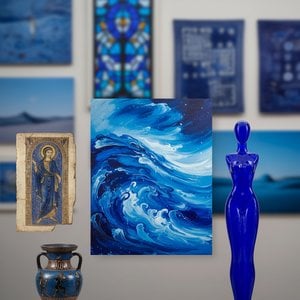
The Allure of Azure: Exploring the Symbolic & Aesthetic Depths of Blue in Art History
Explore the rich history of blue in art! Discover its symbolism, from ancient pigments to modern masterpieces by Kandinsky & Seurat. Uncover the psychological impact and cultural meanings behind this captivating hue.