


 Προεπισκόπηση
 Αποστολή
 Κοινοποίηση
 Λεπτομέρειες
 Οδηγός

 Λήψη
Λήψη
 Παρόμοια αντικείμενα συλλογής
 Ακτινογραφία
 Παρουσίαση
 Στατιστικά
Horace John Abbot
 Academic Realism
 51.0 x 38.0 cm
 Περισσότερα λεπτομέρεια
Χειροποίητη Αναπαραγωγή σε Έλαιο
Χειροποίητη ελαιογραφία σε καμβά στο δικό σας μέγεθος και πλαίσιο, κατά παραγγελία από τους καλλιτέχνες μας. ( Μετάβαση σε Εκτυπώσεις Μετάβαση σε Ψηφιακή Εικόνα)




































Επιλέξτε από τις προκαθορισμένες διαστάσεις μας που διατηρούν τις αρχικές αναλογίες του έργου τέχνης.

Μπορείτε να ορίσετε δικές σας διαστάσεις ώστε το έργο να ταιριάζει σε ένα συγκεκριμένο πλαίσιο ή χώρο. Εάν το επιλεγμένο μέγεθος δεν συμπίπτει με τις αναλογίες της αρχικής εικόνας, θα περικοψούμε το έργο ή θα επεκτείνουμε τη ζωγραφιά με πρόσθετα χειρόγραφα στοιχεία. Ένα ψηφιακό προσχέδιο θα σας αποσταλεί για έγκριση πριν την έναρξη της παραγωγής.
Παρακαλούμε σημειώστε ότι η προεπισκόπηση στην οθόνη δεν αντικατοπτρίζει την πραγματική περικοπή ή επέκταση. Μόνο το προσχέδιο θα δείξει με ακρίβεια την τελική σύνθεση.
Παρόλο που είναι διαθέσιμα προσαρμοσμένα μεγέθη, συνιστούμε να επιλέξετε μια διάσταση από τη λίστα των προκαθορισμένων μεγεθών για τη διατήρηση των αρχικών αναλογιών.
Μετά την παραγγελία, η ομάδα του ArtsDot.com θα στείλει email στον πελάτη με οδηγίες και θα παρέχει μια προεπισκόπηση προσχεδίου
Παγκόσμια Αποστολή () σε 3-4 εβδομάδες αντί για τις συνήθεις 5 εβδομάδες. (23 Σεπτέμβριος). Χωρίς συμβιβασμούς στην ποιότητα.

Δωρεάν γρήγορη διεθνής αποστολή

Κάμβας από Λινό Υψηλής Ποιότητας

Πλήρης ασφάλιση μεταφοράς

Εγγύηση επιστροφής δασμών και φόρων εισαγωγής

Εγγύηση Απόλυτης Ομοιότητας Χρωμάτων

Πολιτική Επιστροφής 100 Ημερών (Μόνο σε περίπτωση ελαττωμάτων)

Εγγύηση επιστροφής 100% των χρημάτων

Έκπτωση για πολλαπλές παραγγελίες
 Η επιλογή με γυαλί είναι διαθέσιμη μόνο για μεγέθη κάτω από 110 εκ.

Horace John Abbot
Τεχνική Αναπαραγωγής
Διαστάσεις Αναπαραγωγής
-


Συνολικό Κόστος
$ 263
Παρόμοια Έργα Τέχνης


Βιογραφικό Καλλιτέχνη
Louis Fabron: Bridging Neoclassicism and Romantic Emotion
Louis Fabron (1855 – 1907) stands as a remarkable figure in late nineteenth-century American art, skillfully blending the stylistic rigor of Neoclassicism with the expressive fervor characteristic of Romanticism. Born in Paris, France, Fabron’s artistic journey began amidst the intellectual currents shaping European culture—a period marked by debates over artistic idealism versus realism and fueled by burgeoning interest in psychological portraiture. His formative years were spent absorbing the lessons of established masters like Jean-Auguste Dominique Ingres and Alexandre Cabanel, whose meticulous attention to detail and idealized representations profoundly impacted Fabron’s approach to painting. Fabron's early works demonstrate a dedication to classical principles—precise lines, balanced compositions, and muted palettes—reflecting the prevailing aesthetic sensibilities of his time. However, he swiftly moved beyond mere imitation, injecting emotional depth into his canvases that distinguished him from many of his contemporaries. This stylistic duality is particularly evident in portraits like “Francis Chardon’s Father” (1893), where Fabron captures not just physical likeness but also the subtle nuances of character and paternal affection. The painting utilizes a masterful blend of academic realism—characterized by meticulous rendering of textures and anatomical accuracy—with an expressive tonal range that conveys warmth and dignity. His collaboration with Horace John Abbot, another prominent portraitist of the era, resulted in several celebrated commissions showcasing Fabron’s ability to convey psychological complexity within a formal framework. Abbot's portraits often explored themes of introspection and moral contemplation, mirroring Fabron’s own artistic vision. Fabron skillfully employed rich browns and golds—a hallmark of Abbot’s technique—to imbue his canvases with an aura of sophistication and gravitas. Fabron’s influence extended beyond individual portraits; he championed the pursuit of “emotional truth” within academic painting—a controversial stance that challenged prevailing dogma. He argued passionately for artists to strive not merely for accurate representation but also for conveying genuine feeling, asserting that beauty resided in capturing the inner life of their subjects. This conviction solidified Fabron’s legacy as a pioneer of psychological portraiture and contributed significantly to the evolution of American art during the Gilded Age. Fabron's enduring contribution lies in his ability to synthesize disparate artistic traditions—classical precision and Romantic emotion—creating images that resonate with both intellectual rigor and profound human empathy. His paintings continue to captivate viewers today, serving as a testament to his artistic genius and his unwavering commitment to exploring the complexities of human experience. He remains an important artist for understanding the transition from Neoclassicism to Impressionism in America.
louis fabron
1855 - 1907
Στοιχεία καλλιτέχνη
- Artistic Movement Or Style: Academic Realism
- Artists Or Movements Influenced By This Artist: ['Romanticism']
- Artists Who Influenced This Artist: ['Anne-Louis Girodet']
- Date Of Birth: 1855
- Date Of Death: 1907
- Full Name: Louis Fabron
- Nationality: French
- Notable Artworks:
- Francis Chardon's Father
- Horace John Abbot
- Place Of Birth: Paris, France
Σχετικά άρθρα
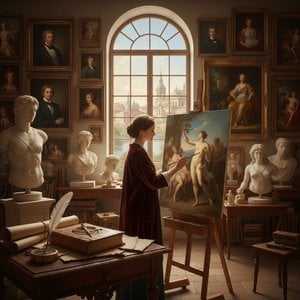
Academic Realism: Technique, History & Enduring Influence on Art
Explore the captivating world of Academic Realism! Discover key artists, techniques & its lasting impact on art history. Expert insights & high-quality reproductions at ArtsDot.

The Poetic Truth of Observation: Exploring 19th-Century Realism in Painting
Explore the captivating world of 19th-century Realism! Discover key artists like Courbet & Millet, masterpieces, and the powerful social commentary behind this influential art movement. Expert insights at ArtsDot.

Romantic Realism's Finest: 10 Masterpieces for Your Home | ArtsDot
Explore 10 defining masterpieces of Romantic Realism! Discover Courbet, Millet & Daumier's powerful paintings—capturing emotion and social realities. Find museum-quality reproductions for your home at ArtsDot.com.

Ακαδημαϊκός Ρεαλισμός: 10 Αριστουργήματα που Άλλαξαν την Τέχνη | ArtsDot.gr
Ανακαλύψτε τα 10 αριστουργήματα του Ακαδημαϊκού Ρεαλισμού! Bouguereau, David & άλλοι μεγάλοι ζωγράφοι. Ιστορίες τέχνης, τεχνικές και έμπνευση για διακόσμηση σπιτιού. Βρείτε πίνακες υψηλής ποιότητας στο ArtsDot.com

Academic Art: Tradition, Technique & the Pursuit of Ideal Form in the 19th Century
Explore the world of Academic Art! Discover its history, key artists like Ingres & Bouguereau, defining techniques, and lasting influence on 19th-century painting. Learn about the Salon system and its legacy.