


 Προεπισκόπηση
 Αποστολή
 Κοινοποίηση
 Λεπτομέρειες

 Λήψη
Λήψη
 Παρόμοια έργα
 Ακτινογραφία
 Παρουσίαση
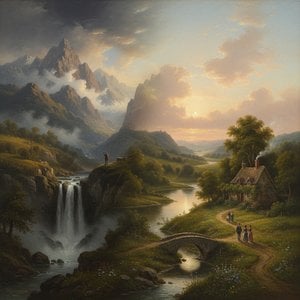
A path through a forest

 Περισσότερα λεπτομέρεια
Χειροποίητη Αναπαραγωγή σε Έλαιο
Χειροποίητη α óleo σε καμβά στο δικό σας μέγεθος και πλαίσιο, κατά παραγγελία από τους καλλιτέχνες μας. ( Μετάβαση στην Εκτύπωση Μετάβαση σε Εικόνα)




































Επιλέξτε από τις προκαθορισμένες διαστάσεις μας που διατηρούν τις αρχικές αναλογίες του έργου τέχνης.

Μπορείτε να εισάγετε δικές σας διαστάσεις για να ταιριάξετε το έργο με ένα συγκεκριμένο πλαίσιο ή χώρο. Εάν το επιλεγμένο μέγεθος δεν συμπίπτει με τις αναλογίες της αρχικής εικόνας, θα περικοψούμε το έργο τέχνης ή θα επεκτείνουμε τη ζωγραφιά με πρόσθετα χειρόγραφα στοιχεία. Ένα ψηφιακό προσχέδιο θα σας σταλεί για έγκριση πριν την έναρξη της παραγωγής.
Παρακαλούμε σημειώστε ότι η προεπισκόπηση στην οθόνη δεν αντικατοπτρίζει την πραγματική περικοπή ή επέκταση. Μόνο το προσχέδιο θα δείξει με ακρίβεια την τελική σύνθεση.
Παρόλο που είναι διαθέσιμα προσαρμοσμένα μεγέθη, συνιστούμε να επιλέξετε μια διάσταση από τη λίστα των προκαθορισμένων μεγεθών για τη διατήρηση των αρχικών αναλογιών.
Μετά την παραγγελία, η ομάδα του ArtsDot.com θα στείλει email στον πελάτη για οδηγίες και θα παρέχει μια προεπισκόπηση προσχεδίου
Παγκόσμια Αποστολή () σε 3/4 εβδομάδες αντί για τις συνήθεις 5 εβδομάδες. (10 Αύγουστος). Χωρίς συμβιβασμούς στην ποιότητα.

Δωρεάν Παγκόσμια Αποστολή Express

Κάμβας από Λινό Υψηλής Ποιότητας

Πλήρης ασφάλιση μεταφοράς

Εγγύηση Επιστροφής Δασμών και Φόρων

Εγγύηση Απόλυτης Ομοιότητας Χρωμάτων

Πολιτική Επιστροφής 60 Ημερών (Μόνο σε περίπτωση ελαττωμάτων)

Εγγύηση επιστροφής 100% των χρημάτων

Έκπτωση για πολλαπλές παραγγελίες
 Η επιλογή με γυαλί είναι διαθέσιμη μόνο για μεγέθη κάτω από 110 εκ.

A path through a forest
Τεχνική Αναπαραγωγής
Διαστάσεις Αναπαραγωγής
-


Τελική Τιμή
$ 263
Παρόμοια Έργα Τέχνης


Βιογραφία Καλλιτέχνη
The Visionary Eye of Joseph August Knip
In the grand tapestry of nineteenth-century European art, few threads are as delicately woven as those left by Joseph August Knip. Born in the Dutch town of Tilburg in 1777, Knip emerged from an artistic lineage that deeply informed his early sensibilities. As the son of the decorative painter Nicolaas Frederik Knip, his first lessons were not merely about pigment and brush, but about the very essence of ornamentation and structure. This foundational training, combined with a childhood spent amidst the shifting political tides of Napoleonic Europe, prepared him for a life of profound observation. When tragedy struck his family—the blindness of his father forcing the young Knip to become the household breadwinner at just nineteen—he did not falter; instead, he channeled his necessity into a relentless pursuit of artistic mastery, eventually becoming a mentor to his own sister, the celebrated painter Henriëtte Ronner-Knip.
Knip’s journey was one of constant movement and cultural immersion, a nomadic spirit that allowed him to capture the soul of various European landscapes. His relocation to Paris in 1801 marked a transformative era in his development. In the vibrant, intellectual atmosphere of the French capital, Knip transitioned from a talented draughtsman to a sophisticated chronicler of urban life. It was during this period that he gained prestige, even serving as a drawing master to Louis Napoléon. His Parisian works are characterized by an exquisite topographical precision, where the architectural grandeur of the city meets the intimate, fleeting moments of street life. He possessed a rare ability to document the topographical truth of a location while imbuing it with a romantic, atmospheric light that suggested the passage of time and the weight of history.
A Wanderer Through Light and Landscape
The true breadth of Knip’s genius is perhaps most visible in his travels through Italy and the Mediterranean. Between 1809 and 1812, drawn by the luminous allure of the south, Knip traversed the landscapes of Rome and Naples. In doing so, he became a notable member of the Italianisanten—a group of Northern artists captivated by the serene atmosphere and brilliant clarity of the Italian sun. His works from this period, such as his evocative depictions of Genzano and Lake Nemi, demonstrate a masterful command of watercolor over graphite. He did not merely sketch ruins or vistas; he captured the way light dances upon water and how shadows cling to ancient stone, creating panoramic landscapes that felt both monumental and deeply personal.
Technically, Knip was a virtuoso of the watercolor medium. His approach involved a sophisticated layering of washes, a technique that allowed him to achieve a sense of luminosity and depth rarely seen in topographical art. Unlike the grand, often idealized history painters of his era, Knip found beauty in the authentic. Whether he was rendering the rugged terrain of the Sabine Hills or the bustling streets of a French municipality, his focus remained on an unflinching realism. This commitment to detail, paired with an expressive handling of color, allowed him to elevate the commonplace into something transcendent. His ability to balance the precise architectural line with the soft, atmospheric blur of a distant horizon remains a hallmark of his enduring legacy.
Legacy and Historical Significance
The historical significance of Joseph August Knip lies in his role as a bridge between the meticulous traditions of Dutch topographical drawing and the emotive freedom of the Romantic movement. He stood at the intersection of documentation and art, providing future generations with a visual record of a Europe in transition. His influence extended through his family and his students, leaving an indelible mark on the landscape traditions of both the Netherlands and France.
To reflect upon Knip’s contributions is to appreciate the following:
- Technical Mastery: His pioneering use of watercolor washes to create atmospheric depth and light.
- Cultural Documentation: His role as a premier chronicler of Parisian and Italian landscapes during the early 19th century.
- Artistic Lineage: His contribution to the development of Dutch landscape painting and his mentorship within his own family of artists.
- The Romantic Spirit: His ability to blend topographical accuracy with the emotional resonance of the Romantic era.
Today, Knip’s works reside in prestigious collections such as The Metropolitan Museum of Art, serving as windows into a lost world of elegance and quiet observation. He remains a master of the subtle, reminding us that there is profound beauty to be found in the careful study of the world around us.

joseph augustus knip
1777 - 1847 , Netherlands
Σημαντικά στοιχεία
- Artistic Movement Or Style: Romantic Landscape
- Date Of Birth: 1777
- Full Name: Joseph August Knip
- Nationality: Dutch
- Notable Artworks:
- The Shelling of ’s-Hertogenbosch by the French
- The View from the Batavian Embassy in Paris
- The Gulf of Naples with the Island of Ischia
- Place Of Birth: Tilburg, Netherlands
Σχετικά Άρθρα

Από την Έμπνευση στον Κάμβα: Ψηφιακή Ακρίβεια & Ικανοποίηση Πελατών στην Παραγγελία Λαδιού
Ανακαλύψτε την τέχνη της παραγγελίας λαδιού με απόλυτη ακρίβεια και ικανοποίηση! Χειροποίητοι πίνακες, ψηφιακή αναπαραγωγή & εξατομικές δημιουργίες. Εμπιστευτείτε μας για ένα έργο τέχνης που θα σας ενθουσιάσει.

From Snapshot to Canvas: The Art of Transforming Travel Photography into Timeless Oil Paintings
Transform your cherished travel photos into timeless oil paintings with expert artists at ArtsDot.com. Museum-quality reproductions & custom portraits – preserve your memories beautifully.

From Imagination to Canvas: Commissioning Bespoke Fantasy Art with Traditional Oil Painting Techniques
Commission breathtaking bespoke fantasy art with skilled oil painters. Explore techniques, artist selection & preservation tips. Invest in a unique masterpiece today!

Οι 10 Κορυφαίοι Καμβάδες που Άλλαξαν την Τέχνη – Έμπνευση για το Σπίτι σας
Ανακαλύψτε τους 10 θρυλικούς καμβάδες που έγραψαν ιστορία στην τέχνη! Μονέ, Βαν Γκογκ & άλλοι μεγάλοι ζωγράφοι. Έμπνευση για διακόσμηση σπιτιού με πίνακες υψηλής ποιότητας. Εξερευνήστε τη συλλογή στο ArtsDot.com!
The Sublime and the Picturesque: Exploring Emotion & Nature in Romantic Landscape Painting
Explore the emotional power of Romantic landscape painting! Discover the sublime & picturesque aesthetics, key artists like Friedrich & Cole, and lasting influence on art history. Find your perfect piece at ArtsDot.

