


 Δείτε σε πραγματικό χώρο
 Αποστολή
 Κοινοποίηση
 Λεπτομέρειες

 Λήψη
Λήψη
 Παρόμοια αντικείμενα συλλογής
 Ακτινογραφία
 Παρουσίαση
Winter


 Διαβάστε περισσότερα
Χειροποίητη Αναπαραγωγή σε Έλαιο
Χειροποίητη oil painting σε καμβά στο δικό σας μέγεθος και πλαίσιο, κατά παραγγελία από τους καλλιτέχνες μας. ( Αγορά εκτύπωσης Αγορά ψηφιακής εικόνας)




P118B $10

P118H $10

P118W $10

P438Z $10

P508JH $12

P508YH $12

P805H $10

P805Z $10

P919BZ $10

P919G $10

P919XJ $10

P959ZH $10

P968JZ $12

W106C $8

W218G $10

W218JH $8

W218Y $10

W307PJ $10

W316G $10

W316PJ $8

W316Y $10

W398PJ $8

W4111J $10

W500HY $15

W500JH $15

W692G $12

W849H $8

W940BG $15

W953PJ $8




Επιλέξτε από τις προκαθορισμένες διαστάσεις μας που διατηρούν τις αρχικές αναλογίες του έργου τέχνης.

Μπορείτε να ορίσετε δικές σας διαστάσεις ώστε το έργο να ταιριάζει σε ένα συγκεκριμένο πλαίσιο ή χώρο. Εάν το επιλεγμένο μέγεθος δεν συμπίπτει με τις αναλογίες της αρχικής εικόνας, θα περικοψούμε το έργο ή θα επεκτείνουμε τη ζωγραφιά με πρόσθετα χειρόγραφα στοιχεία. Ένα ψηφιακό προσχέδιο θα σας αποσταλεί για έγκριση πριν την έναρξη της παραγωγής.
Παρακαλούμε σημειώστε ότι η προεπισκόπηση στην οθόνη δεν αντικατοπτρίζει την πραγματική περικοπή ή επέκταση. Μόνο το προσχέδιο θα δείξει με ακρίβεια την τελική σύνθεση.
Παρόλο που είναι διαθέσιμα προσαρμοσμένα μεγέθη, συνιστούμε να επιλέξετε μια διάσταση από τη λίστα των προκαθορισμένων μεγεθών για τη διατήρηση των αρχικών αναλογιών.
Μετά την παραγγελία, η ομάδα του ArtsDot.com θα στείλει email στον πελάτη με οδηγίες και θα παρέχει μια προεπισκόπηση προσχεδίου
Παγκόσμια Αποστολή () σε 3-4 εβδομάδες αντί για τις συνήθεις 5 εβδομάδες. (17 Αύγουστος). Χωρίς συμβιβασμούς στην ποιότητα.

Δωρεάν γρήγορη διεθνής αποστολή

Κάμβας από Λινό Υψηλής Ποιότητας

Πλήρης ασφάλιση μεταφοράς

Εγγύηση Επιστροφής Δασμών και Φόρων

Εγγύηση Απόλυτης Ομοιότητας Χρωμάτων

Πολιτική Επιστροφής 60 Ημερών (Μόνο σε περίπτωση ελαττωμάτων)

Εγγύηση επιστροφής 100% των χρημάτων

Προσφορά για μαζικές παραγγελίες
 Η επιλογή με γυαλί είναι διαθέσιμη μόνο για μεγέθη κάτω από 110 εκ.

Winter
Μέσο Αναπαραγωγής
Διαστάσεις Αναπαραγωγής
-


Συνολική Τιμή
$ 613
Περιγραφή Έργου
A Frozen Tapestry of Winter Life
To gaze upon Jan I Sadeler's engraving, "Winter," is to step through a portal into a meticulously preserved moment from the late sixteenth century. This is not merely a depiction of cold; it is a vibrant chronicle of human resilience set against the stark beauty of a dormant landscape. The scene unfolds with an almost overwhelming density of life, where every figure, every branch, and every patch of sky contributes to a rich, narrative tapestry. One feels the crisp bite of the winter air, yet simultaneously senses the warmth emanating from the clustered activities—the cooking fires, the socializing groups, and the simple acts of daily survival that anchor the human spirit.
Mastery in Monochrome: Technique and Detail
The sheer technical brilliance on display is breathtaking. Sadeler employs the medium of engraving with an almost scientific precision, transforming what could be a flat sheet of metal into a realm of profound texture and depth. The artist’s command over line work is nothing short of masterful; fine lines define the delicate folds of winter garments, while the strategic use of hatching and cross-hatching builds shadows and suggests the rough bark of the central, imposing tree. Because the piece exists entirely in shades of gray, the viewer's eye is forced to appreciate tone as much as form. The interplay between dense black areas and the luminous white paper creates a dramatic chiaroscuro effect, giving the entire composition an ethereal, yet grounded, reality.
The Heart of Rural Existence
The subject matter draws us deep into the heart of rural life during the harshest season. Around the magnificent, bare tree—which stands as a silent sentinel at the compositional core—life clusters in intricate patterns. We see people engaged in every facet of community existence: sharing sustenance, interacting with birds that flit through the air, and simply gathering for fellowship. The background elements, including visible architecture nestled among the landscape, ground this bustling activity within a recognizable, lived-in world. It speaks to a time when community bonds were perhaps even more vital against the backdrop of nature's temporary slumber.
Symbolism Under an Overcast Sky
Beyond the immediate narrative, the engraving whispers with deeper symbolism. The bare tree itself is a potent symbol—a beautiful representation of dormancy, the necessary pause before renewal. Yet, this stillness is counterbalanced by the celestial drama overhead; the visible moon and scattered stars suggest that even in the deepest winter gloom, the cosmic order persists. This juxtaposition—the earthly quietude against the eternal glow above—lends the piece a contemplative weight. It invites us to consider cycles: the cycle of seasons, the passage of time, and the enduring nature of human connection.
Bringing Winter's Grandeur Home
For those who seek art that transcends mere decoration, this reproduction offers an unparalleled opportunity. Owning a piece echoing Sadeler’s vision means acquiring more than just a print; it is owning a historical document imbued with the romance of Flemish craftsmanship and the universal poetry of endurance. Whether placed in a grand hall to evoke scholarly depth or in a cozy study to inspire contemplation, its intricate detail ensures that every viewing reveals new layers of texture and narrative grace.
Σχετικά Έργα Τέχνης


Βιογραφία Καλλιτέχνη
The Legacy of the Sadeler Dynasty
In the vibrant, bustling landscape of the late sixteenth-century printmaking world, few names carried as much weight or prestige as the Sadeler family. At the heart of this illustrious dynasty stood Jan I Sadeler, a master engraver whose life and work epitomized the golden age of Flemish printmaking. Born in Brussels around 1550, Jan was part of a sprawling, multi-generational lineage of artists and publishers that acted as the primary engine for spreading artistic innovation across Europe. The Sadelers were not merely craftsmen; they were the vital conduits through which the sophisticated language of Mannerism flowed from the workshops of Antwerp and Brussels to the courts of Germany, Italy, Bohemia, and Austria.
The roots of this talent can be traced back to the skilled armor engravers of Aalst, a lineage of "chasers" who possessed an innate understanding of fine line and delicate detail. This ancestral precision provided Jan with a foundational mastery over the copperplate, allowing him to translate the fluid, often complex compositions of contemporary painters into the permanent, reproducible medium of print. As part of a family that functioned as both creators and publishers, Jan’s career was inextricably linked to the commercial and intellectual networks of the time, ensuring that his artistic vision reached far beyond the borders of the Spanish Netherlands.
Mastery of the Mannerist Line
Jan I Sadeler’s true greatness lay in his ability to act as a visual translator for the most celebrated painters of his era. His work was characterized by an extraordinary capacity for reproductive engraving, a demanding discipline that required him to capture the subtle nuances of light, shadow, and musculature found in the original paintings. He found profound inspiration in the works of Bartholomeus Spranger, a titan of Northern Mannerism, as well as the evocative, atmospheric compositions of the Bassano family from Venice. Through his meticulous burin work, Jan was able to replicate the elongated elegance and dramatic tension that defined the Mannerist style.
To observe a Sadeler engraving is to witness a dance of light and dark. His technique involved a sophisticated use of cross-hatching and varying line weights to create a sense of three-dimensional volume on a two-dimensional surface. This skill was essential for disseminating the reputations of artists like Spranger; by transforming large-scale, singular paintings into portable, high-quality prints, Jan helped create a pan-European visual culture. His prints allowed collectors in distant lands to study the latest trends in anatomy and composition, effectively making him one of the most influential "art critics" and educators of the Renaissance through his sheer technical prowess.
A Prolific Lineage and Historical Impact
The historical significance of Jan I Sadeler cannot be measured solely by his individual output, but rather by the enduring influence of the family empire he helped sustain. The Sadeler workshop was a sprawling enterprise involving numerous relatives, including his brothers Aegidius I and Rafael I, as well as his sons Justus and Marcus Christoph. This collective effort created a standardized excellence that made the "Sadeler" brand synonymous with quality throughout the sixteenth and seventeenth centuries. Whether working in Antwerp, Munich, or Venice, the family maintained a consistent level of artistry that bridged the gap between different European artistic centers.
By the time Jan reached his maturity in Antwerp around 1572, the city had become the epicenter of the global print trade. Within this highly competitive environment, Jan’s ability to navigate the complex distribution arrangements of publishers like the Plantin Press ensured that his work remained at the forefront of the market. His life, which concluded around 1600, marked a pivotal era in which the printed image became a powerful tool for cultural diplomacy and artistic prestige. Today, the engravings of Jan I Sadeler remain vital historical documents, offering a window into the intricate textures and profound aesthetic shifts of the late Renaissance.

jan i sadeler
1550 - 1600 , Belgium
Γρήγορα στοιχεία
- Artistic Movement Or Style: Renaissance, Mannerism
- Artists Or Movements Influenced By This Artist: ['Mannerist style dissemination']
- Artists Who Influenced This Artist:
- Bartholomeus Spranger
- Bassano family
- Date Of Birth: 1550
- Date Of Death: 1600
- Full Name: Jan I Sadeler
- Nationality: Flemish
- Place Of Birth: Brussels, Belgium
Σχετικά άρθρα

Jan Gossart: Bridging Netherlandish Realism & Renaissance Humanism – A Comprehensive Exploration
Explore the captivating world of Jan Gossart, a pivotal figure bridging Netherlandish realism & Renaissance humanism. Discover his masterpieces, patronage, and lasting influence – an essential guide for discerning art collectors.

Cultivating Visions: A Historical Journey Through Rural Landscapes in Art
Explore the rich history of rural landscape painting with ArtsDot. Discover Impressionist masterpieces, key artists & movements. Find your perfect serene artwork and bring nature's beauty home.

Evoking Arcadia: A Historical & Aesthetic Exploration of Rural Landscape Art
Explore the rich history of pastoral landscape art, from classical Arcadia to Impressionism & beyond. Discover key artists, movements, and how to collect serene rural scenes for your home. Expert insights at ArtsDot.

Albrecht Altdorfer: Innovation, Spirituality & the Northern Renaissance Landscape
Explore the groundbreaking art of Albrecht Altdorfer, a pioneer of the Northern Renaissance's Danube School. Discover his innovative landscapes, spiritual symbolism & lasting influence on German painting.
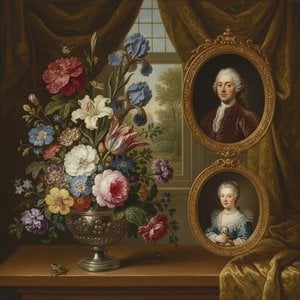
Jan van Kessel the Elder: A Baroque Master of Floral Still Life & Miniature Portraiture
Discover the exquisite detail of Jan van Kessel the Elder's Baroque floral still lifes & captivating miniatures. Explore his artistic legacy, scientific precision, and lasting influence on 17th-century Flemish painting.

