


 Προεπισκόπηση
 Αποστολή
 Κοινοποίηση
 Λεπτομέρειες
 Οδηγός

 Λήψη
Λήψη
 Παρόμοια αντικείμενα συλλογής
 Ακτινογραφία
 Παρουσίαση
 Στατιστικά
Tea
 Oil On Canvas
- WallArt
- Realism
 1872
1872- 19th Century
 66.0 x 48.0 cm
 Μητροπολιτικό Μουσείο Τέχνης
 Περισσότερα λεπτομέρεια
Χειροποίητη Αναπαραγωγή σε Έλαιο
Χειροποίητη ελαιογραφία σε καμβά στο δικό σας μέγεθος και πλαίσιο, κατά παραγγελία από τους καλλιτέχνες μας. ( Μετάβαση σε Εκτυπώσεις Μετάβαση σε Ψηφιακή Εικόνα)




P118B €10

P118H €10

P118W €10

P438Z €10

P508JH €12

P508YH €12

P805H €10

P805Z €10

P919BZ €10

P919G €10

P919XJ €10

P959ZH €10

P968JZ €12

W106C €8

W218G €10

W218JH €8

W218Y €10

W307PJ €10

W316G €10

W316PJ €8

W316Y €10

W398PJ €8

W4111J €10

W500HY €15

W500JH €15

W692G €12

W849H €8

W940BG €15

W953PJ €8




Επιλέξτε από τις προκαθορισμένες διαστάσεις μας που διατηρούν τις αρχικές αναλογίες του έργου τέχνης.

Πληκτρολογήστε το πλάτος και το ύψος που επιθυμείτε, ώστε να ταιριάζουν στο κάδሮ ή στον τοίχο σας. Ε เนื่องจาก πρόκειται για χειροποίητη ζωγραφική, σε περίπτωση διαστάσεων με διαφορετικό σχήμα, ο καλλιτέχνης μπορεί να ζωγραφίσει λίγο παραπάνω γύρω από το έργο ή να αφαιρέσει ένα μέρος — η επιλογή είναι δική σας. Σας στέλνουμε ένα ψηφιακό mockup για έγκριση πριν ξεκινήσει η δημιουργία του έργου. Η εικόνα που εμφανίζεται σε αυτή τη σελίδα δεν δείχνει το τελικό αποτέλεσμα — μόνο το mockup το αναδεικνύει.
Μετά την παραγγελία, η ομάδα του ArtsDot.com θα στείλει email στον πελάτη με οδηγίες και θα παρέχει μια προεπισκόπηση προσχεδίου
Παγκόσμια Αποστολή () σε 3-4 εβδομάδες αντί για τις συνήθεις 5 εβδομάδες. (23 Οκτώβριος). Χωρίς συμβιβασμούς στην ποιότητα.

Δωρεάν γρήγορη διεθνής αποστολή

Κάμβας από Λινό Υψηλής Ποιότητας

Πλήρης ασφάλιση μεταφοράς

Εγγύηση επιστροφής δασμών και φόρων εισαγωγής

Εγγύηση Απόλυτης Ομοιότητας Χρωμάτων

Πολιτική Επιστροφής 100 Ημερών (Μόνο σε περίπτωση ελαττωμάτων)

Εγγύηση επιστροφής 100% των χρημάτων

Έκπτωση για πολλαπλές παραγγελίες
 Η επιλογή με γυαλί είναι διαθέσιμη μόνο για μεγέθη κάτω από 110 εκ.

Tea
Τεχνική Αναπαραγωγής
Διαστάσεις Αναπαραγωγής
-


Συνολικό Κόστος
€ 231
A Moment Frozen in Victorian Elegance
In the quiet, sun-dappled atmosphere of James Jacques Joseph Tissot’s Tea, we are invited into a private sanctuary of nineteenth-century refinement. This exquisite oil painting, dating from 1872, serves as more than just a depiction of a domestic ritual; it is a window into the soul of the Victorian era. The scene centers on a woman poised with grace in a tea room, her presence commanding yet serene. Clad in a sophisticated black dress accented by a delicate yellow ribbon at her throat, she embodies the meticulous fashion and social etiquette of her time. As she tends to the teapot, surrounded by the fine porcelain of cups and bowls, there is an intimate sense of stillness, as if the bustling world outside has momentarily ceased to exist.
The composition masterfully balances the intimacy of the interior with a breathtaking glimpse of the wider world. Beyond the immediate warmth of the tea service, the eye is drawn through the window to the dense, sprawling cityscape and the shimmering waters of the Thames. This juxtaposition between the sheltered, domestic sphere and the industrial vitality of London creates a profound narrative tension. It reminds the viewer that even in our most private moments of repose, the pulse of the modern city beats just beyond the glass. The inclusion of a distant boat on the river adds a layer of movement and life, grounding this elegant portrait within the real, breathing geography of Tissot’s adopted home.
Mastery of Realism and Light
Tissot, a painter who bridged the gap between the meticulous detail of Realism and the atmospheric light of Impressionism, demonstrates his technical prowess through the textures present in this work. Every element—from the reflective surface of the tea service to the heavy, luxurious fabric of the woman’s gown—is rendered with an almost tactile precision. His ability to capture the play of light across different surfaces creates a sense of depth that draws the collector into the room. The artist uses light not merely to illuminate, but to sculpt the scene, highlighting the delicate contours of the porcelain and the soft shadows that dance within the tea room.
For the discerning art lover or interior designer, Tea offers a versatile emotional resonance. It possesses a quiet dignity that can anchor a sophisticated living space, providing a focal point of calm and historical depth. The painting’s palette, rich with deep blacks, warm yellows, and the soft blues of the distant London sky, makes it an ideal piece for those looking to introduce a sense of timeless luxury and narrative complexity into a room. To possess a reproduction of this work is to hold a fragment of history—a beautifully preserved moment of Victorian grace that continues to inspire awe and contemplation in the modern age.
Ερωτήσεις & Απαντήσεις
Πώς περιγράφεται η ατμόσφαιρα του έργου "Tea" του Ζακ Ζοζέφ (Τζέιμς) Τισσό;
Η συνολική ατμόσφαιρα του έργου "Tea" του Ζακ Ζοζέφ (Τζέιμς) Τισσό είναι Elegant. Η διάθεση αυτή περιγράφει το γενικό κλίμα του έργου.
Πώς εντάσσεται το "Tea" στα θέματα και το στυλ του/της Ζακ Ζοζέφ (Τζέιμς) Τισσό;
Το "Tea" μοιράζεται με τα υπόλοιπα έργα του Ζακ Ζοζέφ (Τζέιμς) Τισσό το στυλ της καλλιτεχνικής σχολής Realism και τα επαναλαμβανόμενα θέματα: realism and impressionism, victorian social elegance, london urban life, domestic genre painting, refined society scenes.
Πόσο έντονες είναι οι αποχρώσεις στο έργο "Tea" του Ζακ Ζοζέφ (Τζέιμς) Τισσό;
Η ένταση του χρώματος στο έργο "Tea" είναι Monochromatic. Η ένταση περιγράφει το πόσο ζωηρές εμφανίζονται τα χρώματα.
Παρόμοια Έργα Τέχνης


Σχετικά άρθρα

James Abbott McNeill Whistler: Τα 25 Κορυφαία Έργα Τέχνης | ArtsDot.gr
Ανακαλύψτε τα 25 κορυφαία έργα τέχνης του James Abbott McNeill Whistler! Εξερευνήστε πίνακες, πορτρέτα & νυχτερινά τοπία που καθόρισαν τον Aestheticism. Υψηλής ποιότητας αναπαραγωγές στην ArtsDot.gr. Δείτε τη συλλογή!

Romantic Realism's Finest: 10 Masterpieces for Your Home | ArtsDot
Explore 10 defining masterpieces of Romantic Realism! Discover Courbet, Millet & Daumier's powerful paintings—capturing emotion and social realities. Find museum-quality reproductions for your home at ArtsDot.com.

Οι 25 Κορυφαίοι Πίνακες του Alfred Munnings: Έμπνευση & Διακόσμηση
Ανακαλύψτε τους 25 κορυφαίους πίνακες του Alfred Munnings! Ιππογραφίες, αγγλικά τοπία & κυνηγετικές σκηνές που αποτυπώνουν την ψυχή της εποχής. Βρείτε αναπαραγωγές υψηλής ποιότητας για να εμπνεύσετε τον χώρο σας. Εξερευνήστε τη συλλογή στο ArtsDot.com.
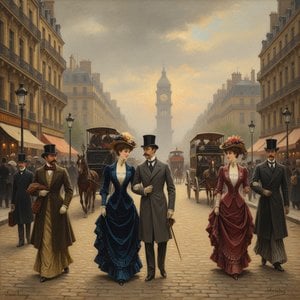
Jacques Joseph Tissot: A Chronicle of Parisian Life & Narrative Evolution
Explore the captivating world of Jacques Joseph Tissot, a master painter of Belle Époque society. Discover his realism, Impressionistic style, and lasting influence on art history. Learn more at ArtsDot.

The Gaze of a Changing World: Victorian Realism & Modern Life
Explore the captivating world of Victorian Realism! Discover genre painting's rise, social commentary in art, & masters like Fedotov and Wilkie. Expert analysis & high-quality reproductions at ArtsDot.