


 Δείτε σε πραγματικό χώρο
 Αποστολή
 Κοινοποίηση
 Λεπτομέρειες

 Λήψη
Λήψη
 Παρόμοια αντικείμενα συλλογής
 Ακτινογραφία
 Παρουσίαση
The Last Supper


 Διαβάστε περισσότερα
Giclée / Εκτυπώσεις Τέχνης
Εκτύπωση giclée ή σε καμβά ποιότητας μουσείου με γρήγορη παραγωγή και ευέλικτες επιλογές φινιρίσματος. ( Αγορά χειροποίητου πίνακα Αγορά ψηφιακής εικόνας)




P118B $10

P118H $10

P118W $10

P438Z $10

P508JH $12

P508YH $12

P805H $10

P805Z $10

P919BZ $10

P919G $10

P919XJ $10

P959ZH $10

P968JZ $12

W106C $8

W218G $10

W218JH $8

W218Y $10

W307PJ $10

W316G $10

W316PJ $8

W316Y $10

W398PJ $8

W4111J $10

W500HY $15

W500JH $15

W692G $12

W849H $8

W940BG $15

W953PJ $8




Επιλέξτε από τις προκαθορισμένες διαστάσεις μας που διατηρούν τις αρχικές αναλογίες του έργου τέχνης.

Μπορείτε να εισαγάγετε δικές σας διαστάσεις ώστε να ταιριάξουν με ένα συγκεκριμένο πλαίσιο ή χώρο. Εάν το επιλεγμένο μέγεθος δεν συμπίπτει με τις αναλογίες της πρωτότυπης εικόνας, θα κόψουμε το έργο τέχνης ή θα επεκτείνουμε την εικόνα με καθρεφτισμένη ή μονόχρωμη ατέλεια. Θα σας αποσταλεί ένα ψηφιακό mockup για έγκρισή σας πριν από την έναρξη της παραγωγής.
Παρακαλούμε σημειώστε ότι η προεπισκόπηση στην οθόνη δεν αντικατοπτρίζει την πραγματική κοπή ή επέκταση. Μόνο το mockup θα δείξει με ακρίβεια την τελική σύνθεση.
Παρόλο που είναι διαθέσιμες προσαρμοσμένες διαστάσεις, προτείνουμε την επιλογή μιας διάστασης από τη προκαθορισμένη λίστα για τη διατήρηση των αρχικών αναλογιών.
Παγκόσμια Αποστολή () σε 2 εβδομάδες αντί για τις συνήθεις 4/5 εβδομάδες. (3 Σεπτέμβριος)

Δωρεάν γρήγορη διεθνής αποστολή

Κάμβας από Λινό Υψηλής Ποιότητας

Πλήρης ασφάλιση μεταφοράς

Εγγύηση Επιστροφής Δασμών και Φόρων

Εγγύηση Απόλυτης Ομοιότητας Χρωμάτων

Πολιτική Επιστροφής 60 Ημερών (Μόνο σε περίπτωση ελαττωμάτων)

Εγγύηση επιστροφής 100% των χρημάτων

Προσφορά για μαζικές παραγγελίες
 Η επιλογή με γυαλί είναι διαθέσιμη μόνο για μεγέθη κάτω από 110 εκ.

The Last Supper
Giclée / Εκτυπώσεις Τέχνης
Διαστάσεις Αναπαραγωγής
-


Συνολική Τιμή
$ 62
A Divine Encounter in Shadow and Light
In the profound stillness of a cave-like sanctuary, Henryk Siemiradzki captures one of the most transformative moments in human history. The Last Supper, painted around 1876, is not merely a depiction of a meal, but a masterclass in dramatic tension and spiritual intimacy. As the eye wanders across the long dining table, it encounters Jesus at the very heart of the composition, serving as the calm, luminous anchor amidst a sea of human emotion. The artist utilizes a chiaroscuro-inspired approach, where the deep, enveloping shadows of the setting contrast sharply with the warm, flickering light that dances upon the faces of the twelve apostles. This interplay of light and dark does more than define form; it breathes life into the heavy atmosphere, suggesting a world caught in the breathless moment before a great storm breaks.
The composition is meticulously orchestrated to guide the viewer through a narrative of devotion and trepidation. While the table occupies much of the visual field, Siemiradzki avoids the static nature often found in religious iconography by introducing a sense of movement and psychological depth. On either side of the central figure, the apostles are captured in various states of contemplation, shock, and whispered discourse. Some lean inward, drawn by the gravity of Christ's presence, while others appear lost in their own internal struggles. A solitary cup rests at the far end of the table, a subtle yet potent symbol of the sacrifice to come, reminding the observer that this gathering is both a celebration of fellowship and a precursor to profound loss.
The Mastery of Academic Grandeur
As a pioneer of Academicism, Siemiradzki brings a level of technical precision to this canvas that is nothing short of breathtaking. His ability to render textures—the heavy drapery of robes, the subtle sheen of ceramic, and the rugged stone of the surroundings—demonstrates the rigorous training characteristic of the late 19th-century European masters. The use of oil on iron, a choice that lends a unique density to the pigments, allows for a rich, saturated color palette that enhances the painting's theatricality. Every brushstroke serves the purpose of monumentalism, elevating the biblical scene into something that feels both historically grounded and eternally significant.
For the discerning collector or interior designer, this reproduction offers more than just a visual centerpiece; it provides an emotional anchor for a room. The painting’s somber tones and dramatic lighting make it an exquisite choice for sophisticated spaces—perhaps a study lined with leather-bound books or a formal dining hall where conversation and reflection are encouraged. It is a piece that commands attention through its quiet power, inviting anyone who gazes upon it to pause, reflect, and lose themselves in the timeless drama of the human spirit facing the divine.
Σχετικά Έργα Τέχνης


Βιογραφία Καλλιτέχνη
The Master of Light and Antiquity: The Life of Henryk Siemiradzki
In the grand tapestry of nineteenth-century European art, few threads shine with as much dramatic brilliance as those woven by Henryk Siemiradzki. A titan of the Academic style, his name evokes images of sun-drenched Roman terraces, the flickering shadows of biblical sanctuaries, and the monumental grandeur of a lost classical world. Born in 1843 to a Polish noble officer and a devoted mother in the Kharkiv region, Siemiradzki’s early life was a confluence of cultural richness and intellectual rigor. His journey from a student of physics and mathematics at Kharkiv University to a celebrated master of the brush is a testament to a soul driven by an unyielding pursuit of aesthetic perfection. This unique duality—the precision of a scientist paired with the passion of a romantic—would become the hallmark of his legendary technique.
The trajectory of his artistic development was irrevocably shaped by his time at the Imperial Academy of Arts in Saint Petersburg. Under the rigorous tutelage of Karl von Piloty, Siemiradamente absorbed the essential tenets of Academicism: a devotion to meticulous realism, the idealization of form, and an unparalleled command over historical narrative. It was during these formative years that he learned to manipulate light not merely as a tool for visibility, but as a psychological force capable of breathing life into stone and silk alike. While his contemporaries began to experiment with the fleeting impressions of modern life, Siemiradzki chose to look backward, finding his muse in the eternal echoes of the Greco-Roman era and the sacred depths of the New Testament.
A Symphony of Chiaroscuro and Historical Grandeur
To gaze upon a Siemiradzki canvas is to enter a world where history is felt rather than merely observed. His works are characterized by an extraordinary ability to render texture and atmosphere, creating a sensory experience that transcends the flat surface of the oil painting. In his celebrated depictions of biblical narratives, such as The Last Supper, he employs a masterful chiaroscuro approach. He captures the profound stillness of a sanctuary where deep, enveloping shadows clash with warm, dancing light, mirroring the internal tension and spiritual gravity of the apostles gathered around Christ. Every fold of heavy drapery, every subtle sheen on a ceramic vessel, and every rugged stone in the background is rendered with a precision that borders on the miraculous.
Beyond the sacred, Siemiradzki found immense joy in recreating the vibrant, sun-soaked atmosphere of Mediterranean life. His paintings of Italian courtyards and classical terraces serve as windows into an idealized antiquity. In these works, the artist captures the warmth of the sun and the architectural elegance of a bygone age, inviting the viewer to wander through landscapes that feel both palpably real and dreamily distant. This mastery of light—the ability to suggest heat, humidity, and the soft glow of twilight—allowed him to bridge the gap between historical documentation and poetic imagination.
Legacy and the Enduring Flame of Academicism
The significance of Henryk Siemiradzki extends far beyond the borders of Poland or Russia; he was a truly European artist whose influence resonated throughout the continent. His ability to command large-scale, monumental compositions made him a favorite among national galleries, ensuring that his visions of antiquity would be preserved for generations. Even as the art world shifted toward the fragmented perspectives of Modernism, Siemiradzki’s work remained a bastion of technical excellence and narrative clarity.
His life, which concluded in 1902, left behind a legacy defined by several key artistic contributions:
- The Elevation of Academic Narrative: He transformed historical painting from mere illustration into a profound psychological exploration of human emotion.
- Technical Mastery of Light: His sophisticated use of light and shadow set a standard for realism within the Academic movement.
- Cultural Preservation through Art: Through his evocations of the Greco-Roman and Biblical worlds, he kept the spirit of classical antiquity alive in the collective European consciousness.
Ultimately, Siemiradzki remains an artist of immense emotional depth. He did not simply paint history; he resurrected it, inviting us to stand once more in the presence of the divine and the ancient, caught forever in that breathless moment before the light fades.

hendryk siemiradzki
1843 - 1902
Γρήγορα στοιχεία
- Artistic Movement Or Style: Academic Art
- Artists Or Movements Influenced By This Artist: ['Romanticism']
- Artists Who Influenced This Artist: ['Karl Briullov']
- Date Of Birth: October 24, 1843
- Date Of Death: August 23, 1902
- Full Name: Henryk Hektor Siemiradzki
- Nationality: Polish & Russian
- Notable Artworks:
- The Last Supper
- An Italian Courtyard
- Place Of Birth: Novobelgorod (Pechenihy), Ukraine
Σχετικά άρθρα

Jacopo Tintoretto: Τα 25 Κορυφαία Έργα Τέχνης | ArtsDot.gr
Ανακαλύψτε τα 25 κορυφαία έργα τέχνης του Jacopo Tintoretto! Εξερευνήστε τη βενετσιάνικη Αναγέννηση, την έντονη χρωματική παλέτα και τις ιστορικές αφηγήσεις. Υψηλής ποιότητας αναπαραγωγές πινάκων στο ArtsDot.com.

Οι 10 πιο δραματικές πίνακες που αγγίζουν την ψυχή – Έμπνευση για τον χώρο σας από το ArtsDot.com
Ανακαλύψτε τους 10 πιο δραματικούς πίνακες στην ιστορία της τέχνης! Ιμπρεσιονισμός, Ρεαλισμός & άλλα κινήματα. Μάθετε για τους διάσημους ζωγράφους και βρείτε την έμπνευση για τον χώρο σας στο ArtsDot.com. Εξερευνήστε τη συλλογή μας online!

The Golden Age Reforged: Dramatic Realism & Religious Zeal in Spanish Baroque Art
Explore the dramatic world of Spanish Baroque art! Discover masters like Zurbarán & the powerful influence of religious zeal on painting techniques – a guide for collectors and enthusiasts.

Οι 10 πιο δραματικές πίνακες τέχνης για εντυπωσιακή διακόσμηση σπιτιού | ArtsDot.gr
Ανακαλύψτε τους 10 πιο δραματικούς πίνακες τέχνης όλων των εποχών! Ιστορίες ζωγράφων, τεχνικές & συναισθήματα που εμπνέουν. Βρείτε την ιδανική αναπαραγωγή για εντυπωσιακή διακόσμηση στο ArtsDot.com.
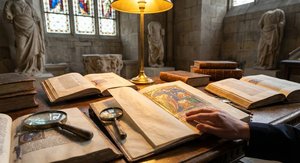
Illuminating Faith: Biblical Narrative & Artistic Expression Through the Ages
Explore the rich history of biblical art from Giotto to the Renaissance masters with ArtsDot. Discover symbolism, techniques & enduring legacies. Museum-quality reproductions & expert insights.

