


 Προεπισκόπηση
 Αποστολή
 Κοινοποίηση
 Λεπτομέρειες
 Οδηγός

 Λήψη
Λήψη
 Παρόμοια αντικείμενα συλλογής
 Ακτινογραφία
 Παρουσίαση
 Στατιστικά
The Nativity


 Περισσότερα λεπτομέρεια
Χειροποίητη Αναπαραγωγή σε Έλαιο
Χειροποίητη ελαιογραφία σε καμβά στο δικό σας μέγεθος και πλαίσιο, κατά παραγγελία από τους καλλιτέχνες μας. ( Μετάβαση σε Εκτυπώσεις Μετάβαση σε Ψηφιακή Εικόνα)




































Επιλέξτε από τις προκαθορισμένες διαστάσεις μας που διατηρούν τις αρχικές αναλογίες του έργου τέχνης.

Μπορείτε να ορίσετε δικές σας διαστάσεις ώστε το έργο να ταιριάζει σε ένα συγκεκριμένο πλαίσιο ή χώρο. Εάν το επιλεγμένο μέγεθος δεν συμπίπτει με τις αναλογίες της αρχικής εικόνας, θα περικοψούμε το έργο ή θα επεκτείνουμε τη ζωγραφιά με πρόσθετα χειρόγραφα στοιχεία. Ένα ψηφιακό προσχέδιο θα σας αποσταλεί για έγκριση πριν την έναρξη της παραγωγής.
Παρακαλούμε σημειώστε ότι η προεπισκόπηση στην οθόνη δεν αντικατοπτρίζει την πραγματική περικοπή ή επέκταση. Μόνο το προσχέδιο θα δείξει με ακρίβεια την τελική σύνθεση.
Παρόλο που είναι διαθέσιμα προσαρμοσμένα μεγέθη, συνιστούμε να επιλέξετε μια διάσταση από τη λίστα των προκαθορισμένων μεγεθών για τη διατήρηση των αρχικών αναλογιών.
Μετά την παραγγελία, η ομάδα του ArtsDot.com θα στείλει email στον πελάτη με οδηγίες και θα παρέχει μια προεπισκόπηση προσχεδίου
Παγκόσμια Αποστολή () σε 3-4 εβδομάδες αντί για τις συνήθεις 5 εβδομάδες. (27 Σεπτέμβριος). Χωρίς συμβιβασμούς στην ποιότητα.

Δωρεάν γρήγορη διεθνής αποστολή

Κάμβας από Λινό Υψηλής Ποιότητας

Πλήρης ασφάλιση μεταφοράς

Εγγύηση επιστροφής δασμών και φόρων εισαγωγής

Εγγύηση Απόλυτης Ομοιότητας Χρωμάτων

Πολιτική Επιστροφής 100 Ημερών (Μόνο σε περίπτωση ελαττωμάτων)

Εγγύηση επιστροφής 100% των χρημάτων

Έκπτωση για πολλαπλές παραγγελίες
 Η επιλογή με γυαλί είναι διαθέσιμη μόνο για μεγέθη κάτω από 110 εκ.

The Nativity
Τεχνική Αναπαραγωγής
Διαστάσεις Αναπαραγωγής
-


Συνολικό Κόστος
$ 338
Παρόμοια Έργα Τέχνης


Βιογραφικό Καλλιτέχνη
Guillaume de Marcillat: A Florentine Master of Light and Faith
Guillaume de Marcillat (c. 1470 – 1529), born in La Châtre, Indre, France, stands as a pivotal figure in the artistic landscape of the Italian Renaissance—specifically within the vibrant milieu of Florence and Arezzo. Though his early life remains shrouded in relative obscurity, his prolific output during his Florentine years cemented his reputation as one of the foremost stained glass artists of his time, leaving an indelible mark on religious art and architectural grandeur.Early Life and Training
Information regarding Marcillat’s formative years is scarce. Records indicate he apprenticed under Jean Goujon, a celebrated sculptor known for his monumental works adorning Saint Peter's Basilica in Rome—a connection that undoubtedly instilled within him a profound appreciation for sculptural form and classical ideals. This training would prove invaluable as he embarked on his artistic journey toward Rome around 1509, driven by ambition and the allure of papal patronage.Rome and Papal Commissions
Marcillat’s arrival in Rome coincided with an era of unprecedented artistic innovation spearheaded by Julius II and Leo X. Immediately recognizing the potential for collaboration and advancement, he secured positions within the Vatican workshops, immersing himself in the stylistic currents shaping papal art. His involvement extended beyond mere execution; he actively participated in discussions concerning artistic vision and technique—demonstrating a keen intellect alongside his considerable skill. Notably, he contributed to the decoration of Santa Maria del Popolo, crafting stunning stained glass windows that exemplify the Venetian influence prevalent during the period. These panels showcased masterful color palettes and intricate geometric patterns, reflecting the humanist aesthetic championed by Leonardo da Vinci and Michelangelo.Florence: The Workshop of Light
Around 1515, Marcillat received a summons from Cardinal Silvio Passerini to Cortona, Florence—a move that would transform him into one of the city’s most influential artists. Establishing a workshop there, he attracted talented craftsmen and embarked on ambitious projects aimed at revitalizing Florentine ecclesiastical art. His crowning achievement was undoubtedly the commission to decorate the Cappella Maggiore of Arezzo Cathedral with monumental biblical frescoes depicting scenes from Genesis—a project that demanded exceptional artistic prowess and unwavering dedication. These frescos are considered masterpieces of Renaissance painting, characterized by their dramatic compositions, luminous colors, and meticulous attention to detail. Marcillat skillfully employed sfumato technique—developed by Leonardo da Vinci—to create subtle gradations of tone and color, lending an ethereal quality to the figures and enhancing the overall emotional impact of the narrative.Style and Technique
Marcillat’s artistic style can be broadly categorized as Venetian Renaissance, albeit infused with Florentine sensibilities. He embraced the principles of linear perspective and chiaroscuro—techniques perfected by Michelangelo—to achieve spatial realism and heighten dramatic tension. His stained glass windows are equally remarkable for their craftsmanship and aesthetic sophistication. Utilizing a palette dominated by rich blues, reds, and golds, he created panels that captured the splendor of biblical narratives with breathtaking clarity and vibrancy. The intricate geometric patterns incorporated into his designs reflected the mathematical precision characteristic of Renaissance art—demonstrating a profound understanding of artistic theory alongside practical skill.Legacy and Historical Significance
Guillaume de Marcillat’s contribution to Florentine art history is undeniable. He elevated Arezzo Cathedral to architectural prominence, transforming it into one of Tuscany's most revered religious sites. His frescoes continue to inspire awe and admiration for their expressive power and artistic excellence—serving as enduring symbols of Renaissance faith and humanist ideals. Furthermore, Marcillat’s pioneering use of sfumato technique and his mastery of stained glass artistry established him as a pivotal innovator whose influence extended far beyond the confines of his immediate surroundings. He remains a testament to the transformative potential of artistic collaboration and the enduring beauty of religious art—a legacy that continues to resonate through centuries of artistic scholarship and appreciation.
guillaume de marcillat
1529 , France
Στοιχεία καλλιτέχνη
- Artistic Movement Or Style: Renaissance
- Artists Or Movements Influenced By This Artist: ['Italian Renaissance']
- Artists Who Influenced This Artist: ['Leonardo da Vinci']
- Date Of Birth: La Châtre, France ()
- Date Of Death: 1529
- Full Name: Guillaume de Marcillat
- Nationality: French
- Notable Artworks: ['Madonna del Calcinaio']
- Place Of Birth: La Châtre
Σχετικά άρθρα

High Medieval Art: 10 Masterpieces That Shaped an Era | ArtsDot
Journey through High Medieval Art! Explore 10 iconic masterpieces – from Giotto's frescoes to stunning Gothic cathedrals. Discover the stories behind these timeless paintings, sculptures & illuminated manuscripts. Find museum-quality art reproductions at ArtsDot.com.
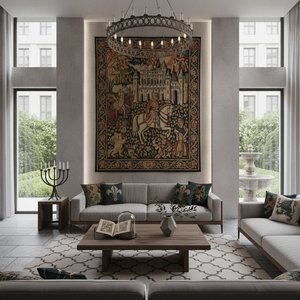
Timeless Elegance: How to Integrate High Medieval Art into Your Modern Interior Design
Discover how to infuse your modern home with the divine light of High Medieval art. From gilded illuminated manuscripts to Gothic-inspired textures, learn expert tips for integrating timeless elegance and historical grandeur into contemporary interior design.

Οι Κορυφαίοι 25 Πίνακες του Goya: Έμπνευση για Διακόσμηση & Τέχνη
Ανακαλύψτε τους 25 κορυφαίους πίνακες του Goya! Εξερευνήστε την Ισπανική ζωγραφική, τον Ρομαντισμό και τις Μαύρες Ζωγραφίες. Βρείτε έμπνευση για διακόσμηση & υψηλής ποιότητας αναπαραγωγές τέχνης στο ArtsDot.com.

Σχετικά με εμάς
Ανακαλύψτε την ιστορία μας! Φέρνουμε την τέχνη παγκόσμιας κλάσης στη ζωή σας μέσα από εξειδικευμένη επιλογή, προσαρμοσμένες δημιουργίες και δωρεάν προεπισκοπήσεις. Εγκεκριμένο από ιδιώτες και επιχειρήσεις από το 2000.

Illuminating Faith & Power: A Journey Through Medieval Art (c. 500 – c. 1500)
Explore the rich history of Medieval Art (c. 500 – c. 1500) with ArtsDot. Discover Byzantine mosaics, Gothic cathedrals & Renaissance masterpieces. Expert insights & museum-quality reproductions.