

 Προεπισκόπηση σε πραγματική κλίμακα
 Αποστολή
 Κοινοποίηση
 Λεπτομέρειες
 Οδηγός

 Λήψη
Λήψη
 Παρόμοια αντικείμενα συλλογής
 Ακτινογραφία
 Παρουσίαση
 Ερωτήσεις & Απαντήσεις
 Στατιστικά
The Estaque


 Περισσότερα
Λάβετε ένα αρχείο έτοιμο για εκτύπωση, με ποιότητα πολύ ανώτερη από την προεπισκόπηση στον ιστότοπο. Κάθε ψηφιακή εικόνα που διαθέτουμε προέρχεται από ένα αρχείο υψηλής ανάλυσης στη βάση δεδομένων μας —συνήθως με πλάτος 5.000 έως 15.000 pixel— ώστε να μπορείτε να εκτυπώσετε σε μεγάλο μέγεθος, να κάνετε στενές κοψιμές ή να αναπαράγετε τις λεπτομέρειες με απόλυτη εμπιστοσύνη.
Κανένα αρχείο δεν φεύγει από το στούντιο μας χωρίς να υποστεί επεξεργασία. Ένας ειδικός ψηφιακών εικόνων ελέγχει τα χρώματα σε σύγκριση με το πρωτότυπο έργο και τα διορθώνει αν χρειαστεί, στη συνέχεια βελτιώνει την καθαρότητα και τις λεπτομέρειες με επαγγελματικά εργαλεία αφαίρεσης ατέλειων — παραμένοντας πάντα πιστός στις πινελιές και το ύφος του καλλιτέχνη. Το αποτέλεσμα είναι μια εικόνα που μοιάζει με το ίδιο το αριστούργημα και όχι με ένα σκανάρισμα με φίλτρα.
Εγκρίνετε πριν την ολοκλήρωση: ο ειδικός μας σας στέλνει την εικόνα μέσω e-mail εντός 72 ωρών για επανεξέταση. Δεν είστε ικανοποιημένοι; Ζητήστε βελτιώσεις ή διορθώσεις, ή ζητήστε επιστροφή χρημάτων εάν η ποιότητα δεν ανταποκρίνεται στις προσδοκίες σας.
Αυτή είναι η ποιότητα στην οποία εμπιστεύονται οι εκδότες, τα design studios, οι γκαλερί και τα εκτυπωτήρια.
Ψηφιακή εικόνα
Κατεβάστε ένα αρχείο υψηλής ανάλυσης για προσωπική χρήση, εκτύπωση και δημιουργικά έργα. ( Μετάβαση σε Εκτυπώσεις Αγορά χειροποίητου πίνακα)
Περιλαμβάνεται σε κάθε παραγγελία ψηφιακής εικόνας
Επαγγελματική Ψηφιακή Παράδοση με Εγγύηση
Όταν επιλέγετε το ArtsDot.com, δεν αποκτάτε απλώς μια εικόνα – λαμβάνετε ένα επαγγελματικά αναβαθμισμένο ψηφιακό έργο τέχνης, δημιουργημένο με ακρίβεια και με εγγύηση ικανοποίησης. Δείτε όλα όσα περιλαμβάνονται στην παραγγελία σας, αυτόματα:

Άμεση αποστολή μέσω email
Το ψηφιακό σας αρχείο εικόνας υψηλής ανάλυσης θα σας σταλεί μέσω email εντός 72 ωρών από την παραγγελία σας — έτοιμο για άμεση χρήση.

Ψηφιακό Αρχείο με Τεχνητή Νοημοσύνη
Το έργο σας βελτιστοποιείται επαγγελματικά με τη χρήση προηγμένων εργαλείων Τεχνητής Νοημοσύνης και χειροκίνητης επεξεργασίας, εξασφαλίζοντας μέγιστη λεπτομέρεια, ευκρίνεια και ακρίβεια χρωμάτων.

Δωρεάν επανεκδόσεις مدى ζωής
Απώλησες ή διαγράψατε κατά λάθος το αρχείο σας; Μην ανησυχείτε — θα σας το ξαναστείλομε οποιαδήποτε στιγμή, δωρεάν.

Χωρίς Τελωνειακούς Φόρους - Ποτέ
Απολαύστε αμέσως τα έργα τέχνης σας χωρίς δασμούς, φόρους ή έξοδα αποστολής - οι ψηφιακές λήψεις είναι πάντα αφορεশিপτεία.

Εγγύηση Ακριβούς Χρωματισμού
Εξασφαλίζουμε ότι η ψηφιακή σας εικόνα αποτυπώνει τα αυθεντικά χρώματα όσο το δυνατόν πιστότερα, χρησιμοποιώντας επαγγελματικά εργαλεία και διαχείριση χρωμάτων.

Εγγύηση Ικανοποίησης 100 Ημερών
Εάν δεν είστε ικανοποιημένοι με την ψηφιακή σας εικόνα, θα την τροποποιήσουμε ή θα σας επιστρέψουμε το 100% εντός 100 ημερών — χωρίς κανένα ερώτημα.

100% Εγγύηση Επιστροφής Χρήματος
Δεν είστε ικανοποιημένοι; Λάβετε πλήρη επιστροφή των χρημάτων σας εντός 100 ημερών από τη λήψη του ψηφιακού σας αρχείου — χωρίς κανένα ερώτημα.

Εκπτώσεις σε μεγάλες παραγγελίες
Αγοράστε 3 εικόνες, κάντε εξοικονόμηση 10% - Αγοράστε 5, κάντε εξοικονόμηση 15% - Αγοράστε 10+, κάντε εξοικονόμηση 20%. Ιδανικό για δημιουργικά έργα, γκαλερί και agencies.
A Vibrant Symphony of Light and Life
In the sun-drenched landscape of 1906, Georges Braque captured a moment of pure, unadulterated vitality in his masterpiece, The Estaque. This painting serves as a breathtaking window into a bustling harbor town, where the rhythmic dance of boats upon the water meets the steady, enduring presence of the coastal architecture. As one gazes upon the canvas, the eye is immediately drawn to the lively movement within the harbor; at least twelve vessels of varying sizes drift across the shimmering surface, creating a sense of profound depth and perspective. The scene is not merely a static landscape but a living, breathing ecosystem of activity. Tiny, spirited figures populate the docks and decks, their presence adding a human pulse to the maritime setting. This delicate interplay between the vastness of the sea and the intimate details of daily life creates an atmosphere that is both expansive and deeply personal, inviting the viewer to step into this Mediterranean dream.
The emotional resonance of The Estaque lies in its ability to evoke a sense of nostalgic warmth and summer tranquility. For the art collector or interior designer, this piece offers more than just visual beauty; it provides an emotional anchor for a room. The painting radiates a certain joy—a celebration of light and leisure that can transform a modern living space into a sanctuary of calm and inspiration. There is a palpable sense of movement in the brushwork that suggests the gentle lapping of waves and the distant calls of sailors, making the artwork feel as though it is still vibrating with the energy of that summer day over a century ago.
The Dawn of Fauvism and Technical Mastery
Historically, The Estaque sits at a pivotal crossroads in the evolution of modern art. Painted during Braque's formative years, the work is a brilliant example of the Fauvist style, a movement characterized by its "wild" use of color and expressive brushstrokes. Before his later, more cerebral explorations into Cubism, Braque utilized this period to liberate color from its traditional descriptive role. In this painting, colors are not merely used to replicate reality but to amplify the emotional temperature of the scene. The vibrant hues and bold applications of paint demonstrate a technical mastery that balances spontaneous energy with structural composition.
The technique employed here is nothing short of masterful. Braque utilizes short, powerful strokes that build texture and form, allowing the light to appear as if it is dancing across the water's surface. This approach creates a tactile quality that makes a high-quality reproduction feel incredibly rich and layered. For those looking to adorn a sophisticated interior, the painting’s ability to command attention through its textural complexity and brilliant palette makes it an incomparable centerpiece. It stands as a testament to Braque's early genius—a moment where the technical precision of his craftsman heritage met the radical, expressive spirit of the avant-garde.
A Timeless Vision for the Modern Collector
Beyond its historical significance, The Estaque possesses a timeless aesthetic appeal that transcends eras. Its composition, which balances the ruggedness of the background town with the fluid grace of the foreground boats, offers a perfect harmony of structure and motion. This balance makes it an exceptionally versatile piece for various design aesthetics, from classic European elegance to contemporary minimalist settings. The painting does not merely decorate a wall; it narrates a story of light, movement, and the enduring charm of the French coast.
Investing in a reproduction of such a seminal work allows one to bring a piece of art history into the private sphere. It serves as a constant source of inspiration, reminding the observer of the beauty found in the simple, vibrant moments of existence. Whether placed in a sunlit study or a grand dining hall, The Estaque acts as a portal to a more luminous era, offering a sophisticated touch of French Impressionist and Fauvist splendor that continues to captivate the soul of every viewer.
Ερωτήσεις και Απαντήσεις
Ποια είναι η αιτία της κατάστασης των πνευματικών δικαιωμάτων για το έργο "The Estaque" του Γεώργιος Μπρακής;
Το έργο "The Estaque" του Γεώργιος Μπρακής ανήκει στο ακόμα προστατευόμενο από δικαιώματα αυτορικού. Οι όροι πνευματικών δικαιωμάτων υπολογίζονται από το έτος θανάτου του καλλιτέχνη, και ο/η Γεώργιος Μπρακής απεβίωσε το 1963.
Το έργο "The Estaque" του Γεώργιος Μπρακής είναι πίνακας, σχέδιο ή γραφικό;
Το έργο "The Estaque" του Γεώργιος Μπρακής ταξινομείται ως WallArt. Η κατηγορία αυτή περιγράφει το είδος του πρωτοτύπου έργου τέχνης.
Τα χρώματα του "The Estaque" φαίνονται έντονα ή απαλά;
Το έργο "The Estaque" του Γεώργιος Μπρακής παρουσιάζει ένταση χρώματος επιπέδου Vivid.
Σχετικά Έργα Τέχνης


Βιογραφικό Καλλιτέχνη
Early Life, Family and Training
Georges Braque was born in Argenteuil, France, in 1882. His early years were spent in Le Havre, France, within a household defined by the practicalities of decoration and color. Growing up in a family of house painters and decorators, he was immersed in the tactile realities of his trade from a young age. This upbringing provided a foundation of technical craftsmanship that would later inform his approach to the canvas.
Before pursuing the fine arts, he followed the established path of his kin by apprenticing as a house painter and decorator. This period of manual labor instilled in him a specific understanding of materials and the physical properties of surfaces. Such practical training offered a grounded perspective on how pigments interact with different textures, a sensibility that would eventually distinguish his later experiments with materiality.
The transition from trade to formal study took him to Paris in 1902. It was there that he continued his studies at the Académie Humbert, seeking to refine his innate inclinations through academic discipline. This period of formal instruction provided the necessary structure for his developing vision, bridging the gap between the manual application of paint and the intellectual pursuit of composition.
The Fauvist Period and Cézanne's Influence
The early years of Braque's career were shaped by the lingering shadows of Impressionism and Post-Impressionism. His initial explorations sought to capture the fleeting qualities of light and atmosphere, yet a deeper structural hunger began to emerge. By 1905, he turned toward the principles of Fauvism, embracing a more intense and non-naturalistic use of color to convey emotion. This period was marked by a departure from mere observation, as he began to prioritize the expressive power of the palette over the literal depiction of his subjects.
This newfound coloristic freedom found a necessary anchor in the work of Paul Cézanne. Braque found himself drawn to the way Cézanne utilized firm structures and a deliberate approach to color to organize the visual field. It was this intersection of Fauvist color and Cézannian geometry that would define his transition into a more radical mode of seeing. He sought to reconcile the emotional intensity of his colors with a sense of architectural permanence.
The results of this synthesis are visible in his 1908 work, Houses at L'Estaque. In this piece, the landscape is no longer a collection of soft impressions but a series of colorful, tilted planes and geometric shapes. The influence of Cézanne is unmistakable here, as the terrain is reduced to its essential volumes. He began to dismantle the traditional perspective of the landscape, replacing it with a fragmented, structured reality that prioritized the underlying form of the world.
The Development of Cubism
Between 1907 and 1914, Paris became the site of a profound visual restructuring through the collaboration of Georges Braque and Pablo Picasso. This partnership moved beyond the emotional intensity of Fauvism toward a more cerebral investigation of form. They developed Analytical Cubism, a method that dissected objects into fragmented geometric shapes. Rather than attempting to replicate the illusion of three-dimensional space, they sought to represent the totality of an object by presenting multiple viewpoints simultaneously. This approach stripped away traditional perspective, replacing it with a complex arrangement of planes and lines.
By about 1912, the movement underwent a significant transition into Synthetic Cubism. This phase moved away from the dissection of forms and toward the construction of new images through the assembly of diverse elements. Braque was a primary innovator in this shift, having created the first papier collé by attaching wallpaper to a drawing. This act of gluing physical materials onto the surface challenged the boundaries of the canvas, asserting the painting as an autonomous object rather than a window into another world. His work during this period focused on the relationship between representation and the tangible reality of the materials used.
- Houses at L'Estaque (1908)
- Man with a Guitar (1911)
- Fruit Dish and Glass (1912)
Technique and Artistic Innovation
Braque’s approach to the canvas was defined by a restless curiosity regarding the physical properties of his materials. He moved beyond the traditional boundaries of oil painting by introducing elements that challenged the illusion of depth. By incorporating real-world materials such as newspaper clippings, wallpaper, and fabric, he disrupted the singular perspective of the picture plane. This experimentation led to the development of papier collé, a method of pasting paper that allowed him to integrate the textures of everyday life directly into his compositions. He sought to bridge the gap between the painted image and the tangible object.
His technical repertoire was marked by a tactile, almost sculptural sensibility. He frequently blended pigments with sand to alter the surface texture, creating a grit that caught the light in unexpected ways. To further manipulate the viewer's perception of space and materiality, he experimented with copying the visual patterns of wood grain and marble. This was not merely a decorative choice but a way to explore how different surfaces interact with light and form. He also utilized stenciled letters on his works, a technique that added a layer of graphic dimension and helped anchor the composition within a modern, legible reality.
- Fruit Dish and Glass (1912)
- Violin and Pipe (1912)
- Clarinet and Bottle of Rum on the Mantlepiece (1912)
War and Stylistic Evolution
The outbreak of World War I in 1914 brought a sudden, violent interruption to the intellectual rigor of the Cubist movement. Braque was called up for military service, a period that would fundamentally alter both his physical well-being and his creative temperament. In 1915, he sustained a serious head wound in the trenches, an injury that resulted in temporary blindness and required a trepanation to recover his sight. This brush with darkness forced a shift in his perception. The rigid, analytical structures that had defined his earlier years began to soften, replaced by a more personal and lyrical approach to his subjects.
Upon his return from the war, the strict geometric constraints of his previous collaboration with Picasso were no longer his sole concern. His style evolved to incorporate elements of classical composition, seeking a sense of balance and harmony that felt more grounded in the physical world. He moved away from the purely intellectual dissection of form, embracing a more nuanced and contemplative way of seeing. His work became less about the fragmentation of space and more about the quiet, serene atmosphere of the objects themselves.
- Still Life with Playing Cards (1919)
Key Works and Notable Pieces
The trajectory of Braque's career is marked by specific compositions that signal his shifts in thought and technique. In 1908, Houses at L'Estaque emerged, utilizing colorful, tilted planes and geometric shapes that reflected a departure from traditional perspective. This period of experimentation continued into 1910 with Violin and Palette, a work that utilized paper and mixed media to study how color interacts with form. By 1911, his focus moved toward the dissection of space in Man with a Guitar, a piece that exemplifies the analytical approach he developed alongside his contemporaries.
As his methods evolved, the introduction of new materials changed the texture of his canvases. The 1912 work Fruit Dish and Glass demonstrated the transition into a style where recognizable subject matter was reincorporated through the use of collage. Even after the disruptions of war, his output maintained a connection to his earlier investigations. The Musician, created in 1918, reflects a period of personal transition, while his much later 1955 painting, Two Birds, shows a continued interest in the fundamental properties of his chosen subjects.
- Mandola (1910)
- Still life with harp and violin (1912)
- Guitar (1913)
- Still Life with Playing Cards (1919)
Legacy and Enduring Impact
By the time of his death on August 31, 1963, Georges Braque had fundamentally altered the understanding of how we perceive and represent the world. As a co-founder of the Cubism movement, he helped dismantle the long-held reliance on traditional perspective, replacing it with a fragmented, multi-dimensional reality. His work moved beyond mere imitation of nature, seeking instead to capture the essence of objects through a rigorous study of form and space. This shift forced a permanent change in the visual language of the twentieth century.
His influence on subsequent generations of artists remains immeasurable. By introducing papier collé and integrating everyday materials into his compositions, he bridged the gap between the canvas and the tangible world. This innovation challenged the boundaries of what a painting could be, paving the way for future explorations into texture and materiality. Even as his style evolved toward more lyrical and serene themes in his later years, the structural integrity of his Cubist foundations remained a constant presence in his output.
- Houses at L'Estaque
- Man with a Guitar
- Fruit Dish and Glass
- Violin and Pipe
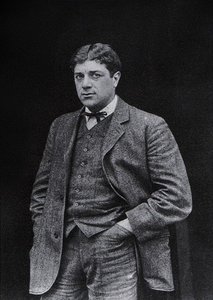
Γεώργιος Μπρακής
1882 - 1963 , Γαλλία
Σύντομη Βιογραφία
- Artistic Movement Or Style:
- Φαουβισμός
- Κυβισμός
- Αναালিτικός Κυβισμός
- Συνθετικός Κυβισμός
- Artists Or Movements Influenced By This Artist: ['Σύγχρονη τέχνη']
- Artists Who Influenced This Artist:
- Henri Matisse
- André Derain
- Paul Cézanne
- Date Of Birth: 1882
- Date Of Death: 1963
- Full Name: Γεώργιος Μπρακής
- Nationality: Γάλλος
- Notable Artworks:
- Σπίτια στην L'Estaque
- Η Υπομονή
- Βιολί και Παλέτα
- Mandola
- Place Of Birth: Αργεντεϋλ, Γαλλία