
- Αρχική

- Εκτύπωση σε καμβά
- george minne
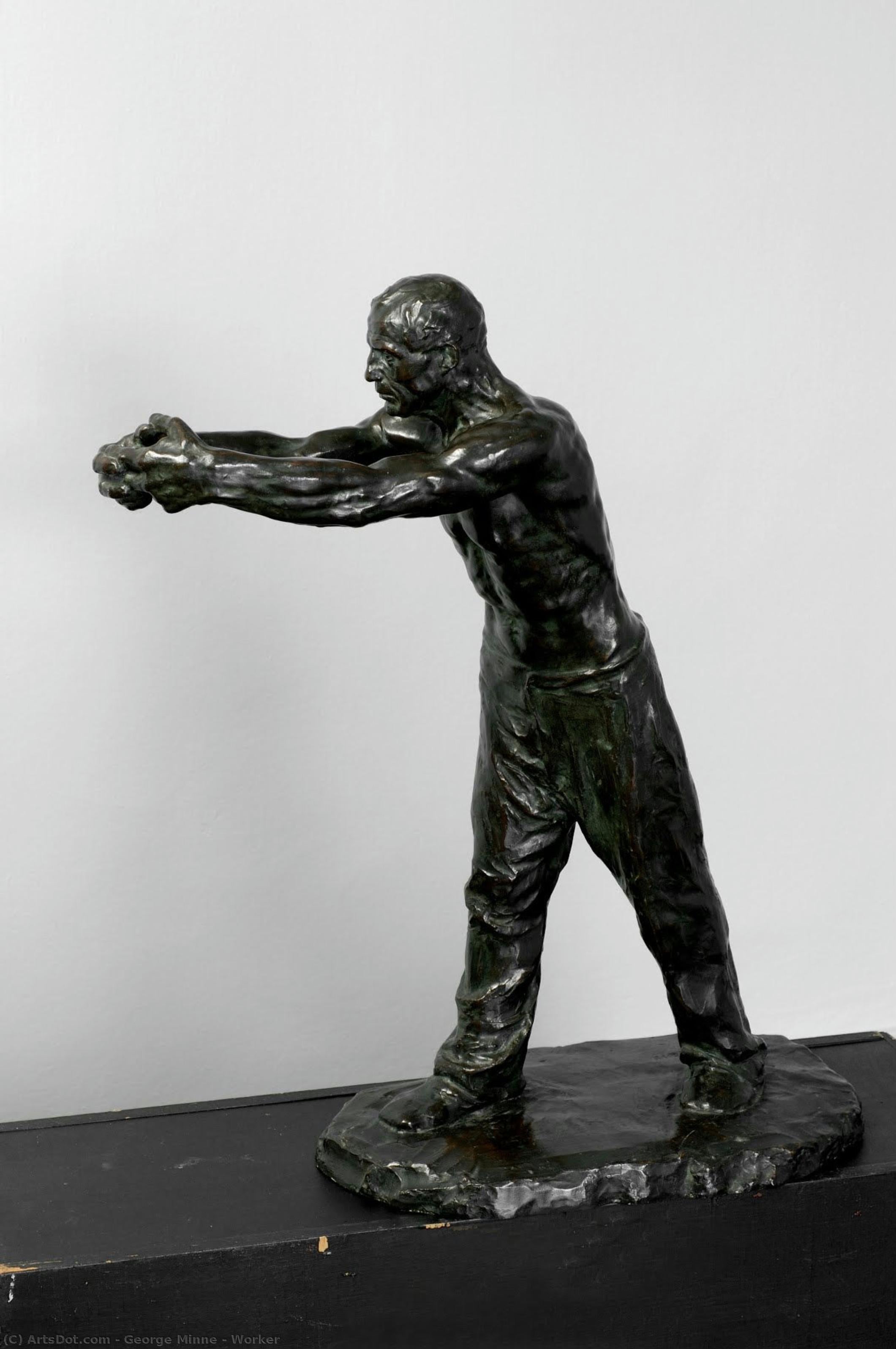
- Worker
 Αγοράστε την αναπαραγωγή Αγορά ψηφιακής εικόνας
 Αποστολή
 Κοινοποίηση
 Λεπτομέρειες
 Προσθήκη στα αγαπημένα

 Λήψη
Λήψη
 Παρόμοια έργα
 Ακτινογραφία
 Παρουσίαση
Worker
 27.0 x 76.0 cm
 The Art Museum RIGA BOURSE
 Περισσότερα λεπτομέρεια
Giclée / Εκτυπώσεις Τέχνης
Εκτύπωση giclée ή σε καμβά ποιότητας μουσείου με γρήγορη παραγωγή και ευέλικτες επιλογές φινιρίσματος.




































Επιλέξτε από τις προκαθορισμένες διαστάσεις μας που διατηρούν τις αρχικές αναλογίες του έργου τέχνης.

Μπορείτε να εισαγάγετε δικές σας διαστάσεις ώστε να ταιριάξουν με ένα συγκεκριμένο πλαίσιο ή χώρο. Εάν το επιλεγμένο μέγεθος δεν συμπίπτει με τις αναλογίες της πρωτότυπης εικόνας, θα κόψουμε το έργο τέχνης ή θα επεκτείνουμε την εικόνα με καθρεφτισμένη ή μονόχρωμη ατέλεια. Θα σας αποσταλεί ένα ψηφιακό mockup για έγκρισή σας πριν από την έναρξη της παραγωγής.
Παρακαλούμε σημειώστε ότι η προεπισκόπηση στην οθόνη δεν αντικατοπτρίζει την πραγματική κοπή ή επέκταση. Μόνο το mockup θα δείξει με ακρίβεια την τελική σύνθεση.
Παρόλο που είναι διαθέσιμες προσαρμοσμένες διαστάσεις, προτείνουμε την επιλογή μιας διάστασης από τη προκαθορισμένη λίστα για τη διατήρηση των αρχικών αναλογιών.
Παγκόσμια Αποστολή () σε 2 εβδομάδες αντί για τις συνήθεις 4/5 εβδομάδες. (23 Ιούλιος)

Δωρεάν Παγκόσμια Αποστολή Express

Κάμβας από Λινό Υψηλής Ποιότητας

Πλήρης ασφάλιση μεταφοράς

Εγγύηση Επιστροφής Δασμών και Φόρων

Εγγύηση Απόλυτης Ομοιότητας Χρωμάτων

Πολιτική Επιστροφής 60 Ημερών (Μόνο σε περίπτωση ελαττωμάτων)

Εγγύηση επιστροφής 100% των χρημάτων

Έκπτωση για πολλαπλές παραγγελίες
 Η επιλογή με γυαλί είναι διαθέσιμη μόνο για μεγέθη κάτω από 110 εκ.

Worker
Giclée / Εκτυπώσεις Τέχνης
Διαστάσεις Αναπαραγωγής
-


Τελική Τιμή
-
Περιγραφή Συλλεκτικού Αντικειμένου
Βιογραφία Καλλιτέχνη
George Minne: Sculptor of Inner Landscapes
George Minne (born georgius joannes leonardus minne; 30 august 1866 – 18 february 1941) was a Belgian artist and sculptor whose oeuvre profoundly explored the complexities of human psychology and spirituality. Emerging from Ghent’s artistic milieu, Minne stands alongside Gustav Klimt and Egon Schiele as a pivotal figure in the Viennese Secession movement—a collective that championed Art Nouveau aesthetics and wrestled with existential questions. His distinctive style fused sculptural form with Symbolist ideas, resulting in hauntingly beautiful works that continue to resonate with viewers today.Early Life & Artistic Formation
Born into an architecturally prominent family, George Augustus Minne’s upbringing instilled a deep appreciation for craftsmanship and visual harmony. He commenced his artistic education at the Royal Academy of Fine Arts in Ghent in 1879, honing his skills under influential instructors who championed classical ideals alongside burgeoning modernist tendencies. Further refining his technique at the Académie royale des beaux-arts in Brussels from 1885 to 1889 solidified Minne’s grounding in artistic tradition while simultaneously exposing him to the avant-garde currents shaping European art. Notably, he befriended writers Maurice Maeterlinck and Grégoire Leroux during his formative years in Paris, fostering connections that would prove crucial to his intellectual development and artistic vision.Symbolist Influences & Parisian Engagement
Minne’s encounter with Symbolism marked a decisive turning point in his artistic trajectory. Inspired by artists like Edvard Munch and Gustave Moreau, he embraced the movement's preoccupation with psychological states and spiritual symbolism—themes that would permeate his subsequent sculptures. His return to Paris in 1890 brought him into contact with August Rodin, whom he respectfully sought permission to study alongside. Rodin’s encouragement – “I have nothing to teach you” – underscored Minne’s belief in independent artistic exploration and fueled his unwavering commitment to pursuing his own unique aesthetic path.Sculptural Innovation & The Kneeling Youth Series
Minne's sculptural output is characterized by a remarkable sensitivity to form and texture, reflecting the influence of both classical sculpture and the expressive dynamism of Art Nouveau. He achieved international renown through his celebrated “Kneeling Youth” series, including the monumental fountain in Ghent’s Sint-Martinus Square—a masterpiece of bronze casting that embodies Minne's fascination with human vulnerability and contemplation. These sculptures, alongside numerous smaller pieces housed in museums across Europe and America, exemplify Minne’s masterful manipulation of material to convey profound emotional depth. The Neue Galerie’s “Kneeling Youth” sculptures, previously owned by Adele Bloch-Bauer and Ferdinand Bloch-Bauer—a wealthy industrialist—were tragically confiscated during the Nazi occupation, only to be painstakingly restituted decades later through concerted international efforts.Legacy & Historical Significance
George Minne's contribution to Belgian art history is undeniable. His sculptures stand as enduring symbols of introspection and spiritual yearning—expressions that align seamlessly with the broader artistic dialogues of his time. Alongside Klimt and Schiele, Minne helped propel Art Nouveau into a dominant aesthetic force, shaping the visual landscape of Europe at the turn of the century. Today, Minne’s work continues to inspire artists and scholars alike, cementing his place as one of Belgium's most significant sculptors and a visionary interpreter of the human condition. His enduring legacy resides in the profound beauty and psychological complexity of his creations—a testament to an artist who dared to confront existential anxieties with unwavering artistic conviction.
george minne
1866 - 1941
Σημαντικά στοιχεία
- Artistic Movement Or Style: Symbolist Sculpture
- Artists Or Movements Influenced By This Artist: Vienna Secession
- Artists Who Influenced This Artist: Gustav Klimt
- Date Of Birth: August 30, 1866
- Date Of Death: February 18, 1941
- Full Name: George Minne
- Nationality: Belgian
- Notable Artworks:
- The Fountain of Kneeling Youths
- Pair of Kneeling Youth Sculptures
- Place Of Birth: Ghent, Belgium

