
- Αρχική

- Αναπαραγωγή Πινάκων Λαδιού
- Endre Rozsda
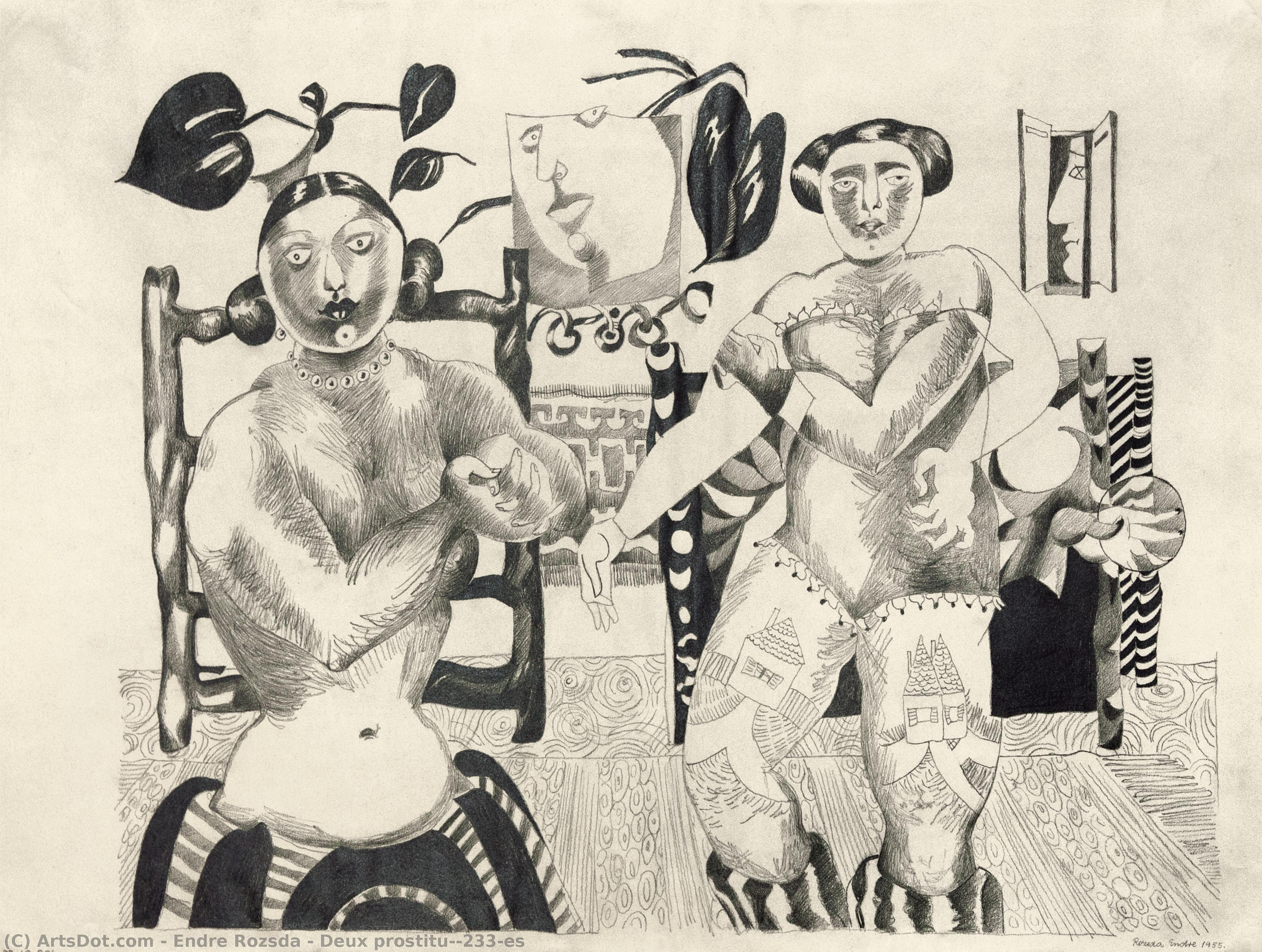
- Deux prostituées
 Προεπισκόπηση
 Αποστολή
 Κοινοποίηση
 Λεπτομέρειες

 Λήψη
Λήψη
 Παρόμοια έργα
 Ακτινογραφία
 Παρουσίαση
Deux prostituées
 Surrealism
 1955
1955 44.0 x 66.0 cm
 Περισσότερα λεπτομέρεια
Χειροποίητη Αναπαραγωγή σε Έλαιο
Χειροποίητη α óleo σε καμβά στο δικό σας μέγεθος και πλαίσιο, κατά παραγγελία από τους καλλιτέχνες μας. ( Μετάβαση στην Εκτύπωση Μετάβαση σε Εικόνα)




































Επιλέξτε από τις προκαθορισμένες διαστάσεις μας που διατηρούν τις αρχικές αναλογίες του έργου τέχνης.

Μπορείτε να εισάγετε δικές σας διαστάσεις για να ταιριάξετε το έργο με ένα συγκεκριμένο πλαίσιο ή χώρο. Εάν το επιλεγμένο μέγεθος δεν συμπίπτει με τις αναλογίες της αρχικής εικόνας, θα περικοψούμε το έργο τέχνης ή θα επεκτείνουμε τη ζωγραφιά με πρόσθετα χειρόγραφα στοιχεία. Ένα ψηφιακό προσχέδιο θα σας σταλεί για έγκριση πριν την έναρξη της παραγωγής.
Παρακαλούμε σημειώστε ότι η προεπισκόπηση στην οθόνη δεν αντικατοπτρίζει την πραγματική περικοπή ή επέκταση. Μόνο το προσχέδιο θα δείξει με ακρίβεια την τελική σύνθεση.
Παρόλο που είναι διαθέσιμα προσαρμοσμένα μεγέθη, συνιστούμε να επιλέξετε μια διάσταση από τη λίστα των προκαθορισμένων μεγεθών για τη διατήρηση των αρχικών αναλογιών.
Μετά την παραγγελία, η ομάδα του ArtsDot.com θα στείλει email στον πελάτη για οδηγίες και θα παρέχει μια προεπισκόπηση προσχεδίου
Παγκόσμια Αποστολή () σε 3/4 εβδομάδες αντί για τις συνήθεις 5 εβδομάδες. (3 Αύγουστος). Χωρίς συμβιβασμούς στην ποιότητα.

Δωρεάν Παγκόσμια Αποστολή Express

Κάμβας από Λινό Υψηλής Ποιότητας

Πλήρης ασφάλιση μεταφοράς

Εγγύηση Επιστροφής Δασμών και Φόρων

Εγγύηση Απόλυτης Ομοιότητας Χρωμάτων

Πολιτική Επιστροφής 60 Ημερών (Μόνο σε περίπτωση ελαττωμάτων)

Εγγύηση επιστροφής 100% των χρημάτων

Έκπτωση για πολλαπλές παραγγελίες
 Η επιλογή με γυαλί είναι διαθέσιμη μόνο για μεγέθη κάτω από 110 εκ.

Deux prostituées
Τεχνική Αναπαραγωγής
Διαστάσεις Αναπαραγωγής
-


Τελική Τιμή
$ 263
Παρόμοια Έργα Τέχνης


Βιογραφία Καλλιτέχνη
Endre Rozsda: A Life in Surrealism
Early Life and Education
Endre Rozsda (Hungarian: rozsda endre; November 18, 1913 – September 16, 1999) was a Hungarian-French painter. Born in Mohács, a small city along the Danube River in Hungary, his childhood memories profoundly impacted his entire artistic journey. He received foundational training at the school of Vilmos Aba-Novák, laying the groundwork for his future explorations.
Early Artistic Development (1930s - 1940s)
Rozsda’s early career blossomed with a successful solo exhibition in Budapest in 1936 at the ‘Tamás’ gallery. Critics lauded his work, and the Museum of Fine Arts acquired one of his paintings. This period was closely tied to Hungarian post-impressionism. However, a transformative experience – attending a concert by Béla Bartók – signaled a shift in his artistic direction. The German occupation forced his return to Budapest in 1943, where his unique surrealistic style began to fully mature.
Surrealist Period and European School (1940s - 1956)
After World War II, Rozsda became actively involved with the establishment of the European School, participating in numerous group exhibitions. This period saw him developing his signature surrealistic approach, drawing heavily on personal memories to conjure a unique and dreamlike world.
Exile and Parisian Years (1956 - 1999)
The suppression of the Hungarian Revolution in 1956 prompted Rozsda’s permanent relocation to France. In Paris, he connected with influential figures like Raymond Queneau and André Breton, who penned an introduction for his exhibition at the ‘Furstenberg’ gallery in 1957. He participated in the International Exhibition of Surrealism in Milan (1961). A significant achievement came in 1964 when he won the Copley Prize, judged by a distinguished panel including Hans Arp, Max Ernst, and Marcel Duchamp.
Artistic Style and Themes
Rozsda’s work underwent further evolution from the 1960s onwards. He explored the interplay of architectonic structures and swirling colors, creating richly detailed microcosms. His artistic endeavor was driven by a desire “to control time” and dissolve reality through imagination, consistently relying on surrealist principles while embracing lyrical abstraction as his means of expression.
- Key Themes: Childhood memories, dreams, the subconscious, architectural forms
- Influences: Béla Bartók (music), Vilmos Aba-Novák (early training), Surrealism
- Style Characteristics: Lyrical abstraction, surrealist imagery, detailed compositions, vibrant color palettes
Major Achievements and Legacy
Rozsda’s contributions to the art world are marked by his unique ability to blend personal experience with surrealist techniques. His work stands as a testament to the power of memory and imagination. He left behind a significant body of paintings that continue to captivate audiences with their dreamlike quality and intricate detail.
Historical Significance
Endre Rozsda’s artistic journey reflects the turbulent political landscape of 20th-century Europe. His exile from Hungary and embrace by the Parisian art scene highlight the role of art as a refuge and a means of expressing cultural identity. He remains an important figure in the history of Surrealism and lyrical abstraction, inspiring artists with his innovative approach to form and content.

Endre Rozsda
1913 - 1999 , Hungary
Σημαντικά στοιχεία
- Birth Date: 1913-11-18
- Birth Place: Mohács, Hungary
- Death Date: 1999-09-16
- Influenced By: Béla Bartók, Vilmos Aba-Novák
- Movement: Surrealism, Lyrical Abstraction
- Name: Endre Rozsda
- Nationality: Hungarian, French
- Notable Works: Femme au collier de perles, Deux prostituées

