

 Προεπισκόπηση σε πραγματική κλίμακα
 Αποστολή
 Κοινοποίηση
 Λεπτομέρειες
 Οδηγός

 Λήψη
Λήψη
 Παρόμοια αντικείμενα συλλογής
 Ακτινογραφία
 Παρουσίαση
 Ερωτήσεις & Απαντήσεις
 Στατιστικά
untitled (9111)


 Περισσότερα
Giclée / Εκτυπώσεις Τέχνης
Εκτύπωση giclée ή σε καμβά ποιότητας μουσείου με γρήγορη παραγωγή και ευέλικτες επιλογές φινιρίσματος. ( Αγορά χειροποίητου πίνακα Μετάβαση σε Ψηφιακή Αποτέλεσμα)




P118B €10

P118H €10

P118W €10

P438Z €10

P508JH €12

P508YH €12

P805H €10

P805Z €10

P919BZ €10

P919G €10

P919XJ €10

P959ZH €10

P968JZ €12

W106C €8

W218G €10

W218JH €8

W218Y €10

W307PJ €10

W316G €10

W316PJ €8

W316Y €10

W398PJ €8

W4111J €10

W500HY €15

W500JH €15

W692G €12

W849H €8

W940BG €15

W953PJ €8




Επιλέξτε από τις προκαθορισμένες διαστάσεις μας που διατηρούν τις αρχικές αναλογίες του έργου τέχνης.

Εισάγετε το πλάτος και το ύψος που επιθυμείτε, ώστε να ταιριάζουν στο κάδሮ ή στον τοίχο σας. Μια εκτύπωση μπορεί μόνο να υποστεί κοψίμό και ποτέ να μην γίνει μεγαλύτερη από την αρχική εικόνα, επομένως η επιλογή μεγέθους με διαφορετικό σχήμα συνεπάγεται απώλεια ενός μέρους της εικόνας. Σας στέλνουμε ένα ψηφιακό mockup για έγκριση πριν προχωρήσουμε σε οποιαδήποτε εκτύπωση. Η εικόνα που εμφανίζεται σε αυτή τη σελίδα δεν δείχνει την πραγματική κοπή — μόνο το mockup την παρουσιάζει.
Παγκόσμια Αποστολή () σε 2 εβδομάδες αντί για τις συνήθεις 4/5 εβδομάδες. (12 Νοέμβριος)

Δωρεάν γρήγορη διεθνής αποστολή

Κάμβας από Λινό Υψηλής Ποιότητας

Πλήρης ασφάλιση μεταφοράς

Εγγύηση επιστροφής δασμών και φόρων εισαγωγής

Εγγύηση Απόλυτης Ομοιότητας Χρωμάτων

Πολιτική Επιστροφής 100 Ημερών (Μόνο σε περίπτωση ελαττωμάτων)

Εγγύηση επιστροφής 100% των χρημάτων

Προσφορά για πολλαπλές παραγγελίες
 Η επιλογή με γυαλί είναι διαθέσιμη μόνο για μεγέθη κάτω από 110 εκ.

untitled (9111)
Giclée / Εκτυπώσεις Τέχνης
Διαστάσεις Αναπαραγωγής
-


Τελική Τιμή
€ 56
A Shadowed Beauty: Unveiling the Mystery of “Untitled (9111)”
This arresting portrait, often referred to as "Untitled (9111)," offers a glimpse into the intensely personal and profoundly melancholic world of Egon Schiele. The image presents a woman shrouded in mystery, her face partially obscured by a delicate veil, a gesture that immediately invites speculation about her identity and inner state. The painting possesses an undeniable vintage quality – a subtle blurring of edges and a muted palette suggest it’s not merely a reproduction but a piece imbued with the weight of time itself. It's a work that speaks volumes without uttering a single word, drawing the viewer into a quiet contemplation of human vulnerability and the unspoken anxieties of existence.
Schiele’s artistic journey was inextricably linked to personal tragedy. Born in 1890 in Tulln an der Donau, Austria – then part of the Austro-Hungarian Empire – his childhood was marked by illness and loss. The early death of his father from syphilis at the tender age of fourteen profoundly shaped his worldview, instilling a preoccupation with mortality that would permeate much of his oeuvre. This experience isn’t simply reflected in morbid subject matter; it's woven into the very fabric of his technique – a deliberate distortion of form and an unsettling intensity in his gaze. The woman before us embodies this legacy: she is not idealized, but presented with raw honesty, her downward glance hinting at a hidden sorrow.
Decoding Symbolism and Technique
Schiele’s style during this period – roughly 1910-1918 – is characterized by its expressive distortion and psychological depth. He moved away from the polished surfaces of academic art, embracing instead a visceral approach that prioritized emotional impact over realistic representation. Notice the elongated limbs, the subtly hunched posture, and the almost skeletal quality of the figure. These are not accidental choices; they’re deliberate attempts to convey a sense of fragility and impending doom. The veil itself is a potent symbol – it can represent modesty, concealment, or perhaps even a barrier between the viewer and the subject's true self.
Technically, Schiele employed a technique he termed “pointillé,” a dense network of tiny dots that created texture and movement on the canvas. This method, combined with his use of thin washes of color, lends the painting an ethereal quality, as if it’s caught between worlds – simultaneously present and fading away. The muted palette—primarily browns, greys, and ochres—further enhances this sense of melancholy and timelessness. The artist's hand is visible in places, a testament to his direct engagement with the medium and a rejection of idealized artistic detachment.
Historical Context: Vienna on the Brink
To understand “Untitled (9111),” it’s crucial to consider the historical context in which Schiele was working. Early 20th-century Vienna was a city teeming with intellectual ferment, but also gripped by social anxieties and political unrest. The Austro-Hungarian Empire was crumbling, and artists like Schiele were grappling with questions of identity, sexuality, and mortality – themes that resonated deeply within the cultural landscape. His work reflects this atmosphere of uncertainty and disillusionment, capturing a sense of impending change and the fragility of human existence in a world on the precipice.
Schiele’s life was tragically cut short during World War I, succumbing to influenza at the age of 28. His premature death only served to amplify the mystique surrounding his work, solidifying his reputation as one of the most innovative and emotionally charged artists of his generation. “Untitled (9111)” stands as a poignant reminder of his artistic genius – a hauntingly beautiful portrait that continues to resonate with viewers today.
A Timeless Masterpiece: Bringing Schiele Home
ArtsDot offers meticulously crafted, hand-painted reproductions of Egon Schiele’s “Untitled (9111),” allowing you to experience the raw emotion and captivating beauty of this iconic work in your own space. Our artists replicate Schiele's distinctive style with exceptional skill, capturing not only the visual details but also the underlying psychological intensity. Whether you are an art collector, interior designer seeking a statement piece, or simply someone drawn to the power of evocative imagery, a ArtsDot reproduction of “Untitled (9111)” is a timeless addition to any collection. Explore our range of sizes and canvas options today – and bring this enigmatic portrait into your world.
Ερωτήσεις και Απαντήσεις
Υπάρχει κάποιο ενημερωτικό φυλλάδιο για το "untitled (9111)" του Έγκον Σίλε που να απευθύνεται σε φοιτητές;
Για το έργο "untitled (9111)" του Έγκον Σίλε είναι διαθέσιμη σελίδα Οδηγός: ένα εκτυπώσιμο ενημερωτικό φυλλάδιο για το έργο τέχνης, σχεδιασμένο για μαθητές και χρήση στην τάξη.
Τι απεικονίζει το "untitled (9111)" του Έγκον Σίλε;
Τα θέματα που περιλαμβάνονται στο "untitled (9111)" του Έγκον Σίλε περιλαμβάνουν το/τα woman, veil, hat, mourning, figure, shadow, mortality. Μαζί, συνοψίζουν το περιεχόμενο του έργου τέχνης.
Μπορώ να δω μια ακτινογραφική απεικόνιση του "untitled (9111)" του Έγκον Σίλε;
Το "untitled (9111)" μπορεί να εξεταστεί στρώμα προς στρώμα στη σελίδα Ακτινογραφική εξέταση του έργου, ένας προβολέας εμπνευσμένος από τον πάγκο φωτισμού ενός συντηρητή, με έντεκα οπτικά διαβάσματα της εικόνας.
Σχετικά Έργα Τέχνης


Σχετικά άρθρα

Egon Schiele: Τα 25 Κορυφαία Έργα Τέχνης | ArtsDot.gr
Ανακαλύψτε τα 25 κορυφαία έργα τέχνης του Egon Schiele! Εξερευνήστε τη ζωή, το στυλ και την τεχνική του Αυστριακού εξπρεσιονιστή. Βρείτε πίνακες Schiele υψηλής ποιότητας για να εμπνεύσετε τον χώρο σας. Αναπαραγωγές τέχνης στο ArtsDot.com.

Τα 10 Κορυφαία Έργα που Όρισαν τον Εκφρασισμό στη Ζωγραφική | ArtsDot.gr
Ανακαλύψτε τα 10 κορυφαία έργα του Εκφρασισμού! Munch, Van Gogh & άλλοι πρωτοπόροι. Ιστορίες, τεχνικές και έντονα χρώματα που καθόρισαν την μοντέρνα τέχνη. Βρείτε αναπαραγωγές υψηλής ποιότητας στο ArtsDot.com.
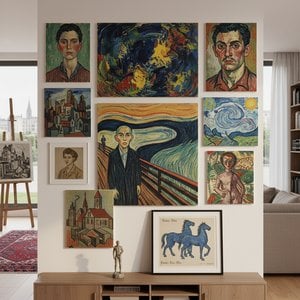
Τα 10 Κορυφαία Έργα που Όρισαν τον Εξπρεσιονισμό | ArtsDot.gr
Ανακαλύψτε τα 10 κορυφαία έργα του Εξπρεσιονισμού! Μάθετε για τους Munch, Van Gogh & άλλους σπουδαίους καλλιτέχνες. Βρείτε αναπαραγωγές πινάκων υψηλής ποιότητας και εμπνευστείτε για τη διακόσμηση του χώρου σας στην ArtsDot.com.

Egon Schiele: Expressionism, Anxiety & the Modern Condition – A Comprehensive Exploration
Explore the emotionally charged world of Egon Schiele (1890-1918). Discover his Expressionist masterpieces, psychological themes, and lasting impact on modern art. A comprehensive guide for collectors & enthusiasts.

Echoes of Time: Nostalgia, Technique & Cultural Significance in Vintage Paintings
Explore the captivating world of vintage paintings! Discover key styles, cultural significance & collecting tips from art experts at ArtsDot. Find authentic reproductions and elevate your home décor.


