


 Προεπισκόπηση
 Αποστολή
 Κοινοποίηση
 Λεπτομέρειες
 Οδηγός

 Λήψη
Λήψη
 Παρόμοια αντικείμενα συλλογής
 Ακτινογραφία
 Παρουσίαση
 Στατιστικά
untitled (8346)

 Περισσότερα λεπτομέρεια
Giclée / Εκτυπώσεις Τέχνης
Εκτύπωση giclée ή σε καμβά ποιότητας μουσείου με γρήγορη παραγωγή και ευέλικτες επιλογές φινιρίσματος. ( Αγορά χειροποίητου πίνακα Μετάβαση σε Ψηφιακή Εικόνα)




P118B €10

P118H €10

P118W €10

P438Z €10

P508JH €12

P508YH €12

P805H €10

P805Z €10

P919BZ €10

P919G €10

P919XJ €10

P959ZH €10

P968JZ €12

W106C €8

W218G €10

W218JH €8

W218Y €10

W307PJ €10

W316G €10

W316PJ €8

W316Y €10

W398PJ €8

W4111J €10

W500HY €15

W500JH €15

W692G €12

W849H €8

W940BG €15

W953PJ €8




Επιλέξτε από τις προκαθορισμένες διαστάσεις μας που διατηρούν τις αρχικές αναλογίες του έργου τέχνης.

Πληκτρολογήστε το πλάτος και το ύψος που επιθυμείτε, ώστε να ταιριάζουν στο κάδሮ ή στον τοίχο σας. Μια εκτύπωση μπορεί μόνο να κοπεί και ποτέ να μην γίνει μεγαλύτερη από την εικόνα, επομένως ένα μέγεθος με διαφορετικό σχήμα συνεπάγεται απώλεια ενός μέρους της εικόνας. Σας στέλνουμε ένα ψηφιακό mockup για έγκριση πριν εκτυπώσουμε οτιδήποτε. Η εικόνα που εμφανίζεται σε αυτή τη σελίδα δεν δείχνει την πραγματική κοπή — μόνο το mockup την παρουσιάζει.
Παγκόσμια Αποστολή () σε 2 εβδομάδες αντί για τις συνήθεις 4/5 εβδομάδες. (23 Οκτώβριος)

Δωρεάν γρήγορη διεθνής αποστολή

Κάμβας από Λινό Υψηλής Ποιότητας

Πλήρης ασφάλιση μεταφοράς

Εγγύηση επιστροφής δασμών και φόρων εισαγωγής

Εγγύηση Απόλυτης Ομοιότητας Χρωμάτων

Πολιτική Επιστροφής 100 Ημερών (Μόνο σε περίπτωση ελαττωμάτων)

Εγγύηση επιστροφής 100% των χρημάτων

Έκπτωση για πολλαπλές παραγγελίες
 Η επιλογή με γυαλί είναι διαθέσιμη μόνο για μεγέθη κάτω από 110 εκ.

untitled (8346)
Giclée / Εκτυπώσεις Τέχνης
Διαστάσεις Αναπαραγωγής
-


Συνολικό Κόστος
€ 54
A Portrait of Anxiety: Decoding Egon Schiele’s Untitled (8346)
The painting titled “untitled (8346)” presents a hauntingly intimate depiction of a man—a figure rendered with unsettling precision and imbued with palpable emotion—that encapsulates the core tenets of Expressionism, specifically as championed by Egon Schiele. Captured in a photograph that documents the original artwork, this piece transcends mere representation; it delves into the psychological landscape of its subject, mirroring the anxieties and vulnerabilities characteristic of Schiele’s oeuvre.- Subject Matter & Composition: The central figure dominates the canvas with an arresting gaze directed outwards, conveying a sense of profound contemplation mingled with palpable unease. His facial expression—described as “strange or unusual”—is deliberately ambiguous, inviting viewers to project their own interpretations onto his countenance. The inclusion of a prominent hole in the chest is not merely anatomical detail but serves as a potent symbol of vulnerability and exposure, hinting at an internal rupture that underlies the outward composure.
- Stylistic Influences & Technique: Schiele’s artistic style owes considerable debt to Cézanne and Picasso, yet he forged his own distinctive path through Expressionism. Characterized by angular lines, flattened perspectives, and a deliberate avoidance of idealized beauty, “untitled (8346)” exemplifies Schiele's commitment to conveying raw emotion rather than aesthetic perfection. The artist employed oil paint on canvas with meticulous attention to detail, utilizing thick impasto—a technique that builds up layers of pigment—to create textural surfaces that heighten the sense of drama and immediacy.
Historical Context: Vienna’s Fin de Siècle Malaise
Created during Vienna’s “Fin de Siècle,” a period marked by intellectual ferment, social upheaval, and pervasive pessimism, “untitled (8346)” reflects the anxieties of its time. The Austro-Hungarian Empire was crumbling under internal pressures, grappling with nationalist aspirations and facing increasing challenges from burgeoning socialist movements. Schiele himself experienced personal tragedy—the loss of his sister—which undoubtedly informed his artistic preoccupation with mortality and suffering. This broader cultural context underscores the painting’s exploration of psychological distress and its refusal to sugarcoat uncomfortable truths.
Symbolism & Emotional Resonance
Beyond its formal elements, “untitled (8346)” resonates deeply on an emotional level. The hole in the chest—a recurring motif in Schiele's work—represents not only physical vulnerability but also spiritual emptiness and existential dread. It speaks to a profound questioning of identity and purpose, mirroring the anxieties prevalent during the period. The unsettling gaze of the figure invites viewers into his inner turmoil, prompting contemplation on themes of isolation, fear, and the inescapable awareness of death.
Interior Design Considerations
A reproduction of “untitled (8346)” would lend itself beautifully to interior spaces seeking a touch of dramatic intensity. Its muted palette—primarily earthy tones—combined with Schiele’s masterful textural technique creates an atmosphere that is both contemplative and emotionally charged. When incorporated into a living room or bedroom, it can serve as a focal point for conversation and provoke reflection on the complexities of human experience.
Ερωτήσεις & Απαντήσεις
Πού μπορώ να βρω έναν οδηγό για το "untitled (8346)";
Διαθέσιμη σελίδα Οδηγός για το έργο "untitled (8346)" του Εγόν Σχιέλε: ένα εκτυπώσιμο ενημερωτικό φυλλάδιο για το έργο τέχνης, σχεδιασμένο για μαθητές και χρήση στην τάξη.
Ποια είναι η διάταξη του έργου "untitled (8346)" του Εγόν Σχιέλε;
Το έργο "untitled (8346)" του Εγόν Σχιέλε είναι μια σύνθεση σε μορφή Tall. Αξίζει να ελέγξετε τις αναλογίες πριν επιλέξετε το μέγεθος της εκτύπωσης.
Πώς συνδέεται το ύφος του "untitled (8346)" με την εποχή του δημιουργού του;
Το έργο "untitled (8346)" του Εγόν Σχιέλε ανήκει στο καλλιτεχνικό ρεύμα του Expressionist Painting, μέσα στην εποχή του Μοντέρνα εποχή του δημιουργού του.
Παρόμοια Έργα Τέχνης


Βιογραφικό Καλλιτέχνη
A Life Forged in Expression
Egon Schiele’s life, a turbulent and intensely personal journey, unfolded within the vibrant yet shadowed landscape of early 20th-century Vienna. Born in Tulln an der Donau in 1890, his existence was immediately marked by profound loss – the untimely death of his father, Adolf Schiele, from syphilis when Egon was just fourteen years old. This tragedy cast a long shadow over his psyche, fueling a lifelong preoccupation with mortality and the fragility of human existence. Raised initially by his mother and then under the somewhat controlling guardianship of his uncle Leopold Czihaczek, Schiele’s childhood lacked the stability often associated with traditional upbringing, yet it fostered within him an independent spirit and a deep sensitivity to the world around him. From a young age, he displayed a remarkable aptitude for drawing, initially met with disapproval from his father who viewed it as a distraction from more practical pursuits. The early loss of his sister Elvira further deepened this sense of vulnerability and shaped his artistic vision. These formative experiences—illness, loss, and a yearning for autonomy—became the bedrock upon which Schiele’s distinctive artistic voice was built.The Crucible of Vienna: Artistic Development
Schiele's formal artistic training began at the Kunstgewerbeschule (School of Arts and Crafts) in Vienna, but he quickly found himself stifled by its conservative approach. Seeking a more challenging environment, he transferred to the Akademie der bildenden Künste (Academy of Fine Arts), only to discover that even this institution’s rigid academic traditions failed to satisfy his artistic ambitions. Dissatisfied with the prevailing norms, Schiele ultimately abandoned formal training altogether, choosing instead to forge his own path—a bold decision that reflected his unwavering conviction and determination to express himself authentically. A pivotal influence during these early years was Gustav Klimt, a celebrated figure of the Viennese Secession. Schiele deeply admired Klimt’s decorative style and his exploration of symbolism, even receiving mentorship from the established artist. However, Schiele soon diverged significantly from Klimt's aesthetic, developing a uniquely personal style characterized by its stark honesty, psychological intensity, and unflinching portrayal of human vulnerability. He became a founding member of the *Neues Wiener Kunstgruppe* (New Viennese Art Group) in 1909, alongside other progressive artists who challenged the established artistic conventions of the time. This group provided a space for experimentation and innovation, allowing Schiele to further refine his distinctive vision.Raw Emotion and Unflinching Truth
Egon Schiele’s art is immediately recognizable for its raw honesty and psychological depth. He fearlessly confronted themes often considered taboo – sexuality, death, anxiety, isolation – with an unflinching gaze. His distinctive style features elongated figures, contorted poses, and expressive lines that convey a sense of unease and emotional intensity. The human form, particularly the nude, became his primary subject, not as an object of idealized beauty but as a vehicle for exploring the complexities of human experience. Self-portraits constitute a significant portion of his oeuvre, offering intimate glimpses into his inner world—a world often marked by loneliness and self-doubt. He didn’t shy away from depicting himself in unflattering or vulnerable poses, revealing a profound level of self-awareness and introspection. Beyond self-portraiture, Schiele created numerous portraits of others, capturing their likenesses with an unsettling realism that seemed to penetrate beneath the surface. Recurring motifs like the *Physalis* plant – symbolizing death and transience with its delicate, papery husk – further underscore this preoccupation with mortality. His landscapes, while less central to his work than his figurative paintings, demonstrate his mastery of form and color, often reflecting the same emotional intensity as his portraits. The use of line is particularly striking in Schiele’s work; it's not merely a tool for defining shape but an expressive force that conveys emotion and psychological tension.A Legacy Cut Short: Achievements & Significance
Despite facing censorship and legal challenges – including a brief imprisonment for allegedly corrupting minors with his art – Schiele gained recognition within Vienna’s avant-garde circles. His work challenged the conventions of the time, provoking both admiration and outrage. By the time of his untimely death during the Spanish flu pandemic in 1918 at the age of twenty-eight, he had established himself as a leading figure in Austrian Expressionism. Significant works such as *Self-Portrait with Physalis*, *Couple Embracing*, and *Field Landscape (Kreuzberg near Krumau)* stand as testaments to his artistic genius. His influence on subsequent generations of artists is undeniable, particularly those interested in exploring psychological themes and challenging conventional artistic norms. Schiele’s bold approach to form and subject matter continues to resonate with audiences today, making him one of the most important and influential figures in early 20th-century art. His paintings are now held in major museum collections worldwide, including the Leopold Museum in Vienna and the Egon Schiele Art Centrum in Český Krumlov, ensuring his artistic legacy endures. He left behind a body of work that is not merely aesthetically compelling but profoundly human—a testament to the power of art to confront the complexities of existence with honesty, courage, and unwavering vision.- Key Themes: Mortality, sexuality, isolation, psychological turmoil.
- Influences: Gustav Klimt, Viennese Secession, personal trauma.
- Style Characteristics: Elongated figures, contorted poses, expressive lines, raw emotion.

Εγόν Σχιέλε
1890 - 1918 , Αυστρία
Στοιχεία καλλιτέχνη
- Artistic Movement Or Style: Εξπressionισμός
- Artists Or Movements Influenced By This Artist: ['Εξπressionισμός']
- Artists Who Influenced This Artist: ['Gustav Klimt']
- Date Of Birth: 12 Ιουνίου 1890
- Date Of Death: 31 Οκτωβρίου 1918
- Full Name: Egon Leo Adolf Ludwig Schiele
- Nationality: Αυστριακός
- Notable Artworks:
- Αυτοπροσωπογραφία
- Ζευγάρι αγκαλιάζοντας
- Τομέας τοπίων
- Place Of Birth: Tulln, Αυστρία
Σχετικά άρθρα
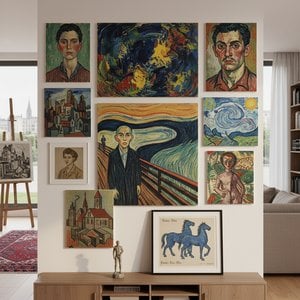
Τα 10 Κορυφαία Έργα που Όρισαν τον Εξπρεσιονισμό | ArtsDot.gr
Ανακαλύψτε τα 10 κορυφαία έργα του Εξπρεσιονισμού! Μάθετε για τους Munch, Van Gogh & άλλους σπουδαίους καλλιτέχνες. Βρείτε αναπαραγωγές πινάκων υψηλής ποιότητας και εμπνευστείτε για τη διακόσμηση του χώρου σας στην ArtsDot.com.
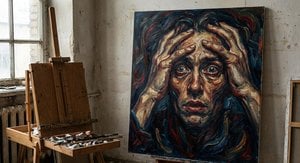
Figurative Expressionism: Emotional Intensity & Subjective Reality in 20th-Century Art
Explore the powerful world of Figurative Expressionism with ArtsDot. Discover key artists like Kirchner & Beckmann, understand its emotional depth, and learn how to collect this influential 20th-century art movement.

Egon Schiele: Expressionism, Anxiety & the Modern Condition – A Comprehensive Exploration
Explore the emotionally charged world of Egon Schiele (1890-1918). Discover his Expressionist masterpieces, psychological themes, and lasting impact on modern art. A comprehensive guide for collectors & enthusiasts.

Unlocking Emotion: A Beginner's Guide to the Raw Power of Symbolic Expressionism Art
Discover the raw emotion of Symbolic Expressionism. Our expert guide explores how masters like Munch use color and form to convey inner feelings, offering inspiration for collectors looking to bring powerful, soulful art into their modern homes.
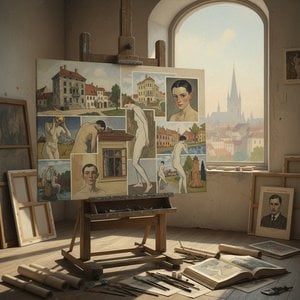
Egon Schiele: Τα 25 Κορυφαία Έργα Τέχνης | ArtsDot.gr
Ανακαλύψτε τα 25 κορυφαία έργα τέχνης του Egon Schiele! Εξερευνήστε τη ζωή, το στυλ και την τεχνική του Αυστριακού εξπρεσιονιστή. Βρείτε πίνακες Schiele υψηλής ποιότητας για να εμπνεύσετε τον χώρο σας. Αναπαραγωγές τέχνης στο ArtsDot.com.


