


 Δείτε σε πραγματικό χώρο
 Αποστολή
 Κοινοποίηση
 Λεπτομέρειες

 Λήψη
Λήψη
 Παρόμοια αντικείμενα συλλογής
 Ακτινογραφία
 Παρουσίαση
The Captive
 Expressionism
 1918
1918 102.0 x 76.0 cm
 Διαβάστε περισσότερα
Χειροποίητη Αναπαραγωγή σε Έλαιο
Χειροποίητη oil painting σε καμβά στο δικό σας μέγεθος και πλαίσιο, κατά παραγγελία από τους καλλιτέχνες μας. ( Αγορά εκτύπωσης Αγορά ψηφιακής εικόνας)




































Επιλέξτε από τις προκαθορισμένες διαστάσεις μας που διατηρούν τις αρχικές αναλογίες του έργου τέχνης.

Μπορείτε να ορίσετε δικές σας διαστάσεις ώστε το έργο να ταιριάζει σε ένα συγκεκριμένο πλαίσιο ή χώρο. Εάν το επιλεγμένο μέγεθος δεν συμπίπτει με τις αναλογίες της αρχικής εικόνας, θα περικοψούμε το έργο ή θα επεκτείνουμε τη ζωγραφιά με πρόσθετα χειρόγραφα στοιχεία. Ένα ψηφιακό προσχέδιο θα σας αποσταλεί για έγκριση πριν την έναρξη της παραγωγής.
Παρακαλούμε σημειώστε ότι η προεπισκόπηση στην οθόνη δεν αντικατοπτρίζει την πραγματική περικοπή ή επέκταση. Μόνο το προσχέδιο θα δείξει με ακρίβεια την τελική σύνθεση.
Παρόλο που είναι διαθέσιμα προσαρμοσμένα μεγέθη, συνιστούμε να επιλέξετε μια διάσταση από τη λίστα των προκαθορισμένων μεγεθών για τη διατήρηση των αρχικών αναλογιών.
Μετά την παραγγελία, η ομάδα του ArtsDot.com θα στείλει email στον πελάτη με οδηγίες και θα παρέχει μια προεπισκόπηση προσχεδίου
Παγκόσμια Αποστολή () σε 3-4 εβδομάδες αντί για τις συνήθεις 5 εβδομάδες. (7 Σεπτέμβριος). Χωρίς συμβιβασμούς στην ποιότητα.

Δωρεάν γρήγορη διεθνής αποστολή

Κάμβας από Λινό Υψηλής Ποιότητας

Πλήρης ασφάλιση μεταφοράς

Εγγύηση Επιστροφής Δασμών και Φόρων

Εγγύηση Απόλυτης Ομοιότητας Χρωμάτων

Πολιτική Επιστροφής 100 Ημερών (Μόνο σε περίπτωση ελαττωμάτων)

Εγγύηση επιστροφής 100% των χρημάτων

Προσφορά για μαζικές παραγγελίες
 Η επιλογή με γυαλί είναι διαθέσιμη μόνο για μεγέθη κάτω από 110 εκ.

The Captive
Μέσο Αναπαραγωγής
Διαστάσεις Αναπαραγωγής
-


Συνολική Τιμή
$ 263
Σχετικά Έργα Τέχνης


Βιογραφία Καλλιτέχνη
The Visionary of the Great War: The Life and Legacy of Colin Unwin Gill
To look upon the works of Colin Unwin Gill is to witness a profound dialogue between the brutal realities of modern warfare and the timeless elegance of classical tradition. Born in 1892, Gill possessed an artistic sensibility that was uniquely shaped by both his English heritage and his early exposure to the light and grandeur of Italy. His journey through the prestigious Slade School of Fine Art provided him with a foundation of disciplined draughtsmanship, yet it was his time in Rome—as the first recipient of the Rome Scholarship in Decorative Painting—that infused his work with a sense of monumental scale and decorative grace. This rare blend of classical training and contemporary observation would later become the hallmark of an artist capable of capturing the soul of a nation in its darkest hour.
The trajectory of Gill’s career was irrevocably altered by the outbreak of the First World War. Serving as a second lieutenant in the Royal Garrison Artillery, he experienced firsthand the harrowing landscape of the Western Front. His service was not merely one of combat but of technical observation; as a camouflage officer, he developed an acute eye for the interplay of light, shadow, and concealment. This period of intense, often traumatic experience—marked by the physical toll of gas poisoning and frostbite—became the crucible in which his most significant artistic themes were forged. When he eventually transitioned into the role of a war artist, he did so not as a detached observer, but as a man who had breathed the very dust and smoke of the trenches.
A Mastery of Memory and Symbolism
Gill’s contribution to the visual record of the Great War extends far beyond simple reportage. His work for the Imperial War Graves Commission and the British War Memorials Committee sought to transcend the immediate carnage to find a deeper, more spiritual resonance. In masterpieces such as Evening after a Resupply and Heavy Artillery, one finds a hauntingly beautiful use of expressionist style and dramatic lighting. He utilized large-scale oil canvases to create immersive environments where the heavy machinery of war is rendered with a startling, almost surreal realism. Through his brush, the patchwork camouflage of a howitzer or the weary posture of a soldier becomes a symbol of both human endurance and the overwhelming weight of industrial conflict.
The depth of his artistry can be observed through several key elements of his technique:
- Emotional Realism: A profound ability to depict the psychological exhaustion of soldiers, moving past mere physical likeness to capture the internal landscape of loss and resilience.
- Decorative Grandeur: The influence of his Roman training, which allowed him to approach large-scale murals with a sophisticated understanding of composition and monumental form.
- Symbolic Depth: The use of light and shadow to create atmospheric tension, turning scenes of military life into allegories for the human condition.
An Enduring Artistic Significance
Though his life was tragically cut short in 1940, Colin Unwin Gill left behind a body of work that serves as a vital bridge between the classical past and the fractured modern era. His ability to weave together the decorative traditions of the early twentieth century with the raw, unvarnished truths of the battlefield ensured that his murals and portraits would remain much more than historical artifacts. They are living monuments to remembrance. Whether capturing the quiet tension of a Café Bar in wartime London or the stoic dignity of a decorated hero like Captain Albert Jacka, Gill’s art continues to resonate with an evocative power that speaks to the enduring strength of the human spirit amidst the shadows of history.

colin unwin gill
1892 - 1940
Γρήγορα στοιχεία
- Artistic Movement Or Style: Expressionism
- Artists Who Influenced This Artist:
- Henri Matisse
- Georges Braque
- Date Of Birth: May 12, 1892
- Date Of Death: November 16, 1940
- Full Name: Colin Unwin Gill
- Nationality: British
- Notable Artworks:
- Evening after a Push
- Café Bar
- The Captive
- Place Of Birth: England
Σχετικά άρθρα

The Enduring Legacy of Oil on Canvas: Technique, History & Aesthetic Impact
Explore the rich history & techniques of oil painting – from Renaissance masters to Impressionism. Discover pigments, layering methods, and why this timeless medium endures. Expert insights for artists & art enthusiasts.

Oil on Canvas: A Historical & Technical Exploration of a Timeless Artistic Medium
Explore the rich history & enduring techniques of oil painting on canvas. Discover the science behind its longevity, conservation practices, and contemporary relevance. Expert insights for art enthusiasts.

The Enduring Power of Painting: A Historical & Contemporary Exploration of Form and Emotion
Explore the rich history & enduring techniques of oil painting with ArtsDot. Discover masterpieces, learn about art collecting, and find authentic handmade reproductions crafted by skilled artists.

Η Διαχρονική Κληρονομιά του Λαδιού στον Καμβά: Τεχνική, Ιστορία & Σύγχρονη Πρακτική
Εξερευνήστε την ιστορία και τις τεχνικές της λαδαιογραφίας. Οδηγός για υλικά, εργαλεία και σύγχρονες προσεγγίσεις. Μάθετε από ειδικούς και ανακαλύψτε τη διαχρονική τέχνη του λαδιού στον καμβά.
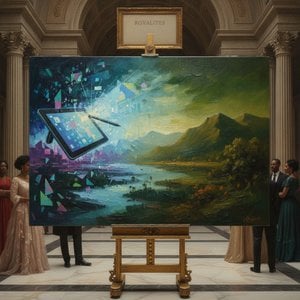
Μετατρέψτε το NFT σας σε Μουσείο‑Ποιότητα Χειροποίητη Οπτική – Επενδύστε στη Διαχρονική Τέχνη της Προσωπικής Ιστορίας
Μετατρέψτε το NFT σας σε μιμητική πίνακα υψηλής ποιότητας από τους κορυφαίους καλλιτέχνες του ArtsDot. Εμπιστευτείτε την τεχνογνωσία, την ασφάλεια και την αξία της χειροποίητης τέχνης για το σπίτι σας.