

 Αποστολή
 Κοινοποίηση
 Λεπτομέρειες
 Οδηγός

 Λήψη
Λήψη
 Παρόμοια αντικείμενα συλλογής
 Παρουσίαση
 Ερωτήσεις & Απαντήσεις
 Στατιστικά
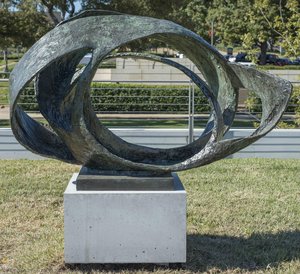
Rhythmic Form


 Περισσότερα
Λάβετε ένα αρχείο έτοιμο για εκτύπωση, με ποιότητα πολύ ανώτερη από την προεπισκόπηση στον ιστότοπο. Κάθε ψηφιακή εικόνα που διαθέτουμε προέρχεται από ένα αρχείο υψηλής ανάλυσης στη βάση δεδομένων μας —συνήθως με πλάτος 5.000 έως 15.000 pixel— ώστε να μπορείτε να εκτυπώσετε σε μεγάλο μέγεθος, να κάνετε στενές κοψιμές ή να αναπαράγετε τις λεπτομέρειες με απόλυτη εμπιστοσύνη.
Κανένα αρχείο δεν φεύγει από το στούντιο μας χωρίς να υποστεί επεξεργασία. Ένας ειδικός ψηφιακών εικόνων ελέγχει τα χρώματα σε σύγκριση με το πρωτότυπο έργο και τα διορθώνει αν χρειαστεί, στη συνέχεια βελτιώνει την καθαρότητα και τις λεπτομέρειες με επαγγελματικά εργαλεία αφαίρεσης ατέλειων — παραμένοντας πάντα πιστός στις πινελιές και το ύφος του καλλιτέχνη. Το αποτέλεσμα είναι μια εικόνα που μοιάζει με το ίδιο το αριστούργημα και όχι με ένα σκανάρισμα με φίλτρα.
Εγκρίνετε πριν την ολοκλήρωση: ο ειδικός μας σας στέλνει την εικόνα μέσω e-mail εντός 72 ωρών για επανεξέταση. Δεν είστε ικανοποιημένοι; Ζητήστε βελτιώσεις ή διορθώσεις, ή ζητήστε επιστροφή χρημάτων εάν η ποιότητα δεν ανταποκρίνεται στις προσδοκίες σας.
Αυτή είναι η ποιότητα στην οποία εμπιστεύονται οι εκδότες, τα design studios, οι γκαλερί και τα εκτυπωτήρια.
Ψηφιακή εικόνα
Κατεβάστε ένα αρχείο υψηλής ανάλυσης για προσωπική χρήση, εκτύπωση και δημιουργικά έργα. ( Μετάβαση σε Εκτυπώσεις Αγορά χειροποίητου πίνακα)
Περιλαμβάνεται σε κάθε παραγγελία ψηφιακής εικόνας
Επαγγελματική Ψηφιακή Παράδοση με Εγγύηση
Όταν επιλέγετε το ArtsDot.com, δεν αποκτάτε απλώς μια εικόνα – λαμβάνετε ένα επαγγελματικά αναβαθμισμένο ψηφιακό έργο τέχνης, δημιουργημένο με ακρίβεια και με εγγύηση ικανοποίησης. Δείτε όλα όσα περιλαμβάνονται στην παραγγελία σας, αυτόματα:

Άμεση αποστολή μέσω email
Το ψηφιακό σας αρχείο εικόνας υψηλής ανάλυσης θα σας σταλεί μέσω email εντός 72 ωρών από την παραγγελία σας — έτοιμο για άμεση χρήση.

Ψηφιακό Αρχείο με Τεχνητή Νοημοσύνη
Το έργο σας βελτιστοποιείται επαγγελματικά με τη χρήση προηγμένων εργαλείων Τεχνητής Νοημοσύνης και χειροκίνητης επεξεργασίας, εξασφαλίζοντας μέγιστη λεπτομέρεια, ευκρίνεια και ακρίβεια χρωμάτων.

Δωρεάν επανεκδόσεις مدى ζωής
Απώλησες ή διαγράψατε κατά λάθος το αρχείο σας; Μην ανησυχείτε — θα σας το ξαναστείλομε οποιαδήποτε στιγμή, δωρεάν.

Χωρίς Τελωνειακούς Φόρους - Ποτέ
Απολαύστε αμέσως τα έργα τέχνης σας χωρίς δασμούς, φόρους ή έξοδα αποστολής - οι ψηφιακές λήψεις είναι πάντα αφορεশিপτεία.

Εγγύηση Ακριβούς Χρωματισμού
Εξασφαλίζουμε ότι η ψηφιακή σας εικόνα αποτυπώνει τα αυθεντικά χρώματα όσο το δυνατόν πιστότερα, χρησιμοποιώντας επαγγελματικά εργαλεία και διαχείριση χρωμάτων.

Εγγύηση Ικανοποίησης 100 Ημερών
Εάν δεν είστε ικανοποιημένοι με την ψηφιακή σας εικόνα, θα την τροποποιήσουμε ή θα σας επιστρέψουμε το 100% εντός 100 ημερών — χωρίς κανένα ερώτημα.

100% Εγγύηση Επιστροφής Χρήματος
Δεν είστε ικανοποιημένοι; Λάβετε πλήρη επιστροφή των χρημάτων σας εντός 100 ημερών από τη λήψη του ψηφιακού σας αρχείου — χωρίς κανένα ερώτημα.

Εκπτώσεις σε μεγάλες παραγγελίες
Αγοράστε 3 εικόνες, κάντε εξοικονόμηση 10% - Αγοράστε 5, κάντε εξοικονόμηση 15% - Αγοράστε 10+, κάντε εξοικονόμηση 20%. Ιδανικό για δημιουργικά έργα, γκαλερί και agencies.
Rhythmic Form: A Dialogue Between Space and Spirit
Barbara Hepworth’s “Rhythmic Form,” created in 1949, stands as a testament to the profound influence of Surrealist ideas on British sculpture during World War II. More than just an aesthetically pleasing object, it embodies Hepworth's unwavering belief that sculpture could translate thought into tangible form—a conviction deeply rooted in her engagement with artists like Arp and Brancusi who championed direct carving and explored the relationship between art and nature. The piece itself is a striking example of Hepworth’s signature style: monumental forms sculpted from wood, meticulously shaped to evoke movement and resonance. Its central hole isn't merely an incision; it’s a deliberate gesture that seeks to unify opposing forces—a visual metaphor for Hepworth’s exploration of duality and balance within the creative process.- Material & Technique: Crafted from Rosewood, “Rhythmic Form” utilizes a technique honed during Hepworth's formative years in Paris – a method characterized by careful consideration of material properties and an intuitive understanding of how form interacts with space. The sculptor’s hand meticulously removes wood shavings to reveal the underlying structure, resulting in a surface that is both smooth and subtly textured.
- Historical Context: Hepworth's work emerged from a period marked by significant artistic experimentation and intellectual ferment. The Unit One group—which included Nicholson, Gabo, and Nash—challenged conventional sculptural approaches, prioritizing abstraction and responding to the anxieties of wartime Britain with an embrace of geometric forms and organic shapes.
- Symbolism & Inspiration: Hepworth drew inspiration from Neolithic Menhirs – monolithic stones erected as memorials to ancient rituals – recognizing their ability to convey timelessness and spiritual significance. She likened her sculptures to these stones, emphasizing the desire for them to “furnish a means of egress for the soul,” reflecting her belief in sculpture’s capacity to transcend mere visual representation.
- Hepworth's Philosophy: Hepworth famously described sculpture as "the plastic projection of thought," highlighting its role in capturing intangible ideas and emotions. She insisted that the work should “put no pressure on anything,” signifying a rejection of didacticism and an affirmation of art’s autonomy—a stance that aligns with her broader philosophical commitment to embracing spontaneity and responding authentically to the material at hand.
- Legacy & Influence: Hepworth's pioneering approach to sculpture continues to inspire artists today, particularly those interested in exploring spatial relationships and investigating the interplay between form and gesture. Her enduring impact is evident in the work of subsequent sculptors who adopted similar techniques and pursued similar conceptual concerns—a legacy cemented by her inclusion in Tate’s collection and celebrated as a cornerstone of British Modernism.
Ερωτήσεις και Απαντήσεις
Πώς περιγράφεται η ατμόσφαιρα του έργου "Rhythmic Form" του Μπάρμπαρα Χέπγουορθ;
Η συνολική ατμόσφαιρα του έργου "Rhythmic Form" του Μπάρμπαρα Χέπγουορθ είναι Serene. Η διάθεση αυτή αποπροσδίδει το γενικό κλίμα του έργου.
Πού μπορώ να δω μια προεπισκόπηση του "Rhythmic Form";
Για να δείτε μια προεπισκόπηση μιας αναπαραγωγής του έργου "Rhythmic Form" του Μπάρμπαρα Χέπγουορθ, ανοίξτε τη σελίδα Προεπισκόπηση του έργου.
Ποιο μέγεθος αναπαραγωγής προτείνεται για το "Rhythmic Form" του Μπάρμπαρα Χέπγουορθ;
Το προτεινόμενο μέγεθος εκτύπωσης για το έργο "Rhythmic Form" του Μπάρμπαρα Χέπγουορθ είναι Large.
Σχετικά Έργα Τέχνης



Βιογραφικό Καλλιτέχνη
Early Life and Artistic Influences
Barbara Hepworth (1903–1975) was born Jocelyn Barbara Hepworth on January 10, 1903, in Wakefield, Yorkshire—the eldest child of Herbert and Gertrude Johnson Hepworth. Her father, a civil engineer for the West Riding County Council, instilled in her a fascination with geometric forms and spatial relationships from an early age. Growing up in rural Yorkshire profoundly shaped her artistic sensibilities, fostering a deep connection to the landscape and its rhythms. Hepworth’s formative years were marked by exposure to influential figures and ideas. Her father's profession exposed her to precision and engineering principles—concepts that would later inform her sculptural explorations. Equally significant was her friendship with Henry Moore, whom she met at Leeds School of Art in 1920. Together they embarked on a shared artistic journey, recognizing the power of abstraction as a means of conveying emotion and exploring fundamental questions about form and materiality. The influence of Surrealism—particularly its emphasis on dreamlike imagery and subconscious exploration—became palpable during her time studying at the Royal College of Art in London (1921–24), where she honed her skills alongside fellow artists like Moore and Nicholson.Career Development: From Abstraction to Monumental Sculpture
Hepworth’s artistic trajectory began with a commitment to direct carving—a technique championed by Skeaping that prioritized working directly on the material, bypassing preliminary sketches or models. This approach allowed her to respond intuitively to the inherent qualities of stone and wood, capturing their textures and contours in ways that defied conventional representation. Her early sculptures—characterized by simplified geometric shapes—reflected the prevailing modernist aesthetic of the period, aligning with the broader movement’s rejection of academic conventions. The collaboration with Ben Nicholson proved pivotal in shaping Hepworth's artistic vision. Their shared exploration of abstraction extended beyond mere stylistic considerations; it encompassed a deeper engagement with philosophical ideas about perception and experience. As Hepworth herself eloquently expressed, “All my early memories are of forms and shapes and textures. Moving through and over the West Riding landscape with my father in his car, the hills were sculptures; the roads defined the forms.” This profound connection to the natural world—expressed through her art—became a recurring motif throughout her oeuvre.Notable Works and Exhibitions
Hepworth’s artistic reputation soared during the Second World War when she relocated to St Ives, Cornwall, alongside Nicholson. The tranquility of the Cornish coast provided inspiration for her sculptures, which increasingly incorporated elements of organic form—particularly strings and wires—to create dynamic tensions between mass and space. Her monumental sculpture *Winged Figure* (1961–3), commissioned by John Lewis for their Oxford Street flagship store, stands as a testament to her ambition and technical prowess. It exemplifies Hepworth’s masterful manipulation of material—aluminum—to achieve an ethereal lightness that defies its considerable size. Her sculptures were showcased in prestigious international exhibitions, cementing her status as one of the foremost artists of her generation. The Hepworth Wakefield houses a comprehensive collection of Hepworth's works, offering visitors a unique opportunity to immerse themselves in her artistic legacy. Furthermore, her lithographs—produced during her later years—demonstrate her continued exploration of printmaking techniques and her unwavering dedication to conveying profound emotional resonance through visual imagery.Legacy and Recognition
Barbara Hepworth’s influence extends far beyond the realm of sculpture itself. Her pioneering approach to abstraction challenged prevailing artistic conventions, paving the way for subsequent generations of artists to embrace experimental forms and techniques. She was awarded the Dame Commander Order of the British Empire in 1958—a recognition of her contribution to British art and culture—and continued to produce groundbreaking works until her untimely death in a fire at her studio in Hampstead in 1975. Hepworth’s sculptures remain revered for their elegance, simplicity, and ability to evoke contemplation—serving as enduring symbols of modernist artistic innovation and humanist sensitivity.
Μπάρμπαρα Χέπγουορθ
1903 - 1975 , Ηνωμένο Βασίλειο
Σύντομη Βιογραφία
- Artistic Movement Or Style: Μοντερνισμός
- Artists Or Movements Influenced By This Artist: ['Αβστρακτική Τέχνη']
- Artists Who Influenced This Artist: ['Χένρι Μουρ']
- Date Of Birth: 10 Ιανουαρίου 1903
- Full Name: Jocelyn Barbara Hepworth
- Nationality: Αγγλική
- Notable Artworks:
- Περικυκλωμένη Σχήμα Ι
- Δύο Σχήματα
- Place Of Birth: Wakefield, Αγγλία