- Startseite

- Auf Leinwand drucken
- Willem de Kooning
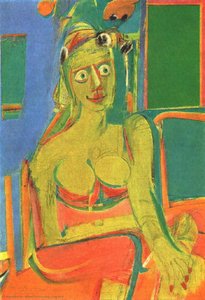
- Easter Monday

 Preview
 Versenden
 Teilen
 Details anzeigen

 Herunterladen
 Ähnliche Objekte
 Röntgenaufnahme
 Diashow anzeigen
Easter Monday


 Weiterlesen
Giclée / Kunstdruck
Giclée- oder Leinwanddruck in Museumsqualität mit schneller Produktion und flexiblen Veredelungsoptionen. ( Switch to hand made Painting Switch to Image)




P118B $10

P118H $10

P118W $10

P438Z $10

P508JH $12

P508YH $12

P805H $10

P805Z $10

P919BZ $10

P919G $10

P919XJ $10

P959ZH $10

P968JZ $12

W106C $8

W218G $10

W218JH $8

W218Y $10

W307PJ $10

W316G $10

W316PJ $8

W316Y $10

W398PJ $8

W4111J $10

W500HY $15

W500JH $15

W692G $12

W849H $8

W940BG $15

W953PJ $8




Wählen Sie aus unseren vordefinierten Größen, die den ursprünglichen Proportionen des Kunstwerks entsprechen.

Sie können Ihre eigenen Maße eingeben, um ein bestimmtes Format oder einen speziellen Platz einzupassen. Wenn das von Ihnen gewählte Format nicht den Proportionen des Originalbildes entspricht, werden wir das Kunstwerk entweder beschneiden oder das Bild mit einem gespiegelten oder einfarbigen Rand erweitern. Ein digitaler Entwurf wird Ihnen zur Genehmigung zugesandt, bevor die Produktion beginnt.
Bitte beachten Sie, dass die Vorschau auf dem Bildschirm nicht den tatsächlichen Zuschnitt oder die Erweiterung widerspiegelt. Nur der Entwurf zeigt die endgültige Komposition präzise an.
Obwohl Sondermaße verfügbar sind, empfehlen wir die Auswahl eines Maßes aus der vordefinierten Liste, um die ursprünglichen Proportionen zu bewahren.
Weltweiter Versand () innerhalb von 2 Wochen statt der üblichen 4/5 Wochen. (28 Juli)

Kostenloser weltweiter Expressversand

Hochwertige Leinenleinwand

Umfassender Versicherungsschutz beim Versand

Zollsteuer-Rückerstattungsgarantie

Garantie für echte Farbtreue

60-Tage-Rückgaberecht (nur bei Mängeln)

100% Geld-zurück-Garantie

Mengenrabatt verfügbar
 Die Glasoption ist nur in Größen unter 110 cm verfügbar.

Easter Monday
Giclée / Kunstdruck
Größe der Reproduktion
-


Endpreis aller Optionen
$ 62
Beschreibung des Sammlerstücks
A Study in Contrast: De Kooning’s ‘Easter Monday’
Willem de Kooning's 1956 painting, “Easter Monday,” is not merely a depiction of faces; it’s an intensely psychological exploration rendered with the artist’s signature blend of aggression and vulnerability. The work immediately confronts the viewer with two figures, dramatically differentiated in scale and presence. One face, boldly positioned and adorned with a white hat, dominates the canvas, its gaze direct and seemingly challenging. This figure embodies a forceful assertion, a deliberate engagement that draws us into the painting’s turbulent emotional landscape. The other face, partially obscured and wearing spectacles, offers a quieter, more contemplative response – a subtle acknowledgement of the dominant presence. This juxtaposition immediately establishes a dynamic tension, reflecting perhaps the complexities of human interaction and the struggle for self-expression.
De Kooning's Abstract Expressionist Technique
Executed in oil on canvas, “Easter Monday” exemplifies de Kooning’s mastery of Abstract Expressionism. His technique is characterized by broad, gestural brushstrokes – thick impasto applied with a raw energy that suggests both control and unrestrained emotion. The painting isn't about precise representation; instead, it utilizes fragmented forms and distorted perspectives to convey feeling rather than objective reality. Notice the layering of paint, particularly around the prominent face, creating a sense of depth and texture that adds to the work’s visceral impact. De Kooning’s use of color is equally significant – muted tones punctuated by flashes of white and darker shades contribute to the painting's overall mood of unease and intensity. The horse heads, seemingly placed almost arbitrarily, further disrupt any potential for serene observation, adding another layer of unsettling symbolism.
Symbolism and Context within De Kooning’s Oeuvre
Created during a pivotal period in de Kooning’s career, “Easter Monday” reflects his ongoing exploration of the human figure – often rendered with a deliberately confrontational style. The painting's title, ‘Easter Monday,’ while seemingly straightforward, adds another layer of complexity. Easter, traditionally associated with rebirth and renewal, is juxtaposed with the raw emotional intensity of the scene. This tension speaks to de Kooning’s broader concerns about identity, alienation, and the anxieties of modern life. His work during this period was heavily influenced by Surrealism, particularly its exploration of the subconscious and dreamlike imagery, though he rejected the movement's emphasis on automatic drawing.
A Legacy of Emotional Intensity
“Easter Monday” stands as a powerful example of de Kooning’s ability to translate personal turmoil into universally resonant art. Its enduring appeal lies in its unflinching portrayal of human vulnerability and conflict. The bicycle, a symbol of freedom and movement, adds an element of irony to the composition, suggesting perhaps a futile attempt to escape internal struggles. This painting is more than just a reproduction; it’s a window into the mind of one of America's most influential artists – a testament to his relentless pursuit of emotional truth through bold, expressive brushwork. A hand-painted reproduction offers an unparalleled opportunity to experience the full force of de Kooning’s vision.
Ähnliche Kunstwerke


Biografie des Künstlers
frühes Leben und Karriere
Willem de Kooning, ein renommierter niederländisch-amerikanischer abstrakter Expressionist, wurde am 24. April 1904 in Rotterdam, Niederlande, geboren. Seine Eltern, Leendert de Kooning und Cornelia Nobel, trennten sich 1907, und Willem de Kooning lebte zunächst mit seinem Vater, bevor er in die Obhut seiner Mutter überging. Er verließ die Schule 1916 und arbeitete als Lehrling in einer Werbeagentur.Künstlerische Entwicklung
De Kooning besuchte von 1916 bis 1924 Abendkurse an der Akademie für Bildende Künste und Technische Wissenschaften in Rotterdam. Im Jahr 1927 zog er nach New York City, wo er als Hausmaler arbeitete und seinen einzigartigen künstlerischen Stil entwickelte.Abstrakter Expressionismus
De Koonings Werk verschob sich in den späten 1950er Jahren hin zum abstrakten Expressionismus, der durch kräftige Pinselstriche und leuchtende Farben gekennzeichnet ist. Sein Gemälde Woman I (1950-1952) ist ein wegweisendes Werk dieser Bewegung, das Figuration mit Spontaneität und emotionaler Intensität verbindet.Bekannte Werke und Sammlungen
* The Glazier (137 x 112 cm, Öl auf Leinwand): Ein düsteres, erdtoniges Gemälde, inspiriert von den Fresken von Boscoreale. * Door to the River (Abstrakter Expressionismus): Ein breitschichtiges Gemälde, das an seine Tätigkeit als Hausmaler erinnert. * Standing Man (Abstrakter Expressionismus): Ein charakteristisches Beispiel für De Koonings abstrakten Expressionismus.Museen und Sammlungen
* Museum Boijmans van Beuningen, Rotterdam, Niederlande: Bietet eine beeindruckende Sammlung von über 151.000 Kunstwerken. * Universitätsbibliothek Leiden, Niederlande: Ein bedeutendes Kulturzentrum mit über 5.200.000 Büchern und 1.000.000 E-Books. Willem de Koonings Vermächtnis inspiriert weiterhin Künstler und Kunstliebhaber gleichermaßen und festigt seinen Platz als Pionier des abstrakten Expressionismus.
Willem de Kooning
1904 - 1997 , Niederlande
Kurzinfos
- Beeinflusste Künstler: ['Arshile Gorky']
- Bemerkenswerte Werke:
- Frau I
- The Glazier
- Excavation
- Geburtsdatum: 24. April 1904
- Geburtsort: Rotterdam, Niederlande
- Künstlerische Bewegung: Abstrakter Expressionismus
- Nationalität: Niederländisch-Amerikanisch
- Todatum: 1997
- Vollständiger Name: Willem de Kooning
Ähnliche Artikel

Willem de Kooning: Abstraktion, Geste und die Entwicklung der Nachkriegsamerikanischen Malerei
Entdecken Sie Willem de Koonings revolutionäre Kunst und die Entwicklung des Abstrakten Expressionismus. Expertenanalyse, Investitionspotenzial & Sammlerwert – erfahren Sie mehr auf ArtsDot.

Beyond Representation: Exploring the Emotional Landscape of Abstract Expressionism
Explore the profound emotional world of Abstract Expressionism with ArtsDot. Discover key artists like Pollock & Rothko, learn about collecting, and find museum-quality reproductions to inspire your space.

Abstrakter Expressionismus: Die 10 Meisterwerke, die eine Kunstbewegung prägten |
Entdecken Sie die 10 Meisterwerke des Abstrakten Expressionismus! Von Jackson Pollock bis Mark Rothko – erfahren Sie die Geschichten hinter ikonischen Gemälde und finden Sie hochwertige Reproduktionen für Ihr Zuhause. Jetzt bei entdecken!

Jacob Kainen: A Pioneer of American Color Field Painting & Abstract Expressionism
Explore the life & work of Jacob Kainen, a pivotal figure in American Abstract Expressionism and Color Field painting. Discover his journey from Social Realism to vibrant abstraction and lasting influence on 20th-century art.

Beyond Representation: Exploring the Evolution & Enduring Impact of Abstract Art
Explore the evolution of Abstract Expressionism & its profound impact on modern art. Discover key artists, defining styles, collecting insights & build your own significant collection with ArtsDot.