

 In echtem Maßstab anzeigen
 Versenden als Grußkarte
 Teilen
 Details anzeigen
 Leitfaden öffnen

 Herunterladen
 Ähnliche Objekte
 Röntgenaufnahme
 Diashow
 Besucherstatistiken
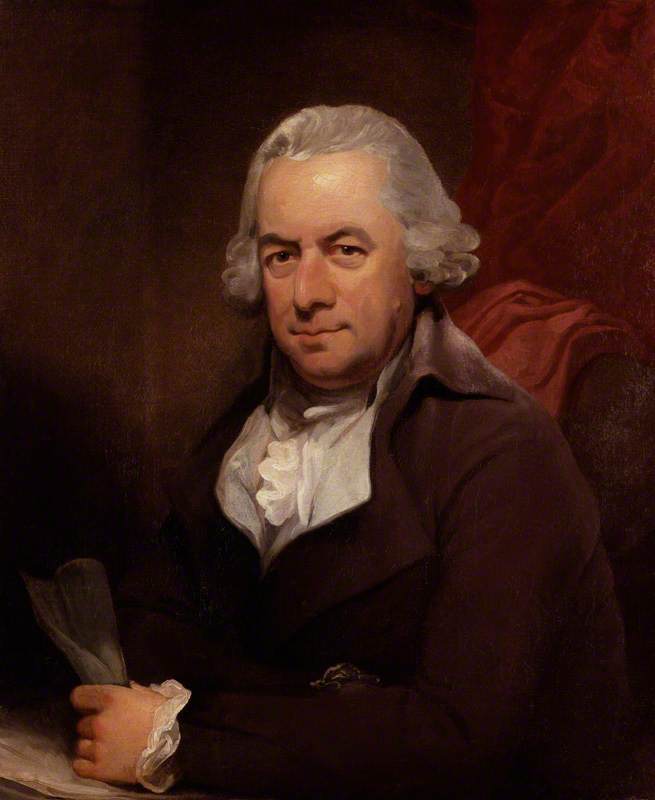
Wilhelm Cramer
 Neoclassicism
 1794
1794 76.0 x 63.0 cm
 Mehr anzeigen
Giclée / Kunstdruck
Giclée- oder Leinwanddruck in Museumsqualität mit schneller Produktion und flexiblen Veredelungsoptionen. ( Handgemalte Reproduktion kaufen Zum digitalen Bild wechseln)




































Wählen Sie aus unseren vordefinierten Formaten, die den ursprünglichen Proportionen des Kunstwerks entsprechen.

Geben Sie die Breite und die Höhe an, die Sie benötigen, damit der Druck perfekt in Ihren Rahmen oder an Ihre Wand passt. Ein Druck kann nur beschnitten werden und niemals größer als das Originalbild gemacht werden; daher verliert ein Format mit einer anderen Proportion einen Teil des Bildes. Wir senden Ihnen ein digitales Mockup zur Freigabe, bevor wir den Druck ausführen. Das auf dieser Seite gezeigte Bild zeigt nicht den tatsächlichen Beschnitt – dies ist nur im Mockup ersichtlich.
Weltweiter Versand () innerhalb von 2 Wochen statt der üblichen 4/5 Wochen. (23 Oktober)

Kostenloser weltweiter Expressversand

Hochwertige Leinenleinwand

Vollständiger Versicherungsschutz beim Versand

Zollgebühren-Rückerstattungsgarantie

Garantie für exakte Farbtreue

100-tägiges Rückgaberecht (nur bei Mängeln)

100% Geld-zurück-Garantie

Angebot für Mengenrabatt
 Die Glasoption ist nur für Größen unter 110 cm verfügbar.

Wilhelm Cramer
Giclée / Kunstdruck
Format der Reproduktion
-


Gesamtpreis
€ 54
Ähnliche Kunstwerke


Biografie des Künstlers
Der Porträtist der musikalischen Lichtgestalten
Thomas Hardy (1757–1804) trat in der georgianischen Ära als bedeutender britischer Porträtmaler hervor und hinterließ einen unauslöschlichen Eindruck in der künstlerischen Landschaft seiner Zeit. Vor allem bekannt für seine fesselnden Darstellungen musikalischer Persönlichkeiten – allen voran Joseph Haydn und Muzio Clementi – spiegelt Hardys Werk eine tiefe Faszination für intellektuelle Bestrebungen und die aufstrebende Kulturszene Londons wider. Seine Arbeiten zeichnen sich durch akribische Detailgenauigkeit und meisterhafte Ausführung aus, wobei er die verfeinerten Ideale der neoklassizistischen Kunst durch das Prisma des menschlichen Charakters verkörpert.
Geboren in Derbyshire, bleibt Hardys frühes Leben weitgehend im Dunkeln, obwohl biografische Berichte darauf hindeuten, dass er bereits in jungen Jahren über beträchtliches künstlerisches Talent verfügte. Er verfeinerte seine Fähigkeiten unter der Anleitung von John Opie, einem gefeierten Landschaftsmaler, der die Betonung von Emotion und Fantasie innerhalb der Romantik vertrat. Dieses Mentoring bot ein entscheidendes Fundament, da Opies Führung in Hardy eine tiefe Wertschaszätzung dafür weckte, den menschlichen Charakter mit Sensibilität und Nuancen einzufangen – ein Einfluss, der Hardys stilistische Entscheidungen während seiner gesamten Karriere subtil durchdrang.
Meisterschaft von Licht und Charakter
Hardy erlangte beträchtliches Ansehen durch seine Mitgliedschaft in der Royal Academy ab 1783, wo er zahlreiche Porträts ausstellte, die seine außergewöhnlichen künstlerischen Fähigkeiten demonstrierten. Seine Technik war oft durch einen anspruchsvollen Einsatz des Chiaroscuro geprägt, wodurch eine dramatische Lichtführung entstand, welche die Gesichtszüge betonte und eine Aura intellektueller Kontemplation vermittelte. Dieser Ansatz ermöglichte es ihm, über die bloße Ähnlichkeit hinauszugehen und seinen Subjekten ein Gefühl ihres inneren Geistes und ihres sozialen Standes einzuhauchen.
Zu seinen am meisten gefeierten Werken gehört ein eindrucksvolles Porträt von Joseph Haydn (1791), ausgeführt in Öl auf Leinwand. Dieses Stück dient als Zeugnis für Hardys Hingabe, musikalisches Genie mit Würde und Anmut darzustellen, indem er Licht und Schatten nutzt, um den nachdenklichen Ausdruck des Komponisten hervorzuheben. Darüber hinaus schuf Hardy bemerkenswerte Porträts von Muzio Clementi (um 1795) und Brass Crosby (1787), was seine Vielseitigkeit als Maler unterstreicht, der in der Lage war, das Wesen prominenter Persönlichkeiten aus den musikalischen und bürgerlichen Kreisen Londons einzufangen.
Vermächtnis und künstlerischer Beitrag
Über seine individuellen Erfolge hinaus war Hardys Karriere durch bedeutende berufliche Verbindungen geprägt. Er arbeitete eng mit John Bland zusammen, einem Verleger, der sein künstlerisches Potenzial erkannte und dazu beitrug, seine Präsenz auf dem breiteren Kunstmarkt zu fördern. Diese Synergie zwischen bildender Kunst und Verlagswesen spielte eine entscheidende Rolle bei der Verbreitung der Bildnisse der kulturellen Elite jener Epoche.
Die historische Bedeutung von Thomas Hardy liegt in seiner Fähigkeit, die Gesichter einer Ära zu dokumentieren, die durch die Ideale der Aufklärung und die musikalische Revolution definiert war. Seine Porträts bleiben wichtige historische Dokumente, die einen seltenen Einblick in das soziale Gefüge des 18. Jahrhunderts bieten. Durch seinen Pinsel wird die intellektuelle Vitalität der georgianischen Periode bewahrt und sichergestellt, dass die Ähnlichkeiten dieser musikalischen Lichtgestalten auch in der modernen Zeit weiterhin Ehrfurcht und Neugier wecken.

Thomas Hardy
1757 - 1804 , Großbritannien
Eckdaten zum Künstler
- Artistic Movement Or Style: Porträtmalerei
- Date Of Birth: 1757
- Date Of Death: 1804
- Full Name: Thomas Hardy
- Nationality: Britisch
- Notable Artworks:
- Joseph Haydn
- Brass Crosby
- Wilhelm Cramer
- Place Of Birth: Derbyshire
Verwandte Artikel

The Enduring Power of Painting: A Historical & Contemporary Exploration of Form and Emotion
Explore the rich history & enduring techniques of oil painting with ArtsDot. Discover masterpieces, learn about art collecting, and find authentic handmade reproductions crafted by skilled artists.

The Enduring Legacy of Oil on Canvas: Technique, History & Aesthetic Impact
Explore the rich history & techniques of oil painting – from Renaissance masters to Impressionism. Discover pigments, layering methods, and why this timeless medium endures. Expert insights for artists & art enthusiasts.

Die 10 Meisterwerke des 18. Jahrhunderts: Kunst für Ihr Zuhause | ArtsDot
Entdecken Sie die 10 prächtigsten Meisterwerke des 18. Jahrhunderts! Von Rokoko bis Klassizismus – erleben Sie die Kunst von Fragonard, David & Hogarth. Hochwertige Reproduktionen für Ihr Zuhause auf ArtsDot.com.

Das bleibende Erbe der Ölmalerei: Technik, Geschichte und zeitgenössische Praxis
Entdecken Sie die faszinierende Geschichte der Ölmalerei – von den frühen Techniken bis zur modernen Kunst. Expertenwissen, detaillierte Analysen und Inspiration für Sammler & Kunstliebhaber.

Öl auf Leinwand: Eine historische und technische Erkundung eines zeitlosen künstlerischen Mediums
Entdecken Sie die faszinierende Welt der Ölmalerei! Von historischen Techniken bis zur modernen Anwendung – wir bieten Expertenwissen, Restaurierungstipps und hochwertige Reproduktionen. Jetzt informieren!