

 Vorschau anzeigen
 Versenden
 Teilen
 Details anzeigen
 Leitfaden

 Herunterladen
 Ähnliche Objekte
 Röntgenaufnahme
 Diashow
 Fragen & Antworten
 Statistiken
Prometheus Bound

- 243.0 x 162.0 cm


 Weiterlesen
Giclée / Kunstdruck
Giclée- oder Leinwanddruck in Museumsqualität mit schneller Produktion und flexiblen Veredelungsoptionen. ( Handgemalte Reproduktion bestellen Zum digitalen Bild wechseln)




P118B €10

P118H €10

P118W €10

P438Z €10

P508JH €12

P508YH €12

P805H €10

P805Z €10

P919BZ €10

P919G €10

P919XJ €10

P959ZH €10

P968JZ €12

W106C €8

W218G €10

W218JH €8

W218Y €10

W307PJ €10

W316G €10

W316PJ €8

W316Y €10

W398PJ €8

W4111J €10

W500HY €15

W500JH €15

W692G €12

W849H €8

W940BG €15

W953PJ €8




Wählen Sie aus unseren vordefinierten Formaten, die den ursprünglichen Proportionen des Kunstwerks entsprechen.

Geben Sie die benötigte Breite und Höhe an, damit der Druck perfekt in Ihren Rahmen oder an Ihre Wand passt. Ein Druck kann nur beschnitten, aber niemals größer als das Originalbild angefertigt werden; daher verliert ein Format mit anderen Proportionen einen Teil des Bildes. Wir senden Ihnen ein digitales Mockup zur Freigabe, bevor wir den Druck ausführen. Das auf dieser Seite gezeigte Bild zeigt nicht den tatsächlichen Beschnitt – dies ist nur im Mockup ersichtlich.
Weltweiter Versand () innerhalb von 2 Wochen statt der üblichen 4/5 Wochen. (19 November)

Kostenloser weltweiter Expressversand

Hochwertige Leinenleinwand

Umfassender Versicherungsschutz beim Versand

Zollgebühren-Rückerstattungsgarantie

Garantie für exakte Farbtreue

100 Tage Rückgaberecht (nur bei Mängeln)

100% Geld-zurück-Garantie

Mengenrabatt verfügbar
 Die Glasoption ist nur für Größen unter 110 cm verfügbar.

Prometheus Bound
Giclée / Kunstdruck
Format der Reproduktion
-


Endpreis
€ 56
The Weight of Myth: Thomas Cole’s “Prometheus Bound”
Thomas Cole's "Prometheus Bound," painted in 1847, isn’t merely a landscape; it’s a profound meditation on defiance, punishment, and the enduring human spirit. This monumental canvas, now residing within the Fine Arts Museums of San Francisco, transcends its subject matter to become a powerful allegory for the struggles inherent in challenging authority and forging one's own destiny. Cole, a pivotal figure in the Hudson River School movement, masterfully blends Romanticism with an underlying moral urgency, creating an image that continues to resonate deeply with viewers today.
The scene depicts Prometheus, chained to a towering rock formation amidst a desolate, snow-laden mountainscape. The composition is strikingly dramatic – a vast expanse of jagged peaks dominates the background, dwarfing the solitary figure of the Titan and emphasizing his isolation and vulnerability. A vulture circles overhead, a constant reminder of Zeus’s relentless retribution, while a subtle hint of Jupiter, the Roman equivalent of Zeus, watches from above, embodying the cold indifference of divine power. Cole's use of light is particularly masterful; a diffused, almost ethereal glow illuminates the scene, casting long shadows and creating an atmosphere of both grandeur and despair. The color palette—primarily cool blues, grays, and whites—reinforces this sense of bleakness, punctuated by the fiery red underpaint used to render the snow-covered mountains – a deliberate choice that subtly hints at Prometheus’s stolen fire.
A Myth Made Manifest: Exploring the Narrative
The painting draws directly from Aeschylus's Greek tragedy, “Prometheus Bound,” a story of rebellion against the gods. Prometheus, in this narrative, is not simply a titan but a symbol of humanity’s relentless pursuit of knowledge and progress. He steals fire from Mount Olympus, gifting it to mankind – an act of defiance that ultimately earns him eternal torment at the hands of Zeus. Cole doesn't shy away from the brutality of the punishment; the stark depiction of Prometheus’s chains and the looming threat of the vulture vividly convey the weight of his transgression. However, within this scene of suffering, there is also a palpable sense of resilience. Prometheus’s gaze, fixed upon the viewer, exudes an almost defiant serenity—a refusal to succumb to despair.
The inclusion of the chorus, comprised of figures emerging from the depths of the mountains, adds another layer of complexity to the narrative. They represent the forces of nature, witnesses to Prometheus's plight, and perhaps even a subtle acknowledgment of his heroic struggle. Their hesitant approach, marked by curiosity and apprehension, suggests that even those seemingly untouched by divine wrath recognize the significance of Prometheus’s actions.
The Hudson River School: A New American Vision
“Prometheus Bound” is a quintessential example of the Hudson River School's artistic philosophy. Unlike earlier European landscape paintings that often focused on idyllic pastoral scenes, Cole sought to capture the raw power and sublime beauty of the American wilderness. He employed a technique known as “atmospheric perspective,” subtly blurring distant elements to create a sense of depth and vastness. This approach wasn’t simply about replicating reality; it was about conveying an emotional response—a feeling of awe and reverence for nature's grandeur.
Cole’s work also reflects the burgeoning American identity of the mid-19th century, grappling with themes of independence, self-reliance, and the relationship between humanity and the natural world. The painting can be interpreted as a metaphor for America’s own struggle to assert its sovereignty against established powers – a sentiment particularly relevant in the context of westward expansion and the nation's growing tensions with European empires.
A Timeless Masterpiece: Reproduction & Beyond
Reproductions of “Prometheus Bound” offer an exceptional opportunity to bring this powerful image into any setting. The meticulous detail, evocative atmosphere, and profound symbolism ensure that a high-quality reproduction will serve as both a beautiful work of art and a compelling conversation piece. Consider framing the artwork in a manner that complements its dramatic scale and reinforces its thematic resonance – perhaps within a contemporary interior space to juxtapose the ancient myth with modern life.
For those seeking an authentic experience, exploring the original painting at the Fine Arts Museums of San Francisco is highly recommended. It’s a truly immersive encounter with one of America's most significant artistic achievements—a testament to Thomas Cole’s genius and a timeless exploration of human courage in the face of overwhelming adversity.
Fragen & Antworten
Für welchen Raum im Zuhause eignet sich eine Reproduktion von "Prometheus Bound" besonders gut?
Der empfohlene Raum für "Prometheus Bound" von Thomas Cole ist ein Wohnbereich. Dieser Vorschlag kann natürlich an Ihr Interieur angepasst werden.
In welchem Alter schuf Thomas Cole „Prometheus Bound"?
Als "Prometheus Bound" im Jahr 1847 entstand, war Thomas Cole – geboren 1801 – 46 Jahre alt.
Welches Gefühl vermittelt "Prometheus Bound" von Thomas Cole?
"Prometheus Bound" von Thomas Cole vermittelt ein Melancholisch Gefühl innerhalb einer insgesamt Romantisch Stimmung.
Ähnliche Kunstwerke


Künstlerbiografie
Das Leben und die Kunst von Thomas Cole
Geboren am 1. Februar 1801 in Bolton le Moors, Lancashire, England, begann das Leben von Thomas Cole weit entfernt von jenen Landschaften, die ihn eines Tages unsterblich machen sollten. Im Jahr 1818 emigrierte seine Familie in die Vereinigten Staaten, auf der Suche nach einem Neuanfang in einem Land voller gewaltiger, noch unkartierter Wildnis. In diesen frühen Jahren war er ein Mann vieler Talente; er arbeitete zunächst als Stecher und fand ab 1822 schließlich eine beständige Beschäftigung als Porträtmaler. Er war weitgehend Autodidakt und entwickelte seinen Blick eher durch die reine Beobachtung der Natur und das Studium von Büchern als durch eine formale akademische Ausbildung. Diese geistige Unabhängigkeit erlaubte es ihm, die amerikanische Wildnis durch eine Linse zu betrachten, die vollkommen seine eigene war.
Sein Fokus verschob sich schließlich von den Gesichtern einzelner Individuen hin zur grandiosen Dimension der natürlichen Welt. Mit der Gründung der Hudson River School schuf er eine visuelle Sprache für eine Nation, die sich erst noch selbst definieren musste. Sein Werk suchte oft danach, eine spirituelle Resonanz in den ungezähmten Wäldern und Bergen zu finden, und löste sich dabei von den strengen Traditionen Europas. Er führte ein Leben der ständigen Beobachtung und fand eine tiefe Bedeutung im Spiel von Licht und Schatten, das sich über die Täler der Neuen Welt legte. Diese Hingabe an die Landschaft blieb bis zu seinem Tod am 11. Februar 1848 in Catskill, New York, bestehen.
Aufenthalt in Catskill und New York
Nach einer Zeit in Philadelphia zog Thomas Cole im Jahr 1825 nach Catskill, New York. Dieser Ortswechsel sollte sich als die prägende Kulisse für sein gesamtes Leben und sein künstlerisches Schaffen erweisen. Bereits 1827 hatte er in Cedar Grove, einem Bauernhof in Catskill, ein festes Atelier errichtet, das ihm sowohl als Wohnort als auch als Arbeitsstätte diente. Inmitten dieser Landschaft vollzog er den entscheidenden Wandel von seinen frühen Arbeiten als Porträtmaler hin zur intensiven Auseinandersetzung mit der unberührten amerikanischen Wildnis.
Sein Privatleben in den Catskills war durch eine bedeutende Verbindung im Jahr 1836 geprägt, als er Maria Bartow heiratete. Diese Phase der Beständigkeit fiel mit seinen produktivsten Jahren zusammen, in denen er in seinem Atelier unermüdlich daran arbeitete, die Topografie der Umgebung in seine monumentalen Leinwandwerke zu übertragen. Die Natur des Hudson River Valley war für ihn dabei weit mehr als nur eine bloße Kulisse für seine Motive; sie war eine ständige, lebendige Präsenz in seinem täglichen Dasein.
Das Ende seines Lebens kam so abrupt wie die jahreszeitlichen Wechsel, die er so oft auf seinen Bildern festhielt. Thomas Cole verstarb am 11. Februar 1848 in Catskill nach einem Kampf gegen eine Pleuritis. Er hinterließ ein Werk, das tief in der Erde und dem besonderen Licht jener Region verwurzelt ist, in der er seine prägendsten Jahrzehnte verbracht hatte.
Technik und künstlerischer Stil
Thomas Cole widmete sein Schaffen primär der Ölmalerei auf Leinwand, einem Medium, das es ihm ermöglichte, sich sowohl in der romantischen Landschaftsmalerei als auch in der Historienmalerei einen Namen zu machen. Sein künstlerischer Ansatz zeichnete sich oft dadurch aus, winzige Figuren oder einsame Bauwerke in den Kontrast zu stimmungsvollen, weitläufigen Naturlandschaften zu setzen. Diese Kompositionen waren jedoch selten bloße Abbilder der Natur; sie waren vielmehr häufig allegorisch aufgeladen und nutzten die physische Welt, um tiefere moralische oder spirituelle Bedeutungsebenen anzudeuten. Er besaß die außergewöhnliche Gabe, die Texturen der amerikanischen Wildnis meisterhaft einzufangen, wobei er das Spiel von Licht und Schatten nutzte, um eine beispiellose Atmosphäre und räumliche Tiefe zu erzeugen.
Seine Ästhetik wurde oft als konservativ wahrgenommen, was eine gewisse Skepsis gegenüber den rasanten Veränderungen seiner Ära widerspiegelte. Durch seine Pinselführung übte er eine stille Kritik an den zeitgenössischen Trends des Industrialismus, des Urbanismus und dem unaufhaltsamen Drang der Westexpansion. Er bevorzugte es, die Neue Welt als ein unberührtes, natürliches Eden darzustellen – ein scharfer Kontrast zu den nebelverhangenen, rauchgefüllten Stadtlandschaften des industriellen Großbritanniens, in dem er aufgewachsen war. Diese Vorliebe für das Ungezähmte gegenüber der bebauten Umwelt verlieh seinem Werk einen ganz eigenen, oft sehnsüchtig-eskapiistischen Charakter.
- The Oxbow (um 1836)
- The Voyage of Life: Childhood (1842)
- The Voyage of Life: Manhood (1842)
- The Voyage of Life: Old Age (1842)
- Prometheus Bound (1847)
Hauptwerke und bedeutende Zyklen
Das frühe Schaffen von Thomas Cole offenbarte eine wachsende Faszination für die rohe, ungezähmte Gewalt der amerikanischen Landschaft. Im Jahr 1826 schuf er Kaaterskill Falls, ein Werk, das die vertikale Energie der Wildnis meisterhaft einfing. Mit wachsenden künstlerischen Ambitionen bewegte er sich hin zu immer komplexeren Kompositionen. Um 1833 malte er The Titan's Goblet, und bis 1836 hatte er The Oxbow vollendet – ein Gemälde, das das wilde Flusstal der herannahenden Präsenz kultivierten Ackerlandes gegenüberstellt. Diese Spannung zwischen dem Unberührten und dem Besiedelten wurde zu einem wiederkehrenden Motiv in seiner visuellen Sprache.
Sein ehrgeizigstes Unterfangen war die fünfteilige Serie The Course of Empire, die er 1836 abschloss. Auf diesen Leinwänden zeichnete er den zyklischen Aufstieg und Fall von Zivilisationen nach, von einem unschuldigen Urzustand bis hin zur unvermeidlichen Zerstörung. Dieses Interesse am Vergehen der Zeit und der menschlichen Existenz zog sich durch seine späteren Jahre. Im Jahr 1842 malte er The Voyage of Life, eine allegorische Serie, welche die verschiedenen Stadien des menschlichen Lebens darstellt. Seine letzten Lebensjahre waren geprägt von einer Hinwendung zu noch tiefergehenden, oft religiösen oder mythologischen Themen. Dies zeigt sich deutlich in The Architect's Dream, gemalt um 1840, und in Prometheus Bound aus dem Jahr 1847, einem monumentalen Werk, das auf der griechischen Tragödie basiert. Selbst sein Werk aus dem Jahr 1845, The Hunter, spiegelt die Fähigkeit wider, menschliche Gestalten in eine weite, sonnendurchflutete Tallandschaft einzubetten.
- Kaaterskill Falls (1826)
- The Oxbow (1836)
- The Course of Empire (1836)
- The Voyage of Life (1842)
- The Hunter (1845)
- Prometheus Bound (1847)
Kreis der Weggefährten, Rivalen und Schüler
Das Leben von Thomas Cole war eingebettet in ein Geflecht aus engen persönlichen Bindungen, das sich von seinem unmittelbaren Familienkreis bis hin zu den vielversprechendsten Talenten seiner Ära erstreckte. Seine Schwester, Sarah Cole, teilte seine Neigung zur Landschaftsmalerei und etablierte sich als eine ernstzunehmende Künstlerin. Auch innerhalb seines eigenen Haushalts war der künstlerische Impuls eine gemeinsame Sprache; seine Tochter Emily Cole schlug einen anderen, aber eng verwandten Weg ein, indem sie als botanische Künstlerin mit Aquarellen arbeitete und ihr Geschick auf das zarte Medium des Porzellans übertrug.
Sein professioneller Einfluss manifestierte sich am deutlichsten in der Mentorenschaft für Frederic Edwin Church. Indem er Church anleitete, stellte Thomas Cole sicher, dass die Prinzipien der Hudson River School einen kraftvollen Nachfolger finden würden. Diese Abstammung war nicht nur eine Frage der Technik, sondern die Weitergabe einer ganz spezifischen Art, die amerikanische Wildnis zu betrachten. Über seine formellen Schüler hinaus pflegte Thomas Cole eine tiefe und beständige Freundschaft zu Daniel Wadsworth – eine Verbindung, die inmitten seines unermüdlichen Schaffens eine stetige Präsenz darstellte.
Vermächtnis und bleibender Einfluss
Das Ausscheiden von Thomas Cole im Jahr 1848 hinterließ eine Leere in der amerikanischen Landschaft, die viele über Jahrzehnte hinweg zu füllen versuchten. Als Begründer der Hudson River School schuf er das erste bedeutende Vokabular für eine Nation, die versuchte, sich über ihren eigenen Boden und ihren eigenen Himmel zu definieren. Sein Werk ging weit über die bloße Abbildung von Landschaften hinaus; er etablierte eine visuelle Sprache, die es nachfolgenden Generationen von Malern ermöglichte, die spirituellen und moralischen Dimensionen der Wildnis zu erforschen. Dieser Wandel trug maßgeblich dazu bei, die amerikanische Kunst von einer provinziellen Nachahmung europäischer Traditionen in eine eigenständige und kraftvolle Ausdrucksform zu verwandeln.
Sein Einfluss reichte weit über den unmittelbaren Kreis seiner Zeitgenossen hinaus. Indem er die Bedeutung der direkten Beobachtung, gepaart mit tiefgründiger philosophischer Reflexion, lehrte, prägte er die Entwicklung der amerikanischen Landschaftsmalerei über weite Teile des 19. Jahrhunderts hinweg. Seine Fähigkeit, Allegorien in die natürliche Welt einzuelementieren, stellte sicher, dass seine Wirkung nicht nur in der Ästhetik des Pinselstrichs, sondern in der Art und Weise spürbar war, wie die amerikanische Wildnis von der Öffentlichkeit wahrgenommen wurde. Er bleibt ein Eckpfeiler amerikanischer künstlerischer Errungenschaften – eine Gestalt, deren Präsenz in der fortwährenden Auseinandersetzung mit der Beziehung zwischen der Menschheit und der ungezähmten Natur nachhallt.
- The Voyage of Life (1842)
- The Course of Empire (vollendet 1836)
- The Oxbow (um 1836)
- Prometheus Bound (1847)
Wo man seine Werke heute erleben kann
Um den physischen Spuren seiner Vision unmittelbar zu begegnen, muss man zu den bedeutendsten Horten amerikanischer Kunst reisen. Das Metropolitan Museum of Art in New York beherbergt bedeutende Werke seines Schaffens, darunter seine Studien für den „Traum von Arcadia“. In Washington, D.C., bewahrt die National Gallery of Art mehrere seiner wichtigen Leinwände auf, wie etwa „The Voyage of Life: Childhood“, „The Voyage of Life: Manhood“ und „The Voyage of Life: Old Age“. Diese Werke ermöglichen eine direkte Auseinandersetzung mit seinem Ansatz, die menschliche Erfahrung durch das Prisma der Naturlandschaft zu betrachten.
Auch das Museum of Fine Arts in Boston pflegt eine Sammlung seiner Gemälde, die weitere Einblicke in seine künstlerische Entwicklung gewährt. Für jene, die eine Verbindung zu seinem persönlichen Lebensraum suchen, bewahrt die Thomas Cole National Historic Site in Catskill, New York, das eigentliche Haus und das Atelier, in dem er lebte und arbeitete. Diese als Cedar Grove bekannte Stätte bietet einen seltenen Einblick in die häuslichen und kreativen Räume, die sein Leben und seine Beobachtungen des Hudson River Valley maßgeblich geprägt haben.
- The Titan's Goblet (1833)
- The Architect (1840)
- The Hunter (1845)
- Prometheus Bound (1847)

Thomas Cole
1801 - 1848 , Vereinigtes Königreich
Kurzinfos
- Artistic Movement Or Style: Hudson River School
- Artists Or Movements Influenced By This Artist:
- Frederic Edwin Church
- Hudson River School
- Artists Who Influenced This Artist:
- Claude Lorrain
- J.M.W. Turner
- Date Of Birth: 1801
- Date Of Death: 1848
- Full Name: Thomas Cole
- Nationality: Anglo-amerikanisch
- Notable Artworks:
- The Oxbow
- The Course of Empire
- The Voyage of Life
- Prometheus Bound
- Place Of Birth: Bolton, Vereinigtes Königreich
Ähnliche Artikel

Echoes of Olympus: Mythological Narratives in Western Art Through the Ages
Explore the captivating history of mythological narratives in Western art! From ancient Greece to modern masterpieces, discover iconic artworks & symbolism. Expert analysis and high-quality reproductions at ArtsDot.

Embodying the Polis: Civic Virtue as Subject & Symbol in Western Art
Explore the fascinating history of civic virtue in Western art! From ancient Greece to the French Revolution, discover how artists depicted ideals of citizenship, duty & republicanism. Expert analysis at ArtsDot.
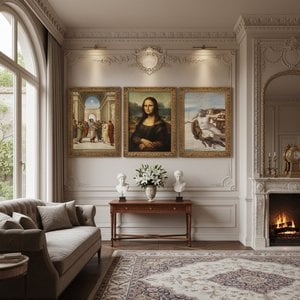
Die 10 Meisterwerke der Hochrenaissance: Kunstgeschichte für Ihr Zuhause |
Entdecken Sie die 10 prägendsten Meisterwerke der Hochrenaissance! Erfahren Sie die Geschichten von Leonardo da Vinci, Michelangelo & Raffael. Finden Sie Ihre perfekte Kunst für Zuhause bei – Museumqualität und exklusive Reproduktionen online entdecken.

Wilderness and Wonder: An Exploration of the Sublime in American Romantic Landscape Painting
Explore the power of the sublime through Thomas Cole and the Hudson River School. Discover the majesty of American Romantic landscapes now.

Jenseits der Imitation: Die kulturelle Resonanz von Kunstreproduktionen und die anspruchsvolle Sammlerkultur
Entdecken Sie hochwertige Kunstreproduktionen & personalisierte Kunst bei ArtsDot. Expertenberatung, Museumsqualität & exklusive Designs für Ihre Sammlung oder Inneneinrichtung. Jetzt bestellen!


