

 Vorschau anzeigen
 Versenden
 Teilen
 Details anzeigen
 Leitfaden

 Herunterladen
 Ähnliche Objekte
 Röntgenaufnahme
 Diashow
 Fragen & Antworten
 Statistiken
Cane

 Weiterlesen
Die auf dieser Seite dargestellten Kunstwerke sind urheberrechtlich geschützt, was bedeutet, dass wir keine identische Reproduktion rechtmäßig erstellen oder verkaufen dürfen. Dieser Schutz wird durch internationale Abkommen wie die Berner Übereinkunft und durch nationale Gesetze, einschließlich derer, die von den US-Urheberrecht – Titel 17.
Diese Methode entspricht vollumfänglich den Urheberrechtsbestimmungen, da sie keine Kopie oder Vervielfältigung des geschützten Kunstwerks darstellt. Stattdessen handelt es sich um eine kreative Neuinterpretation – ein neues Gemälde, das vom Original inspiriert, aber nicht identisch mit ihm ist.
Giclée / Kunstdruck
Giclée- oder Leinwanddruck in Museumsqualität mit schneller Produktion und flexiblen Veredelungsoptionen. ( Handgemalte Reproduktion bestellen Zum digitalen Bild wechseln)




































Wählen Sie aus unseren vordefinierten Formaten, die den ursprünglichen Proportionen des Kunstwerks entsprechen.

Geben Sie die benötigte Breite und Höhe an, damit der Druck perfekt in Ihren Rahmen oder an Ihre Wand passt. Ein Druck kann nur beschnitten, aber niemals größer als das Originalbild angefertigt werden; daher verliert ein Format mit anderen Proportionen einen Teil des Bildes. Wir senden Ihnen ein digitales Mockup zur Freigabe, bevor wir den Druck ausführen. Das auf dieser Seite gezeigte Bild zeigt nicht den tatsächlichen Beschnitt – dies ist nur im Mockup ersichtlich.
Weltweiter Versand () innerhalb von 2 Wochen statt der üblichen 4/5 Wochen. (9 November)

Kostenloser weltweiter Expressversand

Hochwertige Leinenleinwand

Umfassender Versicherungsschutz beim Versand

Zollgebühren-Rückerstattungsgarantie

Garantie für exakte Farbtreue

100 Tage Rückgaberecht (nur bei Mängeln)

100% Geld-zurück-Garantie

Mengenrabatt verfügbar
 Die Glasoption ist nur für Größen unter 110 cm verfügbar.

Cane
Giclée / Kunstdruck
Format der Reproduktion
-


Endpreis
€ 56
Ähnliche Kunstwerke


Künstlerbiografie
Die Tang-Dynastie: Ein Schmelztiegel künstlerischer Innovation
Die Tang-Dynastie (618–907) stellt eine beispiellose Epoche der chinesischen Geschichte und des künstlerischen Schaffens dar, eine Ära, die durch politische Stabilität, wirtschaftlichen Wohlstand und eine leidenschaftliche Hinwendung zur kosmopolitischen Kultur geprägt war. Aus den fragmentierten Folgen des Zusammenbruchs der Sui-Dynastie hervorgegangen – ein Zeugnis der Resilienz inmitten von Turbulenzen – leiteten die Kaiser der Tang-Dynastie eine Zeit ein, welche die Entwicklung der chinesischen Kunst, Literatur und Philosophie für Jahrhunderte maßgeblich prägen sollte. Dieses goldene Zeitalter erlebte beispiellose künstlerische Experimente, gefördert durch kaiserliche Schirmherrschaft und begünstigt durch die aufstrebenden Handelsrouten, welche China mit Persien, Indien und Zentralasien verbanden, was zu einer atemberaubenden Synthese von Stilen und Techniken führte.- Politische Landschaft: Die Regierungszeit von Kaiser Taizong (626–649) markierte die Formierungsjahre der Dynastie, in denen die Macht durch militärische Eroberungen konsolidiert und zentralisierte Verwaltungsstrukturen geschaffen wurden. Diese priorisierten das Leistungsprinzip – ein für seine Zeit revolutionäres Konzept – gegenüber dem Erbrecht. Dieses Engagement für eine fähige Regierungsführung bildete das Fundament für spätere kaiserliche Strategien, die auf wirtschaftliches Wachstum und kulturelle Blüte abzielten.
- Wirtschaftlicher Aufschwung: Die Seidenproduktion erlebte während der Tang-Zeit einen enormen Aufstieg, getrieben durch expandierende Handelsnetze und Innovationen in der Webtechnologie. Dank Fortschritten in der Bewässerung und Düngung stieg die landwirtschaftliche Produktivität, was die Nahrungsmittelversorgung sicherte und eine wachsende Stadtbevölkerung unterstützte. Der Wohlstand dieser Ära ging weit über materiellen Reichtum hinaus; er schuf ein lebendiges intellektuelles Umfeld, in dem Gelehrte philosophische Ideen debattierten und Künstler neue kreative Horizonte erschlossen.
- Kulturelle Synthese: Chang'an – die Hauptstadt der Tang-Dynastie – wurde zu einem Magneten für Intellektuelle, Kunsthandwerker und Gesandte aus ganz Eurasien und verwandelte sich in eine der kosmopolitischsten Städte der Welt. Buddhistische Klöster florierten und beauftragten monumentale Skulpturen und Gemälde, die die ostkirchliche Ikonografie widerspiegelte. Auch das nestorianische Christentum gewann Anhänger und errichtete Kirchen in den großen Zentren, während der Zoroastrismus ebenfalls Einzug unter die Elite der Tang-Dynastie hielt, was die Offenheit der Dynastie gegenüber vielfältigen religiösen Traditionen demonstrierte.
Die Kunst der Landschaftsmalerei: Das Erfassen erhabener Schönheit
Die Landschaftsmalerei erreichte während der Tang-Dynastie ihren Zenit und erlangte ein Maß an Raffinesiertheit und Ausdruckskraft, das in den vorangegangenen Jahrhunderten unerreicht blieb. Die Künstler suchten nicht nur die Darstellung malerischer Aussichten, sondern auch tiefgründiger spiritueller Wahrheiten – als Spiegelbild konfuzianischer Ideale, die die Harmonie mit der Natur und die Ehrfurcht vor dem Kosmos betonten. Stilistische Innovationen, angeführt von Meistern wie Wang Wei (699–759), revolutionierten die künstlerische Praxis. Er war ein Pionier des „Geist der Berge“-Stils, der durch subtile Tonabstufungen und eine atmosphärende Perspektive bestach, welche die Illusion von Tiefe und Leuchtkraft erzeugte. Diese Technik – beeinflusst von der buddhistischen Kosmologie – fing die Erhabenheit gebirgiger Landschaften mit atemberaubender Genauigkeit ein und verlieh ihnen eine tiefe symbolische Resonanz.- Technik: Die Künstler nutzten akribische Pinselstriche, um Texturen und Konturen darzustellen, wobei sie Mineralpigmente verwendeten, die mit Seide oder Leim vermischt wurden, um eine bemerkenswerte Farbtreue zu erreichen. Die Anwendung der Luftperspektive – eine von Wang Wei perfektionierte Technik – schuf eine dunstige Atmosphäre, welche die Umrisse sanft auflöste und das Gefühl von Distanz verstärkte.
- Symbolik: Landschaftsgemälde vermittelten komplexe philosophische Ideen, die im Konfuzianismus und Buddhismus verwurzelt waren. Berge repräsentierten Stabilität, Beständigkeit und moralische Tugend; Kiefern symbolisierten Widerstandsfähigkeit und Langlebigkeit; Felsen verkörperten Standhaftigkeit und Ausdauer. Diese Motive sprachen die Betrachter tief an und übermittelten Botschaften über spirituelle Erleuchtung und ethisches Handeln.
- Bedeutende Werke: Wang Weis Dwelling Among the Pines ist ein Paradebeispiel für den „Geist der Berge“-Stil; es fängt die stille Schönheit eines Kiefernhains im Mondlicht ein – ein Meisterwerk, das durch seine meisterhafte Ausführung und tiefe symbolische Bedeutung bis heute Bewunderung hervorruft.
Seidenmalerei: Ein Erbe der Eleganz und Raffinesse
Die Seidenmalerei entwickelte sich während der Tang-Dynastie zu einem weiteren dominierenden Genre, das durch seine exquisite Zartheit und leuchtenden Farben bestach. Die Künstler trugen Pigmente kunstvoll auf Seidenstoff auf – ein Material, das aus Zentralasien importiert wurde –, um Bilder zu erschaffen, die kaiserliche Pracht und idealisierte Schönheit feierten. Die Technik beinhaltete das Schichten von transparenten Lasuren über opake Pigmente, um einen schimmernden Effekt zu erzielen – ein Markenzeichen der Tang-Kunst, das sowohl heimisches als auch ausländisches Publikum in seinen Bann zog.- Materialien: Seidenstoff diente als Bildträger und bot eine ideale Oberfläche, um subtile Tonvariationen und leuchtende Farben einzufangen. Aus Mineralien und Pflanzen gewonnene Pigmente wurden sorgfältig mit Seidenleim vermischt, um lebendige Farbtöne zu erzeugen – oft unter Einbeziehung von Blattgold –, welche die visuelle Wirkung des Kunstwerks verstärkten.
- Stil: Die Seidenmaler der Tang-Dynastie bevorzugten eine verfeinerte Ästhetik, die durch anmutige Kompositionen und akribische Details gekennzeichnet war. Sie wandten Techniken wie die „Nass-in-Nass“-Malerei an, bei der die Pigmente nahtlos ineinanderfließen konnten, um weiche, diffuse Effekte zu erzeugen, die eine ätherische Qualität vermittelten.
- Ikonografie: Seidenmalereien stellten mythologische Figuren, florale Motive und Landschaften dar – oft durchdrungen von symbolischer Bedeutung –, was die vorherrschenden kulturellen Werte der Tang-Dynastie widerspiegelte. Die florale Bildsprache – insbesondere Pfingstrosen – stand für Wohlstand und Glück – ein Motiv, das häufig in kaiserlichen Porträts und zeremoniellen Dekorationen verwendet wurde.
Einfluss und Vermächtnis
Die künstlerischen Errungenschaften der Tang-Dynastie übten einen tiefgreifenden Einfluss auf die nachfolgende chinesische Kunstgeschichte aus und setzten Standards für stilistische Innovation und ästhetische Exzellenz, die Jahrhunderte überdauerten. Die Landschaftsmalerei inspirierte Künstler während der gesamten Song-Dynastie (960–1279) weiter, während die Seidenmalerei ihren Status als Medium für kaiserliche Aufträge behielt – ein Zeugnis ihrer beständigen Schönheit und künstlerischen Raffinesse. Darüber hinaus prägten die künstlerischen Ideale der Tang-Dynastie – wie die Harmonie mit der Natur und die Ehrfurcht vor der Tradition – die breitere Kulturlandschaft Chinas und hinterließen eine unauslöschliche Spur im intellektuellen Erbe und im künstlerischen Empfinden des Landes. Das Vermächtnis der Kunst der Tang-Dynastie lebt bis heute fort, dient als Inspirationsquelle für Künstler weltweit und erinnert uns an die transformative Kraft von Kreativität und kulturellem Austausch.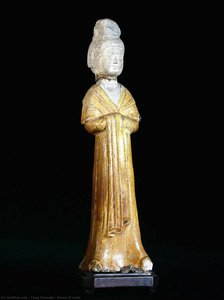
Tang-Dynastie
China
Kurzinfos
- Artistic Movement Or Style: Landschaftsmalerei
- Full Name: Tang-Dynastie
- Nationality: Chinesisch
- Notable Artworks: ['Kranich, Kiefer, Fels Kunst']
- Place Of Birth: China