

- 11.0 x 76.0 cm


The picture follows your choices: , .
Beschreibung des Sammlerstücks
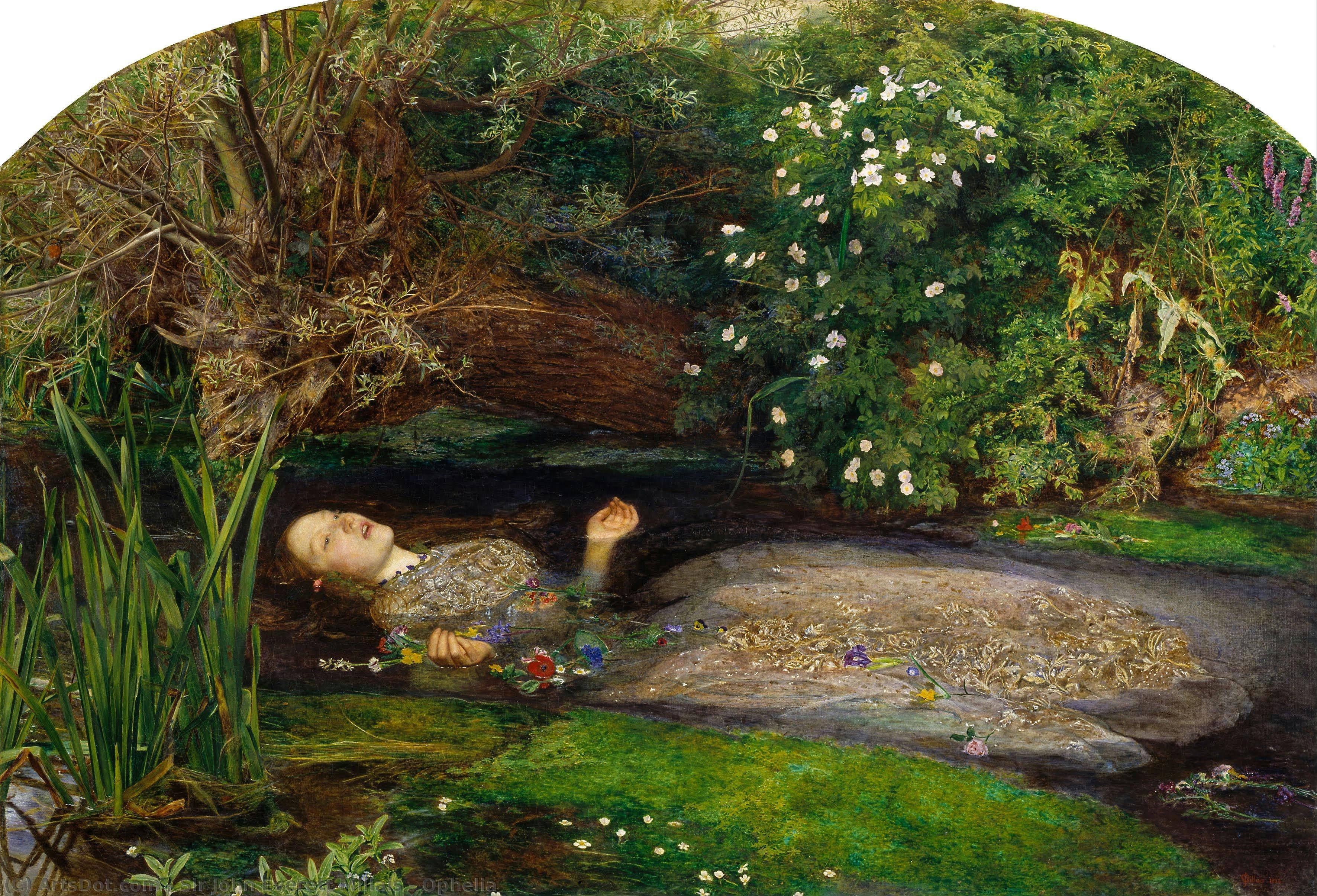
Erleben Sie Millais' „Ophelia“ – ein atemberaubendes Meisterwerk der Präraffaeliten! Entdecken Sie seine stille Schönheit, detailreiche Pracht und symbolische Tiefe. Ein zeitloses Kunstwerk.
 Weiterlesen
Künstlerbiografie
Entdecken Sie Sir John Everett Millais (1829-1896), Gründer der Präraffaeliten! Erleben Sie seinen detailreichen Realismus, ikonische Werke wie Ophelia & Christus im Haus seines Vaters und seinen Einfluss auf die viktorianische Kunst.
Handgefertigte Ölreproduktion
Handgemaltes Ölgemälde auf Leinwand in Ihrer Wunschgröße und mit Rahmen, auf Bestellung von unseren Künstlern angefertigt. ( Zum Druck wechseln Zum digitalen Bild wechseln)
More about this painting
 Vorschau anzeigen
 Versenden
 Teilen
 Details anzeigen
 Leitfaden

 Herunterladen
 Ähnliche Objekte
 Röntgenaufnahme
 Diashow
 Q&A
Q&A Statistiken
Order your painting in four simple steps
Take your time. You can change any answer; the price in your order card follows each choice.
1 Step one of four
Which size would you like?
These sizes keep the proportions of the original painting. The drawing shows your choice on a wall, above a two-metre sofa.
Or give your own measurements
Wählen Sie aus unseren vordefinierten Formaten, die den ursprünglichen Proportionen des Kunstwerks entsprechen.

Geben Sie die Breite und die Höhe an, die Sie für Ihren Rahmen oder Ihre Wand benötigen. Da dieses Werk handgemalt ist, kann der Künstler bei einer anderen Form etwas mehr um das Bild herum malen oder etwas abschneiden – Sie entscheiden. Wir senden Ihnen ein digitales Mockup zur Freigabe, bevor mit dem Malen begonnen wird. Das auf dieser Seite gezeigte Bild stellt nicht das tatsächliche Ergebnis dar – dies tut nur das Mockup.
2 Step two of four
How should it be prepared: rolled, stretched or framed?
The prices below are for the size you chose in step one.
Choose the edges of the stretched canvas
Choose your frame

White €1

Blurside €1

Extended €1

P118B €10

P118H €10

P118W €10

P438Z €10

P508JH €12

P508YH €12

P805H €10

P805Z €10

P919BZ €10

P919G €10

P919XJ €10

P959ZH €10

P968JZ €12

W106C €8

W218G €10

W218JH €8

W218Y €10

W307PJ €10

W316G €10

W316PJ €8

W316Y €10

W398PJ €8

W4111J €10

W500HY €15

W500JH €15

W692G €12

W849H €8

W940BG €15

W953PJ €8

H24-GOLD €30

H24-SILVER €30

H36-GOLD €45

H36-SILVER €45
Gerahmt
Moulding: . Overall size with the frame: .
3 Step three of four
Would you like anything changed in the painting?
Most people answer no. Because each painting is made by hand, our artist can also adapt it for you.
After order, ArtsDot.com team will email client for instructions and provide a mockup preview
4 Step four of four
A few finishing options
All of them are optional. The answers already selected cost nothing extra.
Who paints it?
Weltweiter Versand () in nur 3 bis 4 Wochen statt der üblichen 5 Wochen. (3 November). Keine Kompromisse bei der Qualität.
A nameplate, as in a museum?
Details der gravierten Bronzetafel
This elegant plaque features the artist's name and the title of the artwork, finely engraved for a timeless presentation.
It is made from bronze with a refined, elegant finish. The text is precisely laser-engraved for a sharp and permanent result. Measuring 9x2 cm, the plaque is compact yet easy to read. It's built to be durable and scratch-resistant, offering a professional, museum-quality look. Mounting is simple thanks to the included adhesive backing.
Details zur Acrylglas-Plakette (transparent)
The plaque includes essential engraved details such as the artist's name, the title of the artwork, the date it was created, the type of media used-like oil on canvas or watercolor-a brief description of the piece, and a QR code that links to the complete artwork information.
It is crafted from clear acrylic, offering a sleek, modern appearance. The text is UV-engraved in black to ensure strong visual contrast. With a size of 10x15 cm, it ensures optimal readability. It comes equipped with two metal hooks for secure wall mounting. The plaque is designed to be weather-resistant, making it suitable for various environments, and it includes interactive features that work seamlessly with smartphone scanning.
Details zur schwarzen Acryltafel
This elegant plaque includes engraved information such as the artist's name, the title of the artwork, the date it was created, the type of media used (like oil on canvas or watercolor), a short description of the artwork, and a QR code for quick access to more information.
The plaque itself is made from refined black acrylic with a premium finish. The text is laser-engraved in white for high contrast and readability. Its size is 10x15 cm, designed to be easy to read. It comes with two metal hooks for professional mounting. The design is sleek and fits any interior style. It is also weather-resistant and durable, with built-in digital integration for mobile compatibility.
A protective varnish?
When do you need it?
✓ Check and order
Your painting, as you ordered it

Ophelia
Art der Reproduktion
Format der Reproduktion
-

Erstklassige Meisterkünstler
Mehr Detailtiefe, Raffinesse und zusätzliche Produktionszeit
-

Rahmen für Reproduktionen
-
-
Bei Kunstwerken oder Reproduktionen, die an einer Seite größer als 105 cm (ca. 41 Zoll) sind, wird der Rahmen zerlegt als Bausatz geliefert. Diese Methode gewährleistet eine sichere Zustellung und verhindert Schäden während des Transports.
Professionelle Montage erforderlich – dies ist kein DIY-Produkt.
Der Bausatz muss von einem erfahrenen professionellen Rahmenmacher zusammengebaut und die Leinwand gespannt werden. Hierfür werden Holzleim (nicht im Lieferumfang enthalten), eine Leinwandspannzange sowie Klemmen benötigt, um die Keilleisten während des Trocknungsvorgangs rechtwinklig zu halten. Eine unsachgemäße Montage oder eine ungleichmäßige Spannung der Leinwand kann das Kunstwerk dauerhaft beschädigen und ist nicht durch unsere Garantie abgedeckt.
 Bei Kunstwerken oder Reproduktionen, die an einer Seite größer als 105 cm (ca. 41 Zoll) sind, wird der Rahmen zerlegt als Bausatz geliefert. Diese Methode gewährleistet eine sichere Zustellung und verhindert Schäden während des Transports.
Alle Vollholzkomponenten sind enthalten, präzise auf Maß zugeschnitten.
Der Zusammenbau erfolgt mit den mitgelieferten Schrauben sowie Holzkleber für die Eckverbindungen, der nicht im Lieferumfang enthalten ist und vom Rahmenbauer selbst beschafft werden muss.
Professionelles Werkzeug ist erforderlich und nicht im Lieferumfang enthalten: eine Keilrahmenzange (Spannwerkzeug) sowie Klammern, um die Leisten während der Trocknungszeit des Klebers rechtwinklig zu fixieren.
Wichtiger Hinweis:
Für die Eckverbindungen wird Holzleim benötigt, die Leisten müssen mit Zwingen fixiert werden, bis der Leim vollständig getrocknet ist, und das Spannen der Leinwand auf dem fertigen Rahmen erfordert eine Keilrahmen-Zange. Keines dieser Utensilien ist im Set enthalten. Bitte stellen Sie sicher, dass ein erfahrener Rahmenmacher zur Verfügung steht, bevor Sie diese Größe bestellen.

Beschriftung
-
-

Schutzlackierung
Glanzlack (verstärkt die Farben, schützt vor Licht und Feuchtigkeit)
-

Mein Kunstwerk personalisieren
Beispiele für Anpassungsmöglichkeiten: Gesicht durch Kundenfoto ersetzen; Haustier hinzufügen (z. B. Katze durch Hund ersetzen); Versteckte Nachricht im Hintergrund einfügen; Hintergrundlandschaft oder -elemente ändern.
-

Eilt sehr
Weltweiter Versand () in nur 3 bis 4 Wochen statt der üblichen 5 Wochen. (3 November). Keine Kompromisse bei der Qualität.
-
Expressversand
Weltweiter Versand () innerhalb von 5 Wochen. (10 November).
Inklusive Versand
Endpreis
€ 234
Die Glasoption ist nur für Größen unter 110 cm verfügbar.
Included with every order
- Kostenloser weltweiter Expressversand
- Hochwertige Leinenleinwand
- Umfassender Versicherungsschutz beim Versand
- Zollgebühren-Rückerstattungsgarantie
- Garantie für exakte Farbtreue
- 100 Tage Rückgaberecht (nur bei Mängeln)
- 100% Geld-zurück-Garantie
- Mengenrabatt verfügbar


A Frozen Moment of Melancholy: Millais’s “Ophelia”
Sir John Everett Millais's "Ophelia," painted in 1851–52, isn’t merely a depiction of a tragic Shakespearean scene; it’s an immersive experience—a meticulously crafted tableau of sorrow and beauty that continues to captivate viewers over a century and a half later. This iconic Pre-Raphaelite masterpiece transcends its literary source, becoming a profound meditation on loss, innocence, and the poignant surrender to nature's embrace. The painting immediately draws the eye with its luminous palette and astonishing level of detail, inviting the viewer into a world both idyllic and profoundly mournful.
Millais’s genius lies not just in his technical skill—though that is undeniably remarkable—but in his ability to evoke an atmosphere of palpable grief. He achieved this through a radical departure from conventional artistic practices for the time, choosing to paint *en plein air* (outdoors) and working directly from nature. This commitment to realism, coupled with the Pre-Raphaelite Brotherhood’s fascination with medieval and Renaissance art, resulted in a work that feels simultaneously ancient and utterly contemporary. The scene unfolds along the Hogsmill River near Ewell, Surrey, where Millais meticulously recreated the landscape, capturing the dappled sunlight filtering through the foliage and the shimmering reflections on the water's surface.
The Figure of Despair
At the heart of “Ophelia” is her figure—a young woman reclining gracefully in the stream, her expression a mixture of serene acceptance and heartbreaking resignation. Elizabeth Siddall, Millais’s model for Ophelia, endured an extraordinary ordeal to achieve this portrayal. For weeks, she posed submerged in a bathtub filled with cold water, draped in heavy velvet robes to simulate the chill of the river. This dedication to realism extended beyond mere appearance; it was a deliberate attempt to capture the physical sensation of drowning—a testament to Millais’s commitment to portraying the subject matter with unflinching honesty.
The details surrounding Siddall's posing are particularly poignant, revealing the demanding nature of Pre-Raphaelite art production. The discomfort she experienced led to a severe illness, requiring medical attention and ultimately shaping the painting’s atmosphere of vulnerability. Millais’s careful observation of her posture, the delicate drape of her gown, and the subtle expression on her face all contribute to the overwhelming sense of tragedy.
Symbolism Woven into the Scene
“Ophelia” is rich in symbolic detail, each element carefully chosen to deepen the narrative’s emotional resonance. The flowers scattered around her—violets, pansies, poppies, willow branches, and daisies—are not merely decorative; they carry specific meanings rooted in Victorian symbolism. Violets represent faithfulness and modesty, while poppies symbolize death and sleep. The willow branch, a traditional symbol of mourning, drapes over the riverbank, mirroring Ophelia’s descent into sorrow. Even the arrangement of the flowers suggests a deliberate composition—a visual representation of her fragmented thoughts and memories.
The inclusion of a silver casket, partially submerged in the water, further reinforces the theme of loss and remembrance. It is a relic from her past, a symbol of her shattered engagement and the world she has lost. The presence of a small mouse nestled amongst the embroidery on the table adds an unexpected layer of detail—a reminder of mortality and the fragility of life.
A Legacy of Beauty and Sorrow
“Ophelia” remains one of the most celebrated paintings in the Pre-Raphaelite canon, admired for its technical brilliance, emotional depth, and enduring power. It’s a work that invites repeated viewing—each encounter revealing new layers of meaning and nuance. Beyond its artistic merit, “Ophelia” has become an iconic image of female vulnerability and tragic beauty, frequently referenced in literature, film, and popular culture. Its depiction of a young woman surrendering to the embrace of nature continues to resonate with viewers today, serving as a poignant reminder of the ephemeral nature of life and the enduring power of art to capture both its splendor and its sorrow.
Reproductions of “Ophelia” offer an accessible way to experience this masterpiece firsthand. Whether displayed in a grand salon or a cozy study, this evocative image will undoubtedly spark conversation and inspire contemplation for years to come.
Fragen & Antworten
Zu welcher Stilrichtung gehört "Ophelia"?
"Ophelia" von Sir John Everett Millais lässt sich der Strömung des Präraffaeliten zuordnen. Diese Stilrichtung bildet den künstlerischen Kontext des Werkes.
Inwiefern spiegelt der Stil von "Ophelia" die Epoche seines Schöpfers wider?
"Ophelia" gehört der Strömung des Präraffaeliten an, und sein Schöpfer war in der Ära der – 19. Jahrhundert tätig.
Wo kann ich Kunstwerke finden, die "Ophelia" von Sir John Everett Millais ähneln?
Ähnliche Werke zu „Ophelia“ finden Sie auf der Seite Ähnliche Werke des Kunstwerks.
Ähnliche Kunstwerke


Sir John Everett Millais
1829 - 1896, Vereinigtes Königreich
Künstlerbiografie
Frühes Leben und Ausbildung
Sir John Everett Millais, ein renommierter englischer Maler und Illustrator, wurde am 8. Juni 1829 in Southampton, England, geboren. Als Wunderkind wurde er bereits im Alter von elf Jahren zum jüngsten Schüler der Royal Academy Schools zugelassen.Gründung der Präraffaeliten
Im September 1848 gründeten Sir John Everett Millais, zusammen mit William Holman Hunt und Dante Gabriel Rossetti, die Präraffaeliten in seinem Familiendomizil in Gower Street, London. Diese Bewegung strebte danach, den Stil der frühen italienischen Renaissance wiederzubeleben.Bedeutende Werke
Zu Sir John Everett Millais' bedeutendsten Werken zählen:- Christ in der Werkstatt seines Vaters (1849-1850), ein höchst kontroverses Werk, das seine realistische Darstellung einer Arbeiterfamilie als Heilige Familie zeigte.
- Ein hugenottisches Paar (1851-1852), das ein junges Paar darstellt, das aufgrund religiöser Konflikte voneinander getrennt werden soll.
- Ophelia (1851-1852), ein Gemälde, das seine dichten und elaborierten bildlichen Oberflächen demonstrierte, oft konzentriert auf die Schönheit und Komplexität der Naturwelt.
- Mariana (1850-1851), basierend auf dem Stück "Was ihr wollt" von William Shakespeare und dem Gedicht gleichen Namens von Alfred Lord Tennyson.
Einfluss und Spätere Werke
Sir John Everett Millais' spätere Werke wurden von seiner Frau Effie beeinflusst, die zuvor mit dem Kritiker John Ruskin verheiratet war. Sein Stil entwickelte sich zu einer breiteren Form des Realismus, der zunächst von Ruskin kritisiert wurde, aber später als bedeutender Beitrag zur Kunstwelt anerkannt wurde.Museen und Sammlungen
Werke Sir John Everett Millais' finden sich in verschiedenen Museen, darunter:- Die Tate Britain in London, die The Order of Release (1853) und Ophelia (1852) zeigt.
- Das Ashmolean Museum in Oxford, das The Return of the Dove to the Ark (1851) ausstellt.
Vermächtnis
Sir John Everett Millais' Vermächtnis geht über seine Kunst hinaus. Er war ein Pionier der Präraffaelitenbewegung und eine bedeutende Figur in der Entwicklung der britischen Kunst.- Erfahren Sie mehr über Sir John Everett Millais auf ArtsDot.com.
- Erkunden Sie die Präraffaelitenbewegung und ihren Einfluss auf die britische Kunst bei Wikipedia.


Ähnliche Artikel

25 Meisterwerke von Dante Gabriel Rossetti: Die Seele der Präraffaeliten
Entdecke 25 Meisterwerke von Dante Gabriel Rossetti und die Preraffaeliten. Erlebe zeitlose Kunst auf ArtsDot.com.

Arthur Hughes: Pre-Raphaelite Visions of Beauty & Melancholy
Explore the captivating world of Arthur Hughes (1832-1915), a leading Pre-Raphaelite painter. Discover his dreamy landscapes, poetic narratives & iconic Victorian artworks. Learn about his life, style & collecting today.

The Pre-Raphaelite Brotherhood: A Rebellion of Beauty & Medieval Revival
Explore the captivating world of the Pre-Raphaelite Brotherhood! Discover their rebellion against academic art, iconic masterpieces, and lasting influence on Victorian aesthetics. Learn about Rossetti, Burne-Jones & more.