- Startseite

- Auf Leinwand drucken
- Sir John Everett Millais
- My Second Sermon
 Gemälde kaufen Bild kaufen
 Versenden
 Teilen
 Details
 Zu Favoriten hinzufügen

 Herunterladen
 Ähnliche Objekte
 X-Ray
X-Ray
 Diashow anzeigen
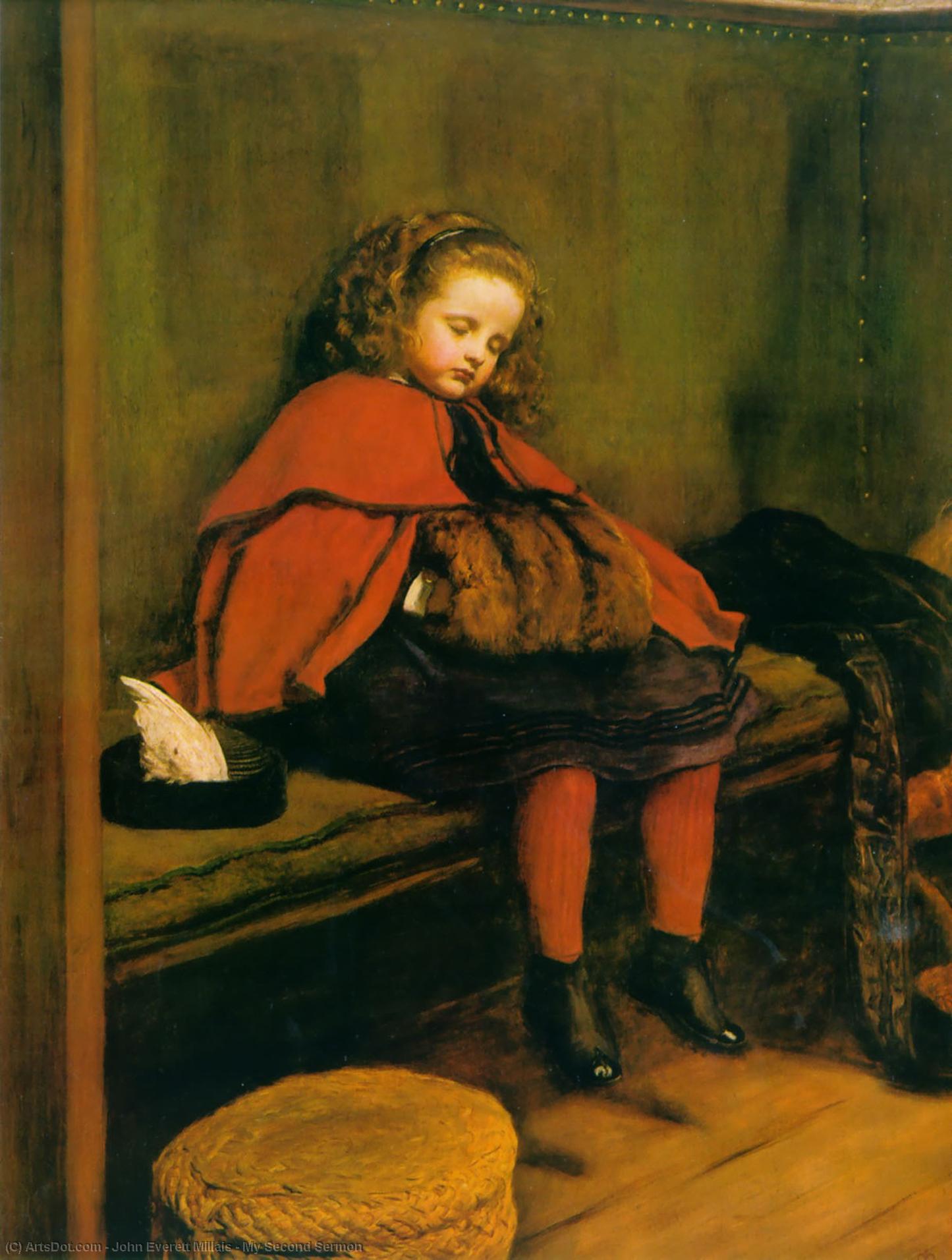
My Second Sermon
 Oil On Canvas
- WallArt
- Pre-Raphaelite Brotherhood
 1864
1864- 19th Century
 97.0 x 72.0 cm
 Guildhall Art Galerie
 Weiterlesen
Giclée / Kunstdruck
Giclée- oder Leinwanddruck in Museumsqualität mit schneller Produktion und flexiblen Veredelungsoptionen.




P118B $10

P118H $10

P118W $10

P438Z $10

P508JH $12

P508YH $12

P805H $10

P805Z $10

P919BZ $10

P919G $10

P919XJ $10

P959ZH $10

P968JZ $12

W106C $8

W218G $10

W218JH $8

W218Y $10

W307PJ $10

W316G $10

W316PJ $8

W316Y $10

W398PJ $8

W4111J $10

W500HY $15

W500JH $15

W692G $12

W849H $8

W940BG $15

W953PJ $8




Wählen Sie aus unseren vordefinierten Größen, die den ursprünglichen Proportionen des Kunstwerks entsprechen.

Sie können Ihre eigenen Maße eingeben, um ein bestimmtes Format oder einen speziellen Platz einzupassen. Wenn das von Ihnen gewählte Format nicht den Proportionen des Originalbildes entspricht, werden wir das Kunstwerk entweder beschneiden oder das Bild mit einem gespiegelten oder einfarbigen Rand erweitern. Ein digitaler Entwurf wird Ihnen zur Genehmigung zugesandt, bevor die Produktion beginnt.
Bitte beachten Sie, dass die Vorschau auf dem Bildschirm nicht den tatsächlichen Zuschnitt oder die Erweiterung widerspiegelt. Nur der Entwurf zeigt die endgültige Komposition präzise an.
Obwohl Sondermaße verfügbar sind, empfehlen wir die Auswahl eines Maßes aus der vordefinierten Liste, um die ursprünglichen Proportionen zu bewahren.
Weltweiter Versand () innerhalb von 2 Wochen statt der üblichen 4/5 Wochen. (2 Juli)

Kostenloser weltweiter Expressversand

Hochwertige Leinenleinwand

Umfassender Versicherungsschutz beim Versand

Zollsteuer-Rückerstattungsgarantie

Garantie für echte Farbtreue

60-Tage-Rückgaberecht (nur bei Mängeln)

100% Geld-zurück-Garantie

Mengenrabatt verfügbar
 Die Glasoption ist nur in Größen unter 110 cm verfügbar.

My Second Sermon
Giclée / Kunstdruck
Größe der Reproduktion
-


Endpreis aller Optionen
-
Beschreibung des Sammlerstücks
A Moment of Quietude: Sir John Everett Millais's "My Second Sermon"
Sir John Everett Millais’s “My Second Sermon,” painted in 1864, is more than just a portrait; it’s a carefully constructed tableau of Victorian innocence and burgeoning artistic rebellion. Measuring 97 x 72 cm, this intimate scene captures a young girl lost in contemplation, her head resting on her hand as she cradles a beloved teddy bear. The painting immediately draws the viewer into a space of profound stillness, a quiet moment suspended in time that speaks to the anxieties and aspirations of the era.
- The Pre-Raphaelite Vision: Created by Millais during his pivotal role within the Pre-Raphaelite Brotherhood, “My Second Sermon” exemplifies their revolutionary approach to art. Rejecting the idealized forms and dramatic narratives favored by established artistic conventions, the Pre-Raphaelites sought a return to the clarity, detail, and emotional honesty of early Italian masters – hence the name.
- Technical Mastery: Millais’s meticulous technique is immediately apparent. The rendering of textures—the plush fur of the teddy bear, the worn fabric of the girl's coat, the smooth wood of the bench—is astonishingly realistic. His use of light and shadow creates a palpable sense of depth, drawing the viewer into the scene with an almost photographic precision.
Subject Matter and Victorian Context
The subject itself – a young girl engaged in private reflection – was deliberately chosen to explore themes of childhood innocence and vulnerability. The mid-19th century witnessed a growing fascination with children within British art, often depicted as symbols of purity and moral rectitude. However, Millais subtly subverts this traditional portrayal. The girl’s expression is ambiguous; she isn't actively engaged in any particular activity, but rather lost in her own thoughts. This ambiguity reflects the anxieties of the Victorian era – a period marked by rapid industrialization, social upheaval, and a growing sense of uncertainty about the future.
- Domesticity and Gender Roles: The setting—a simple interior space—reinforces the importance of domestic life within Victorian society. The presence of the bowl on the bench suggests a scene of everyday activity, yet the girl’s solitary pose hints at the limitations placed upon women during this time.
- Symbolism of the Teddy Bear: The teddy bear itself is a significant symbol, representing comfort, security, and childhood nostalgia – themes frequently explored by Pre-Raphaelite artists. Its presence adds to the painting's overall sense of tenderness and vulnerability.
Emotional Impact and Artistic Legacy
"My Second Sermon" possesses a remarkable emotional resonance. The painting’s quietude invites contemplation, prompting viewers to consider themes of childhood, memory, and the passage of time. Millais’s ability to capture such a fleeting moment with such profound sensitivity is a testament to his artistic genius.
- Influence on Victorian Art: This work significantly influenced subsequent generations of British artists, solidifying Millais's position as one of the movement's leading figures.
- A Timeless Appeal: The painting’s enduring appeal lies in its ability to evoke a sense of nostalgia and quiet beauty – qualities that continue to resonate with audiences today.
ArtsDot Reproduction
ArtsDot offers meticulously crafted hand-painted reproductions of Sir John Everett Millais's "My Second Sermon," ensuring the preservation of this iconic artwork’s detail and emotional depth. Our skilled artisans employ traditional techniques, replicating Millais’s masterful brushwork and color palette to create a faithful representation that will enhance any interior space. Choose from a range of sizes to perfectly suit your needs and experience the timeless beauty of this Pre-Raphaelite masterpiece.
Ähnliche Kunstwerke


Biografie des Künstlers
Frühes Leben und Ausbildung
Sir John Everett Millais, ein renommierter englischer Maler und Illustrator, wurde am 8. Juni 1829 in Southampton, England, geboren. Als Wunderkind wurde er bereits im Alter von elf Jahren zum jüngsten Schüler der Royal Academy Schools zugelassen.Gründung der Präraffaeliten
Im September 1848 gründeten Sir John Everett Millais, zusammen mit William Holman Hunt und Dante Gabriel Rossetti, die Präraffaeliten in seinem Familiendomizil in Gower Street, London. Diese Bewegung strebte danach, den Stil der frühen italienischen Renaissance wiederzubeleben.Bedeutende Werke
Zu Sir John Everett Millais' bedeutendsten Werken zählen:- Christ in der Werkstatt seines Vaters (1849-1850), ein höchst kontroverses Werk, das seine realistische Darstellung einer Arbeiterfamilie als Heilige Familie zeigte.
- Ein hugenottisches Paar (1851-1852), das ein junges Paar darstellt, das aufgrund religiöser Konflikte voneinander getrennt werden soll.
- Ophelia (1851-1852), ein Gemälde, das seine dichten und elaborierten bildlichen Oberflächen demonstrierte, oft konzentriert auf die Schönheit und Komplexität der Naturwelt.
- Mariana (1850-1851), basierend auf dem Stück "Was ihr wollt" von William Shakespeare und dem Gedicht gleichen Namens von Alfred Lord Tennyson.
Einfluss und Spätere Werke
Sir John Everett Millais' spätere Werke wurden von seiner Frau Effie beeinflusst, die zuvor mit dem Kritiker John Ruskin verheiratet war. Sein Stil entwickelte sich zu einer breiteren Form des Realismus, der zunächst von Ruskin kritisiert wurde, aber später als bedeutender Beitrag zur Kunstwelt anerkannt wurde.Museen und Sammlungen
Werke Sir John Everett Millais' finden sich in verschiedenen Museen, darunter:- Die Tate Britain in London, die The Order of Release (1853) und Ophelia (1852) zeigt.
- Das Ashmolean Museum in Oxford, das The Return of the Dove to the Ark (1851) ausstellt.
Vermächtnis
Sir John Everett Millais' Vermächtnis geht über seine Kunst hinaus. Er war ein Pionier der Präraffaelitenbewegung und eine bedeutende Figur in der Entwicklung der britischen Kunst.- Erfahren Sie mehr über Sir John Everett Millais auf ArtsDot.com.
- Erkunden Sie die Präraffaelitenbewegung und ihren Einfluss auf die britische Kunst bei Wikipedia.

Sir John Everett Millais
1829 - 1896 , Vereinigtes Königreich
Kurzinfos
- Beeinflusste Künstler: ['Dante Gabriel Rossetti']
- Bemerkenswerte Werke:
- Christ in der Elternhaus
- Ein hugenottisches Paar
- Ophelia
- Mariana
- Einflüsse: ['Frührenaissance Italien']
- Geburtsdatum: 8. Juni 1829
- Geburtsort: Southampton, Vereinigtes Königreich
- Künstlerische Bewegung: Präraffaeliten
- Nationalität: Britisch
- Todatum: 13. August 1896
- Vollständiger Name: Sir John Everett Millais
Ähnliche Artikel

Victorian Botanical Painting: Science, Art & Aesthetic Sensibility
Explore the exquisite world of Victorian botanical art! Discover the science & artistry behind stunning floral illustrations by Gould, Muckley & more. Learn about collecting, value & investment at ArtsDot.

Dante Gabriel Rossetti: Die 25 Meisterwerke des Präraffelitismus | ArtsDot
Entdecken Sie die 25 schönsten Gemälde von Dante Gabriel Rossetti! Tauchen Sie ein in die Welt der Präraffeliten, symbolistischer Kunst & viktorianischer Romantik. Hochwertige Reproduktionen für Ihr Zuhause – jetzt bei ArtsDot.com!

Anthony Frederick Sandys: Pre-Raphaelite Vision & Victorian Aesthetic Exploration
Discover the captivating Pre-Raphaelite world of Anthony Frederick Sandys (1829-1904). Explore his mythological scenes, portraits & Victorian artistry. Learn about his influences and lasting legacy.

Ford Madox Brown: Pre-Raphaelite Visionary & Victorian Social Commentary
Explore the life & art of Ford Madox Brown, a pivotal Pre-Raphaelite painter renowned for his powerful social commentary and masterpiece 'Work'. Discover his lasting influence on British art history.

John Collier: Pre-Raphaelite Realism & Victorian Psychological Portraiture
Explore the captivating world of John Collier, a leading Pre-Raphaelite painter renowned for his psychologically insightful Victorian portraits. Discover his masterpieces and lasting artistic legacy.