


 Vorschau anzeigen
 Versenden
 Teilen
 Details anzeigen
 Leitfaden

 Herunterladen
 Ähnliche Objekte
 Röntgenaufnahme
 Diashow
 Statistiken
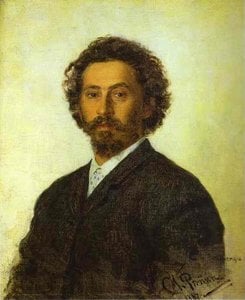
Self-portrait
 Oil On Panel
- WallArt
- Contemporary Realism
 1861
1861- 19th Century
 12.0 x 10.0 cm
 Galleria degli Uffizi
 Weiterlesen
Handgefertigte Ölreproduktion
Handgemaltes Ölgemälde auf Leinwand in Ihrer Wunschgröße und mit Rahmen, auf Bestellung von unseren Künstlern angefertigt. ( Zum Druck wechseln Zum digitalen Bild wechseln)




P118B €10

P118H €10

P118W €10

P438Z €10

P508JH €12

P508YH €12

P805H €10

P805Z €10

P919BZ €10

P919G €10

P919XJ €10

P959ZH €10

P968JZ €12

W106C €8

W218G €10

W218JH €8

W218Y €10

W307PJ €10

W316G €10

W316PJ €8

W316Y €10

W398PJ €8

W4111J €10

W500HY €15

W500JH €15

W692G €12

W849H €8

W940BG €15

W953PJ €8




Wählen Sie aus unseren vordefinierten Formaten, die den ursprünglichen Proportionen des Kunstwerks entsprechen.

Geben Sie die Breite und die Höhe an, die Sie für Ihren Rahmen oder Ihre Wand benötigen. Da dieses Werk handgemalt ist, kann der Künstler bei einer anderen Form etwas mehr um das Bild herum malen oder etwas abschneiden – Sie entscheiden. Wir senden Ihnen ein digitales Mockup zur Freigabe, bevor mit dem Malen begonnen wird. Das auf dieser Seite gezeigte Bild stellt nicht das tatsächliche Ergebnis dar – dies tut nur das Mockup.
Nach der Bestellung wird das ArtsDot.com-Team dem Kunden Anweisungen per E-Mail zusenden und eine Mockup-Vorschau bereitstellen.
Weltweiter Versand () in nur 3 bis 4 Wochen statt der üblichen 5 Wochen. (28 Oktober). Keine Kompromisse bei der Qualität.

Kostenloser weltweiter Expressversand

Hochwertige Leinenleinwand

Umfassender Versicherungsschutz beim Versand

Zollgebühren-Rückerstattungsgarantie

Garantie für exakte Farbtreue

100 Tage Rückgaberecht (nur bei Mängeln)

100% Geld-zurück-Garantie

Mengenrabatt verfügbar
 Die Glasoption ist nur für Größen unter 110 cm verfügbar.

Self-portrait
Art der Reproduktion
Format der Reproduktion
-


Endpreis
€ 232
A Glimpse into the Artist's Soul
In the quiet intimacy of Silvestro Lega’s 1861 Self-Portrait, we are invited to witness more than just a likeness; we are granted access to a moment of profound introspection. This small yet powerful oil on panel serves as a window into the psyche of one of Italy's most significant realist painters. At first glance, the viewer meets a man of contemplative gravity, his gaze steady and thoughtful, capturing that universal human impulse to look inward. The composition is masterfully focused, stripping away the distractions of a complex background to ensure that every nuance of the subject’s expression—the subtle furrow of the brow and the quiet strength in the eyes—takes center stage. For the collector or lover of fine art, this piece offers an unparalleled sense of presence, as if the artist himself is still caught in the very act of reflection.
The painting stands as a quintessential exemplar of the Macchiaioli movement, a group of Italian rebels who sought to dismantle the rigid, idealized standards of academic art. Rather than pursuing the polished perfection of Neoclassicism, Lega embraced the beauty of the "macchia"—the patch or spot of color and light. In this self-portrait, we see the rejection of artifice in favor of a raw, honest naturalism. The palette is intentionally restrained, utilizing earthy browns, deep blacks, and creamy highlights that evoke a sense of timelessness and groundedness. This stylistic choice does not merely document a face; it captures the very atmosphere of mid-19th-century Florentine realism, where the truth of light and shadow was held far above the vanity of ornamentation.
Mastery of Light and Texture
Technically, the work is a triumph of oil on panel execution. Lega demonstrates a sophisticated command over texture, utilizing subtle layers of impasto to breathe life into the canvas. One can almost feel the tactile quality of the subject's dark suit and the crispness of his white shirt and black bow tie. The artist’s brushwork is particularly deliberate around the facial features, where he employs light and shadow to sculpt the anatomy of the face, creating a three-dimensional effect that pulls the viewer into his personal space. This interplay of luminosity and depth ensures that the portrait remains dynamic, catching the light differently from every angle—a quality that makes a high-quality reproduction an exquisite addition to any curated interior.
Beyond its technical brilliance, the painting carries a heavy historical resonance. Created during the Risorgimento, a period of intense political upheaval and the unification of Italy, the work reflects the era's broader intellectual shift toward authenticity and national identity. There is a quiet dignity in Lega’s presentation that mirrors the stoicism of his generation. For an interior designer, this piece provides a sophisticated focal point, offering a sense of historical depth and intellectual weight to a room. Whether placed in a sunlit study or a moody, classical gallery setting, the Self-Portrait acts as a silent storyteller, bringing the spirit of Italian Realism into the modern home.
Fragen & Antworten
Welche Größe wird für "Self-portrait" in einem Living Room empfohlen?
Die ideale Kombination für "Self-portrait" von Silvestro Lega: ein Druck im Format Small für einen Living Room.
Verwendet "Self-portrait" von Silvestro Lega starke Kontraste oder sanfte Harmonien?
Die Farbkomposition von "Self-portrait" von Silvestro Lega vereint einen Gentle Kontrast mit einer Strong Color Unity Harmonie.
Welche Stimmung und welche Emotion vermittelt "Self-portrait" von Silvestro Lega?
In "Self-portrait" verleiht eine Elegant-Stimmung der Reflective Emotion Ausdruck.
Ähnliche Kunstwerke




Künstlerbiografie
Silvestro Lega: Ein Leben im Italienischen Realismus
- Geboren: Modignan, Italien (1826)
- Gestorben: 1895
Silvestro Lega war eine bedeutende Figur in der italienischen Kunst des 19. Jahrhunderts und gilt als einer der führenden Künstler innerhalb der Macchiaioli-Bewegung. Seine Werke verkörpern ein Engagement für Realismus und die Beobachtung des täglichen Lebens, verbunden mit seiner Beteiligung an den politischen Strömungen seiner Zeit.
Frühes Leben und künstlerische Ausbildung
- Familienhintergrund: Lega wurde in eine wohlhabende Familie in Modigliana, nahe Forlì, geboren.
- Ausbildung: Ab 1838 besuchte er das Piaristenkolleg, wo seine Zeichenkünste deutlich wurden. Von 1843 bis 1847 studierte er an der Accademia di Belle Arti in Florenz, zunächst unter Benedetto Servolini und Tommaso Gazzarini für Zeichnen, kurzzeitig Malerei mit Giuseppe Bezzuoli.
- Einfluss von Luigi Mussini: Legas Ausbildung setzte sich unter Luigi Mussini fort, der die Prinzipien des florentinischen Zeichnens und der Konstruktion des 15. Jahrhunderts betonte. Diese Grundlage prägte seinen frühen künstlerischen Ansatz.
- Militärdienst & Risorgimento: Als Garibaldianer Freiwilliger nahm Lega an den militärischen Kampagnen für die italienische Unabhängigkeit (1848–49) teil und demonstrierte damit sein Engagement im Risorgimento.
- Weitere Studien: Er studierte später unter Antonio Ciseri.
Die Macchiaioli-Bewegung und künstlerische Entwicklung
- Anfänglicher akademischer Stil: Anfangs blieb Legas Stil weitgehend akademisch, wie von seinem Zeitgenossen Diego Martelli bemerkt, der seine seltene Teilnahme an den lebhaften künstlerischen Diskussionen im Caffè Michelangelo, einem Treffpunkt für junge Maler, feststellte.
- Übergang zum Realismus: Ab 1859 begann sich Legas Werk hin zum Realismus zu entwickeln und löste sich vom puristischen Ansatz Mussinis. Diese Entwicklung wird in den Lunetten deutlich, die er zwischen 1858 und 1863 für das Oratorium der Madonna del Cantone in Modigliana malte.
- En Plein Air Malerei: Lega schloss sich seinen Macchiaioli-Kollegen – Odoardo Borrani, Giuseppe Abbati, Telemaco Signorini und Raffaello Sernesi – an und widmete sich der en plein air Malerei, wobei er die Landschaft direkt beobachtete und ihre Nuancen einzufangen versuchte.
- Die Batelli-Familienperiode (1861–1870): Eine bedeutende Zeit in Legas Leben verbrachte er bei der Familie Batelli am Fluss Affrico. Diese Zeit beeinflusste seine Kunst maßgeblich, da er ihre Kinder und Frauen in zahlreichen Gemälden darstellte und ein Gefühl von häuslicher Ruhe widerspiegelte.
Wichtige Werke und künstlerischer Stil
- Bemerkenswerte Gemälde: Zu Legas bekanntesten Werken gehören “Ein Spaziergang im Garten” (1870), "Il Pergolato" (auch bekannt als "Il dopopranzo") (1864), “Das Haus von Don Giovanni Veritá” (1885), “Im Garten” (1883) und “Garten in Bellariva” (1884).
- Stilistische Merkmale: Legas Stil zeichnet sich durch ein sorgfältiges Gleichgewicht zwischen traditioneller Komposition und zeitgenössischer Farbgebung aus, die auf direkter Beobachtung beruht. Er verwendete sorgfältig definierte Formen und stellte die Atmosphäre mit transparenter Farbe dar. Seine späteren Werke zeigen einen impressionistischen Einfluss.
- Thematischer Fokus: Seine Gemälde stellen oft Szenen des Landlebens, Familienversammlungen und Porträts dar und spiegeln den Schwerpunkt auf die alltäglichen Erfahrungen gewöhnlicher Menschen wider.
Spätere Jahre und Vermächtnis
- Persönliche Tragödie: Der Verlust von Virginia Batelli (seiner Begleiterin) sowie drei Brüder stürzte Lega 1870 in tiefe Trauer und Depression. Diese Zeit führte zu einer vierjährigen Malpause (1874-1878).
- Künstlerische Erkundung & Impressionismus: Trotz seiner persönlichen Schwierigkeiten blieb Lega mit der Kunstwelt verbunden. Er bewunderte die Werke von Camille Pissarro und gründete mit Odoardo Borrani eine Galerie in Florenz, obwohl sie kurzlebig war.
- Letzte Jahre: In seinen späteren Jahren wurde er Tutor für die Söhne der Familie Tommasi und fand so neue Stabilität und künstlerische Inspiration. Seine letzten Werke, wie “Die Gabbarigiane”, demonstrieren ein kontinuierliches Engagement für den Realismus trotz seines schwindenden Sehvermögens.
- Historische Bedeutung: Legas Beitrag liegt in seiner Fähigkeit, traditionelle kompositorische Techniken mit der aufkommenden realistischen Ästhetik der Macchiaioli-Bewegung zu synthetisieren. Er fing das Wesen des italienischen Lebens mit Sensibilität und Geschick ein und hinterließ einen Werkkörper, der bis heute bei den Zuschauern Anklang findet. Sein Fokus auf alltägliche Themen erhob sie in künstlerische Bedeutung und trug so zur umfassenderen Verschiebung hin zum Realismus in der europäischen Kunst des 19. Jahrhunderts bei.

Silvestro Lega
1826 - 1895 , Italien
Kurzinfos
- Beeinflusste Künstler: ['Impressionismus']
- Bemerkenswerte Werke:
- Ein Spaziergang im Garten
- Il Pergolato
- Das Haus von Don Giovanni
- Im Garten
- Garten in Bellariva
- Geburtsdatum: 8. Dezember 1826
- Geburtsort: Modigliana, Italien
- Künstlerische Bewegung: Realismus, Macchiaioli
- Künstlerische Einflüsse:
- Luigi Mussini
- Antonio Ciseri
- Nationalität: Italienisch
- Sterbedatum: 21. September 1895
- Vollständiger Name: Silvestro Lega
Ähnliche Artikel

Giovanni Fattori: Realismus, Identität und die toskanische Landschaft – Ein Meister der Macchiaioli
Entdecken Sie Giovanni Fattori und die Macchiaioli! Erfahren Sie mehr über den italienischen Realismus, seine historischen Wurzeln und die einzigartige Darstellung der toskanischen Landschaft. Expertenwissen für Kunstliebhaber.

Echoes of Society: Exploring Social Realism's Enduring Legacy in Art
Explore the powerful world of Social Realism art! Discover key artists, masterpieces & its profound social commentary. Expert insights into this influential movement's history and enduring legacy.

10 Meisterwerke des Romantischen Realismus: Wenn Emotion auf Wahrheit trifft
Entdecken Sie 10 Meisterwerke des Romantischen Realismus. Erleben Sie die emotionale Tiefe von Künstlern wie Constable und Friedrich – perfekt als Inspiration für Ihre Kunstsammlung oder Wandgestaltung. Finden Sie museale Reproduktionen auf ArtsDot.com.

Realismus in der Kunst: Die 10 bedeutendsten Meisterwerke für Ihr Zuhause
Entdecken Sie die 10 bedeutendsten Meisterwerke des Realismus! Von Courbet bis Millet – erfahren Sie die Geschichten hinter ikonischen Gemälden und lassen Sie sich von der Detailtreue & emotionalen Tiefe inspirieren. Hochwertige Art Reproduktionen auf ArtsDot.com

Reflecting the Self: A History of Portraiture & Psychological Insight
Explore the fascinating history of self-portraiture from Renaissance masters like Dürer & Rembrandt to modern interpretations. Discover the psychological insights and artistic techniques behind these iconic works. Expert analysis for art enthusiasts.
