
 Vorschau anzeigen
 Versenden
 Teilen
 Details anzeigen
 Leitfaden

 Herunterladen
 Ähnliche Objekte
 Röntgenaufnahme
 Diashow
 Fragen & Antworten
 Statistiken
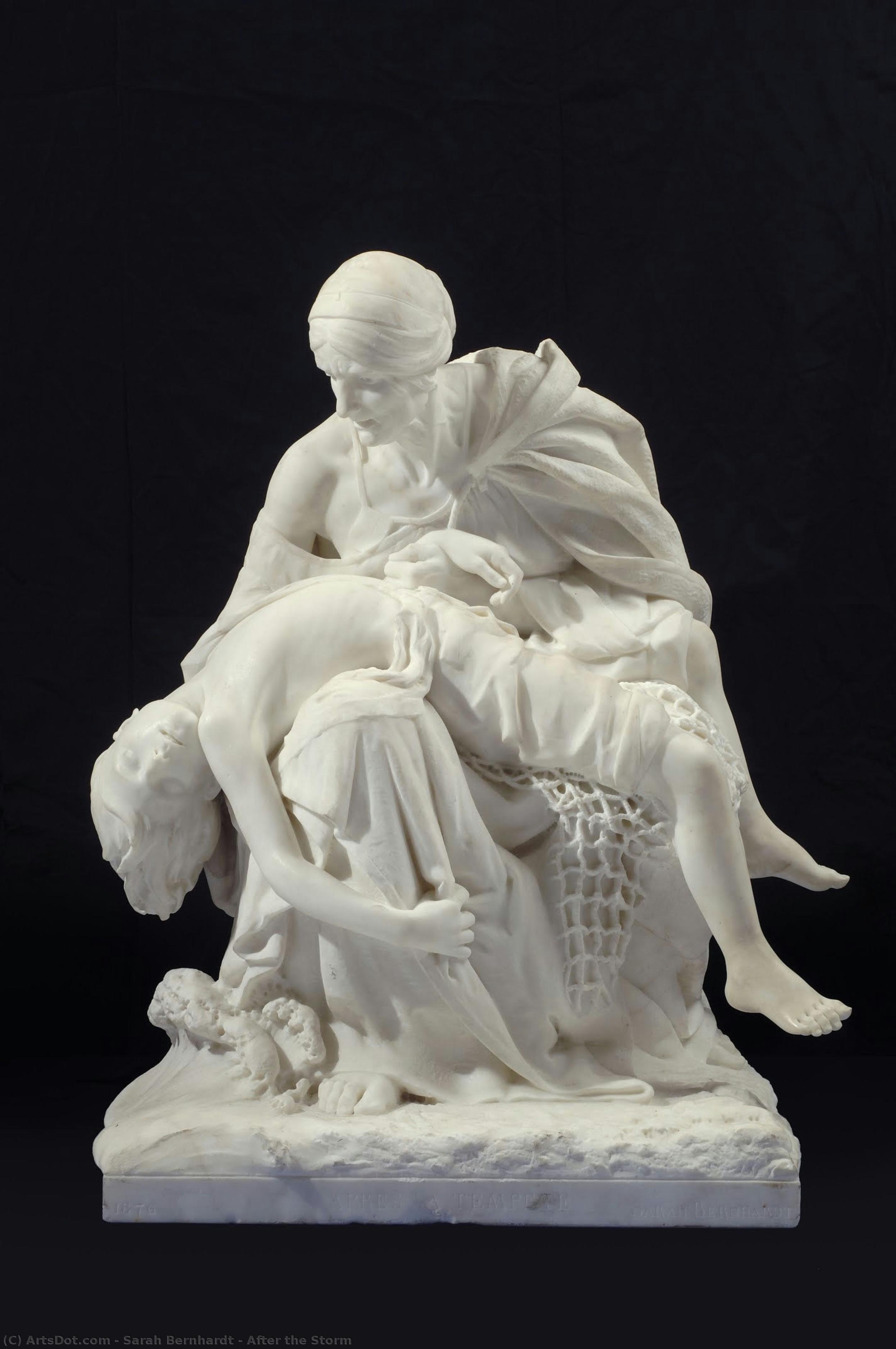
After the Storm

 Weiterlesen
Die auf dieser Seite dargestellten Kunstwerke sind urheberrechtlich geschützt, was bedeutet, dass wir keine identische Reproduktion rechtmäßig erstellen oder verkaufen dürfen. Dieser Schutz wird durch internationale Abkommen wie die Berner Übereinkunft und durch nationale Gesetze, einschließlich derer, die von den US-Urheberrecht – Titel 17.
Diese Methode entspricht vollumfänglich den Urheberrechtsbestimmungen, da sie keine Kopie oder Vervielfältigung des geschützten Kunstwerks darstellt. Stattdessen handelt es sich um eine kreative Neuinterpretation – ein neues Gemälde, das vom Original inspiriert, aber nicht identisch mit ihm ist.
Giclée / Kunstdruck
Giclée- oder Leinwanddruck in Museumsqualität mit schneller Produktion und flexiblen Veredelungsoptionen. ( Handgemalte Reproduktion bestellen Zum digitalen Bild wechseln)




































Wählen Sie aus unseren vordefinierten Formaten, die den ursprünglichen Proportionen des Kunstwerks entsprechen.

Geben Sie die benötigte Breite und Höhe an, damit der Druck perfekt in Ihren Rahmen oder an Ihre Wand passt. Ein Druck kann nur beschnitten, aber niemals größer als das Originalbild angefertigt werden; daher verliert ein Format mit anderen Proportionen einen Teil des Bildes. Wir senden Ihnen ein digitales Mockup zur Freigabe, bevor wir den Druck ausführen. Das auf dieser Seite gezeigte Bild zeigt nicht den tatsächlichen Beschnitt – dies ist nur im Mockup ersichtlich.
Weltweiter Versand () innerhalb von 2 Wochen statt der üblichen 4/5 Wochen. (4 November)

Kostenloser weltweiter Expressversand

Hochwertige Leinenleinwand

Umfassender Versicherungsschutz beim Versand

Zollgebühren-Rückerstattungsgarantie

Garantie für exakte Farbtreue

100 Tage Rückgaberecht (nur bei Mängeln)

100% Geld-zurück-Garantie

Mengenrabatt verfügbar
 Die Glasoption ist nur für Größen unter 110 cm verfügbar.

After the Storm
Giclée / Kunstdruck
Format der Reproduktion
-


Endpreis
€ 56
Fragen & Antworten
Welche Grundfarbe prägt "After the Storm" von Sarah Bernhardt?
Ein Amber to Saffron Farbton durchzieht "After the Storm" von Sarah Bernhardt.
Unter welchen anderen Namen ist Sarah Bernhardt bekannt?
Sarah Bernhardt ist auch unter den Namen Die Göttliche Sarah, Henriette-Rosine Bernard, Madame Sarah Bernhardt bekannt.
Wo kann ich einen Druck von "After the Storm" von Sarah Bernhardt kaufen?
"After the Storm" ist als ein Fine Art Print auf Baumwollkanvas oder Archiv-Leinwandpapier erhältlich. Bestellungen können in der gewünschten Größe auf der Kunstdruck in Premiumqualität-Seite aufgegeben werden.
Ähnliche Kunstwerke


Künstlerbiografie
Die Göttliche Sarah: Eine Legende von Bühne und Leinwand
Im goldenen Zwielicht des neunzehnten Jahrhunderts beanspruchten nur wenige Gestalten die kollektive Vorstellungskraft der Welt so sehr wie Sarah Bernhardt. Millionen bekannt als „die Göttliche Sarah“, war sie weit mehr als eine bloße Darstellerin; sie war eine lebende Ikone, eine Naturgewalt, die die Kluft zwischen der Theaterbühne und den bildenden Künsten überbrückte. Geboren als Henriette-Rosine Bernard im Jahr 1844 in Paris, schien ihr gesamtes Wesen für das Rampenlicht bestimmt zu sein. Aufgewachsen mit einer niederländisch-jüdischen Mutter und einem französischen Anwalt als Vater, waren ihre frühen Jahre von einer Leidenschaft für das Ästhetische geprägt, die sie dazu führte, die Bildhauerei unter Meistern wie Emilio Franchesci zu studieren. Diese grundlegende Ausbildung in Form und Detail würde später ihre legendäre Bühnenpräsenz prägen und es ihr ermöglichen, den Raum mit einer skulpturalen, fast monumentalen Anmut zu beherrschen, die das Publikum von Paris bis New York in ihren Bann zog.
Bernhardts Aufstieg zum Weltruhm war nichts weniger als meteoritisch. Mit ihrem Debüt in Racines Iphigénie am Théâtre Français im Jahr 1869 kündigte sie sofort die Ankunft eines transformativen Talents an. Ihre Fähigkeit, Charaktere mit tiefer emotionaler Durchdringung und dramatischer Intensität zu verkörpern, machte sie zur maßgeblichen Interpretin der bedeutendsten Werke jener Ära. Ob sie nun die tragische Verletzlichkeit der La Dame aux Camélias oder die gebieterische Stärke von Shakespeares Hamlet darstellte – eine Rolle, die den Geschlechterkonventionen der Zeit trotzte – sie besaß das, was Victor Hugo berühmt als eine „goldene Stimme“ bezeichnete. Ihre Darbietungen wurden nicht bloß gespielt; sie wurden erlebt, geprägt von einer einzigartigen Mischung aus vokaler Brillanz und einer physischen Sprache, die Edmond Rostand als „Königin der Pose und Prinzessin der Geste“ bezeichnete.
Eine Muse der Art Nouveau-Ära
Jenseits des Rampenlichts durchdrang Bernhardts Einfluss die visuelle Landschaft ihrer Zeit und machte sie zu einer zentralen Figur in der Entwicklung des Art Nouveau. Ihr markantes Antlitz und ihre überlebensgroße Persönlichkeit wurden zur ultimativen Leinwand für die berühmtesten Illustratoren jener Epoche. Besonders hervorzuheben ist ihre Zusammenarbeit mit Alphonse Mucha, die half, die Ästhetik dieser Periode zu definieren; seine ikonischen Plakate, die fließende organische Linien und komplizierte Ornamente nutzten, drehten sich oft um ihr Bildnis und trugen dazu bei, sowohl ihren Ruhm als auch den Stil des Jugendstils auf der ganzen Welt zu verbreiten. Sie war ein Motiv, das weit mehr als einfache Porträtmalerei einforderte; sie inspirierte Werke, die danach strebten, ihren eigentlichen Geist einzufangen.
Die künstlerische Gemeinschaft Europas wetteiferte um die Ehre, ihr Ebenbild festzuhalten, was zu einem reichen Geflecht verschiedener Stile führte:
- Impressionistische Träumerei: Künstler wie Dudley Hardy nutzten strukturierte Pinselstriche und traumartige Atmosphären, um sie mit einem Gefühl von Melancholie und Verletzlichkeit darzustellen.
- Fotografische Präzision: Pioniere wie Félix Nadar und Henry Walter Barnett nutzten das aufstrebende Medium der Fotografie, um Momente theatralischer Intensität einzufrieren und die gewaltige Stärke unter ihrer Bühnenpersona zu offenbaren.
- Klassischer Realismus: Maler wie Jules Bastien-Lepage suchten sie durch akribische Ölgemälde zu ehren, welche ihre gegenseitige Bewunderung und die klassische Schönheit, die sie verkörperte, widerspiegelten.
Ein bleibendes Erbe der Innovation
Die historische Bedeutung von Sarah Bernhardt liegt in ihrer Rolle als Pionierin, die sich weigerte, durch die Grenzen ihrer Ära eingeschränkt zu werden. Sie war eine frühe Nutzerin neuer Technologien, verwendete Tonaufnahmen, um ihre Stimme weit über die Theatermauern hinaus zu tragen, und umarmte die aufstrebende Filmindustrie, um noch größere Publikumsschichten zu erreichen. Ihre Karriere war ein Zeugnis für die Kraft der Selbsterfindung; sie bewegte sich nahtlos zwischen männlichen und weiblichen Rollen, forderte soziale Normen in Bezug auf Weiblichkeit heraus und verwandelte sich lange vor der Existenz des Konzepts in eine globale Marke. Als sie 1923 verstarb, hinterließ sie mehr als nur ein Repertoire an Theaterstücken; sie hinterließ einen unauslöschlichen Eindruck in der Geschichte der darstellenden Kunst, einen Entwurf für den modernen Starkult und einen permanenten Platz in den Annalen der Kunstgeschichte als Symbol für ewige, göttliche Kreativität.

Sarah Bernhardt
Frankreich
Kurzinfos
- Artistic Movement Or Style: Jugendstil
- Artists Or Movements Influenced By This Artist: ['Victorien Sardou']
- Artists Who Influenced This Artist:
- Victor Hugo
- Alphonse Mucha
- Date Of Birth: 22. Oktober 1844
- Full Name: Henriette-Rosine Bernard
- Nationality: Französisch
- Notable Artworks:
- La Dame aux Camélias
- Ruy Blas
- Fédora
- Place Of Birth: Paris, Frankreich