


 Vorschau anzeigen
 Versenden
 Teilen
 Details anzeigen

 Herunterladen
 Ähnliche Objekte
 Röntgenaufnahme
 Diashow
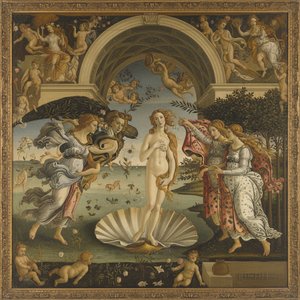
untitled (8873)

 Weiterlesen
Handgefertigte Ölreproduktion
Handgemaltes Ölgemälde auf Leinwand in Ihrer Wunschgröße und mit Rahmen, auf Bestellung von unseren Künstlern angefertigt. ( Druck bestellen Bild kaufen)




P118B $10

P118H $10

P118W $10

P438Z $10

P508JH $12

P508YH $12

P805H $10

P805Z $10

P919BZ $10

P919G $10

P919XJ $10

P959ZH $10

P968JZ $12

W106C $8

W218G $10

W218JH $8

W218Y $10

W307PJ $10

W316G $10

W316PJ $8

W316Y $10

W398PJ $8

W4111J $10

W500HY $15

W500JH $15

W692G $12

W849H $8

W940BG $15

W953PJ $8




Wählen Sie aus unseren vordefinierten Formaten, die den ursprünglichen Proportionen des Kunstwerks entsprechen.

Sie können Ihre eigenen Maße eingeben, um einen bestimmten Rahmen oder Platz auszufüllen. Wenn die gewählte Größe nicht den Proportionen des Originalbildes entspricht, werden wir das Kunstwerk entweder beschneiden oder das Gemälde durch zusätzliche, handgemalte Elemente erweitern. Ein digitales Mockup wird Ihnen zur Genehmigung zugesandt, bevor die Produktion beginnt.
Bitte beachten Sie, dass die Bildschirmvorschau nicht die tatsächliche Beschneidung oder Erweiterung widerspiegelt. Nur das Mockup zeigt die endgültige Komposition exakt an.
Obwohl Sondermaße verfügbar sind, empfehlen wir, eine Größe aus der vordefinierten Liste zu wählen, um die ursprünglichen Proportionen beizubehalten.
Nach der Bestellung wird das ArtsDot.com-Team dem Kunden Anweisungen per E-Mail zusenden und eine Mockup-Vorschau bereitstellen.
Weltweiter Versand () in nur 3 bis 4 Wochen statt der üblichen 5 Wochen. (18 August). Keine Kompromisse bei der Qualität.

Kostenloser weltweiter Expressversand

Hochwertige Leinenleinwand

Umfassender Versicherungsschutz beim Versand

Zollgebühren-Rückerstattungsgarantie

Garantie für exakte Farbtreue

60 Tage Rückgaberecht (nur bei Mängeln)

100% Geld-zurück-Garantie

Mengenrabatt verfügbar
 Die Glasoption ist nur für Größen unter 110 cm verfügbar.

untitled (8873)
Art der Reproduktion
Format der Reproduktion
-


Gesamtpreis
$ 263
Beschreibung des Kunstwerks
A Gathering of Souls: Exploring Botticelli’s Untitled (8873)
Sandro Botticelli's "Untitled (8873)" offers a poignant glimpse into the heart of the Early Renaissance, a period defined by burgeoning humanism and a renewed fascination with classical ideals. This evocative scene, depicting a group of individuals assembled around a central wooden structure, transcends mere portraiture; it’s a meditation on community, faith, and the quiet dramas of everyday life. The painting's power resides not in grand narratives or heroic figures, but in the palpable sense of connection between its subjects – thirteen souls engaged in an activity that remains deliberately ambiguous, inviting viewers to project their own interpretations.
- Subject and Composition: The composition is remarkably naturalistic for Botticelli’s time. Rather than a staged religious tableau, the scene feels like a candid moment captured – individuals conversing, perhaps sharing a meal or participating in some form of ritual. The central wooden structure, likely a table or altar, serves as the focal point, drawing the eye and anchoring the group within the frame.
- Botticelli’s Technique: Botticelli's masterful brushwork is immediately apparent. He employs a delicate layering technique – *sfumato* – to create soft transitions between colors and forms, lending an ethereal quality to the figures. Notice how he uses subtle gradations of tone to model their faces and drapery, imbuing them with a sense of volume and realism. The use of tempera on panel is characteristic of his style, resulting in luminous colours that have endured remarkably well over time.
Historical Context: Florence at the Dawn of Humanism
Painted circa 1480-1500, “Untitled (8873)” reflects the intellectual and artistic currents sweeping through Florence during the height of the Early Renaissance. The rise of humanism, championed by figures like Leonardo Bruni, encouraged a renewed interest in classical antiquity – its art, literature, and philosophy. This shift is subtly reflected in Botticelli’s approach to depicting his subjects; while rooted in Christian iconography, there's an undeniable emphasis on individual character and psychological depth. The Medici family, powerful patrons of the arts, undoubtedly played a role in commissioning works like this, fostering a climate of artistic innovation and experimentation.
Symbolism and Interpretation
The precise meaning behind the scene remains open to interpretation, adding to its enduring appeal. The objects held by some figures – a bowl, a cup, a book – suggest a shared meal or ritualistic practice. The wooden structure itself could represent a sacred space, a place of communion, or simply a gathering point for social interaction. Botticelli’s deliberate ambiguity invites viewers to contemplate the nature of faith, community, and human connection. It's a scene that resonates with timeless themes, prompting us to consider our own relationships and values.
Emotional Impact and Artistic Value
"Untitled (8873)" possesses a quiet dignity and emotional resonance that is deeply captivating. Botticelli’s ability to capture the nuances of human expression – the thoughtful gaze, the gentle smile – elevates this work beyond mere representation. This hand-painted reproduction offers an unparalleled opportunity to experience the beauty and intellectual depth of one of the Renaissance's most celebrated artists. It’s a piece that will enrich any interior space, sparking conversation and contemplation for years to come.
Ähnliche Kunstwerke


Über den Künstler
frühes Leben und Ausbildung
Sandro Botticelli, geboren Alessandro di Mariano di Vanni Filipepi um 1445, war eine zentrale Figur im frühen italienischen Frührenaissance der Malerei. Zunächst posthumig vernachlässigt, wurde Botticellis Werk im späten 19. Jahrhundert von den Präraffaeliten revitalisiert und führte zu einer Neubewertung seiner künstlerischen Beiträge. Botticelli wurde in Florenz, Italien, geboren und lebte sein ganzes Leben im selben Viertel. Seine Familie, darunter sein Vater Mariano di Vanni d’Amedeo Filipepi, war in verschiedene Berufe involviert, was sie mit Künstlern in Kontakt brachte. Giorgio Vasari berichtete, dass Botticelli zunächst als Goldschmied ausgebildet wurde.Künstlerischer Stil und bemerkenswerte Werke
Botticellis Werk ist durch elegante Linearität gekennzeichnet, die die Lücke zwischen der späten italienischen Gotik und dem frühen Frührenaissance schließt. Seine berühmtesten Werke, die Geburt des Venus und Primavera, werden in der Uffizialleerie in Florenz ausgestellt, die eine bedeutende Sammlung seiner Kunst beherbergt. * die Geburt des Venus (ansicht auf ArtsDot) * Primavera (Sandro Botticellis Kunst erkunden auf ArtsDot) * Mystische Geburt (Nationalgalerie, London), datiert 1501, ist das einzige Werk von Botticelli mit einem klaren Datum.Vermächtnis und Einfluss
Botticellis Stil entwickelte sich in den 1490er Jahren zu einem persönlicheren Ansatz und unterschied sich von Zeitgenossen wie Leonardo da Vinci und dem aufkommenden Hochrenaissance-Stil. Sein Werk wurde als bedeutende Beiträge zur italienischen Renaissance Kunstbewegung anerkannt. * Die italienische Renaissance Kunstbewegung * Sandro Botticelli auf Wikipedia- Bekannte Künstler der italienischen Renaissance umfassen Sandro Botticelli, Leonardo da Vinci, Michelangelo und Tizian.
- Die Uffizialleerie in Florenz beherbergt eine bedeutende Sammlung von Botticellis Kunst.
- Botticellis Werk wurde als eine zentrale Figur im frühen italienischen Frührenaissance der Malerei anerkannt.

Sandro Botticelli
1445 - 1510 , Italien
Kurzinfos
- Beeinflusste Künstler: ['Präraffaeliten']
- Bemerkenswerte Werke:
- Die Geburt der Venus
- Primavera
- Mystische Geburt
- Einflussreiche Künstler:
- Fra Angelico
- Paolo Uccello
- Geburtsdatum: ca. 1445
- Geburtsort: Florenz, Italien
- Künstlerische Bewegung: Frührenaissance
- Nationalität: Italienisch
- Sterbedatum: 1510
- Vollständiger Name: Sandro Botticelli
Ähnliche Artikel
Sandro Botticelli: Die 25 Meisterwerke des Renaissance-Genies – Kunst für Ihr Zuhause
Entdecken Sie die 25 schönsten Meisterwerke von Sandro Botticelli! Erleben Sie die Renaissance-Kunst mit 'Geburt der Venus', 'Primavera' & mehr. Hochwertige Reproduktionen für Ihr Zuhause – jetzt auf ArtsDot.com!

Giclée Prints: Archival Quality & Aesthetic Nuances for the Discerning Collector
Explore the world of giclée prints with ArtsDot. Learn about archival quality, aesthetic nuances & investment potential. Expert guidance for discerning art collectors seeking museum-quality reproductions and lasting value.

The Enduring Legacy of Fine Art Prints: Technique, History & Aesthetic Impact
Explore the rich history & techniques of fine art prints. Discover investment potential, assess authenticity, and learn how to preserve your collection with expert guidance. Trusted insights for discerning collectors.

Frührenaissance: Die 10 Meisterwerke, die eine Epoche prägten – Kunst für Ihr Zuhause
Entdecken Sie die 10 prägendsten Meisterwerke der Frührenaissance! Von Giotto bis Botticelli – erleben Sie Kunstgeschichte hautnah. Hochwertige Reproduktionen für Ihr Zuhause auf .

Meisterwerke der Temperamalerei: 10 Panelbilder, die Kunstgeschichte schrieben | ArtsDot
Entdecken Sie die 10 legendärsten Meisterwerke der Temperamalerei auf Holz! Von Giotto bis Botticelli – erfahren Sie die Geschichten hinter ikonischen Panelbildern und lassen Sie sich von Renaissance-Kunst inspirieren. Hochwertige Reproduktionen finden Sie auf ArtsDot.com.



