


 In echtem Maßstab anzeigen
 Versenden als Grußkarte
 Teilen
 Details anzeigen

 Herunterladen
 Ähnliche Objekte
 Röntgenaufnahme
 Diashow
 Besucherstatistiken
Triptych Showing The Transfiguration, Jesus Appearing

 Mehr anzeigen
Handgefertigte Ölreproduktion
Handgemaltes Ölgemälde auf Leinwand in Ihrer Wunschgröße und mit Rahmen, auf Bestellung von unseren Künstlern angefertigt. ( Zum Druck wechseln Zum digitalen Bild wechseln)




P118B $10

P118H $10

P118W $10

P438Z $10

P508JH $12

P508YH $12

P805H $10

P805Z $10

P919BZ $10

P919G $10

P919XJ $10

P959ZH $10

P968JZ $12

W106C $8

W218G $10

W218JH $8

W218Y $10

W307PJ $10

W316G $10

W316PJ $8

W316Y $10

W398PJ $8

W4111J $10

W500HY $15

W500JH $15

W692G $12

W849H $8

W940BG $15

W953PJ $8




Wählen Sie aus unseren vordefinierten Formaten, die den ursprünglichen Proportionen des Kunstwerks entsprechen.

Sie können Ihre eigenen Maße eingeben, um einen bestimmten Rahmen oder Platz auszufüllen. Wenn die gewählte Größe nicht den Proportionen des Originalbildes entspricht, werden wir das Kunstwerk entweder beschneiden oder das Gemälde durch zusätzliche, handgemalte Elemente erweitern. Ein digitales Mockup wird Ihnen zur Genehmigung zugesandt, bevor die Produktion beginnt.
Bitte beachten Sie, dass die Bildschirmvorschau nicht die tatsächliche Beschneidung oder Erweiterung widerspiegelt. Nur das Mockup zeigt die endgültige Komposition exakt an.
Obwohl Sondermaße verfügbar sind, empfehlen wir, eine Größe aus der vordefinierten Liste zu wählen, um die ursprünglichen Proportionen beizubehalten.
Nach der Bestellung wird das ArtsDot.com-Team dem Kunden Anweisungen per E-Mail zusenden und eine Mockup-Vorschau bereitstellen.
Weltweiter Versand () in nur 3 bis 4 Wochen statt der üblichen 5 Wochen. (19 September). Keine Kompromisse bei der Qualität.

Kostenloser weltweiter Expressversand

Hochwertige Leinenleinwand

Vollständiger Versicherungsschutz beim Versand

Zollgebühren-Rückerstattungsgarantie

Garantie für exakte Farbtreue

100-tägiges Rückgaberecht (nur bei Mängeln)

100% Geld-zurück-Garantie

Angebot für Mengenrabatt
 Die Glasoption ist nur für Größen unter 110 cm verfügbar.

Triptych Showing The Transfiguration, Jesus Appearing
Reproduktionsmedium
Format der Reproduktion
-


Gesamtpreis
$ 263
Sandro Botticelli’s ‘Triptych Showing The Transfiguration’: A Window into Florentine Faith
Sandro Botticelli's “Triptych Showing The Transfiguration” stands as a profound meditation on faith, divine intervention, and the human yearning for spiritual understanding. Executed in the late fifteenth century, this triptych embodies the core tenets of early Renaissance art – a harmonious blend of classical ideals with deeply rooted religious symbolism. Botticelli, born Alessandro di Mariano di Vanni Filipepi in Florence around 1445, was already establishing himself as a master of grace and elegance, qualities that would define his most celebrated works. This particular triptych, likely commissioned for a private devotional space, reveals the artist’s meticulous attention to detail and his profound understanding of biblical narrative.
- Subject Matter: The central theme is undeniably the Transfiguration of Jesus as depicted in Matthew 17:1-9. Botticelli masterfully captures this pivotal moment where Christ's divine glory is revealed before his disciples, accompanied by radiant angels.
- Compositional Dynamics: The triptych format allows for a layered narrative experience. The central panel showcases the transformative event itself – Jesus at the apex of his divinity, flanked by angelic figures who represent both messengers and witnesses to this miraculous display.
- Contextual Significance: Created during a period of intense religious fervor in Florence, Botticelli’s work reflects the city's deep engagement with humanist thought while remaining firmly rooted in Catholic tradition. The Medici family, prominent patrons of the arts, likely played a role in commissioning or influencing this piece.
Technique and Materials: A Masterclass in Florentine Painting
Botticelli’s skill is immediately apparent in the delicate rendering of figures and drapery. Executed with tempera on wood panels – a common technique for Florentine artists of the time – the painting demonstrates a remarkable level of precision and control. The artist's use of color is particularly noteworthy; he employs a restrained palette dominated by blues, golds, and whites, colors traditionally associated with divinity and spiritual illumination. Observe the subtle gradations in tone, achieved through meticulous layering of paint—a hallmark of Botticelli’s technique. The open book within the central panel further emphasizes the scriptural basis of the scene, reinforcing its religious significance.
- Tempera on Wood: This medium allowed for vibrant colors and detailed work, though it was less forgiving than oil paints.
- Linear Perspective: While not fully developed in Botticelli’s time, a nascent understanding of linear perspective is evident in the spatial arrangement of figures.
- Drapery Treatment: The flowing drapery around Christ and the angels exemplifies Botticelli's mastery of form and movement.
Symbolism and Interpretation: Layers of Meaning
Beyond the literal depiction of the Transfiguration, the triptych is rich in symbolic meaning. The presence of the praying figures on either side suggests a plea for divine intervention – a common theme in religious art of the period. The open book symbolizes sacred scripture and the recorded account of this miraculous event. The angels themselves represent messengers of God and witnesses to his glory. The overall effect is one of awe and reverence, inviting contemplation on themes of faith, redemption, and the relationship between humanity and the divine. Botticelli’s ability to imbue a biblical narrative with such profound emotional resonance cemented his legacy as one of the most influential artists of the Renaissance.
Emotional Impact and Artistic Legacy
"Triptych Showing The Transfiguration" continues to captivate viewers centuries after its creation. Its serene beauty, combined with its powerful religious message, evokes a sense of wonder and spiritual contemplation. Botticelli’s masterful technique and his profound understanding of human emotion ensure that this triptych remains a cornerstone of Renaissance art – a testament to the enduring power of faith and artistic expression. A hand-painted reproduction offers an unparalleled opportunity to experience the beauty and depth of this iconic work in your own space.
Ähnliche Kunstwerke


Biografie des Künstlers
frühes Leben und Ausbildung
Sandro Botticelli, geboren Alessandro di Mariano di Vanni Filipepi um 1445, war eine zentrale Figur im frühen italienischen Frührenaissance der Malerei. Zunächst posthumig vernachlässigt, wurde Botticellis Werk im späten 19. Jahrhundert von den Präraffaeliten revitalisiert und führte zu einer Neubewertung seiner künstlerischen Beiträge. Botticelli wurde in Florenz, Italien, geboren und lebte sein ganzes Leben im selben Viertel. Seine Familie, darunter sein Vater Mariano di Vanni d’Amedeo Filipepi, war in verschiedene Berufe involviert, was sie mit Künstlern in Kontakt brachte. Giorgio Vasari berichtete, dass Botticelli zunächst als Goldschmied ausgebildet wurde.Künstlerischer Stil und bemerkenswerte Werke
Botticellis Werk ist durch elegante Linearität gekennzeichnet, die die Lücke zwischen der späten italienischen Gotik und dem frühen Frührenaissance schließt. Seine berühmtesten Werke, die Geburt des Venus und Primavera, werden in der Uffizialleerie in Florenz ausgestellt, die eine bedeutende Sammlung seiner Kunst beherbergt. * die Geburt des Venus (ansicht auf ArtsDot) * Primavera (Sandro Botticellis Kunst erkunden auf ArtsDot) * Mystische Geburt (Nationalgalerie, London), datiert 1501, ist das einzige Werk von Botticelli mit einem klaren Datum.Vermächtnis und Einfluss
Botticellis Stil entwickelte sich in den 1490er Jahren zu einem persönlicheren Ansatz und unterschied sich von Zeitgenossen wie Leonardo da Vinci und dem aufkommenden Hochrenaissance-Stil. Sein Werk wurde als bedeutende Beiträge zur italienischen Renaissance Kunstbewegung anerkannt. * Die italienische Renaissance Kunstbewegung * Sandro Botticelli auf Wikipedia- Bekannte Künstler der italienischen Renaissance umfassen Sandro Botticelli, Leonardo da Vinci, Michelangelo und Tizian.
- Die Uffizialleerie in Florenz beherbergt eine bedeutende Sammlung von Botticellis Kunst.
- Botticellis Werk wurde als eine zentrale Figur im frühen italienischen Frührenaissance der Malerei anerkannt.

Sandro Botticelli
1445 - 1510 , Italien
Eckdaten zum Künstler
- Beeinflusste Künstler: ['Präraffaeliten']
- Bemerkenswerte Werke:
- Die Geburt der Venus
- Primavera
- Mystische Geburt
- Einflussreiche Künstler:
- Fra Angelico
- Paolo Uccello
- Geburtsdatum: ca. 1445
- Geburtsort: Florenz, Italien
- Künstlerische Bewegung: Frührenaissance
- Nationalität: Italienisch
- Sterbedatum: 1510
- Vollständiger Name: Sandro Botticelli
Verwandte Artikel

Giclée Prints: Archival Quality & Aesthetic Nuances for the Discerning Collector
Explore the world of giclée prints with ArtsDot. Learn about archival quality, aesthetic nuances & investment potential. Expert guidance for discerning art collectors seeking museum-quality reproductions and lasting value.

The Enduring Legacy of Fine Art Prints: Technique, History & Aesthetic Impact
Explore the rich history & techniques of fine art prints. Discover investment potential, assess authenticity, and learn how to preserve your collection with expert guidance. Trusted insights for discerning collectors.

Echoes of Time: Exploring the Enduring Appeal & Historical Context of Vintage Art Prints
Explore the captivating world of vintage art prints! Discover their history, collecting tips & enduring appeal. Expert insights on chromolithography and building a legacy collection with ArtsDot.
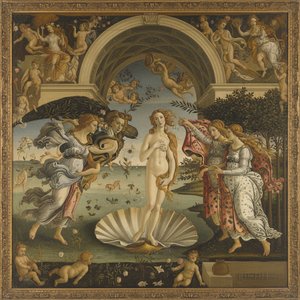
Sandro Botticelli: Die 25 Meisterwerke des Renaissance-Genies – Kunst für Ihr Zuhause
Entdecken Sie die 25 schönsten Meisterwerke von Sandro Botticelli! Erleben Sie die Renaissance-Kunst mit 'Geburt der Venus', 'Primavera' & mehr. Hochwertige Reproduktionen für Ihr Zuhause – jetzt auf ArtsDot.com!

Timeless Christian Art: Inspiring Sacred Masterpieces to Transform Your Home with Grace and Devotion
Discover the profound beauty of timeless Christian art. From Renaissance tenderness to Baroque grandeur, explore inspiring sacred masterpieces designed to transform your home into a peaceful sanctuary through exquisite hand-painted reproductions and expert art consultation.


