


 Vorschau anzeigen
 Versenden
 Teilen
 Details anzeigen

 Herunterladen
 Ähnliche Objekte
 Röntgenaufnahme
 Diashow
The Wedding Feast

 Weiterlesen
Giclée / Kunstdruck
Giclée- oder Leinwanddruck in Museumsqualität mit schneller Produktion und flexiblen Veredelungsoptionen. ( Handgemalte Reproduktion bestellen Bild kaufen)




P118B $10

P118H $10

P118W $10

P438Z $10

P508JH $12

P508YH $12

P805H $10

P805Z $10

P919BZ $10

P919G $10

P919XJ $10

P959ZH $10

P968JZ $12

W106C $8

W218G $10

W218JH $8

W218Y $10

W307PJ $10

W316G $10

W316PJ $8

W316Y $10

W398PJ $8

W4111J $10

W500HY $15

W500JH $15

W692G $12

W849H $8

W940BG $15

W953PJ $8




Wählen Sie aus unseren vordefinierten Formaten, die den ursprünglichen Proportionen des Kunstwerks entsprechen.

Sie können Ihre eigenen Maße eingeben, um ein bestimmtes Format oder einen speziellen Platz einzupassen. Wenn das von Ihnen gewählte Format nicht den Proportionen des Originalbildes entspricht, werden wir das Kunstwerk entweder beschneiden oder das Bild mit einem gespiegelten oder einfarbigen Rand erweitern. Ein digitaler Entwurf wird Ihnen zur Genehmigung zugesandt, bevor die Produktion beginnt.
Bitte beachten Sie, dass die Vorschau auf dem Bildschirm nicht den tatsächlichen Zuschnitt oder die Erweiterung widerspiegelt. Nur der Entwurf zeigt die endgültige Komposition präzise an.
Obwohl Sondermaße verfügbar sind, empfehlen wir die Auswahl eines Maßes aus der vordefinierten Liste, um die ursprünglichen Proportionen zu bewahren.
Weltweiter Versand () innerhalb von 2 Wochen statt der üblichen 4/5 Wochen. (17 August)

Kostenloser weltweiter Expressversand

Hochwertige Leinenleinwand

Umfassender Versicherungsschutz beim Versand

Zollgebühren-Rückerstattungsgarantie

Garantie für exakte Farbtreue

60 Tage Rückgaberecht (nur bei Mängeln)

100% Geld-zurück-Garantie

Mengenrabatt verfügbar
 Die Glasoption ist nur für Größen unter 110 cm verfügbar.

The Wedding Feast
Giclée / Kunstdruck
Format der Reproduktion
-


Gesamtpreis
$ 62
Sammlerstück-Beschreibung
The Wedding Feast: Botticelli’s Celebration of Fertility and Divine Grace
Botticelli's "The Wedding Feast" is more than just a depiction of a wedding celebration; it’s a profound meditation on themes of fertility, divine grace, and the triumph of hope over despair. Painted between 1482 and 1485 for Lorenzo di Piero Medici and his consort Marietta Corsini—a commission reflecting the Medicis' desire to solidify their lineage—the fresco embodies the humanist ideals prevalent in Florence during its golden age. Its location within Palazzo Medici Riccardi, a symbol of Florentine power and prestige, underscores its significance as an emblem of aristocratic ambition and artistic patronage.- Subject Matter: The scene portrays a lavish banquet hosted by Lorenzo and Marietta, attended by prominent Florentine families and dignitaries. Guests are seated at long tables laden with food—a deliberate reference to the biblical Wedding Feast at Cana—suggesting abundance and prosperity.
- Style & Technique: Botticelli’s signature style is characterized by delicate lines, graceful figures, and a serene atmosphere achieved through meticulous observation of anatomy and drapery folds. The fresco utilizes tempera paint on plaster, a technique favored during the Renaissance for its luminosity and ability to capture subtle tonal variations—essential for conveying the ethereal quality of the depicted space.
- Historical Context: Commissioned amidst the turbulent political landscape of Florence—marked by papal ambition and Medici rivalry—the painting reflects the humanist preoccupation with classical ideals and celebrates the virtues associated with marriage and family life. Botticelli’s work aligns perfectly with the broader artistic movement that sought to revive Greco-Roman aesthetics and philosophical thought.
- Symbolism: The fresco is replete with symbolic imagery. The central figures—Lorenzo and Marietta—are flanked by angelic messengers, representing divine intervention and blessing upon their union. Notably, Botticelli incorporates references to biblical narratives, including the Wedding Feast at Cana itself, reinforcing the overarching theme of redemption and spiritual fulfillment.
- Emotional Impact: “The Wedding Feast” exudes a palpable sense of joy and optimism—a deliberate counterpoint to the anxieties surrounding political instability. Botticelli’s masterful rendering captures not only the visual splendor of the banquet but also its emotional resonance, conveying a feeling of serene contentment and unwavering faith.
Botticelli's Workshop Collaboration: Expanding Artistic Vision
It is important to acknowledge that Botticelli rarely worked alone; he maintained a sizable workshop staffed by assistants who executed preparatory sketches and completed portions of larger projects. The Wedding Feast exemplifies this collaborative approach, demonstrating how artistic ideas could be disseminated and refined through multiple hands. Evidence suggests that Botticelli’s workshop produced numerous drawings and studies alongside the fresco itself—a testament to his commitment to exploring innovative techniques and expanding the scope of his creative endeavors.Rediscovery & Legacy: From Obscurity to Artistic Icon
For decades after Botticelli's death in 1510, “The Wedding Feast” languished in obscurity—largely ignored by art historians and overshadowed by Leonardo da Vinci’s more celebrated works. However, the resurgence of interest in Botticelli’s oeuvre during the late Victorian era—fueled by the Pre-Raphaelites—transformed his reputation irrevocably. Artists like Dante Gabriel Rossetti championed Botticelli's aesthetic qualities, recognizing his unparalleled ability to convey grace and beauty. Today, “The Wedding Feast” stands as a cornerstone of Renaissance art history—a masterpiece admired for its exquisite craftsmanship, profound symbolism, and enduring appeal. Its reproductions continue to inspire collectors and interior designers alike, ensuring that Botticelli’s vision of divine celebration persists across generations.Ähnliche Kunstwerke


Über den Künstler
frühes Leben und Ausbildung
Sandro Botticelli, geboren Alessandro di Mariano di Vanni Filipepi um 1445, war eine zentrale Figur im frühen italienischen Frührenaissance der Malerei. Zunächst posthumig vernachlässigt, wurde Botticellis Werk im späten 19. Jahrhundert von den Präraffaeliten revitalisiert und führte zu einer Neubewertung seiner künstlerischen Beiträge. Botticelli wurde in Florenz, Italien, geboren und lebte sein ganzes Leben im selben Viertel. Seine Familie, darunter sein Vater Mariano di Vanni d’Amedeo Filipepi, war in verschiedene Berufe involviert, was sie mit Künstlern in Kontakt brachte. Giorgio Vasari berichtete, dass Botticelli zunächst als Goldschmied ausgebildet wurde.Künstlerischer Stil und bemerkenswerte Werke
Botticellis Werk ist durch elegante Linearität gekennzeichnet, die die Lücke zwischen der späten italienischen Gotik und dem frühen Frührenaissance schließt. Seine berühmtesten Werke, die Geburt des Venus und Primavera, werden in der Uffizialleerie in Florenz ausgestellt, die eine bedeutende Sammlung seiner Kunst beherbergt. * die Geburt des Venus (ansicht auf ArtsDot) * Primavera (Sandro Botticellis Kunst erkunden auf ArtsDot) * Mystische Geburt (Nationalgalerie, London), datiert 1501, ist das einzige Werk von Botticelli mit einem klaren Datum.Vermächtnis und Einfluss
Botticellis Stil entwickelte sich in den 1490er Jahren zu einem persönlicheren Ansatz und unterschied sich von Zeitgenossen wie Leonardo da Vinci und dem aufkommenden Hochrenaissance-Stil. Sein Werk wurde als bedeutende Beiträge zur italienischen Renaissance Kunstbewegung anerkannt. * Die italienische Renaissance Kunstbewegung * Sandro Botticelli auf Wikipedia- Bekannte Künstler der italienischen Renaissance umfassen Sandro Botticelli, Leonardo da Vinci, Michelangelo und Tizian.
- Die Uffizialleerie in Florenz beherbergt eine bedeutende Sammlung von Botticellis Kunst.
- Botticellis Werk wurde als eine zentrale Figur im frühen italienischen Frührenaissance der Malerei anerkannt.

Sandro Botticelli
1445 - 1510 , Italien
Kurzinfos
- Beeinflusste Künstler: ['Präraffaeliten']
- Bemerkenswerte Werke:
- Die Geburt der Venus
- Primavera
- Mystische Geburt
- Einflussreiche Künstler:
- Fra Angelico
- Paolo Uccello
- Geburtsdatum: ca. 1445
- Geburtsort: Florenz, Italien
- Künstlerische Bewegung: Frührenaissance
- Nationalität: Italienisch
- Sterbedatum: 1510
- Vollständiger Name: Sandro Botticelli
Ähnliche Artikel
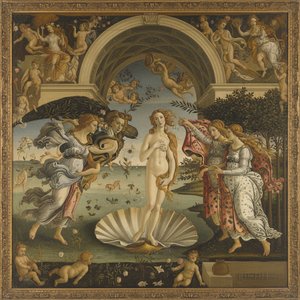
Sandro Botticelli: Die 25 Meisterwerke des Renaissance-Genies – Kunst für Ihr Zuhause
Entdecken Sie die 25 schönsten Meisterwerke von Sandro Botticelli! Erleben Sie die Renaissance-Kunst mit 'Geburt der Venus', 'Primavera' & mehr. Hochwertige Reproduktionen für Ihr Zuhause – jetzt auf ArtsDot.com!
Das Familienerbe an die Wand bringen: Wandgemälde als Generationenschatz
Verwandeln Sie Ihre Familiengeschichte in ein beeindruckendes Wandgemälde! Expertenrat & hochwertige Handwerkskunst für einzigartige Kunstwerke, die Generationen verbinden. Entdecken Sie jetzt!

Beeindrucken Sie Ihre Gäste mit Live-Gemalten Hochzeitserinnerungen – Ein Leitfaden für Hochzeitsplaner
Entdecken Sie die Magie der Live-Hochzeitsmalerei! Wir zeigen Ihnen, wie Sie mit einzigartigen Kunstwerken Ihre Gäste beeindrucken & unvergessliche Erinnerungen schaffen. Expertenrat für Hochzeitsplaner.

Hochzeitsandenken ohne Langeweile: Individuelle Kunst für unvergessliche Momente
Verwandeln Sie Ihre Hochzeitserinnerungen in einzigartige Kunstwerke! Exklusive handgemalte Reproduktionen & personalisierte Gemälde von – Ihr Experte für hochwertige Hochzeitsgeschenke & Deko.

Liebe auf Leinwand: 7 Romantische Stile für Ihr Hochzeitsporträt – Eine umfassende Anleitung
Entdecken Sie romantische Stile für Ihr Hochzeitsporträt! Unsere Experten beraten Sie bei der Auswahl des perfekten Kunstwerks – handgemalt & individuell. Finden Sie Ihr einzigartiges Erinnerungsstück!



