


 In echtem Maßstab anzeigen
 Versenden als Grußkarte
 Teilen
 Details anzeigen
 Leitfaden öffnen

 Herunterladen
 Ähnliche Objekte
 Röntgenaufnahme
 Diashow
 Besucherstatistiken
The Return Of Judith


 Mehr anzeigen
Giclée / Kunstdruck
Giclée- oder Leinwanddruck in Museumsqualität mit schneller Produktion und flexiblen Veredelungsoptionen. ( Handgemalte Reproduktion kaufen Zum digitalen Bild wechseln)




P118B $10

P118H $10

P118W $10

P438Z $10

P508JH $12

P508YH $12

P805H $10

P805Z $10

P919BZ $10

P919G $10

P919XJ $10

P959ZH $10

P968JZ $12

W106C $8

W218G $10

W218JH $8

W218Y $10

W307PJ $10

W316G $10

W316PJ $8

W316Y $10

W398PJ $8

W4111J $10

W500HY $15

W500JH $15

W692G $12

W849H $8

W940BG $15

W953PJ $8




Wählen Sie aus unseren vordefinierten Formaten, die den ursprünglichen Proportionen des Kunstwerks entsprechen.

Sie können Ihre eigenen Maße eingeben, um ein bestimmtes Format oder einen speziellen Platz einzupassen. Wenn das von Ihnen gewählte Format nicht den Proportionen des Originalbildes entspricht, werden wir das Kunstwerk entweder beschneiden oder das Bild mit einem gespiegelten oder einfarbigen Rand erweitern. Ein digitaler Entwurf wird Ihnen zur Genehmigung zugesandt, bevor die Produktion beginnt.
Bitte beachten Sie, dass die Vorschau auf dem Bildschirm nicht den tatsächlichen Zuschnitt oder die Erweiterung widerspiegelt. Nur der Entwurf zeigt die endgültige Komposition präzise an.
Obwohl Sondermaße verfügbar sind, empfehlen wir die Auswahl eines Maßes aus der vordefinierten Liste, um die ursprünglichen Proportionen zu bewahren.
Weltweiter Versand () innerhalb von 2 Wochen statt der üblichen 4/5 Wochen. (26 September)

Kostenloser weltweiter Expressversand

Hochwertige Leinenleinwand

Vollständiger Versicherungsschutz beim Versand

Zollgebühren-Rückerstattungsgarantie

Garantie für exakte Farbtreue

100-tägiges Rückgaberecht (nur bei Mängeln)

100% Geld-zurück-Garantie

Angebot für Mengenrabatt
 Die Glasoption ist nur für Größen unter 110 cm verfügbar.

The Return Of Judith
Giclée / Kunstdruck
Format der Reproduktion
-


Gesamtpreis
$ 62
A Triumph of Grace and Resolve
In the heart of the Florentine Renaissance, where the light of classical antiquity began to illuminate the shadows of the Middle Ages, Sandro Botticelli captured a moment of profound moral victory in The Return of Judith to Bethulia. Completed around 1472, this masterpiece is far more than a mere retelling of a biblical event; it is a breathtaking study of human character and the delicate balance between violence and peace. The painting transports the viewer to the gates of Bethulia, where the heroine Judith returns from her audacious mission. Having successfully navigated the perils of deception and combat, she arrives bearing the severed head of the Assyrian general Holofernes, a sight that serves as both a grim trophy of war and a symbol of divine deliverance for her besieged people.
Botticelli’s approach to this narrative is marked by his signature linear grace and an almost dreamlike quality that elevates the scene from a historical chronicle to a poetic meditation. The composition is masterfully orchestrated, guiding the eye through a landscape where the tension of the recent battle begins to dissolve into the relief of homecoming. Through his meticulous use of line, Botticelli achieves a sculptural effect, rendering the postures and expressions of Judith and her companion, Abra Cadabra, with remarkable precision. This technique allows the viewer to feel the weight of their triumph and the solemnity of their arrival, making the emotional stakes of the story palpably real.
The Alchemy of Tempera and Light
To behold this work is to witness the luminous beauty of the Early Renaissance technique. Painted on panel using tempera pigments, the artwork possesses a clarity and detail that only this medium can afford. Botticelli utilized the quick-drying nature of tempera to layer fine strokes, creating a sense of depth and texture that breathes life into the fabric of the characters' garments and the natural world surrounding them. His palette is a sophisticated harmony of muted tones—primarily ochre, crimson, and ivory—which avoids the distraction of garish colors to focus instead on the psychological gravity of the moment.
The interplay of light within the scene is nothing short of enchanting. The soft, ethereal glow that bathes the figures suggests a divine presence, reinforcing the spiritual significance of Judith's bravery. For the discerning collector or interior designer, this painting offers a unique aesthetic versatility; its balanced color temperature and classical subject matter allow it to serve as a sophisticated focal point in any curated space, bringing with it an air of intellectual depth and timeless elegance.
Symbolism and the Renaissance Spirit
Beyond the immediate drama of the decapitated foe, The Return of Judith is steeped in the humanist ideals that defined Botticelli’s era. The painting reflects a fascination with the intersection of classical mythology and Christian devotion, where the strength of the individual—specifically the courage of a woman standing against tyranny—becomes a universal emblem of faith and resilience. Every element, from the watchful figures in the background to the natural setting of trees and grass, contributes to a larger narrative of protection and communal survival.
For those seeking to adorn their homes with art that inspires contemplation, this reproduction offers more than just visual beauty. It provides a window into a period of extraordinary cultural ferment, inviting a sense of history and moral reflection into the modern environment. Owning a piece that echoes the spirit of the Uffizi Gallery is an opportunity to celebrate the enduring power of human resolve and the exquisite artistry of one of history's most beloved masters.
Ähnliche Kunstwerke


Biografie des Künstlers
frühes Leben und Ausbildung
Sandro Botticelli, geboren Alessandro di Mariano di Vanni Filipepi um 1445, war eine zentrale Figur im frühen italienischen Frührenaissance der Malerei. Zunächst posthumig vernachlässigt, wurde Botticellis Werk im späten 19. Jahrhundert von den Präraffaeliten revitalisiert und führte zu einer Neubewertung seiner künstlerischen Beiträge. Botticelli wurde in Florenz, Italien, geboren und lebte sein ganzes Leben im selben Viertel. Seine Familie, darunter sein Vater Mariano di Vanni d’Amedeo Filipepi, war in verschiedene Berufe involviert, was sie mit Künstlern in Kontakt brachte. Giorgio Vasari berichtete, dass Botticelli zunächst als Goldschmied ausgebildet wurde.Künstlerischer Stil und bemerkenswerte Werke
Botticellis Werk ist durch elegante Linearität gekennzeichnet, die die Lücke zwischen der späten italienischen Gotik und dem frühen Frührenaissance schließt. Seine berühmtesten Werke, die Geburt des Venus und Primavera, werden in der Uffizialleerie in Florenz ausgestellt, die eine bedeutende Sammlung seiner Kunst beherbergt. * die Geburt des Venus (ansicht auf ArtsDot) * Primavera (Sandro Botticellis Kunst erkunden auf ArtsDot) * Mystische Geburt (Nationalgalerie, London), datiert 1501, ist das einzige Werk von Botticelli mit einem klaren Datum.Vermächtnis und Einfluss
Botticellis Stil entwickelte sich in den 1490er Jahren zu einem persönlicheren Ansatz und unterschied sich von Zeitgenossen wie Leonardo da Vinci und dem aufkommenden Hochrenaissance-Stil. Sein Werk wurde als bedeutende Beiträge zur italienischen Renaissance Kunstbewegung anerkannt. * Die italienische Renaissance Kunstbewegung * Sandro Botticelli auf Wikipedia- Bekannte Künstler der italienischen Renaissance umfassen Sandro Botticelli, Leonardo da Vinci, Michelangelo und Tizian.
- Die Uffizialleerie in Florenz beherbergt eine bedeutende Sammlung von Botticellis Kunst.
- Botticellis Werk wurde als eine zentrale Figur im frühen italienischen Frührenaissance der Malerei anerkannt.

Sandro Botticelli
1445 - 1510 , Italien
Eckdaten zum Künstler
- Beeinflusste Künstler: ['Präraffaeliten']
- Bemerkenswerte Werke:
- Die Geburt der Venus
- Primavera
- Mystische Geburt
- Einflussreiche Künstler:
- Fra Angelico
- Paolo Uccello
- Geburtsdatum: ca. 1445
- Geburtsort: Florenz, Italien
- Künstlerische Bewegung: Frührenaissance
- Nationalität: Italienisch
- Sterbedatum: 1510
- Vollständiger Name: Sandro Botticelli
Verwandte Artikel

Martin Johnson Heade: Luminismus, amerikanische Identität und das poetische Stillleben
Entdecken Sie das Werk von Martin Johnson Heade! Erfahren Sie mehr über den Luminismus, seine Landschaftsmalerei und die poetischen Stillleben dieses amerikanischen Meisters. Kunstexperten-Analyse & hochwertige Reproduktionen.

Meisterwerke der Temperamalerei: 10 Panelbilder, die Kunstgeschichte schrieben | ArtsDot
Entdecken Sie die 10 legendärsten Meisterwerke der Temperamalerei auf Holz! Von Giotto bis Botticelli – erfahren Sie die Geschichten hinter ikonischen Panelbildern und lassen Sie sich von Renaissance-Kunst inspirieren. Hochwertige Reproduktionen finden Sie auf ArtsDot.com.
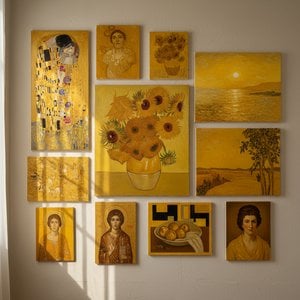
Die Top 10 berühmter Gemälde im Gelbocherton – Kunst für Ihr Zuhause |
Entdecken Sie die Top 10 berühmter Gemälde, dominiert von warmen Gelbochtönen! Von Van Gogh bis Monet – erfahren Sie die Geschichten hinter den Meisterwerken und lassen Sie sich für Ihre Wohnraumgestaltung inspirieren. Hochwertige Kunstdrucke auf
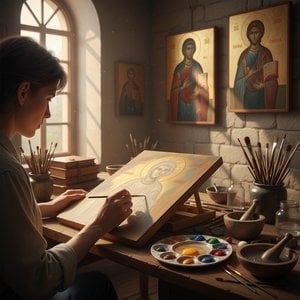
Illuminating Surfaces: A Comprehensive Exploration of Tempera on Panel Painting Techniques & Historical Significance
Explore the rich history & techniques of tempera painting! Discover Renaissance masters like Botticelli & Fra Angelico, conservation insights, and the enduring legacy of this captivating art form. Learn more now!

Illuminating History: A Comprehensive Exploration of Tempera Painting Techniques & Artistic Legacy
Explore the rich history & techniques of tempera painting! Discover Renaissance masters like Botticelli & Fra Angelico, conservation insights, and the enduring legacy of this captivating art form.


