In echtem Maßstab anzeigen
 Versenden als Grußkarte
 Teilen
 Details anzeigen
 Leitfaden öffnen

 Herunterladen
 Ähnliche Objekte
 Röntgenaufnahme
 Diashow
 Besucherstatistiken
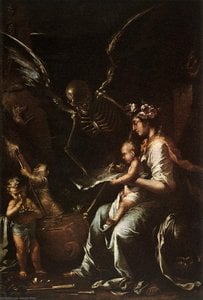
A Witch


 Mehr anzeigen
Handgefertigte Ölreproduktion
Handgemaltes Ölgemälde auf Leinwand in Ihrer Wunschgröße und mit Rahmen, auf Bestellung von unseren Künstlern angefertigt. ( Zum Druck wechseln Zum digitalen Bild wechseln)




P118B €10

P118H €10

P118W €10

P438Z €10

P508JH €12

P508YH €12

P805H €10

P805Z €10

P919BZ €10

P919G €10

P919XJ €10

P959ZH €10

P968JZ €12

W106C €8

W218G €10

W218JH €8

W218Y €10

W307PJ €10

W316G €10

W316PJ €8

W316Y €10

W398PJ €8

W4111J €10

W500HY €15

W500JH €15

W692G €12

W849H €8

W940BG €15

W953PJ €8




Wählen Sie aus unseren vordefinierten Formaten, die den ursprünglichen Proportionen des Kunstwerks entsprechen.

Geben Sie die Breite und die Höhe an, die Sie für Ihren Rahmen oder Ihre Wand benötigen. Da dieses Werk handgemalt ist, kann der Künstler bei einer anderen Form etwas mehr um das Bild herum malen oder etwas abschneiden – Sie entscheiden. Wir senden Ihnen ein digitales Mockup zur Freigabe, bevor mit dem Malen begonnen wird. Das auf dieser Seite gezeigte Bild stellt nicht das tatsächliche Ergebnis dar – dies tut nur das Mockup.
Nach der Bestellung wird das ArtsDot.com-Team dem Kunden Anweisungen per E-Mail zusenden und eine Mockup-Vorschau bereitstellen.
Weltweiter Versand () in nur 3 bis 4 Wochen statt der üblichen 5 Wochen. (19 Oktober). Keine Kompromisse bei der Qualität.

Kostenloser weltweiter Expressversand

Hochwertige Leinenleinwand

Vollständiger Versicherungsschutz beim Versand

Zollgebühren-Rückerstattungsgarantie

Garantie für exakte Farbtreue

100-tägiges Rückgaberecht (nur bei Mängeln)

100% Geld-zurück-Garantie

Angebot für Mengenrabatt
 Die Glasoption ist nur für Größen unter 110 cm verfügbar.

A Witch
Reproduktionsmedium
Format der Reproduktion
-


Gesamtpreis
€ 229
A Dramatic Encounter with Darkness: Salvator Rosa’s “Witches’ Sabbath”
Salvator Rosa’s “Witches’ Sabbath,” executed in pen and ink on paper, stands as a testament to the Baroque period's fascination with dramatic realism and psychological intensity. Created around 1646, this drawing transcends mere depiction; it plunges viewers into a scene brimming with unsettling energy and symbolic resonance—a visual distillation of fear, superstition, and the confrontation between reason and primal instinct. Rosa’s masterful use of monochrome contributes powerfully to the artwork's emotive impact, stripping away color to amplify the starkness of the composition and heighten its psychological depth.- Subject Matter: The drawing portrays a chaotic gathering of figures engaged in what appears to be a ritualistic celebration – a witches’ sabbath. These individuals are depicted amidst a desolate landscape, emphasizing isolation and vulnerability against the backdrop of an ominous supernatural presence.
- Style & Technique: Rosa's style aligns perfectly with Baroque principles, prioritizing expressive gesture and dynamic movement over idealized beauty. The artist employs meticulous pen and ink detailing to capture the grotesque expressions and contorted postures of the participants. Visible brushstrokes—though subtle—lend texture to the paper surface, conveying a palpable sense of immediacy and capturing the frenzied atmosphere of the scene.
- Composition: Rosa skillfully arranges the figures within a confined space, creating a claustrophobic effect that underscores the characters’ predicament. The central group is positioned prominently against a dark, rocky outcrop, directing the viewer's gaze towards the unsettling core of the narrative.
Rosa Serrano Sánchez: Bridging Art and Civic Duty
Rosa Serrano Sánchez (1646-1708), born in Valencia, Spain, emerged as a prominent figure during the Baroque era—a period characterized by opulent grandeur and profound spiritual contemplation. Her artistic endeavors weren’t solely driven by aesthetic considerations; Sánchez actively engaged in political life, serving as a diplomat and advocating for reform within her homeland. This dual commitment informs her oeuvre, blending artistic innovation with intellectual engagement and social responsibility.- Notable Works: Sánchez's artistic legacy includes “No se puede ver lo que no se mira,” a captivating painting exploring themes of perception and illusion—a hallmark of Baroque visual culture. Her canvases often depict biblical narratives infused with humanist sensibilities, reflecting the era’s burgeoning interest in philosophical inquiry and moral reflection.
- Influence & Legacy: Sánchez's work resonates across centuries, demonstrating the enduring power of art to communicate complex ideas and emotions. She stands as an exemplar of Baroque artists who sought to elevate artistic expression beyond mere ornamentation, aiming instead for a transformative impact on viewers’ understanding of humanity and its relationship with divinity.
João Artur Rosa Alves: From Football Star to Painter's Vision
João Artur Rosa Alves (born 1983), Portugal—a former professional footballer—transformed his passion for sport into an equally compelling artistic vocation. Alves’s paintings explore themes of nature and emotion, blending abstract expressionism with vivid color palettes and evocative imagery. His artistic journey represents a fascinating intersection between personal experience and creative exploration—a testament to the transformative potential of pursuing multiple passions.- Distinctive Style: Alves's canvases are characterized by bold brushstrokes and textured surfaces, conveying dynamism and spontaneity. He draws inspiration from landscapes and natural forms, translating their beauty and grandeur into emotionally resonant compositions.
- Recognition & Exhibitions: Alves’s artwork has garnered critical acclaim and been showcased in prestigious UK museums—a remarkable achievement for an artist who embarked on his artistic pursuits after a successful career in professional football. His paintings exemplify the contemporary Baroque aesthetic, blending tradition with innovation to create visually arresting and intellectually stimulating experiences.
Salvator Rosa: A Baroque Master's Enduring Impact
Salvator Rosa’s influence extends far beyond his own lifetime—solidifying his position as one of the most significant figures in Baroque art history. His uncompromising artistic vision challenged conventions, prioritizing psychological realism and dramatic intensity over idealized beauty. He championed a humanist perspective that embraced both intellectual curiosity and emotional vulnerability—a legacy that continues to inspire artists today.- Key Characteristics: Rosa’s paintings are distinguished by their masterful use of chiaroscuro—creating striking contrasts between light and shadow—to heighten emotional impact and convey a sense of mystery. His landscapes capture the grandeur and sublime beauty of nature, reflecting the Baroque fascination with exploring the limits of human perception and confronting existential anxieties.
- Continuing Relevance: Rosa’s artistic principles resonate powerfully in contemporary art practice—demonstrating the enduring relevance of Baroque aesthetics to addressing fundamental questions about human experience and artistic expression. Reproductions of his masterpieces are available at ArtsDot, allowing viewers worldwide to appreciate his visionary artistry.
Fragen & Antworten
Sind die Farben von "A Witch" von Salvator Rosa gesättigt oder gedämpft?
"A Witch" von Salvator Rosa ist mit einer Muted Sättigung festgehalten.
Welche Stimmung und welche Emotion vermittelt "A Witch" von Salvator Rosa?
Die festgehaltene Stimmung von "A Witch" von Salvator Rosa ist Dramatic, und ihr emotionaler Tonfall ist Melancholic.
In welchem Jahr wurde "A Witch" von Salvator Rosa geschaffen?
"A Witch" von Salvator Rosa entstand im Jahr 1646.
Ähnliche Kunstwerke


Biografie des Künstlers
Frühes Leben und Ausbildung
Salvator Rosa, ein italienischer Barockmaler, Dichter und Grafiker, wurde am 20. Juni oder 21. Juli 1615 in Arenella, Neapel, geboren. Seine Mutter, Giulia Greca Rosa, entstammte einer griechischen Familie aus Sizilien. Trotz seines Vaters Wunsches, dass er Jurist oder Priester wird, zeigte Salvator schon früh eine Vorliebe für die Künste.Künstlerische Karriere
Salvators künstlerische Karriere war geprägt von seinem unkonventionellen und extravaganten Stil, der ihn von seinen Zeitgenossen abhob. Er war in Neapel, Rom und Florenz tätig und seine Arbeit wurde sowohl vom Naturalismus des Ribera als auch vom Klassizismus des Poussin beeinflusst. Dennoch weigerte er sich, sich an einen bestimmten Stil oder eine bestimmte Bewegung zu binden.- Pythagoras, der aus der Unterwelt hervorkommt (Kimbell Art Museum, Fort Worth, USA), eines seiner berühmtesten Werke, zeigt seine einzigartige Mischung aus philosophischen und künstlerischen Themen.
- Seine Taufe des Eunuchen (Chrysler Museum of Art, Norfolk, USA) demonstriert seine Fähigkeit, selbst in kleinere biblische Geschichten dramatische Elemente einzufügen.
Einflüsse und Vermächtnis
Salvators Werk hatte einen bedeutenden Einfluss auf die Entwicklung der Barockkunst. Sein Einfluss ist in den Werken späterer Künstler wie Luca Giordano zu erkennen, der die Grenzen künstlerischen Ausdrucks weiter verschob. Wichtige Links: Salvator Rosas Profil auf ArtsDot Wikipedia: Salvator Rosa Pythagoras, der aus der Unterwelt hervorkommt auf ArtsDotEntwicklung und Bedeutung
Salvator Rosa war ein Rebell gegen die Konventionen seiner Zeit. Seine Landschaften waren oft wild und ungezähmt, seine Figuren dramatisch dargestellt und seine Kompositionen dynamisch. Er schuf Werke, die sowohl religiöse als auch mythologische Themen behandelten, aber immer mit einer persönlichen Note der Rebellion und des Zweifelhaften. Er war ein Pionier in der Darstellung von Landschaften als eigenständige Elemente seiner Gemälde, nicht nur als Kulisse für Figuren. Seine Arbeiten spiegeln oft eine pessimistische Weltsicht wider, die sich in düsteren Farben und dramatischen Szenarien manifestiert.Schlussfolgerung
Salvators Leben und Werk faszinieren Kunstliebhaber und Historiker gleichermaßen bis heute. Sein unkonventioneller Stil und seine ständige Rebellion gegen die Normen seiner Zeit haben seinen Platz in den Annalen der Barockkunst gefestigt. Als Maler, Dichter und Grafiker bleibt er eine enigmatische Figur, und seine Arbeit inspiriert weiterhin neue Generationen von Künstlern und Kunstenthusiasten.
Salvator Rosa
1615 - 1673 , Italien
Eckdaten zum Künstler
- Bemerkenswerte Kunstwerke:
- Pythagoras entsteigt der Unterwelt
- Die Taufe des Eunuchen
- Geburtsdatum: 20./21. Juni 1615
- Geburtsort (Stadt, Land): Arenella, Italien
- Künstler Oder Bewegungen, Die Von Diesem Künstler Beeinflusst Wurden: ['Luca Giordano']
- Künstler, Die Diesen Künstler Beeinflussten:
- Ribera
- Poussin
- Künstlerische Bewegung/Stil: Barockmalerei
- Nationalität: Italienisch
- Sterbedatum: 1673
- Vollständiger Name: Salvator Rosa
Verwandte Artikel

Salvator Rosa: Visionen der Landschaft und die Allegorie des Barock
Entdecken Sie das faszinierende Werk von Salvator Rosa! Unsere Expertenanalyse beleuchtet Leben, Stil und die tiefgründigen Botschaften des Barockmalers. Jetzt lesen!

The Enduring Legacy of Fine Art Prints: Technique, History & Aesthetic Impact
Explore the rich history & techniques of fine art prints. Discover investment potential, assess authenticity, and learn how to preserve your collection with expert guidance. Trusted insights for discerning collectors.

Echoes of Time: Exploring the Enduring Appeal & Historical Context of Vintage Art Prints
Explore the captivating world of vintage art prints! Discover their history, collecting tips & enduring appeal. Expert insights on chromolithography and building a legacy collection with ArtsDot.

Giclée Prints: Archival Quality & Aesthetic Nuances for the Discerning Collector
Explore the world of giclée prints with ArtsDot. Learn about archival quality, aesthetic nuances & investment potential. Expert guidance for discerning art collectors seeking museum-quality reproductions and lasting value.

Barocke Pracht: Wie Sie Opulenz und Emotionen in zeitgenössische Innenräume bringen
Entdecken Sie die Pracht des Barock! Expertenratgeber für luxuriöse Innenräume mit barocken Elementen. Inspiration, Tipps & hochwertige Kunst bei .