
- Startseite

- Auf Leinwand drucken
- Roy Lichtenstein
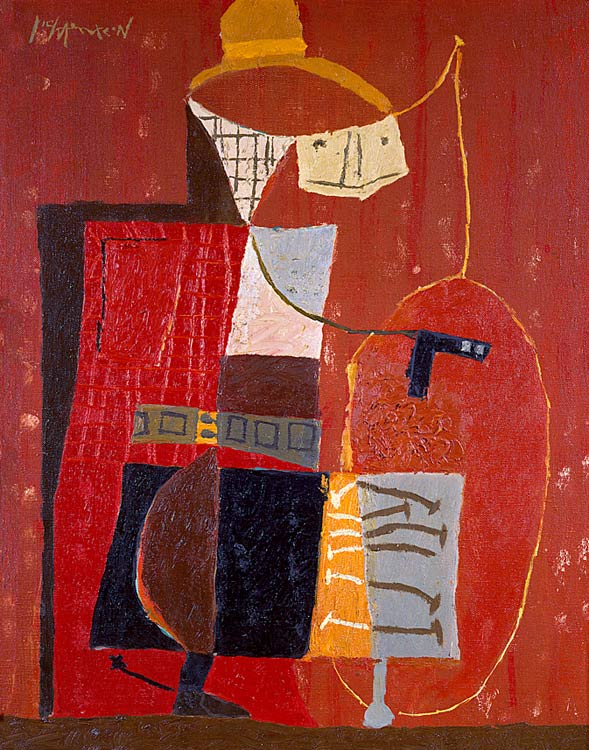
- The Cowboy (Red)
 Gemälde kaufen Bild kaufen
 Versenden
 Teilen
 Details anzeigen
 Zu Favoriten hinzufügen

 Herunterladen
 Ähnliche Objekte
 Röntgenaufnahme
 Diashow anzeigen
The Cowboy (Red)


 Weiterlesen
Giclée / Kunstdruck
Giclée- oder Leinwanddruck in Museumsqualität mit schneller Produktion und flexiblen Veredelungsoptionen.




P118B $10

P118H $10

P118W $10

P438Z $10

P508JH $12

P508YH $12

P805H $10

P805Z $10

P919BZ $10

P919G $10

P919XJ $10

P959ZH $10

P968JZ $12

W106C $8

W218G $10

W218JH $8

W218Y $10

W307PJ $10

W316G $10

W316PJ $8

W316Y $10

W398PJ $8

W4111J $10

W500HY $15

W500JH $15

W692G $12

W849H $8

W940BG $15

W953PJ $8




Wählen Sie aus unseren vordefinierten Größen, die den ursprünglichen Proportionen des Kunstwerks entsprechen.

Sie können Ihre eigenen Maße eingeben, um ein bestimmtes Format oder einen speziellen Platz einzupassen. Wenn das von Ihnen gewählte Format nicht den Proportionen des Originalbildes entspricht, werden wir das Kunstwerk entweder beschneiden oder das Bild mit einem gespiegelten oder einfarbigen Rand erweitern. Ein digitaler Entwurf wird Ihnen zur Genehmigung zugesandt, bevor die Produktion beginnt.
Bitte beachten Sie, dass die Vorschau auf dem Bildschirm nicht den tatsächlichen Zuschnitt oder die Erweiterung widerspiegelt. Nur der Entwurf zeigt die endgültige Komposition präzise an.
Obwohl Sondermaße verfügbar sind, empfehlen wir die Auswahl eines Maßes aus der vordefinierten Liste, um die ursprünglichen Proportionen zu bewahren.
Weltweiter Versand () innerhalb von 2 Wochen statt der üblichen 4/5 Wochen. (22 Juli)

Kostenloser weltweiter Expressversand

Hochwertige Leinenleinwand

Umfassender Versicherungsschutz beim Versand

Zollsteuer-Rückerstattungsgarantie

Garantie für echte Farbtreue

60-Tage-Rückgaberecht (nur bei Mängeln)

100% Geld-zurück-Garantie

Mengenrabatt verfügbar
 Die Glasoption ist nur in Größen unter 110 cm verfügbar.

The Cowboy (Red)
Giclée / Kunstdruck
Größe der Reproduktion
-


Endpreis aller Optionen
-
Beschreibung des Sammlerstücks
A Bold Statement of Pop and the American West
Roy Lichtenstein’s “The Cowboy (Red)” isn't merely a painting; it’s an explosion of color, a deliberate provocation, and a masterful distillation of the Pop Art movement’s core tenets. Completed in 1951, this work immediately establishes Lichtenstein’s signature style – a vibrant collision of comic book aesthetics with a distinctly American subject matter. The image depicts a lone cowboy, rendered in bold black outlines against a field of intense red, holding a gun and a bottle, all framed by the stark geometry of a crimson door. It's a scene both familiar and unsettling, instantly recognizable yet imbued with an underlying tension.
Lichtenstein’s technique is crucial to understanding the painting’s impact. He eschews traditional brushwork in favor of Ben-Day dots – tiny, colored circles meticulously applied to create shading and tonal variations. This method, borrowed from commercial printing processes, lends a mechanical quality to the image, mimicking the look of mass-produced advertisements and comic strips. The red dominates, not just as a background but as an active element, pulsating with energy and demanding attention. It’s a deliberate choice, referencing both the fiery sunsets of the American West and the bold, eye-catching colors favored by advertisers of the era.
The Genesis of a Pop Visionary
Born in Manhattan in 1923, Roy Fox Lichtenstein's artistic journey was shaped by a unique confluence of influences. His early training focused on realistic drawing and painting, reflecting a traditional academic sensibility. However, his exposure to museums – particularly the works of Reginald Marsh, who taught him at the Art Students League – and the vibrant energy of jazz music ignited a desire to break free from conventional artistic boundaries. This period coincided with the rise of Abstract Expressionism, but Lichtenstein quickly recognized the potential of incorporating popular imagery into his work. His upbringing in an upper-middle-class Jewish family fostered both a cultural awareness and an early appreciation for visual culture – a key ingredient in his later exploration of consumerism and mass media.
Symbolism and Context: Cowboy, Door, and Red
The central figures—the cowboy and the door—are laden with symbolic weight. The cowboy, a quintessential American archetype, represents rugged individualism, frontier spirit, and often, a romanticized vision of the West. However, Lichtenstein’s depiction is far from sentimental; the gun in his hand suggests danger, violence, and perhaps even a certain isolation. The red door acts as a framing device, simultaneously inviting and rejecting entry – a visual metaphor for the complexities of American identity. The color red itself carries significant connotations: passion, aggression, warning, and the raw energy of the landscape.
Furthermore, “The Cowboy (Red)” emerged during a period of rapid social and cultural change in America. The post-war era witnessed an explosion of consumerism, fueled by mass media and advertising. Lichtenstein’s work directly engages with this phenomenon, using comic book imagery – a product of the same culture – to critique its impact on American values. It's a commentary on how images are consumed and interpreted, raising questions about authenticity and representation.
A Reproduction for Your Space
ArtsDot offers meticulously crafted hand-painted reproductions of “The Cowboy (Red)” that capture the essence of Lichtenstein’s original masterpiece. We utilize archival-quality materials and skilled artisans to faithfully recreate the painting's vibrant colors, dynamic composition, and distinctive Ben-Day dot technique. Whether you’re a seasoned art collector or seeking a striking addition to your interior design scheme, our reproduction provides an authentic and engaging representation of this iconic work. Explore the options available on our website – each reproduction is a testament to Lichtenstein’s enduring legacy and a vibrant celebration of American Pop Art.


Biografie des Künstlers
frühes Leben und Ausbildung
Roy Fox Lichtenstein, ein prominenter amerikanischer Pop-Künstler, wurde am 27. Oktober 1923 in New York City geboren. Er wuchs in einer wohlhabenden jüdischen Familie auf, mit seinem Vater als Immobilienmakler und seiner Mutter als Hausfrau. Lichtensteins Interesse an Kunst und Design begann während seiner Schulzeit als Hobby.Künstlerische Karriere
Nach Abschluss seiner Schulausbildung am Dwight School im Jahr 1940 besuchte Lichtenstein die Art Students League of New York unter der Anleitung von Reginald Marsh. Er studierte anschließend einen Abschluss in Fine Arts an der Ohio State University, der durch eine dreijährige Verlegung in das Militär während des Zweiten Weltkriegs unterbrochen wurde.- Look Mickey (1961, National Gallery of Art, Washington, D.C.), eines von Lichtensteins frühesten Pop-Kunstwerke, markierte den Beginn seiner einflussreichen Karriere.
- Seine Arbeit war stark von Werbe- und Comic-Stilen beeinflusst, darunter bedeutende Werke wie Wham!, Drowning Girl und Oh, Jeff...I Love You Too...But...
- Lichtensteins teuerstes Werk, Masterpiece, wurde im Januar 2017 für 165 Millionen Dollar verkauft.
Lehre und Einflüsse
Lichtenstein lehrte an verschiedenen Institutionen, darunter die State University of New York at Oswego und die Rutgers University. Seine Arbeit war von Allan Kaprow beeinflusst, einem Kollegen an der Rutgers University, der sein Interesse an proto-Pop-Bildern wiederbelebte. Bekannte Ausstellungen:- The Museum Chambre de Commerce (Toulouse, Frankreich), das verschiedene Kunstwerke aus der Pop-Art-Bewegung zeigte.
- Lichtensteins Werk wurde in der Leo Castelli Gallery in New York City ausgestellt, wobei seine erste Einzelausstellung 1962 vor der Eröffnung vollständig von einflussreichen Sammlern gekauft wurde.
Vermächtnis und Einfluss
Roy Lichtenstein starb am 29. September 1997 und hinterließ ein Vermächtnis als eine führende Figur in der Pop-Art-Bewegung. Seine Arbeit wird weiterhin für ihre innovative Verschmelzung von Hoch- und Populärkultur gefeiert, wodurch sie einem breiteren Publikum zugänglich gemacht wird.- Entdecken Sie mehr von Lichtensteins Kunstwerke auf ArtsDot.com
- Erfahren Sie die Welt der Pop-Art und ihrer einflussreichen Künstler auf Pop Art und darüber hinaus: Navigieren Sie mit ArtsDot.com durch zeitgenössische Stile

Roy Lichtenstein
1923 - 1997 , Vereinigte Staaten von Amerika
Kurzinfos
- Beeinflusste Künstler:
- Reginald Marsh
- Allan Kaprow
- Bemerkenswerte Werke:
- Look Mickey
- Whaam!
- Drowning Girl
- Masterpiece
- Geburtsdatum: 27. Oktober 1923
- Geburtsort: Manhattan, USA
- Künstlerische Richtung: Pop Art
- Nationalität: Amerikanisch
- Todatum: 29. September 1997
- Vollständiger Name: Roy Lichtenstein
Ähnliche Artikel

Geek-Chic Wohnräume: Stilvoll Popkultur-Kunst integrieren – Expertenratgeber für anspruchsvolle Interieurs
Entdecken Sie, wie Sie Popkultur-Kunst stilvoll in Ihr Zuhause integrieren! Expertenratgeber für Gaming-, Anime- und Comic-Ästhetik. Hochwertige Reproduktionen & Custom Art für anspruchsvolle Interieurs.

Challenging Conventions: Pop Art's Origins, Evolution & Enduring Legacy
Explore the fascinating history of Pop Art, from its rebellious origins to its enduring influence on contemporary artists. Discover key figures like Warhol & Lichtenstein and learn about collecting this iconic movement.

Vom Fan-Favoriten zum Kunstwerk: Eine umfassende Anleitung zur Beauftragung individueller Popkultur-Gemälde
Individuelle Pop Art Gemälde vom Profi! Finden Sie den perfekten Künstler & lassen Sie Ihr Lieblingsmotiv als einzigartiges Kunstwerk erstellen. Jetzt Angebot anfordern!

Pop Art Ikonen: Die 10 Meisterwerke, die eine Kunstrevolution auslösten –
Entdecken Sie die 10 Meisterwerke der Pop Art! Von Warhol bis Lichtenstein – erfahren Sie die Geschichten hinter ikonischen Gemälden, Techniken & Farben. Museumsgalerie-Qualität bei entdecken.

Von Schnappschuss zum Statement: Ihre persönlichen Fotos als ikonische Pop Art – Eine Analyse der Ästhetik und kulturellen Relevanz
Verwandeln Sie Ihre Fotos in einzigartige Pop Art Meisterwerke! Handgemalte Reproduktionen von ArtsDot – höchste Qualität, individuelle Gestaltung & sichere Investition. Jetzt entdecken!



