

 Vorschau anzeigen
 Versenden
 Teilen
 Details anzeigen

 Herunterladen
 Ähnliche Objekte
 Röntgenaufnahme
 Diashow
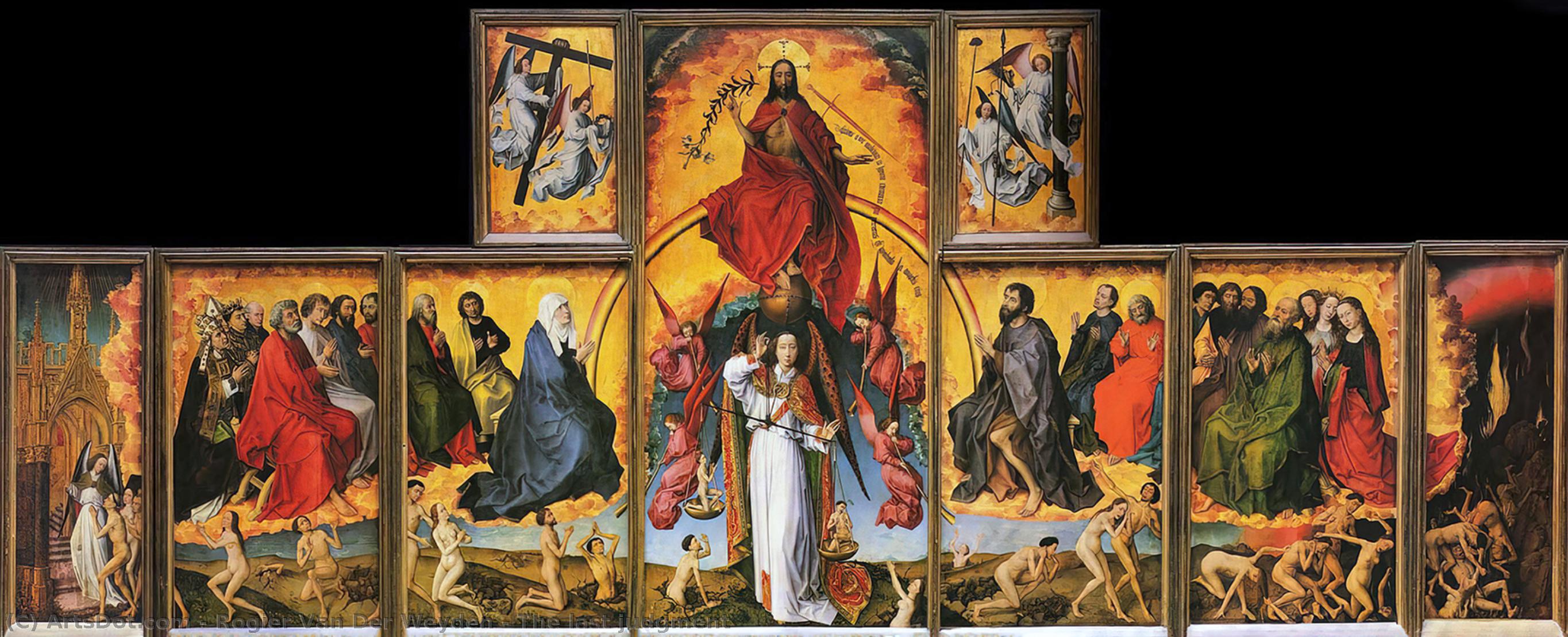
The Last Judgment

 Weiterlesen
Giclée / Kunstdruck
Giclée- oder Leinwanddruck in Museumsqualität mit schneller Produktion und flexiblen Veredelungsoptionen. ( Zur handgemalten Reproduktion wechseln Zum Bild wechseln)




P118B $10

P118H $10

P118W $10

P438Z $10

P508JH $12

P508YH $12

P805H $10

P805Z $10

P919BZ $10

P919G $10

P919XJ $10

P959ZH $10

P968JZ $12

W106C $8

W218G $10

W218JH $8

W218Y $10

W307PJ $10

W316G $10

W316PJ $8

W316Y $10

W398PJ $8

W4111J $10

W500HY $15

W500JH $15

W692G $12

W849H $8

W940BG $15

W953PJ $8




Wählen Sie aus unseren vordefinierten Formaten, die den ursprünglichen Proportionen des Kunstwerks entsprechen.

Sie können Ihre eigenen Maße eingeben, um ein bestimmtes Format oder einen speziellen Platz einzupassen. Wenn das von Ihnen gewählte Format nicht den Proportionen des Originalbildes entspricht, werden wir das Kunstwerk entweder beschneiden oder das Bild mit einem gespiegelten oder einfarbigen Rand erweitern. Ein digitaler Entwurf wird Ihnen zur Genehmigung zugesandt, bevor die Produktion beginnt.
Bitte beachten Sie, dass die Vorschau auf dem Bildschirm nicht den tatsächlichen Zuschnitt oder die Erweiterung widerspiegelt. Nur der Entwurf zeigt die endgültige Komposition präzise an.
Obwohl Sondermaße verfügbar sind, empfehlen wir die Auswahl eines Maßes aus der vordefinierten Liste, um die ursprünglichen Proportionen zu bewahren.
Weltweiter Versand () innerhalb von 2 Wochen statt der üblichen 4/5 Wochen. (7 August)

Kostenloser weltweiter Expressversand

Hochwertige Leinenleinwand

Umfassender Versicherungsschutz beim Versand

Zollgebühren-Rückerstattungsgarantie

Garantie für exakte Farbtreue

60 Tage Rückgaberecht (nur bei Mängeln)

100% Geld-zurück-Garantie

Mengenrabatt verfügbar
 Die Glasoption ist nur für Größen unter 110 cm verfügbar.

The Last Judgment
Giclée / Kunstdruck
Format der Reproduktion
-


Gesamtpreis
$ 62
Sammlerstück-Beschreibung
Rogier van der Weyden’s “The Last Judgment”: A Descent into Emotional Turmoil
Rogier van der Weyden's "The Last Judgment," painted around 1430-1435, isn’t merely a depiction of biblical narrative; it’s a visceral exploration of human mortality and the agonizing weight of divine judgment. This monumental work, likely intended for a private chapel or a significant civic commission, transcends simple religious illustration to become a profoundly moving meditation on sin, redemption, and the inescapable consequences of earthly actions. Van der Weyden, already recognized as a master of psychological realism in his portraits, here unleashes an intensity rarely seen in Northern European painting of the period, employing techniques that anticipate the dramatic fervor of the Renaissance.
The scene unfolds within a richly detailed architectural setting – a vast, echoing space dominated by a towering crucifix. Figures are arranged in layers, creating a powerful sense of depth and drawing the viewer’s eye into the heart of the drama. Van der Weyden's meticulous attention to detail is immediately apparent: the textures of clothing, the folds of drapery, the subtle variations in skin tone – all rendered with an almost obsessive precision that lends each figure a startlingly lifelike quality. He doesn’t shy away from depicting the grotesque and uncomfortable; the faces of the damned are contorted in agony, their bodies twisted in despair, while those ascending to heaven exhibit expressions ranging from serene acceptance to ecstatic joy. The inclusion of a small dog on the left side adds an unexpected element of pathos – perhaps symbolizing loyalty or even judgment itself.
The Master of Emotion: Van der Weyden’s Innovative Techniques
What distinguishes “The Last Judgment” is not simply its dramatic subject matter, but Van der Weyden's masterful manipulation of color and light. He employs a sophisticated palette – deep reds, blues, and golds contrasted with stark whites – to heighten the emotional impact of the scene. The use of *chiaroscuro*—the dramatic interplay of light and shadow—is particularly effective in sculpting the figures and emphasizing their expressions of torment or hope. Van der Weyden was a pioneer in using oil paints, allowing him to achieve subtle gradations of color and create a luminous quality that was previously unattainable with tempera. This technique allowed for a level of detail and realism that set him apart from his contemporaries.
Furthermore, Van der Weyden’s approach to depicting human emotion is revolutionary. He moves beyond the stylized gestures and idealized expressions common in earlier religious art, capturing moments of raw, unfiltered anguish and profound spiritual yearning. The faces of the damned are not simply frightening; they are heartbreakingly vulnerable, conveying a sense of utter despair. The figures ascending to heaven, while radiating joy, also exhibit a quiet dignity and acceptance that speaks volumes about their faith.
Symbolism and Historical Context
“The Last Judgment” is rich in symbolic meaning. The central crucifix represents Christ’s sacrifice and the gateway to salvation. The arrangement of figures – the damned descending into darkness, the saved ascending towards light – reflects traditional theological interpretations of the afterlife. Van der Weyden's work was created during a period of intense religious fervor and political upheaval in Burgundy, where the powerful Dukes were actively promoting piety and artistic patronage. This commission likely served as a potent reminder of moral responsibility and the consequences of sin within the ruling elite.
Interestingly, this painting is part of a larger polyptych, suggesting it was intended for a private chapel setting. The reverse side of the panel offers further insight into Van der Weyden’s artistic process and his engagement with contemporary trends. The influence of Italian Renaissance art, particularly in its use of perspective and dramatic composition, can be detected in “The Last Judgment,” signaling a shift towards greater realism and emotional intensity within Northern European painting.
A Timeless Exploration of Human Condition
“The Last Judgment” remains a profoundly moving work of art. It’s not just a depiction of biblical events; it's an exploration of the human condition—our capacity for both great good and terrible evil, our struggle with mortality, and our yearning for redemption. Van der Weyden’s masterful technique, combined with his profound understanding of human psychology, creates a work that continues to resonate with viewers centuries after its creation. A high-quality reproduction allows us to experience the painting's emotional power and artistic brilliance in our own homes, serving as a constant reminder of the choices we make and their ultimate consequences.
Ähnliche Kunstwerke


Über den Künstler
Leben und Karriere
Rogier van der Weyden, auch bekannt als Roger de la Pasture, war ein bedeutender niederländischer Maler des frühen 15. Jahrhunderts. Er wurde um 1400 in Belgien geboren und entwickelte sich zu einem der einflussreichsten Künstler seiner Zeit, wobei seine Werke in den Niederlanden, Italien und Spanien großen Anklang fanden.Künstlerischer Stil und Technik
Van der Weydens künstlerischer Stil war durch eine reiche Farbgebung, mitfühlende Ausdrucksweise und einen einzigartigen Ansatz für Pathos und Naturalismus geprägt. Seine Figuren wirkten oft statuarisch, insbesondere in seinen Altäfern, die detaillierte Ausarbeitungen und idealisierte Gesichtszüge aufwiesen. Er setzte ein vielfältiges Farbspektrum ein, um sicherzustellen, dass kein einzelner Ton wiederholt wurde, was Tiefe und Komplexität zu seinen Kompositionen hinzufügte.Bekannte Werke
* St. Lukas zeichnet ein Porträt der Jungfrau Maria (Museum of Fine Arts, Boston): Dieses Gemälde zeigt Van der Weydens Meisterschaft in der Ölmalerei auf Holz mit einer beeindruckenden Darstellung von St. Lukas. * Lamentation (Musée des Beaux-Arts Tournai, Belgien): Dieses kleine, aber kraftvolle Gemälde demonstriert Van der Weydens Fähigkeit, durch Chiaroscuro emotionale Intensität auszudrücken.Museen und Sammlungen
* Musée des Beaux-Arts Tournai, Belgien: Bietet eine beeindruckende Sammlung von Werken van der Weydens, darunter das Porträtdiptychon von Jean de Gros. * Musées royaux des Beaux-Arts (Brüssel, Belgien): Beherbergt eine bedeutende Sammlung früher niederländischer Gemälde, darunter Werke von van der Weyden und anderen namhaften Künstlern.Vermächtnis
Van der Weydens Einfluss auf den nördlichen Renässanz ist unbestreitbar. Er stand zusammen mit Robert Campin und Jan van Eyck als einer der drei großen frühen flämischen Künstler, bekannt für seinen innovativen Stil und seine Technik. Obwohl sein Ruhm im 17. Jahrhundert nachließ, wurden seine Werke im 19. Jahrhundert wiederentdeckt, und er gilt heute als eine wichtige Figur in der Geschichte der frühen niederländischen Malerei.- Weitere Werke von Rogier van der Weyden auf ArtsDot.com ansehen
- Die Sammlung des Musée des Beaux-Arts Tournai entdecken unter Entdecken Sie die Meisterwerke des Musée des Beaux-Arts Tournai, Belgien
- Mehr über frühe niederländische Malerei auf Wikipedia erfahren

Rogier van der Weyden
1400 - 1464 , Belgien
Kurzinfos
- Beeinflusste Künstler: ['Goswijn van der Weyden']
- Bemerkenswerte Werke:
- St. Lukas malt Maria
- Lamentation
- Deposition
- Bladelin Triptychon
- Einfluss Auf Künstler: ['Italienische Renaissance']
- Geburtsdatum: ca. 1400
- Geburtsort: Tournai, Belgien
- Künstlerischer Stil: Frühflämische Malerei
- Nationalität: Belgisch
- Sterbedatum: 1464
- Vollständiger Name: Rogier van der Weyden
Ähnliche Artikel

Hugo van der Goes: Andacht, Innovation und die psychologische Tiefe der frühen niederländischen Malerei
Entdecken Sie die revolutionäre Kunst von Hugo van der Goes! Tiefgründige Analyse seiner Werke, bahnbrechende Technik und bleibender Einfluss auf die frühe niederländische Malerei. Für Kunstexperten & Sammler.
Illuminating Realism: Early Netherlandish Painting (15th-16th Centuries)
Explore the captivating world of Early Netherlandish painting! Discover Jan van Eyck, Hans Memling & more. Uncover symbolism, techniques & the legacy of these Flemish masters. A comprehensive guide for art enthusiasts.

Jan van Eyck: Innovation, Symbolik und die Morgendämmerung der frühniederländischen Malerei
Entdecken Sie die Innovationen und tiefgründige Symbolik von Jan van Eyck! Analysieren Sie mit uns seine Meisterwerke, die Ölmaltechnik und den Einfluss auf die frühniederländische Renaissance. Jetzt lesen!

Frühniederländische Meisterwerke: 10 Gemälde, die eine Epoche prägten | ArtsDot
Entdecken Sie die 10 prägendsten Meisterwerke der Frühniederländischen Malerei! Von Jan van Eyck bis Rogier van der Weyden – erleben Sie Kunstgeschichte hautnah. Hochwertige Reproduktionen & Inspiration für Ihr Interieur auf ArtsDot.com.

Frühniederländische Renaissance: 10 Meisterwerke für Ihr Zuhause | ArtsDot
Entdecken Sie die 10 prägendsten Meisterwerke der Frühniederländischen Renaissance! Erfahren Sie mehr über Jan van Eyck, Rogier van der Weyden & Co. und ihre ikonischen Gemälde. Hochwertige Reproduktionen für Ihr Zuhause – jetzt auf ArtsDot.com!



