

 Vorschau anzeigen
 Versenden
 Teilen
 Details anzeigen
 Leitfaden

 Herunterladen
 Ähnliche Objekte
 Röntgenaufnahme
 Diashow
 Fragen & Antworten
 Statistiken
Yellow Landscape


 Weiterlesen
Giclée / Kunstdruck
Giclée- oder Leinwanddruck in Museumsqualität mit schneller Produktion und flexiblen Veredelungsoptionen. ( Handgemalte Reproduktion bestellen Zum digitalen Bild wechseln)




P118B €10

P118H €10

P118W €10

P438Z €10

P508JH €12

P508YH €12

P805H €10

P805Z €10

P919BZ €10

P919G €10

P919XJ €10

P959ZH €10

P968JZ €12

W106C €8

W218G €10

W218JH €8

W218Y €10

W307PJ €10

W316G €10

W316PJ €8

W316Y €10

W398PJ €8

W4111J €10

W500HY €15

W500JH €15

W692G €12

W849H €8

W940BG €15

W953PJ €8




Wählen Sie aus unseren vordefinierten Formaten, die den ursprünglichen Proportionen des Kunstwerks entsprechen.

Geben Sie die benötigte Breite und Höhe an, damit der Druck perfekt in Ihren Rahmen oder an Ihre Wand passt. Ein Druck kann nur beschnitten, aber niemals größer als das Originalbild angefertigt werden; daher verliert ein Format mit anderen Proportionen einen Teil des Bildes. Wir senden Ihnen ein digitales Mockup zur Freigabe, bevor wir den Druck ausführen. Das auf dieser Seite gezeigte Bild zeigt nicht den tatsächlichen Beschnitt – dies ist nur im Mockup ersichtlich.
Weltweiter Versand () innerhalb von 2 Wochen statt der üblichen 4/5 Wochen. (6 November)

Kostenloser weltweiter Expressversand

Hochwertige Leinenleinwand

Umfassender Versicherungsschutz beim Versand

Zollgebühren-Rückerstattungsgarantie

Garantie für exakte Farbtreue

100 Tage Rückgaberecht (nur bei Mängeln)

100% Geld-zurück-Garantie

Mengenrabatt verfügbar
 Die Glasoption ist nur für Größen unter 110 cm verfügbar.

Yellow Landscape
Giclée / Kunstdruck
Format der Reproduktion
-


Endpreis
€ 56
A Symphony in Dots: Exploring Yellow Landscape
To stand before this depiction of a rolling hillside is to step into a moment suspended between dream and vibrant reality. Yellow Landscape, painted in 1892 by Roderic O'Conor, is not merely a view; it is an orchestrated experience of light filtered through the meticulous discipline of color theory. The scene unfolds with a profound sense of pastoral tranquility, capturing the essence of rural life under what appears to be a vast, contemplative sky. One feels the gentle slope of the earth beneath one’s feet and hears only the whisper of wind through distant fields.
The Pointillist Vision: Technique and Texture
What immediately arrests the eye is the painting's remarkable technique. This work is a masterful exercise in Pointillism, a style that demands patience and precision from its creator. Instead of broad washes of color, O'Conor built his entire world using countless small, distinct dots—a veritable tapestry woven from pure pigment. These short, broken brushstrokes do not merely decorate the surface; they function as the very structure of light itself. Observe how the warm yellows mingle with cool blues and varied greens across the fields; it is the optical blending of these individual dots that creates the illusion of depth, the richness of the foliage, and the soft diffusion of an overcast day’s glow. This reliance on scientific color placement gives the landscape a unique, vibrating energy.
Historical Echoes: O'Conor in Late-Century Art
Painted during the late 19th century, this piece situates itself within the vibrant intellectual ferment of Post-Impressionism. While Impressionism sought to capture the fleeting *impression* of a moment, Pointillism, as exemplified here, approached it with a more systematic, almost scientific rigor. Roderic O'Conor, whose life spanned the transition from these revolutionary movements, channeled this academic discipline into something deeply emotive. The composition balances the strong horizontal sweep of the land—suggesting stability and continuity—against the occasional vertical punctuation of the trees. It is a dialogue between the grounded earth and the reaching sky.
Emotional Resonance for the Modern Collector
For the contemporary admirer, Yellow Landscape offers more than just decorative beauty; it offers an emotional anchor. The pervasive warmth emanating from the yellows speaks to optimism, while the deep greens ground the spirit in nature’s enduring cycle. It evokes a profound sense of peace—a quietude that modern life often makes us forget. Whether used as a focal point in a sun-drenched drawing room or as a contemplative piece above a writing desk, this reproduction invites the viewer to pause, breathe deeply, and reconnect with the elemental beauty of the natural world, all rendered through the exquisite poetry of colored dots.
Fragen & Antworten
Welche Druckgröße wird für "Yellow Landscape" von Roderic O’Conor empfohlen?
Die empfohlene Druckgröße für "Yellow Landscape" von Roderic O’Conor ist Medium.
Ist ein hochauflösender Download von "Yellow Landscape" verfügbar?
Um eine digitale Datei von "Yellow Landscape" von Roderic O’Conor zu erhalten, bestellen Sie hochauflösender digitaler Bild-Download auf der Seite Digitales Kunstwerk.
Wo kann ich Kunstwerke finden, die "Yellow Landscape" von Roderic O’Conor ähneln?
Ähnliche Werke zu „Yellow Landscape“ finden Sie auf der Seite Ähnliche Werke des Kunstwerks.
Ähnliche Kunstwerke


Künstlerbiografie
Frühes Leben und Ausbildung
- Geboren: 17. Oktober 1860 in Milltown, County Roscommon, Irland
- Familiärer Hintergrund: Geboren in eine katholische Familie, die von den Königen von Connacht abstammt. Sein Vater, Roderic Joseph O’Conor, war Rechtsanwalt und High Sheriff.
- Ausbildung: Besuchte das Ampleforth College in Yorkshire und zeigte dort starke akademische Fähigkeiten. Anschließend studierte er an der Metropolitan School of Art und der Royal Hibernian Academy in Dublin.
- Frühe Ausbildung: Reisen Sie nach Antwerpen, um unter Charles Verlat zu studieren, was einen bedeutenden Schritt in seiner künstlerischen Entwicklung darstellte.
Paris und die Bewegung von Pont-Aven
- Umzug nach Paris: 1883 zog O’Conor nach Paris und tauchte in das lebendige Kunstszene der Stadt ein.
- Einfluss des Impressionismus: Tief vom Impressionismus beeinflusst, experimentierte er mit deren Techniken und Ästhetik.
- Pont-Aven: Schloss sich während der 1890er Jahre der künstlerischen Gemeinschaft in Pont-Aven in der Bretagne an. Diese Zeit war entscheidend für sein künstlerisches Wachstum.
- Freundschaft mit Gauguin: Entwickelte eine enge Freundschaft mit Paul Gauguin, die seinen Stil und seine Herangehensweise an die Kunst maßgeblich beeinflusste. O’Conor übernahm strukturierte Pinselstriche und kontrastierende Farben, beeinflusst von sowohl Gauguin als auch Van Gogh.
Künstlerischer Stil und Entwicklung
- Post-Impressionismus: O’Conors Werk wird hauptsächlich als Post-Impressionistisch kategorisiert und zeigt eine Abkehr von den rein optischen Anliegen des Impressionismus.
- Hauptmerkmale: Seine Gemälde zeichnen sich durch kräftige Farbpaletten, strukturierte Pinselstriche und den ausdrucksstarken Einsatz von Licht und Schatten aus.
- Themenwahl: Konzentrierte sich zunächst auf bretonische Themen während seines Aufenthalts in der Bretagne, verlagerte seinen Fokus später auf Aktzeichnungen, weibliche Figuren, Porträts und Stillleben.
- Entwicklung des Stils: Frühe Werke zeigten impressionistische Einflüsse, die sich zu einem persönlicheren Stil entwickelten, der Elemente des Pointillismus und ausdrucksstarke Pinselstriche integrierte.
Wichtige Werke und Anerkennung
- Bemerkenswerte Gemälde: Gelände (1892), La Jeune Bretonne (1895), Gemischte Blumen auf rosa Tuch (ca. 1916), Landschaft, Cassis (1913).
- Ausstellungen: Ausgestellt im Pariser Salon und im Salon des Indépendants.
- Spätere Anerkennung: Während seines Lebens wurde O’Conor in Irland und Großbritannien weitgehend unerkannt, sein Werk erlangte jedoch posthum eine bedeutende Anerkennung. Ein Gemälde, Landschaft, Cassis, wurde 2011 für 337.250 Pfund verkauft.
Historische Bedeutung und Vermächtnis
- Pionier des Post-Impressionismus: Gilt als einer der führenden Pioniere des Post-Impressionismus unter englischsprachigen Künstlern.
- Kulturelle Verbindungen: Verbunden mit bedeutenden Persönlichkeiten wie Somerset Maugham, Gerald Kelly und Aleister Crowley, was seine Beteiligung an den intellektuellen Kreisen von Paris widerspiegelt.
- Persönliches Leben: Heirate Henrietta (Renée) Honta im Jahr 1933; sie diente oft als Modell für ihn.
- Tod: Starb am 18. März 1940 in Nueil-sur-Layon, Frankreich.

Roderic O’Conor
1860 - 1940 , Irland
Kurzinfos
- Bemerkenswerte Werke:
- Gelände (1892)
- La Jeune Bretonne (1895)
- Blumen auf rosa Stoff
- Landschaft, Cassis (1913)
- Einflussreiche Künstler:
- Paul Gauguin
- Vincent van Gogh
- Geburtsdatum: 17. Oktober 1860
- Geburtsort: Castleknock, Irland
- Künstlerische Richtung: Post-Impressionismus
- Nationalität: Irisch
- Sterbedatum: 18. März 1940
- Vollständiger Name: Roderic O’Conor
Ähnliche Artikel

Die 25 besten Kunstwerke von John Constable: Meisterwerke der englischen Landschaft
Entdecken Sie die 25 besten Werke von John Constable. Erleben Sie englische Romantik auf ArtsDot.com. Jetzt Meisterwerke online entdecken!
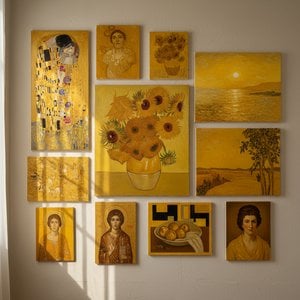
Die Top 10 berühmter Gemälde im Gelbocherton – Kunst für Ihr Zuhause |
Entdecken Sie die Top 10 berühmter Gemälde, dominiert von warmen Gelbochtönen! Von Van Gogh bis Monet – erfahren Sie die Geschichten hinter den Meisterwerken und lassen Sie sich für Ihre Wohnraumgestaltung inspirieren. Hochwertige Kunstdrucke auf

Romantische Landschaften: Die 10 Meisterwerke, die eine Epoche prägten | ArtsDot
Entdecken Sie die 10 Meisterwerke der Romantischen Landschaftsmalerei! Von Caspar David Friedrich bis Turner – erleben Sie die Kunst, Emotion & Natur. Hochwertige Reproduktionen auf ArtsDot.com

Evocations of Place: A Historical Journey Through Landscape Art
Explore the rich history of landscape art with ArtsDot. Discover renowned artists, movements like Impressionism & tonalism, and expert guidance for collecting timeless pieces. Find your perfect serene escape today!

Evocations of Place: A Historical Journey Through Landscape Art
Explore the rich history of landscape art with ArtsDot. Discover renowned artists, movements like Impressionism & Romanticism, and expert guidance for collecting timeless pieces. Find your perfect serene escape today!