
- Startseite

- Ölgemälde-Reproduktion
- Raffael
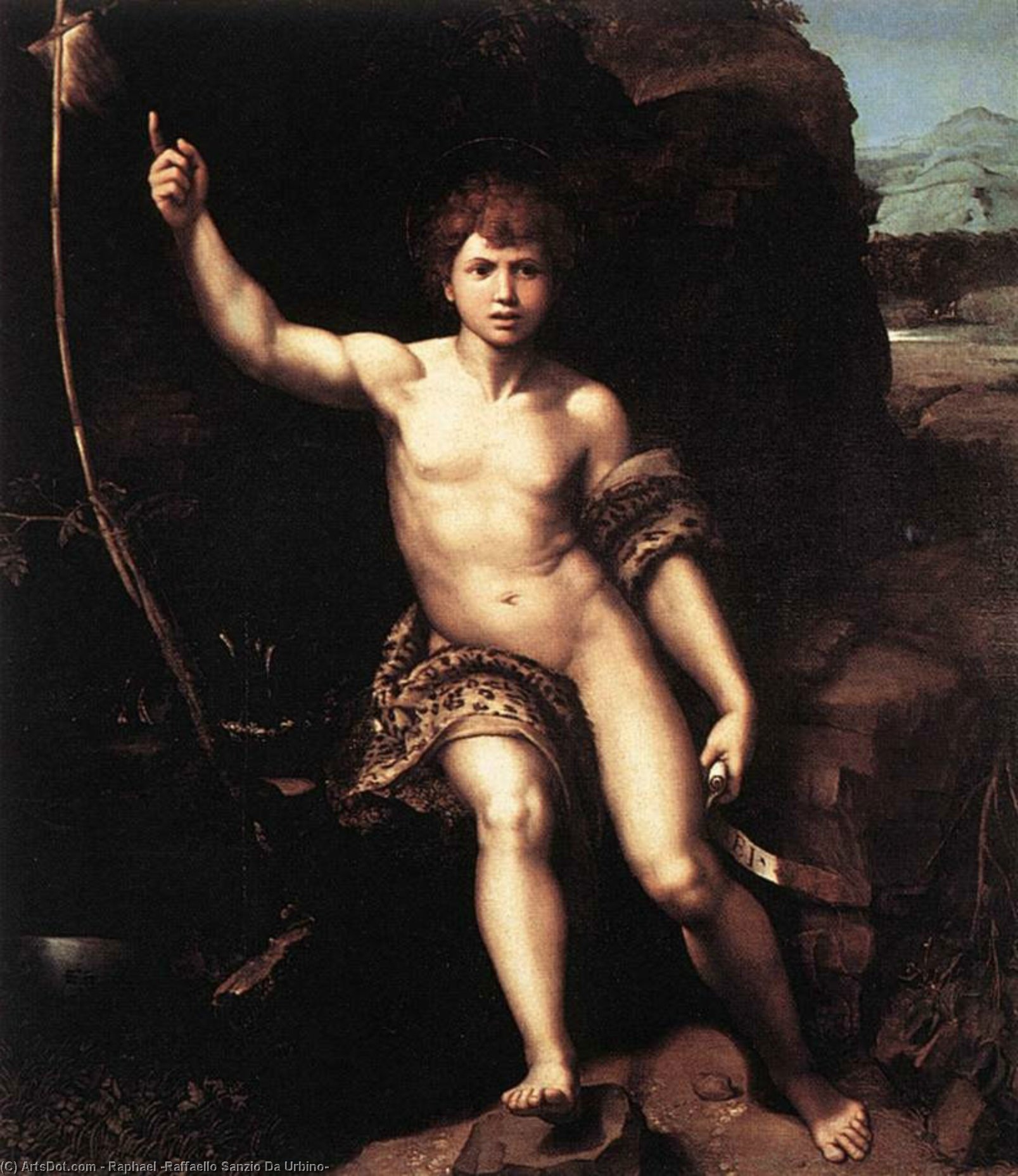
- St. Johannes der Täufer in der Wüste
 Druck bestellen Bild kaufen
 Versenden
 Teilen
 Details
 Zu Favoriten hinzufügen

 Herunterladen
 Ähnliche Objekte
 X-Ray
X-Ray
 Diashow anzeigen
St. Johannes der Täufer in der Wüste
 Öl auf Leinwand
- Wandkunst
- High Renaissance
 1520
1520- Renaissance
 165.0 x 147.0 cm
Handgefertigte Öl-Reproduktion
Handgemaltes Ölgemälde auf Leinwand in Ihrer Wunschgröße und mit Rahmen, auf Bestellung von unseren Künstlern angefertigt.




P118B $10

P118H $10

P118W $10

P438Z $10

P508JH $12

P508YH $12

P805H $10

P805Z $10

P919BZ $10

P919G $10

P919XJ $10

P959ZH $10

P968JZ $12

W106C $8

W218G $10

W218JH $8

W218Y $10

W307PJ $10

W316G $10

W316PJ $8

W316Y $10

W398PJ $8

W4111J $10

W500HY $15

W500JH $15

W692G $12

W849H $8

W940BG $15

W953PJ $8




 Weiterlesen
Wählen Sie aus unseren vordefinierten Größen, die den ursprünglichen Proportionen des Kunstwerks entsprechen.

Sie können Ihre eigenen Maße eingeben, um einen bestimmten Rahmen oder Platz auszufüllen. Wenn die gewählte Größe nicht den Proportionen des Originalbildes entspricht, werden wir das Kunstwerk entweder beschneiden oder das Gemälde durch zusätzliche, handgemalte Elemente erweitern. Ein digitales Mockup wird Ihnen zur Genehmigung zugesandt, bevor die Produktion beginnt.
Bitte beachten Sie, dass die Bildschirmvorschau nicht die tatsächliche Beschneidung oder Erweiterung widerspiegelt. Nur das Mockup zeigt die endgültige Komposition exakt an.
Obwohl Sondermaße verfügbar sind, empfehlen wir, eine Größe aus der vordefinierten Liste zu wählen, um die ursprünglichen Proportionen beizubehalten.
Nach der Bestellung wird das ArtsDot.com-Team dem Kunden Anweisungen per E-Mail zusenden und eine Mockup-Vorschau bereitstellen.
Weltweiter Versand () in nur 3 bis 4 Wochen statt der üblichen 5 Wochen. (1 Juli). Keine Kompromisse bei der Qualität.

Kostenloser weltweiter Expressversand

Hochwertige Leinenleinwand

Umfassender Versicherungsschutz beim Versand

Zollsteuer-Rückerstattungsgarantie

Garantie für echte Farbtreue

60-Tage-Rückgaberecht (nur bei Mängeln)

100% Geld-zurück-Garantie

Mengenrabatt verfügbar
 Die Glasoption ist nur in Größen unter 110 cm verfügbar.

St. Johannes der Täufer in der Wüste
Art der Reproduktion
Größe der Reproduktion
-


Endpreis aller Optionen
-
Beschreibung des Kunstwerks
Raphael’s Desert Solitude: A Meditation on Faith and Form
“St. John the Baptist in the Desert” by Raphael, painted around 1520, is more than just a depiction of a biblical figure; it's an immersive experience—a carefully constructed tableau of solitude, contemplation, and profound spiritual preparation. This oil-on-canvas masterpiece, now residing within the hallowed halls of the Louvre in Paris, offers a glimpse into the heart of the High Renaissance, showcasing Raphael’s unparalleled mastery of composition, color, and the subtle language of symbolism.
The painting immediately draws the viewer into a starkly beautiful landscape: a rugged desert expanse punctuated by distant, imposing mountains. The palette is deliberately restrained – ochres, browns, and muted greens dominate, creating an atmosphere of austere tranquility. Raphael’s genius lies not in dramatic flourishes but in the quiet power of suggestion. St. John himself is presented as a young man, his youthful features hinting at the future Messiah, yet already bearing the marks of his prophetic role – a long, flowing beard and hair, a simple loincloth, and a bow and arrow resting casually across his shoulders. He’s not a warrior preparing for battle; rather, he embodies a deliberate detachment from worldly pursuits, focused entirely on his spiritual mission.
The Language of Symbolism
The desert itself is the painting's most potent symbol – a space of isolation and testing, mirroring John’s own journey of self-discovery. It represents the wilderness of the soul, where one must confront their doubts and fears before embracing faith. The presence of two bows, strategically placed in the scene—one at the top left corner and another towards the bottom right—is particularly intriguing. They aren't weapons of aggression but rather symbols of guidance and direction, pointing toward a higher purpose. The boat on the distant horizon, barely visible against the vastness of the landscape, speaks to the possibility of salvation and the promise of redemption – a connection to the world beyond the desert’s confines.
Furthermore, the inclusion of the cross, subtly integrated into the rocky terrain, is a powerful reminder of Christ's sacrifice. It’s not overtly displayed but rather embedded within the landscape, suggesting that faith and salvation are interwoven with the very fabric of existence. The young John’s posture—seated, relaxed yet alert—conveys a sense of inner peace and unwavering devotion.
High Renaissance Technique & Influence
Raphael's skill in rendering human form is breathtaking. He achieves an astonishing level of realism while simultaneously imbuing the figure with an ethereal quality. The use of oil paint allows for incredible detail—the texture of the rocks, the folds of the loincloth, the subtle nuances of light and shadow—creating a sense of depth and immediacy that was revolutionary at the time. This meticulous attention to detail is characteristic of the High Renaissance, a period defined by its pursuit of harmony, balance, and idealized beauty.
It’s important to note that Raphael's work wasn't entirely original; he drew inspiration from classical antiquity, particularly the sculptures of Michelangelo, evident in the youthful physique and serene expression of St. John. The painting also echoes earlier works by artists like Leonardo da Vinci, demonstrating Raphael’s ability to synthesize diverse influences into a uniquely personal style. The composition itself is carefully balanced, reflecting the Renaissance ideal of *sprezzatura* – a studied nonchalance that conveys effortless grace and skill.
A Timeless Meditation
"St. John the Baptist in the Desert" remains a profoundly moving work of art. It’s not merely a historical depiction but a timeless meditation on faith, solitude, and the human search for meaning. Raphael's ability to capture such complex emotions with such understated elegance is a testament to his genius—a masterpiece that continues to resonate with viewers centuries after its creation. For those seeking an exceptional reproduction, ArtsDot offers meticulously crafted hand-painted versions of this iconic painting, allowing you to experience the beauty and depth of Raphael’s vision in stunning detail.
Ähnliche Kunstwerke


Biografie des Künstlers
**frühes Leben und Ausbildung**
Raphael (Raffaello Sanzio da Urbino), ein renommierter italienischer Maler und Architekt, wurde zwischen dem 28. März und dem 6. April 1483 in der kleinen, aber kulturell bedeutenden Stadt Urbino geboren. Sein Vater, Giovanni Santi, war Hofmaler des Herzogs und vermittelte Raphael von Anfang an eine frühe Auseinandersetzung mit der künstlerischen Welt. Nach dem Tod seines Vaters im Alter von elf Jahren betrieb Raphael wahrscheinlich die Familienwerkstatt weiter, was seine künstlerische Grundlage festigte.**Künstlerischer Werdegang und Einflüsse**
Raphaels künstlerischer Weg lässt sich in drei verschiedene Phasen einteilen, jede mit einem einzigartigen Stil gekennzeichnet:- Frühe Jahre in Umbrien: Charakterisiert durch den Einfluss seines Vaters und die kulturelle Atmosphäre von Urbino.
- Florentinische Periode (1504-1508): Aufnahme der künstlerischen Traditionen Florenz, die seinen Stil maßgeblich prägte.
- Römische Periode (1508-1520): Arbeitete für zwei Päpste und ihre Mitarbeiter und schuf einige seiner bekanntesten Werke, darunter die Schule der Athene in der Vatikanische Stanza della Segnatura.
**Bekannte Werke und Vermächtnis**
Einige der bekannten Werke von Raphael sind:- Das Urteil des Salomon (ansicht auf ArtsDot)
- Die Esterházy-Madonna (ansicht auf ArtsDot)
- Vatikanische Stanzen - Ansicht der Stanza della Segnatura (ansicht auf ArtsDot)
- St. Sebastian (ansicht auf ArtsDot)
- La Donna Velata (ansicht auf ArtsDot)
**Einfluss und Vermächtnis**
Raphaels Einfluss auf die Kunst ist tiefgreifend, wobei sein Werk ein Eckpfeiler der Hochrenaissance darstellt. Sein ruhiger und harmonischer Stil war ein Vorbild für die neoklassische Malerei, wie von Kunsthistoriker Johann Joachim Winckelmann bemerkt. Trotz des späteren Einflusses von Michelangelos Stil bleibt Raphael einer der verehrtesten Künstler in der Geschichte. ansicht des Profils von Raphael auf ArtsDot
Raffael
1483 - 1520 , Italien
Kurzinfos
- Beeinflusste Künstler:
- Giovanni Santi
- Pietro Perugino
- Bemerkenswerte Werke:
- Das Urteil des Salomon
- Esterházy-Madonna
- Die Schule der Athener
- St. Sebastian
- La Donna Velata
- Einfluss Auf Kunst: Neoklassische Malerei
- Geburtsdatum: 1483
- Geburtsort: Urbino, Italien
- Künstlerischer Stil: Hochrenaissance
- Nationalität: Italienisch
- Todatum: 1520
- Vollständiger Name: Raffaello Sanzio da Urbino
- Von Künstlern Beeinflusst:
- Leonardo da Vinci
- Michelangelo
Ähnliche Artikel
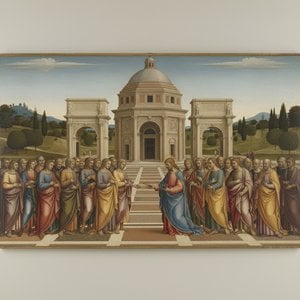
Pietro Perugino: Umbrian Master of Serenity & Precursor to Raphael's High Renaissance
Explore the life & art of Pietro Perugino, a pivotal Renaissance master and Raphael’s influential teacher. Discover his serene compositions, Sistine Chapel frescoes, and lasting legacy with ArtsDot.


The Cultivation of Idleness: Leisure as Subject & Symbol in Western Art History
Explore the fascinating history of leisure in Western art! From Renaissance contemplation to Impressionist moments, discover how artists depicted otium & its cultural significance. Expert insights for collectors & enthusiasts.

Gustave Moreau: Der Enigmatische Visionär des Symbolismus und Wegbereiter moderner Fantasy-Kunst
Entdecken Sie das faszinierende Werk Gustave Moreaus, des wichtigsten Vertreters des Symbolismus! Analysen, Biografien und Einblicke in seine mythologischen Gemälde. Jetzt lesen!

John Frederick Lewis: Orientalismus, Detail und Genremalerei im 19. Jahrhundert der britischen Kunst
Entdecken Sie das faszinierende Werk von John Frederick Lewis! Wir analysieren seinen Orientalismus, Detailreichtum und seine Genremalerei im Kontext des 19. Jahrhunderts. Expertenwissen zur britischen Kunstgeschichte.

Antonio da Correggio: Illusionismus, Grazie und die Poetik der Renaissance-Malerei
Entdecken Sie das Werk von Antonio da Correggio – einem Meister der Renaissance! Erfahren Sie mehr über seine innovativen Techniken, Fresken und seinen Einfluss auf die Kunstgeschichte. Expertenanalyse & tiefe Einblicke.



