

 Vorschau anzeigen
 Versenden
 Teilen
 Details anzeigen
 Leitfaden

 Herunterladen
 Ähnliche Objekte
 Röntgenaufnahme
 Diashow
 Fragen & Antworten
 Statistiken
Sombre Nude

- 65.0 x 81.0 cm


 Weiterlesen
Giclée / Kunstdruck
Giclée- oder Leinwanddruck in Museumsqualität mit schneller Produktion und flexiblen Veredelungsoptionen. ( Handgemalte Reproduktion bestellen Zum digitalen Bild wechseln)




P118B €10

P118H €10

P118W €10

P438Z €10

P508JH €12

P508YH €12

P805H €10

P805Z €10

P919BZ €10

P919G €10

P919XJ €10

P959ZH €10

P968JZ €12

W106C €8

W218G €10

W218JH €8

W218Y €10

W307PJ €10

W316G €10

W316PJ €8

W316Y €10

W398PJ €8

W4111J €10

W500HY €15

W500JH €15

W692G €12

W849H €8

W940BG €15

W953PJ €8




Wählen Sie aus unseren vordefinierten Formaten, die den ursprünglichen Proportionen des Kunstwerks entsprechen.

Geben Sie die benötigte Breite und Höhe an, damit der Druck perfekt in Ihren Rahmen oder an Ihre Wand passt. Ein Druck kann nur beschnitten, aber niemals größer als das Originalbild angefertigt werden; daher verliert ein Format mit anderen Proportionen einen Teil des Bildes. Wir senden Ihnen ein digitales Mockup zur Freigabe, bevor wir den Druck ausführen. Das auf dieser Seite gezeigte Bild zeigt nicht den tatsächlichen Beschnitt – dies ist nur im Mockup ersichtlich.
Weltweiter Versand () innerhalb von 2 Wochen statt der üblichen 4/5 Wochen. (4 November)

Kostenloser weltweiter Expressversand

Hochwertige Leinenleinwand

Umfassender Versicherungsschutz beim Versand

Zollgebühren-Rückerstattungsgarantie

Garantie für exakte Farbtreue

100 Tage Rückgaberecht (nur bei Mängeln)

100% Geld-zurück-Garantie

Mengenrabatt verfügbar
 Die Glasoption ist nur für Größen unter 110 cm verfügbar.

Sombre Nude
Giclée / Kunstdruck
Format der Reproduktion
-


Endpreis
€ 56
A Study in Warmth and Intimacy: Pierre Bonnard’s *Sombre Nude*
Pierre Bonnard's Sombre Nude, painted in 1941, offers a poignant glimpse into the artist’s masterful exploration of light, color, and human form. This intimate scene, measuring 65 x 81 cm, transcends mere representation; it is an embodiment of Bonnard’s deeply personal vision, reflecting his evolving approach to capturing fleeting moments of domestic tranquility. The painting depicts a woman seated on the ground, her back turned towards the viewer, enveloped in a warm palette dominated by rich reds and yellows. This deliberate use of color isn't simply decorative; it speaks to Bonnard’s fascination with the effects of light and shadow, particularly as he observed them within his own studio.
- Subject Matter: The nude figure is presented not in a classical, heroic pose but rather in a vulnerable, almost meditative state. This departure from traditional nudes aligns with Bonnard’s broader rejection of academic conventions and his desire to depict the everyday realities of life.
- Color Palette: The dominant reds and yellows evoke a sense of warmth and intimacy, reminiscent of candlelight or the glow of a hearth – elements frequently found in Bonnard's depictions of domestic interiors.
- Composition: The dynamic composition draws the eye to the central figure, while the subtle inclusion of leaves in the upper right corner introduces an element of naturalism, grounding the scene and suggesting a connection to the outside world.
The Nabis Influence and Bonnard’s Artistic Evolution
Painted during a pivotal period in Bonnard's career, *Sombre Nude* reflects his ongoing engagement with the Nabis movement. This group of artists, deeply influenced by Japanese prints and Symbolist ideals, sought to evoke emotion through color and atmosphere rather than strict realism. The Nabis’ emphasis on subjective experience is clearly evident here – Bonnard isn’t simply painting a woman; he's conveying a mood, an impression, a feeling of quiet contemplation. His earlier work in caricature provided him with a keen eye for detail and observation, skills that he skillfully employed to create this evocative image. The subtle distortions of form and the emphasis on color contribute to the painting’s dreamlike quality.
Historical Context: The painting was created in 1941, during the tumultuous years of World War II. This period undoubtedly influenced Bonnard's work, adding a layer of melancholy and introspection to his art. The war served as a backdrop for many artists’ reflections on mortality and the fragility of human existence.Technique and Materiality: A Masterclass in Impressionism
Bonnard’s technique is characterized by loose brushstrokes, layered color washes, and a deliberate avoidance of sharp outlines. He employed a glazing method – applying thin layers of transparent paint over one another – to build up depth and luminosity. This meticulous process allowed him to capture the subtle nuances of light and shadow with remarkable precision. The use of thick impasto in certain areas adds textural richness, further enhancing the painting’s tactile quality. The canvas itself is a crucial element; Bonnard's skillful manipulation of surface texture contributes significantly to the overall effect.
Symbolism and Emotional Resonance
*Sombre Nude* resonates with a profound sense of quiet solitude and introspection. The woman’s averted gaze invites the viewer into her private world, prompting contemplation about themes of vulnerability, beauty, and the passage of time. The warm color palette contributes to this emotional impact, creating an atmosphere of serenity and melancholy. This painting is not merely a depiction of a nude figure; it's a meditation on the human condition, rendered with Bonnard’s signature sensitivity and artistic brilliance.
Fragen & Antworten
Welche Druckgröße von "Sombre Nude" von Pierre Bonnard passt in den empfohlenen Raum?
Für einen Living Room wird für „Sombre Nude“ ein Druckformat von Large empfohlen.
Welche emotionale Stimmung prägt den Stil der Nabis Nabis-Epoche in „Sombre Nude“?
"Sombre Nude" vermittelt eine Melancholic emotionale Stimmung innerhalb der Nabis Nabis-Strömung.
Für welchen Raum wird "Sombre Nude" von Pierre Bonnard empfohlen?
"Sombre Nude" von Pierre Bonnard wird für ein Living Room empfohlen. Dieser Vorschlag basiert auf dem Motiv, den Farben und der Stimmung des Werkes.
Ähnliche Kunstwerke


Künstlerbiografie
Frühe Jahre und Karriere
Pierre Bonnard wurde am 3. Oktober 1867 in Fontenay-aux-Roses, im Département Hauts-de-Seine, geboren. Er entstammte einer wohlhabenden Familie; sein Vater war ein hoher Beamter im französischen Kriegsministerium. Bonnard zeigte früh künstlerisches Talent und besuchte zunächst das Lycée Louis-le-Grand und später das Lycée Charlemagne in Vanves. Obwohl er von seinem Vater dazu gedrängt wurde, eine Karriere im Staatsdienst anzutreten, entschied sich Bonnard für die Kunst. Er studierte Jura, um seinen Vater zufriedenzustellen, begann aber gleichzeitig mit dem Studium an der Académie Julian und der École des Beaux-Arts, wo er Freundschaften mit anderen Künstlern wie Édouard Vuillard schloss.Die Nabi-Bewegung und Postimpressionismus
Um 1891 lernte Bonnard Toulouse-Lautrec kennen und begann, seine Werke auf Ausstellungen zu zeigen. Er engagierte sich auch in der Zeitschrift *La Revue Blanche*, für die er Frontispizien entwarf. Bonnard war ein Gründungsmitglied der Nabi-Bewegung (*Les Nabis*), einer Gruppe von Künstlern, die sich gegen den Impressionismus wandten und nach neuen Ausdrucksformen suchten. Die frühen Werke Bonnards zeigen den Einfluss japanischer Holzschnitte und Paul Gauguins. Er entwickelte einen eigenen Stil, der durch eine Vereinfachung der Formen und eine Verwendung flacher Farbflächen gekennzeichnet ist.Intimität und häusliche Szenen
Bonnard bevorzugte es, aus dem Gedächtnis zu malen und nutzte Skizzen als Referenzmaterial. Dies verlieh seinen Bildern eine traumartige Qualität. Er widmete sich vor allem intimen häuslichen Szenen, oft mit seiner Frau Marthe de Meligny als Modell. Diese Darstellung des Alltäglichen und Intimen brachte ihm den Beinamen "Intimisten" ein. Bonnard konzentrierte sich auf die Wiedergabe von Lichtstimmungen und Farbkombinationen, wobei er die Perspektive oft vernachlässigte.Spätere Jahre und künstlerische Entwicklung
In den 1910er Jahren zog Bonnard nach Vernonnet in der Normandie, wo er das Haus "La Roulotte" kaufte. Hier schuf er zahlreiche Gemälde, inspiriert von der Landschaft und dem Garten. Er pflegte eine enge Freundschaft zu Claude Monet, der ebenfalls in Giverny lebte. Bonnards Farbpalette wurde zunehmend intensiver und leuchtender. Nach Monets Tod zog Bonnard nach Le Cannet an der Côte d'Azur, wo er bis zu seinem Tod am 23. Januar 1947 lebte. Er vollendete sein letztes Gemälde, *Die Mandeltraube in Blüte*, nur wenige Tage vor seinem Ableben.Bedeutung und Vermächtnis
Pierre Bonnard gilt als einer der bedeutendsten französischen Maler des frühen 20. Jahrhunderts. Sein Werk zeichnet sich durch eine einzigartige Sensibilität für Farbe und Licht aus. Er trug maßgeblich zur Entwicklung des Postimpressionismus bei und beeinflusste nachfolgende Künstlergenerationen. Bonnards Gemälde sind heute in zahlreichen renommierten Museen weltweit zu sehen, darunter das Musée Marmottan Monet in Paris und das Art Institute of Chicago.
Pierre Bonnard
1867 - 1947 , Frankreich
Kurzinfos
- Beeinflusste Künstler/Bewegungen: ['Intimismus']
- Bemerkenswerte Werke:
- Frau in kariertem Kleid (1890)
- Die Mandeltraube in Blüte
- Einflussreiche Künstler:
- Paul Gauguin
- Hokusai
- Geburtsdatum: 03. Oktober 1867
- Geburtsort: Fontenay-aux-Roses, Frankreich
- Künstlerische Bewegung: Postimpressionismus, Nabi
- Nationalität: Französisch
- Sterbedatum: 23. Januar 1947
- Vollständiger Name: Pierre Bonnard
Ähnliche Artikel

Giclée-Prints: Hochwertige Kunstreproduktionen mit Archivqualität für Ihr Zuhause
Erfahren Sie alles über die Archivqualität und Technik echter Giclée-Drucke. Jetzt Expertenwissen für Ihre Kunstsammlung entdecken!
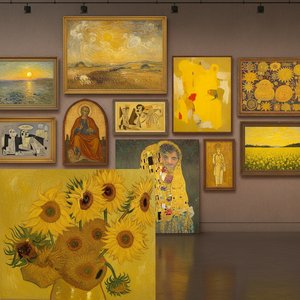
Chromgelb in der Kunstgeschichte: Die 10 berühmtesten Gemälde & ihre Meister
Entdecken Sie die 10 berühmtesten Gemälde, dominiert von der leuchtenden Farbe Chromgelb! Von Van Gogh bis Monet – erfahren Sie Geschichten hinter Meisterwerken & finden Sie Ihre perfekte Kunst-Reproduktion auf ArtsDot.com.
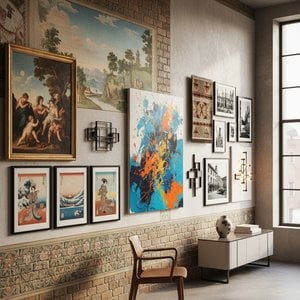
Transforming Spaces: A Comprehensive Exploration of Wall Decor Through Art History & Contemporary Practice
Explore the art of transforming spaces with our comprehensive guide to wall decor. From historical movements to contemporary trends, discover how to curate impactful interiors and commission bespoke artwork for a truly personalized aesthetic.

Farben voller Leben: Die 25 besten Meisterwerke von Henri Matisse
Entdecken Sie die 25 besten Werke von Henri Matisse und den Fauvismus. Erleben Sie Meisterwerke auf ArtsDot.com.
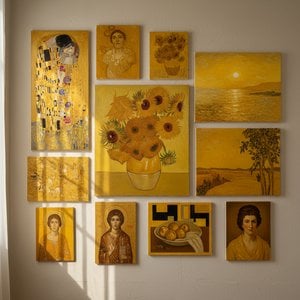
Die Top 10 berühmter Gemälde im Gelbocherton – Kunst für Ihr Zuhause |
Entdecken Sie die Top 10 berühmter Gemälde, dominiert von warmen Gelbochtönen! Von Van Gogh bis Monet – erfahren Sie die Geschichten hinter den Meisterwerken und lassen Sie sich für Ihre Wohnraumgestaltung inspirieren. Hochwertige Kunstdrucke auf


