In echtem Maßstab anzeigen
 Versenden als Grußkarte
 Teilen
 Details anzeigen
 Leitfaden öffnen

 Herunterladen
 Ähnliche Objekte
 Röntgenaufnahme
 Diashow
 Besucherstatistiken
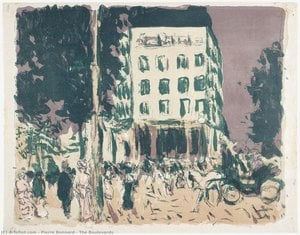
Garden with Red Tree
 Acrylic On Canvas
- WallArt
- Nabis Style
 1909
1909- 19th Century
 100.0 x 81.0 cm
 Mehr anzeigen
Handgefertigte Ölreproduktion
Handgemaltes Ölgemälde auf Leinwand in Ihrer Wunschgröße und mit Rahmen, auf Bestellung von unseren Künstlern angefertigt. ( Zum Druck wechseln Zum digitalen Bild wechseln)




P118B €10

P118H €10

P118W €10

P438Z €10

P508JH €12

P508YH €12

P805H €10

P805Z €10

P919BZ €10

P919G €10

P919XJ €10

P959ZH €10

P968JZ €12

W106C €8

W218G €10

W218JH €8

W218Y €10

W307PJ €10

W316G €10

W316PJ €8

W316Y €10

W398PJ €8

W4111J €10

W500HY €15

W500JH €15

W692G €12

W849H €8

W940BG €15

W953PJ €8




Wählen Sie aus unseren vordefinierten Formaten, die den ursprünglichen Proportionen des Kunstwerks entsprechen.

Geben Sie die Breite und die Höhe an, die Sie für Ihren Rahmen oder Ihre Wand benötigen. Da dieses Werk handgemalt ist, kann der Künstler bei einer anderen Form etwas mehr um das Bild herum malen oder etwas abschneiden – Sie entscheiden. Wir senden Ihnen ein digitales Mockup zur Freigabe, bevor mit dem Malen begonnen wird. Das auf dieser Seite gezeigte Bild stellt nicht das tatsächliche Ergebnis dar – dies tut nur das Mockup.
Nach der Bestellung wird das ArtsDot.com-Team dem Kunden Anweisungen per E-Mail zusenden und eine Mockup-Vorschau bereitstellen.
Weltweiter Versand () in nur 3 bis 4 Wochen statt der üblichen 5 Wochen. (25 Oktober). Keine Kompromisse bei der Qualität.

Kostenloser weltweiter Expressversand

Hochwertige Leinenleinwand

Vollständiger Versicherungsschutz beim Versand

Zollgebühren-Rückerstattungsgarantie

Garantie für exakte Farbtreue

100-tägiges Rückgaberecht (nur bei Mängeln)

100% Geld-zurück-Garantie

Angebot für Mengenrabatt
 Die Glasoption ist nur für Größen unter 110 cm verfügbar.

Garden with Red Tree
Reproduktionsmedium
Format der Reproduktion
-


Gesamtpreis
€ 231
A Moment of Serenity: Pierre Bonnard’s "Garden with Red Tree"
Pierre Bonnard's “Garden with Red Tree,” painted in 1909, is more than just a depiction of a pleasant outdoor scene; it’s an exquisitely rendered meditation on light, color, and the quiet beauty of domestic life. Measuring 100 x 81 cm, this work exemplifies Bonnard’s signature style – characterized by its delicate brushwork, harmonious palette, and profound sensitivity to atmosphere. The painting captures a serene moment within a private garden, inviting the viewer into an intimate tableau of a woman enjoying her leisure amidst nature's bounty.
The Nabis Influence and Bonnard’s Vision
Created during a pivotal period in Bonnard’s artistic development, “Garden with Red Tree” reflects his deep engagement with the Nabis movement. This group of artists, including Édouard Manet and Paul Ranson, sought to create art that evoked religious emotion through the use of intense color and symbolic imagery. The influence of the Nabis is immediately apparent in Bonnard’s masterful manipulation of color – a symphony of muted tones punctuated by the vibrant reds of the trees, drawing attention to their significance. Bonnard's rejection of academic realism, favoring instead a subjective interpretation of reality, aligns perfectly with the Nabis ethos. The painting speaks to a desire to capture not just what is seen, but how it *feels* – a core tenet of the movement.
Subject and Symbolism
The central figure of a woman seated in the garden immediately evokes themes of leisure, femininity, and connection with nature. She appears lost in contemplation, perhaps enjoying a simple pleasure—a picnic or simply observing the beauty around her. The presence of a dog adds to the idyllic scene, symbolizing companionship and loyalty. Crucially, the red trees themselves are laden with symbolic weight. Red is often associated with passion, life force, and even spirituality – elements Bonnard frequently explored in his work. Their prominence suggests a heightened awareness of sensory experience and an attempt to translate emotional states into visual form. The basket held by the woman hints at nourishment and abundance, further enriching the scene’s narrative.
Technique and Emotional Impact
Bonnard's meticulous technique is evident in the delicate layering of paint, creating a shimmering effect that captures the play of light on the foliage and figures. His brushstrokes are loose yet controlled, conveying a sense of movement and atmosphere. The composition is carefully balanced, drawing the eye through the scene with subtle shifts in color and form. “Garden with Red Tree” possesses a remarkable emotional resonance – it’s a painting that invites quiet contemplation and evokes a feeling of peaceful nostalgia. It's a testament to Bonnard's ability to transform a simple garden scene into a profound exploration of human experience, offering a glimpse into the artist’s sensitive soul.
Fragen & Antworten
Welcher Phase der Karriere von Pierre Bonnard ist „Garden with Red Tree“ (1909) zuzuordnen?
Angesichts seiner Datierung auf 1909 fällt "Garden with Red Tree" in die Mature Bonnard von Pierre Bonnard.
In welchem Jahr wurde "Garden with Red Tree" geschaffen?
"Garden with Red Tree" stammt aus dem Jahr 1909. Dieses Datum ordnet das Werk in die Schaffensperiode von Pierre Bonnard sowie in dessen Epoche ein.
Ist ein Download für "Garden with Red Tree" verfügbar?
Das Bild von "Garden with Red Tree" von Pierre Bonnard kann auf der Download-Seite des Kunstwerks heruntergeladen werden: ein hochauflösender digitaler Bild-Download.
Ähnliche Kunstwerke


Biografie des Künstlers
Frühe Jahre und Karriere
Pierre Bonnard wurde am 3. Oktober 1867 in Fontenay-aux-Roses, im Département Hauts-de-Seine, geboren. Er entstammte einer wohlhabenden Familie; sein Vater war ein hoher Beamter im französischen Kriegsministerium. Bonnard zeigte früh künstlerisches Talent und besuchte zunächst das Lycée Louis-le-Grand und später das Lycée Charlemagne in Vanves. Obwohl er von seinem Vater dazu gedrängt wurde, eine Karriere im Staatsdienst anzutreten, entschied sich Bonnard für die Kunst. Er studierte Jura, um seinen Vater zufriedenzustellen, begann aber gleichzeitig mit dem Studium an der Académie Julian und der École des Beaux-Arts, wo er Freundschaften mit anderen Künstlern wie Édouard Vuillard schloss.Die Nabi-Bewegung und Postimpressionismus
Um 1891 lernte Bonnard Toulouse-Lautrec kennen und begann, seine Werke auf Ausstellungen zu zeigen. Er engagierte sich auch in der Zeitschrift *La Revue Blanche*, für die er Frontispizien entwarf. Bonnard war ein Gründungsmitglied der Nabi-Bewegung (*Les Nabis*), einer Gruppe von Künstlern, die sich gegen den Impressionismus wandten und nach neuen Ausdrucksformen suchten. Die frühen Werke Bonnards zeigen den Einfluss japanischer Holzschnitte und Paul Gauguins. Er entwickelte einen eigenen Stil, der durch eine Vereinfachung der Formen und eine Verwendung flacher Farbflächen gekennzeichnet ist.Intimität und häusliche Szenen
Bonnard bevorzugte es, aus dem Gedächtnis zu malen und nutzte Skizzen als Referenzmaterial. Dies verlieh seinen Bildern eine traumartige Qualität. Er widmete sich vor allem intimen häuslichen Szenen, oft mit seiner Frau Marthe de Meligny als Modell. Diese Darstellung des Alltäglichen und Intimen brachte ihm den Beinamen "Intimisten" ein. Bonnard konzentrierte sich auf die Wiedergabe von Lichtstimmungen und Farbkombinationen, wobei er die Perspektive oft vernachlässigte.Spätere Jahre und künstlerische Entwicklung
In den 1910er Jahren zog Bonnard nach Vernonnet in der Normandie, wo er das Haus "La Roulotte" kaufte. Hier schuf er zahlreiche Gemälde, inspiriert von der Landschaft und dem Garten. Er pflegte eine enge Freundschaft zu Claude Monet, der ebenfalls in Giverny lebte. Bonnards Farbpalette wurde zunehmend intensiver und leuchtender. Nach Monets Tod zog Bonnard nach Le Cannet an der Côte d'Azur, wo er bis zu seinem Tod am 23. Januar 1947 lebte. Er vollendete sein letztes Gemälde, *Die Mandeltraube in Blüte*, nur wenige Tage vor seinem Ableben.Bedeutung und Vermächtnis
Pierre Bonnard gilt als einer der bedeutendsten französischen Maler des frühen 20. Jahrhunderts. Sein Werk zeichnet sich durch eine einzigartige Sensibilität für Farbe und Licht aus. Er trug maßgeblich zur Entwicklung des Postimpressionismus bei und beeinflusste nachfolgende Künstlergenerationen. Bonnards Gemälde sind heute in zahlreichen renommierten Museen weltweit zu sehen, darunter das Musée Marmottan Monet in Paris und das Art Institute of Chicago.
Pierre Bonnard
1867 - 1947 , Frankreich
Eckdaten zum Künstler
- Beeinflusste Künstler/Bewegungen: ['Intimismus']
- Bemerkenswerte Werke:
- Frau in kariertem Kleid (1890)
- Die Mandeltraube in Blüte
- Einflussreiche Künstler:
- Paul Gauguin
- Hokusai
- Geburtsdatum: 03. Oktober 1867
- Geburtsort: Fontenay-aux-Roses, Frankreich
- Künstlerische Bewegung: Postimpressionismus, Nabi
- Nationalität: Französisch
- Sterbedatum: 23. Januar 1947
- Vollständiger Name: Pierre Bonnard
Verwandte Artikel
Impressionistische Landschaften: Die 10 Meisterwerke, die eine Kunstrichtung prägten | ArtsDot
Entdecken Sie die 10 Meisterwerke des Impressionismus! Von Monet bis Van Gogh – erleben Sie die Geschichten hinter berühmten Landschaftsbildern. Hochwertige Kunst Reproduktionen für Ihr Zuhause auf ArtsDot.com.

Crimson Threads of Narrative: Exploring Symbolism & Representation in Artworks Featuring the Red Dress
Explore the rich symbolism of the red dress in art history! From ancient power displays to iconic portraits like Cézanne’s 'Madame Cezanne', discover the cultural and artistic significance behind this captivating color. Expert analysis & insights.

Echoes of Time: Exploring the Enduring Appeal & Historical Context of Vintage Art Prints
Explore the captivating world of vintage art prints! Discover their history, collecting tips & enduring appeal. Expert insights on chromolithography and building a legacy collection with ArtsDot.

Giclée Prints: Archival Quality & Aesthetic Nuances for the Discerning Collector
Explore the world of giclée prints with ArtsDot. Learn about archival quality, aesthetic nuances & investment potential. Expert guidance for discerning art collectors seeking museum-quality reproductions and lasting value.

The Enduring Legacy of Fine Art Prints: Technique, History & Aesthetic Impact
Explore the rich history & techniques of fine art prints. Discover investment potential, assess authenticity, and learn how to preserve your collection with expert guidance. Trusted insights for discerning collectors.