


 In echtem Maßstab anzeigen
 Versenden als Grußkarte
 Teilen
 Details anzeigen

 Herunterladen
 Ähnliche Objekte
 Röntgenaufnahme
 Diashow
 Besucherstatistiken
The Path through the Forest


 Mehr anzeigen
Handgefertigte Ölreproduktion
Handgemaltes Ölgemälde auf Leinwand in Ihrer Wunschgröße und mit Rahmen, auf Bestellung von unseren Künstlern angefertigt. ( Zum Druck wechseln Zum digitalen Bild wechseln)




P118B $10

P118H $10

P118W $10

P438Z $10

P508JH $12

P508YH $12

P805H $10

P805Z $10

P919BZ $10

P919G $10

P919XJ $10

P959ZH $10

P968JZ $12

W106C $8

W218G $10

W218JH $8

W218Y $10

W307PJ $10

W316G $10

W316PJ $8

W316Y $10

W398PJ $8

W4111J $10

W500HY $15

W500JH $15

W692G $12

W849H $8

W940BG $15

W953PJ $8




Wählen Sie aus unseren vordefinierten Formaten, die den ursprünglichen Proportionen des Kunstwerks entsprechen.

Sie können Ihre eigenen Maße eingeben, um einen bestimmten Rahmen oder Platz auszufüllen. Wenn die gewählte Größe nicht den Proportionen des Originalbildes entspricht, werden wir das Kunstwerk entweder beschneiden oder das Gemälde durch zusätzliche, handgemalte Elemente erweitern. Ein digitales Mockup wird Ihnen zur Genehmigung zugesandt, bevor die Produktion beginnt.
Bitte beachten Sie, dass die Bildschirmvorschau nicht die tatsächliche Beschneidung oder Erweiterung widerspiegelt. Nur das Mockup zeigt die endgültige Komposition exakt an.
Obwohl Sondermaße verfügbar sind, empfehlen wir, eine Größe aus der vordefinierten Liste zu wählen, um die ursprünglichen Proportionen beizubehalten.
Nach der Bestellung wird das ArtsDot.com-Team dem Kunden Anweisungen per E-Mail zusenden und eine Mockup-Vorschau bereitstellen.
Weltweiter Versand () in nur 3 bis 4 Wochen statt der üblichen 5 Wochen. (20 September). Keine Kompromisse bei der Qualität.

Kostenloser weltweiter Expressversand

Hochwertige Leinenleinwand

Vollständiger Versicherungsschutz beim Versand

Zollgebühren-Rückerstattungsgarantie

Garantie für exakte Farbtreue

100-tägiges Rückgaberecht (nur bei Mängeln)

100% Geld-zurück-Garantie

Angebot für Mengenrabatt
 Die Glasoption ist nur für Größen unter 110 cm verfügbar.

The Path through the Forest
Reproduktionsmedium
Format der Reproduktion
-


Gesamtpreis
$ 263
A Symphony of Light and Impression
In the heart of the French Impressionist movement, few works capture the ephemeral magic of nature as tenderly as Pierre-Auguste Renoir’s 1871 masterpiece, The Path through the Forest. This painting is far more than a mere landscape; it is a profound meditation on the fleeting beauty of a single moment captured in time. As the eye wanders along the winding dirt path, one is immediately struck by the way Renoir orchestrates a symphony of light and shadow. The canvas portrays a tranquil woodland scene where dense foliage frames a journey into the unknown, inviting the viewer to step away from the bustle of modern life and into a serene, sun-dappled sanctuary. Within this lush greenery, two figures—believed to be the artist's wife, Estelle Flachat, and their son, Jean—are subtly woven into the composition, providing a gentle human heartbeat to the sprawling natural world.
The technique employed in this work serves as a definitive hallmark of Renoir’s burgeoning Impressionistic style. Eschewing the rigid, meticulous lines of the academic tradition, Renoir utilizes loose, visible brushstrokes that dance across the surface of the canvas. He masterfully employs the concept of broken color, applying small, unblended patches of pigment to simulate the way sunlight filters through a canopy of leaves. This method creates a shimmering, atmospheric effect, where the boundaries between light and shadow become fluid and alive. For the discerning collector or interior designer, this technique offers an unparalleled sense of movement and depth, making the artwork feel as though it is breathing within the space it inhabits.
Symbolism and the Journey of Life
Beyond its visual splendor, The Path through the Forest carries a deep layer of symbolic resonance that speaks to the human condition. The winding path itself serves as a powerful metaphor for life’s journey—a continuous progression through varying terrains of light and shadow, growth and stillness. The dappled sunlight, dancing across the forest floor, represents optimism, warmth, and the preciousness of ephemeral moments that can never be recaptured. Renoir’s ability to imbue a natural setting with such emotional weight allows the painting to transcend its era, offering a timeless sense of peace and harmony that resonates with anyone seeking solace in the beauty of the natural world.
Historically, this piece emerged during a formative period for Renoir, reflecting the broader Impressionist fascination with capturing sensory immediacy. It was a reaction against the stiff conventions of the past, favoring the raw, authentic experience of nature. For those looking to adorn a home or gallery with a high-quality reproduction, this painting offers more than just decoration; it provides an emotional anchor. Whether placed in a sunlit study or a quiet corner of a living room, Renoir’s masterful rendering of light and his celebration of life's quiet joys bring an enduring elegance and a sense of tranquil inspiration to any interior design scheme.
Ähnliche Kunstwerke


Biografie des Künstlers
frühes Leben und Karriere
pierre-auguste renoir, ein prägender französischer Künstler, wurde am 25. Februar 1841 in Limoges, Frankreich, geboren. Er spielte eine entscheidende Rolle bei der Gestaltung des Impressionismus und war bekannt für sein lebendiges Licht und seine gesättigten Farben. Renoirs Werk feierte Schönheit, insbesondere weibliche Sinnlichkeit, und platzierte ihn in einer Linie von Künstlern, die von Rubens bis Watteau reicht.Künstlerisches Erbe
Renoirs Vermächtnis erstreckte sich über seine Leinwand hinaus, da er der Patriarche einer Familie war, in der Kunst in verschiedenen Formen blühte. Seine Kinder, pierre renoir (1885–1952), Filmemacher jean renoir (1894–1979) und Keramikkünstler claude renoir (1901–1969), leisteten alle bedeutende Beiträge in ihren jeweiligen Bereichen. Sein Enkel, Filmemacher claude renoir (1913–1993), vertiefte das künstlerische Erbe der Familie weiter.Bekannte Werke und Museen
* Dance at Bougival, ein bemerkenswertes Gemälde von Renoir, zeigt seine Meisterschaft beim Festhalten der Essenz des Impressionismus. * Das Musée des Collettes, das sich in Cagnes-sur-Mer, Frankreich, befindet, ist ein Muss für Kunstliebhaber. Dieses Museum, das einst das Zuhause von Pierre-Auguste Renoir war, dient als Zeugnis seines Lebens und Werks und beherbergt fünfzehn seiner Gemälde. * Das Musée Maurice Denis, ein weiteres verstecktes Juwel in Frankreich, präsentiert eine beeindruckende Sammlung französischer Postimpressionistischer Gemälde aus dem späten 19. und frühen 20. Jahrhundert.Renoirs Kunst mit ArtsDot entdecken
- Entdecken Sie den Charme des Musée des Collettes (Frankreich) und seiner Impressionistenkunst bei ArtsDot: [https://ArtsDot.com/@@/a@d3aupf](https://ArtsDot.com/@@/a@d3aupf)
- Erkunden Sie die Wunder des Musée Maurice Denis (Frankreich) mit ArtsDot: /de/art/show/art-d3aue3-de/
- Ansehen Sie sich Renoirs Gemälde, einschließlich Dance at Bougival, bei ArtsDot: [https://ArtsDot.com/@/pierre-auguste renoir](https://ArtsDot.com/@/pierre-auguste%20renoir)

Pierre-Auguste Renoir
1841 - 1919 , Frankreich
Eckdaten zum Künstler
- Beeinflusste Künstler:
- Rubens
- Watteau
- Bemerkenswerte Werke:
- Tanz im Moulin de la Galette
- Bootsfahrt-Mittagessen
- Nach dem Bad
- Tanz in Bougival
- Geburtsdatum: 25. Februar 1841
- Geburtsort: Limoges, Frankreich
- Künstlerischer Stil: Impressionismus
- Nationalität: Französisch
- Todatum: 3. Dezember 1919
- Vollständiger Name: Pierre-Auguste Renoir
- Von Künstlern Beeinflusst:
- Camille Pissarro
- Édouard Manet
Verwandte Artikel

Claude Monet: Die 25 Meisterwerke des Impressionismus für Ihr Zuhause | ArtsDot
Entdecken Sie die 25 Meisterwerke von Claude Monet! Tauchen Sie ein in die Welt des Impressionismus, erleben Sie Seerosen, Sonnenaufgänge & Kathedralen. Hochwertige Reproduktionen für Ihr Zuhause – exklusiv auf ArtsDot.com.
Nature’s Sanctuary: Curating Enchanting Forest Artworks to Transform Your Home into a Serene Woodland Retreat
Transform your home into a serene woodland retreat with enchanting forest artworks. Discover museum-quality oil reproductions and custom landscape commissions designed to bring the peaceful beauty of nature indoors.

Verzauberte Wälder: Die 10 magischsten Meisterwerke über die Natur
Entdecken Sie 10 legendäre Waldlandschaften: Von Van Goghs Kiefern bis zu Marc's Farbenpracht. Erleben Sie die Magie der Natur durch Meisterwerke des Impressionismus und Expressionismus. Finden Sie museale Kunstreproduktionen für Ihr Zuhause auf ArtsDot.com.
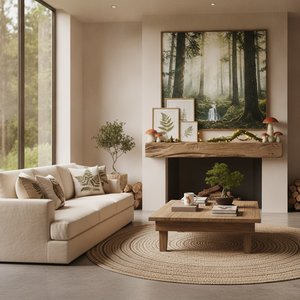
Bring the Forest Home: An Elegant Buyer's Guide to Transforming Your Space with Enchanting Woodland Art
Create a serene sanctuary in your new home with enchanting woodland art. Explore our guide to forest landscapes, from Impressionist masterpieces to custom oil paintings of your wedding memories. Discover hand-painted treasures at ArtsDot.com to bring nature's peace to your space.

Pierre-Auguste Renoir: Die 25 Meisterwerke des Impressionismus für Ihr Zuhause | ArtsDot
Entdecken Sie die 25 schönsten Meisterwerke von Pierre-Auguste Renoir! Tauchen Sie ein in die Welt des Impressionismus, erleben Sie berühmte Gemälde wie 'Bal au moulin de la Galette' und finden Sie hochwertige Kunstdrucke für Ihr Zuhause. Jetzt auf ArtsDot.com!


