


 Versenden
 Teilen
 Details anzeigen

 Herunterladen
 Ähnliche Objekte
 Diashow
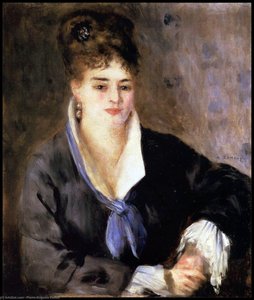
Der Beinkleidner


 Weiterlesen
Handgefertigte Ölreproduktion
Handgemaltes Ölgemälde auf Leinwand in Ihrer Wunschgröße und mit Rahmen, auf Bestellung von unseren Künstlern angefertigt. ( Druck bestellen Bild kaufen)




































Wählen Sie aus unseren vordefinierten Formaten, die den ursprünglichen Proportionen des Kunstwerks entsprechen.

Sie können Ihre eigenen Maße eingeben, um einen bestimmten Rahmen oder Platz auszufüllen. Wenn die gewählte Größe nicht den Proportionen des Originalbildes entspricht, werden wir das Kunstwerk entweder beschneiden oder das Gemälde durch zusätzliche, handgemalte Elemente erweitern. Ein digitales Mockup wird Ihnen zur Genehmigung zugesandt, bevor die Produktion beginnt.
Bitte beachten Sie, dass die Bildschirmvorschau nicht die tatsächliche Beschneidung oder Erweiterung widerspiegelt. Nur das Mockup zeigt die endgültige Komposition exakt an.
Obwohl Sondermaße verfügbar sind, empfehlen wir, eine Größe aus der vordefinierten Liste zu wählen, um die ursprünglichen Proportionen beizubehalten.
Nach der Bestellung wird das ArtsDot.com-Team dem Kunden Anweisungen per E-Mail zusenden und eine Mockup-Vorschau bereitstellen.
Weltweiter Versand () in nur 3 bis 4 Wochen statt der üblichen 5 Wochen. (16 August). Keine Kompromisse bei der Qualität.

Kostenloser weltweiter Expressversand

Hochwertige Leinenleinwand

Umfassender Versicherungsschutz beim Versand

Zollgebühren-Rückerstattungsgarantie

Garantie für exakte Farbtreue

60 Tage Rückgaberecht (nur bei Mängeln)

100% Geld-zurück-Garantie

Mengenrabatt verfügbar
 Die Glasoption ist nur für Größen unter 110 cm verfügbar.

Der Beinkleidner
Art der Reproduktion
Format der Reproduktion
-


Gesamtpreis
$ 288
Beschreibung des Kunstwerks
Pierre-Auguste Renoir’s “Le Chapeau Épinglé”: A Moment of Intimacy Captured in Pastel
Pierre-Auguste Renoir's "Le Chapeau Épinglé" – or, as it is sometimes translated, "The Hat Pinned" – isn’t merely a pastel portrait; it’s a delicate distillation of Parisian life and the quiet beauty of everyday interactions. Painted in 1890 or 1893, this work offers a poignant glimpse into a private moment shared between two young women, a scene brimming with unspoken connection and subtle emotion. The painting resides within the esteemed collection of the Nelson-Atkins Museum of Art in Kansas City, having been generously gifted by the Bloch family, and serves as a testament to Renoir’s masterful ability to capture fleeting expressions and intimate relationships.
Renoir's signature style is immediately apparent – a luminous palette dominated by soft pinks, creams, and muted blues. He eschews sharp outlines in favor of hazy forms and delicate hatching, creating an atmosphere of diffused light and gentle warmth. The pastel medium itself lends a remarkable softness to the image, mirroring the tenderness of the scene. Notice how Renoir skillfully builds up tonal values through layers of thin strokes, imbuing the figures with a palpable sense of volume and depth – not through precise rendering, but through the evocative manipulation of light and shadow.
The Context of Parisian Life in the Late 19th Century
To fully appreciate “Le Chapeau Épinglé,” it’s crucial to understand the social milieu in which it was created. The late 1880s and 1890s were a period of significant change in Paris, marked by rapid industrialization, urbanization, and a growing fascination with leisure and entertainment. The boulevards buzzed with activity, cafes overflowed with conversation, and the city’s vibrant nightlife offered endless opportunities for social interaction. Renoir, like many artists of his generation, found inspiration in this dynamic urban landscape, capturing its energy and charm in his paintings.
However, amidst this bustling modernity, there was also a yearning for simpler pleasures – moments of quiet intimacy and connection. The painting reflects this sentiment, depicting two young women engaged in a seemingly mundane activity: pinning a hat to the head. Yet, within this simple gesture lies a wealth of potential meaning. The subtle glances exchanged, the delicate positioning of hands, and the overall atmosphere of shared companionship suggest a deeper bond than mere casual acquaintance.
Symbolism and Emotional Resonance
The choice of subject matter – two young women pinning a hat – is laden with symbolic significance. Hats were not merely accessories in this era; they were statements of style, status, and personal identity. The act of pinning a hat to the head represents an assertion of femininity, a deliberate presentation of oneself to the world. Furthermore, the shared activity suggests a collaborative effort, a mutual appreciation for beauty and fashion.
Renoir masterfully conveys a sense of vulnerability and tenderness through his use of line and color. The figures’ faces are partially obscured, inviting viewers to project their own emotions onto them. There's an undeniable feeling of intimacy—a quiet moment suspended in time. The painting evokes a nostalgic longing for simpler times, a reminder of the beauty that can be found in everyday moments of connection.
A Timeless Masterpiece: Reproduction and Appreciation
Reproductions of “Le Chapeau Épinglé” offer an accessible way to experience the artistry and emotional depth of this remarkable painting. When selecting a high-quality reproduction, consider factors such as color accuracy and detail resolution. The nuances of Renoir’s pastel technique—the subtle gradations of tone, the delicate hatching—are best captured by prints that faithfully reproduce these qualities.
Whether displayed in a private residence or a commercial space, “Le Chapeau Épinglé” continues to captivate viewers with its quiet beauty and timeless appeal. It serves as a poignant reminder of Renoir’s genius – his ability to transform ordinary moments into extraordinary works of art.
Ähnliche Kunstwerke




Über den Künstler
frühes Leben und Karriere
pierre-auguste renoir, ein prägender französischer Künstler, wurde am 25. Februar 1841 in Limoges, Frankreich, geboren. Er spielte eine entscheidende Rolle bei der Gestaltung des Impressionismus und war bekannt für sein lebendiges Licht und seine gesättigten Farben. Renoirs Werk feierte Schönheit, insbesondere weibliche Sinnlichkeit, und platzierte ihn in einer Linie von Künstlern, die von Rubens bis Watteau reicht.Künstlerisches Erbe
Renoirs Vermächtnis erstreckte sich über seine Leinwand hinaus, da er der Patriarche einer Familie war, in der Kunst in verschiedenen Formen blühte. Seine Kinder, pierre renoir (1885–1952), Filmemacher jean renoir (1894–1979) und Keramikkünstler claude renoir (1901–1969), leisteten alle bedeutende Beiträge in ihren jeweiligen Bereichen. Sein Enkel, Filmemacher claude renoir (1913–1993), vertiefte das künstlerische Erbe der Familie weiter.Bekannte Werke und Museen
* Dance at Bougival, ein bemerkenswertes Gemälde von Renoir, zeigt seine Meisterschaft beim Festhalten der Essenz des Impressionismus. * Das Musée des Collettes, das sich in Cagnes-sur-Mer, Frankreich, befindet, ist ein Muss für Kunstliebhaber. Dieses Museum, das einst das Zuhause von Pierre-Auguste Renoir war, dient als Zeugnis seines Lebens und Werks und beherbergt fünfzehn seiner Gemälde. * Das Musée Maurice Denis, ein weiteres verstecktes Juwel in Frankreich, präsentiert eine beeindruckende Sammlung französischer Postimpressionistischer Gemälde aus dem späten 19. und frühen 20. Jahrhundert.Renoirs Kunst mit ArtsDot entdecken
- Entdecken Sie den Charme des Musée des Collettes (Frankreich) und seiner Impressionistenkunst bei ArtsDot: [https://ArtsDot.com/@@/a@d3aupf](https://ArtsDot.com/@@/a@d3aupf)
- Erkunden Sie die Wunder des Musée Maurice Denis (Frankreich) mit ArtsDot: /de/art/show/art-d3aue3-de/
- Ansehen Sie sich Renoirs Gemälde, einschließlich Dance at Bougival, bei ArtsDot: [https://ArtsDot.com/@/pierre-auguste renoir](https://ArtsDot.com/@/pierre-auguste%20renoir)

Pierre-Auguste Renoir
1841 - 1919 , Frankreich
Kurzinfos
- Beeinflusste Künstler:
- Rubens
- Watteau
- Bemerkenswerte Werke:
- Tanz im Moulin de la Galette
- Bootsfahrt-Mittagessen
- Nach dem Bad
- Tanz in Bougival
- Geburtsdatum: 25. Februar 1841
- Geburtsort: Limoges, Frankreich
- Künstlerischer Stil: Impressionismus
- Nationalität: Französisch
- Todatum: 3. Dezember 1919
- Vollständiger Name: Pierre-Auguste Renoir
- Von Künstlern Beeinflusst:
- Camille Pissarro
- Édouard Manet
Ähnliche Artikel

Pierre-Auguste Renoir: Die 25 Meisterwerke des Impressionismus für Ihr Zuhause | ArtsDot
Entdecken Sie die 25 schönsten Meisterwerke von Pierre-Auguste Renoir! Tauchen Sie ein in die Welt des Impressionismus, erleben Sie berühmte Gemälde wie 'Bal au moulin de la Galette' und finden Sie hochwertige Kunstdrucke für Ihr Zuhause. Jetzt auf ArtsDot.com!

Romantic Realism's Finest: 10 Masterpieces for Your Home | ArtsDot
Explore 10 defining masterpieces of Romantic Realism! Discover Courbet, Millet & Daumier's powerful paintings—capturing emotion and social realities. Find museum-quality reproductions for your home at ArtsDot.com.

Weiße Meisterwerke: Die Top 10 berühmtesten Gemälde und ihre zeitlose Eleganz
Entdecken Sie die Top 10 berühmter Gemälde, dominiert von Weiß! Von Malewitsch bis Rothko – erfahren Sie Geschichten hinter ikonischen Kunstwerke und lassen Sie sich für Ihre Wohnraumgestaltung inspirieren. Kunstreproduktionen in Museumsqualiät auf

Die 10 legendärsten Radierungen: Meisterwerke, die Kunstgeschichte schrieben | ArtsDot
Entdecken Sie die 10 legendärsten Radierungen von Rembrandt, Dürer & Goya! Erfahren Sie die Geschichten hinter diesen Meisterwerken der Kunstgeschichte und lassen Sie sich für Ihre Wohnräume inspirieren. Hochwertige Kunstdrucke auf ArtsDot.com.

Die Top 10 berühmter Gemälde im Reich der dunklen Töne |
Entdecken Sie die Top 10 berühmter Gemälde, beherrscht von dunklen Tönen! Von Caravaggio bis Manet – erfahren Sie die Geschichten hinter Meisterwerken der Kunstgeschichte. Finden Sie Ihre perfekte Reproduktion auf .



