


 Vorschau anzeigen
 Versenden
 Teilen
 Details anzeigen

 Herunterladen
 Ähnliche Objekte
 Röntgenaufnahme
 Diashow
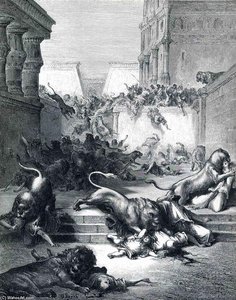
Devil's Acre, Westminster

 Weiterlesen
Handgefertigte Ölreproduktion
Handgemaltes Ölgemälde auf Leinwand in Ihrer Wunschgröße und mit Rahmen, auf Bestellung von unseren Künstlern angefertigt. ( Druck bestellen Bild kaufen)




P118B $10

P118H $10

P118W $10

P438Z $10

P508JH $12

P508YH $12

P805H $10

P805Z $10

P919BZ $10

P919G $10

P919XJ $10

P959ZH $10

P968JZ $12

W106C $8

W218G $10

W218JH $8

W218Y $10

W307PJ $10

W316G $10

W316PJ $8

W316Y $10

W398PJ $8

W4111J $10

W500HY $15

W500JH $15

W692G $12

W849H $8

W940BG $15

W953PJ $8




Wählen Sie aus unseren vordefinierten Formaten, die den ursprünglichen Proportionen des Kunstwerks entsprechen.

Sie können Ihre eigenen Maße eingeben, um einen bestimmten Rahmen oder Platz auszufüllen. Wenn die gewählte Größe nicht den Proportionen des Originalbildes entspricht, werden wir das Kunstwerk entweder beschneiden oder das Gemälde durch zusätzliche, handgemalte Elemente erweitern. Ein digitales Mockup wird Ihnen zur Genehmigung zugesandt, bevor die Produktion beginnt.
Bitte beachten Sie, dass die Bildschirmvorschau nicht die tatsächliche Beschneidung oder Erweiterung widerspiegelt. Nur das Mockup zeigt die endgültige Komposition exakt an.
Obwohl Sondermaße verfügbar sind, empfehlen wir, eine Größe aus der vordefinierten Liste zu wählen, um die ursprünglichen Proportionen beizubehalten.
Nach der Bestellung wird das ArtsDot.com-Team dem Kunden Anweisungen per E-Mail zusenden und eine Mockup-Vorschau bereitstellen.
Weltweiter Versand () in nur 3 bis 4 Wochen statt der üblichen 5 Wochen. (16 August). Keine Kompromisse bei der Qualität.

Kostenloser weltweiter Expressversand

Hochwertige Leinenleinwand

Umfassender Versicherungsschutz beim Versand

Zollgebühren-Rückerstattungsgarantie

Garantie für exakte Farbtreue

60 Tage Rückgaberecht (nur bei Mängeln)

100% Geld-zurück-Garantie

Mengenrabatt verfügbar
 Die Glasoption ist nur für Größen unter 110 cm verfügbar.

Devil's Acre, Westminster
Art der Reproduktion
Format der Reproduktion
-


Gesamtpreis
$ 263
Beschreibung des Kunstwerks
The Devil’s Acre – Westminster: A Glimpse of Victorian Despair
Gustave Doré's “Devil’s Acre – Westminster,” created in 1872, isn’t merely an illustration; it’s a haunting tableau of urban decay and social injustice. This powerful wood engraving offers a starkly realistic depiction of the infamous Devil’s Half Acre, a notorious slum nestled alongside the grand façade of Westminster Abbey in Victorian London. More than just a visual record, Doré's work serves as a poignant commentary on poverty, overcrowding, and the moral failings of an era grappling with rapid industrialization and its attendant social consequences.
The scene unfolds within a narrow, shadowed street – St. Anne’s Lane – choked by dilapidated buildings and overflowing refuse. The figures depicted are not idealized heroes or romanticized subjects; they are the marginalized inhabitants of this forgotten corner of London: a weary vendor hawking his wares, a man burdened with a bundle, and countless others lost in the grim reality of their existence. Doré masterfully employs chiaroscuro – the dramatic contrast between light and shadow – to heighten the sense of despair and claustrophobia. The muted palette of browns, grays, and blacks reinforces this atmosphere of gloom, while strategically placed shafts of light illuminate pockets of misery, drawing the viewer’s eye to the suffering within.
Doré's Technique: A Masterclass in Wood Engraving
Gustave Doré was a virtuoso of wood engraving, a technique demanding immense skill and patience. He began by meticulously transferring his detailed pencil sketches onto a block of hardwood – typically boxwood or pearwood – using a stylus. Each line, each shading effect, had to be painstakingly carved into the surface of the block with specialized gouges. This process was incredibly laborious, requiring countless hours of work for each image. The resulting print, however, possessed an astonishing level of detail and tonal richness, achieved through careful control of ink distribution and pressure during printing.
Doré’s mastery extended beyond technical skill; he understood how to use the limitations of wood engraving to his advantage. He skillfully created a sense of texture and depth by varying the line weight and density, mimicking the effects of brushstrokes or charcoal shading. The subtle gradations in tone – achieved through multiple passes with the ink roller – contribute significantly to the image’s emotional impact, conveying both the harshness and the vulnerability of the scene.
Historical Context: London's Dark Underbelly
The Devil’s Acre wasn’t a random slum; it was a deliberate consequence of Victorian urban planning. As London swelled with population during the Industrial Revolution, many impoverished families were pushed into overcrowded, unsanitary areas on the fringes of the city. The area surrounding Westminster Abbey, despite its proximity to power and wealth, became a haven for crime, disease, and despair. Charles Waterton, a wealthy eccentric, famously described it as “a place where the devil might find employment,” encapsulating the grim reality of the district.
Doré’s illustration emerged during a period of intense social reform in Britain. The plight of the poor was increasingly recognized, and reformers like Charles Dickens sought to expose the injustices faced by the working class. “Devil’s Acre” served as a powerful visual indictment of this societal failure, prompting reflection on the responsibilities of government and society towards its most vulnerable citizens.
Symbolism and Emotional Resonance
Beyond its documentary value, “Devil’s Acre” is rich in symbolism. The darkness enveloping the scene represents not only physical poverty but also moral decay and spiritual emptiness. The figures themselves embody resilience and suffering, their faces etched with hardship and resignation. The juxtaposition of the imposing grandeur of Westminster Abbey – a symbol of power and faith – against the squalor of the Devil’s Acre creates a profound sense of contrast and injustice.
Doré's work evokes a complex range of emotions: pity, outrage, and perhaps even a touch of melancholy. It is a reminder of the human cost of progress and a testament to the enduring power of art to expose uncomfortable truths and challenge viewers to confront difficult realities. Reproductions of this iconic image continue to resonate today, serving as a poignant symbol of social inequality and the importance of compassion.
Ähnliche Kunstwerke




Über den Künstler
Paul Gustave Doré: Ein Leben in der Illustration
Frühe Jahre und Anfänge
- Geboren: 6. Januar 1832, in Straßburg, Frankreich.
- Schon als Kind zeigte Doré ein bemerkenswertes künstlerisches Talent und eine frühreife Persönlichkeit. Es gibt Geschichten von seinen frühen Streichen, die eine ungewöhnliche Reife für sein Alter demonstrieren.
- Frühe künstlerische Neigung: Er begann mit dem Zeichnen in sehr jungen Jahren und zeigte schnell außergewöhnliches Können.
- Mit 15 Jahren begann Doré seine berufliche Karriere als Karikaturist für die französische Zeitschrift Le Journal pour rire.
Künstlerische Entwicklung und frühe Werke
- Frühe Aufträge: Zu seinen frühen Arbeiten gehörten illustrierte Bücher wie Les Travaux d'Hercule (1847), Trois artistes incompris et mécontents (1851) und Les Dés-agréments d'un voyage d'agrément (1851).
- Einflüsse: Die Illustrationen von J.J. Grandville waren ein bedeutender Einfluss auf seinen frühen Stil.
- Doré erlangte schnell Anerkennung für seine dynamischen Kompositionen und seine dramatische Verwendung von Licht und Schatten, selbst in seinen frühen Werken.
- Er erhielt Aufträge zur Illustration klassischer Literatur, darunter Werke von Cervantes, Rabelais, Balzac, Milton und Dante.
Internationale Anerkennung und bedeutende Leistungen
- Illustrationen literarischer Giganten: Im Jahr 1853 wurde er beauftragt, die Werke von Lord Byron zu illustrieren, gefolgt von einem monumentalen illustrierten Bibelprojekt.
- Der Wandersmann (1856): Dieses Werk enthielt antisemitische Untertöne, die dem damaligen Zeitalter entsprachen.
- Don Quixote: Seine Illustrationen von Cervantes’ Don Quixote in den 1860er Jahren beeinflussten die nachfolgenden Interpretationen der Charaktere und der Geschichte maßgeblich.
- Der Rabe (1883): Dorés überdimensionierte Ausgabe von Edgars Allan Poes “Der Rabe” brachte ihm 30.000 Francs von Harper & Brothers ein.
- London: Eine Pilgerreise (1872): Diese Zusammenarbeit mit Blanchard Jerrold zeigte die harten Realitäten des viktorianischen Londons und löste Kontroversen wegen seines Fokus auf Armut aus.
Stil und Techniken
- Meisterschaft im Holzschnitt: Doré war ein Meister des Holzschnitts, der unglaublich detaillierte und dramatische Bilder schuf.
- Dramatische Komposition: Sein Werk ist durch dynamische Kompositionen, starke Kontraste zwischen Licht und Schatten (Chiaroscuro) und ein Gefühl von Größe geprägt.
- Er setzte oft ein großes Team von Blockcutter ein, um seine Entwürfe in Holzschnitte zu übersetzen, was die Massenproduktion ermöglichte.
- Romantik: Sein Stil ist fest in der Romantik verwurzelt und betont Emotionen, Vorstellungskraft und das Erhabene.
Vermächtnis und historische Bedeutung
- Auszeichnungen & Ehrungen: Doré wurde 1861 durch die französische Regierung zum Ritter des Ordens der Légion d'honneur ernannt.
- Seine Illustrationen hatten einen weitreichenden Einfluss auf die visuelle Kultur und beeinflussten Künstler und Leser über Generationen hinweg.
- Einfluss auf spätere Künstler: Er inspirierte Künstler wie Vincent van Gogh, der seine Darstellungen von Leid und Not bewunderte.
- Trotz einiger zeitgenössischer Kritik wird Dorés Werk heute für sein künstlerisches Verdienst und seine historische Bedeutung gefeiert. Seine Illustrationen prägen weiterhin unser Verständnis der klassischen Literatur und der viktorianischen Gesellschaft.
- Tod: Paul Gustave Doré starb am 23. Januar 1883, hinterließ ein großes und dauerhaftes Vermächtnis.

Paul Gustave Doré
1832 - 1883 , Frankreich
Kurzinfos
- Beeinflusste Künstler: ['J. J. Grandville']
- Bemerkenswerte Werke:
- Les Travaux d'Hercule
- Don Quixote-Illustrationen
- Dantes Inferno-Illustrationen
- The Raven-Illustrationen
- London: A Pilgrimage
- Geburtsdatum: 6. Januar 1832
- Geburtsort: Straßburg, Frankreich
- Künstlerischer Stil: Romantik
- Nationalität: Französisch
- Sterbedatum: 23. Januar 1883
- Vollständiger Name: Paul Gustave Doré
- Von Künstlern Beeinflusst:
- H. P. Lovecraft
- Théophile Gautier
- Vincent van Gogh
Ähnliche Artikel
Gustav Klimt: Die 25 Meisterwerke des Wiener Jugendstils | ArtsDot
Entdecken Sie die 25 ikonischsten Gemälde von Gustav Klimt! Tauchen Sie ein in die Welt der Wiener Secession, des Jugendstils und der goldenen Phase. Hochwertige Reproduktionen & Inspiration für Ihr Zuhause auf ArtsDot.com.

Gustave Doré: Meister des Romantischen Realismus und der illustrierten Imagination
Entdecken Sie das faszinierende Werk von Gustave Doré – Meister des Romantischen Realismus und brillanter Illustrator! Erfahren Sie mehr über sein Leben, seine ikonischen Illustrationen & seinen unterschätzten Beitrag zur Kunstgeschichte.

The Refined Aesthetic of Victorian Illustration: A Study in Narrative & Technique
Explore the captivating world of Victorian illustration! Discover Pre-Raphaelite influences, key artists like Rossetti & Stephens, and the era's rich narrative detail. A deep dive for art enthusiasts.

William Powell Frith: Gesellschaftsbilder des Viktorianismus und der Aufstieg des Realismus
Entdecken Sie das Werk von William Powell Frith und die Gesellschaftsbilder des Viktorianismus! Analysen, Biografie & der Aufstieg des Realismus in der englischen Malerei. Jetzt lesen!

Dante Gabriel Rossetti: Die 25 Meisterwerke des Präraffelitismus | ArtsDot
Entdecken Sie die 25 schönsten Gemälde von Dante Gabriel Rossetti! Tauchen Sie ein in die Welt der Präraffeliten, symbolistischer Kunst & viktorianischer Romantik. Hochwertige Reproduktionen für Ihr Zuhause – jetzt bei ArtsDot.com!



