


 Vorschau anzeigen
 Versenden
 Teilen
 Details anzeigen

 Herunterladen
 Ähnliche Objekte
 Röntgenaufnahme
 Diashow
Die ewige Frau (Studie)


 Weiterlesen
Giclée / Kunstdruck
Giclée- oder Leinwanddruck in Museumsqualität mit schneller Produktion und flexiblen Veredelungsoptionen. ( Handgemalte Reproduktion bestellen Bild kaufen)




P118B $10

P118H $10

P118W $10

P438Z $10

P508JH $12

P508YH $12

P805H $10

P805Z $10

P919BZ $10

P919G $10

P919XJ $10

P959ZH $10

P968JZ $12

W106C $8

W218G $10

W218JH $8

W218Y $10

W307PJ $10

W316G $10

W316PJ $8

W316Y $10

W398PJ $8

W4111J $10

W500HY $15

W500JH $15

W692G $12

W849H $8

W940BG $15

W953PJ $8




Wählen Sie aus unseren vordefinierten Formaten, die den ursprünglichen Proportionen des Kunstwerks entsprechen.

Sie können Ihre eigenen Maße eingeben, um ein bestimmtes Format oder einen speziellen Platz einzupassen. Wenn das von Ihnen gewählte Format nicht den Proportionen des Originalbildes entspricht, werden wir das Kunstwerk entweder beschneiden oder das Bild mit einem gespiegelten oder einfarbigen Rand erweitern. Ein digitaler Entwurf wird Ihnen zur Genehmigung zugesandt, bevor die Produktion beginnt.
Bitte beachten Sie, dass die Vorschau auf dem Bildschirm nicht den tatsächlichen Zuschnitt oder die Erweiterung widerspiegelt. Nur der Entwurf zeigt die endgültige Komposition präzise an.
Obwohl Sondermaße verfügbar sind, empfehlen wir die Auswahl eines Maßes aus der vordefinierten Liste, um die ursprünglichen Proportionen zu bewahren.
Weltweiter Versand () innerhalb von 2 Wochen statt der üblichen 4/5 Wochen. (6 September)

Kostenloser weltweiter Expressversand

Hochwertige Leinenleinwand

Umfassender Versicherungsschutz beim Versand

Zollgebühren-Rückerstattungsgarantie

Garantie für exakte Farbtreue

60 Tage Rückgaberecht (nur bei Mängeln)

100% Geld-zurück-Garantie

Mengenrabatt verfügbar
 Die Glasoption ist nur für Größen unter 110 cm verfügbar.

Die ewige Frau (Studie)
Giclée / Kunstdruck
Format der Reproduktion
-


Gesamtpreis
$ 62
The Eternal Woman (study) by Paul Cézanne: A Study in Myth and Modernity
- Artist: Paul Cézanne
- Date: Unknown, circa 1877
- Style: Early Fauvism, Post-Impressionism
A Dynamic Depiction of Venus and Adonis
Paul Cézanne’s “The Eternal Woman (study)” offers a captivating glimpse into the artist's exploration of classical mythology through a strikingly modern lens. This artwork presents a vibrant and dynamic depiction of the mythological scene of Venus and Adonis, but rendered in a loose, expressive style that foreshadows the Fauvist movement. The composition is deliberately crowded and chaotic, with figures overlapping and interacting within a shallow space, creating a sense of immediacy and emotional intensity. At the center stands Venus, reclining elegantly amidst a throng of male admirers, each reacting to her presence with varying degrees of admiration, pursuit, and ultimately, despair.
Style and Technique: Embracing Color and Emotion
Cézanne prioritizes color and emotional impact over realistic representation in this piece. The painting utilizes bold, flattened shapes and simplified forms, a hallmark of his evolving style that would later influence Cubism. Lines are loose and gestural, contributing to the sense of movement and energy that permeates the canvas. Textures appear rough and impasto-like due to the visible brushstrokes and layering of oil paints on canvas. The dramatic lighting, with a strong directional light source illuminating Venus, creates deep shadows that define the forms and enhance the overall dynamism. The disregard for traditional perspective further emphasizes the artist's focus on conveying atmosphere and emotion rather than spatial accuracy.
Symbolism and Historical Context
“The Eternal Woman (study)” draws directly from classical mythology, specifically the tragic love story between Venus and Adonis. The symbolism is rich: Venus’s nudity represents beauty and desire, while the surrounding men embody a spectrum of human reactions to these forces. This work was created during a period when artists were increasingly moving away from strict academic realism towards more subjective and expressive forms of art. Cézanne's exploration of simplified forms and intense colors aligns with the burgeoning Fauvist movement, which sought to liberate color from its descriptive function and use it as a primary means of expression. The painting reflects a broader cultural fascination with classical themes reinterpreted through a modern sensibility.
Emotional Impact and Lasting Legacy
The emotional impact of “The Eternal Woman (study)” lies in its raw energy and expressive brushwork. The vibrant color palette – predominantly blues and reds contrasted with yellows and browns – amplifies the sense of drama and passion. While seemingly chaotic at first glance, the composition reveals a carefully considered arrangement that draws the viewer’s eye to Venus while simultaneously conveying the complex dynamics between her and her admirers. This work stands as a testament to Cézanne's revolutionary vision and his profound influence on the development of modern art, bridging the gap between Impressionism and Cubism and paving the way for future generations of artists.
Ähnliche Kunstwerke


Über den Künstler
frühes Leben und Einflüsse
Paul Cézanne, ein französischer Post-Impressionist-Maler, wurde am 19. Januar 1839 in Aix-en-Provence, Frankreich, geboren. Sein frühes Leben war geprägt von einer starken Verbindung zu seiner Familie’s Bankgeschäft, das ihm finanzielle Sicherheit verschaffte. Dies ermöglichte es ihm, sich ohne finanziellen Druck auf seine künstlerischen Bestrebungen zu konzentrieren. Les Nabis, Neo-Impressionismus und Symbolismus beeinflussten Cézannes frühe Arbeit, die sich durch seinen Schwerpunkt auf geometrische Formen und eine reduzierte Farbpalette auszeichnete. Sein Interesse an den Werken von Paul Gauguin und Georges Seurat festigte seinen Post-Impressionismusstil.Künstlerischer Stil und Techniken
Cézannes innovative Verwendung von Farbflächen und kleinen, sich wiederholenden Pinselstrichen schuf komplexe Felder, die seine intensive Beschäftigung mit den Motiven widerspiegelten. Sein oft explorativer Ansatz in der Kunst führte zur Entwicklung einer neuen bildlichen Sprache, die die zugrunde liegende Struktur von Objekten in einer Komposition betonte.- Schlüsselmerkmale:
- Geometrische Formen und Facetten
- Reduzierte Farbpalette
- Betonung der konstruktiven Essenz der physischen Welt
- Mehrere Perspektiven und Simultaneität
- Einflussreiche Werke:
- The Pond at Jas de Bouffan (1880)
- Portrait of Emile Zola (1866)
- Wald (1892)
- Museen mit Cézannes Werken:
- Musée Marmottan Monet in Paris, Frankreich
- The Museum of Fine Arts in Houston, Vereinigte Staaten
Vermächtnis und Einfluss
Cézannes bahnbrechende Arbeit im Post-Impressionismus ebnete den Weg für verschiedene Avantgarde-Bewegungen, darunter Kubismus, Fauvismus und Surrealismus. Sein Einfluss ist in den Werken von Pablo Picasso, Henri Matisse und Georges Braque zu sehen. Cézannes Vermächtnis inspiriert weiterhin Künstler und Kunstinteressierte gleichermaßen und festigt seinen Platz als eine zentrale Figur in der Geschichte der modernen Kunst.- Verwandte Kunstbewegungen:
- Betrachten Sie Cézannes Werke:

Paul Cézanne
1839 - 1906 , Frankreich
Kurzinfos
- Beeinflusste Künstler:
- Paul Gauguin
- Georges Seurat
- Bemerkenswerte Werke:
- Der Teich in Jas de Bouffan
- Porträt von Émile Zola
- Wald
- Mont Sainte-Victoire
- Geburtsdatum: 19. Januar 1839
- Geburtsort: Aix-en-Provence, Frankreich
- Künstlerische Bewegung: Postimpressionismus
- Nationalität: Französisch
- Sterbedatum: 1906
- Vollständiger Name: Paul Cézanne
- Von Ihm Beeinflusste Künstler:
- Pablo Picasso
- Henri Matisse
- Georges Braque
Ähnliche Artikel

Paul Cézanne: Die 25 Meisterwerke des Impressionismus | ArtsDot
Entdecken Sie die 25 Meisterwerke von Paul Cézanne! Tauchen Sie ein in die Welt des Impressionismus und Postimpressionismus. Erfahren Sie mehr über seine Stillleben, Landschaften & berühmten Gemälde – jetzt hochwertige Kunstdrucke auf ArtsDot.com.

Paul Klee: Die 25 Meisterwerke des Abstrakten – Kunst für Ihr Zuhause | ArtsDot
Entdecken Sie die 25 Meisterwerke von Paul Klee! Tauchen Sie ein in seine abstrakte Welt, voller Expressionismus und Bauhaus-Einflüsse. Hochwertige Kunst für Ihr Zuhause – jetzt bei ArtsDot entdecken!
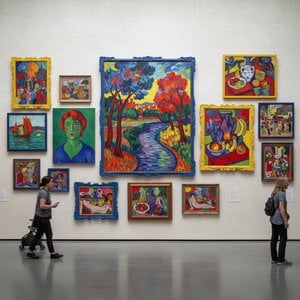
Fauvismus: Die 10 Meisterwerke, die eine Revolution der Farben entfesselten –
Entdecken Sie die 10 Meisterwerke des Fauvismus! Von Matisse bis Derain – erleben Sie die Revolution der Farben und Emotionen in der modernen Kunst. Hochwertige Reproduktionen & Inspiration für Ihr Zuhause auf
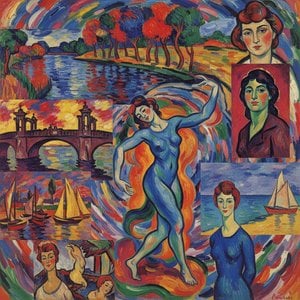
Fauvismus: Die 10 Meisterwerke, die eine Revolution der Farbe auslösten | ArtsDot
Entdecken Sie die 10 Meisterwerke des Fauvismus! Von Matisse bis Derain – erleben Sie die Revolution der Farbe und Emotion. Hochwertige Kunstdrucke & Reproduktionen auf ArtsDot.com. Jetzt Kunst für Ihr Zuhause finden!

Leonardo da Vinci: Die 25 Meisterwerke für Ihr Zuhause | ArtsDot
Entdecken Sie die 25 Meisterwerke von Leonardo da Vinci! Erfahren Sie faszinierende Geschichten hinter Gemälden wie der Mona Lisa & Das letzte Abendmahl. Hochwertige Reproduktionen für Ihr Zuhause – jetzt bei ArtsDot entdecken!



