Vorschau anzeigen
 Versenden
 Teilen
 Details anzeigen

 Herunterladen
 Ähnliche Objekte
 Röntgenaufnahme
 Diashow
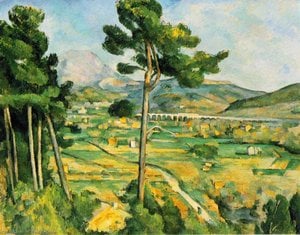
Die Abduction
 Acryl auf Leinwand
- Wandkunst
- Post-Impressionism
 1867
1867 90.0 x 117.0 cm
 Weiterlesen
Giclée / Kunstdruck
Giclée- oder Leinwanddruck in Museumsqualität mit schneller Produktion und flexiblen Veredelungsoptionen. ( Handgemalte Reproduktion bestellen Bild kaufen)




P118B $10

P118H $10

P118W $10

P438Z $10

P508JH $12

P508YH $12

P805H $10

P805Z $10

P919BZ $10

P919G $10

P919XJ $10

P959ZH $10

P968JZ $12

W106C $8

W218G $10

W218JH $8

W218Y $10

W307PJ $10

W316G $10

W316PJ $8

W316Y $10

W398PJ $8

W4111J $10

W500HY $15

W500JH $15

W692G $12

W849H $8

W940BG $15

W953PJ $8




Wählen Sie aus unseren vordefinierten Formaten, die den ursprünglichen Proportionen des Kunstwerks entsprechen.

Sie können Ihre eigenen Maße eingeben, um ein bestimmtes Format oder einen speziellen Platz einzupassen. Wenn das von Ihnen gewählte Format nicht den Proportionen des Originalbildes entspricht, werden wir das Kunstwerk entweder beschneiden oder das Bild mit einem gespiegelten oder einfarbigen Rand erweitern. Ein digitaler Entwurf wird Ihnen zur Genehmigung zugesandt, bevor die Produktion beginnt.
Bitte beachten Sie, dass die Vorschau auf dem Bildschirm nicht den tatsächlichen Zuschnitt oder die Erweiterung widerspiegelt. Nur der Entwurf zeigt die endgültige Komposition präzise an.
Obwohl Sondermaße verfügbar sind, empfehlen wir die Auswahl eines Maßes aus der vordefinierten Liste, um die ursprünglichen Proportionen zu bewahren.
Weltweiter Versand () innerhalb von 2 Wochen statt der üblichen 4/5 Wochen. (16 August)

Kostenloser weltweiter Expressversand

Hochwertige Leinenleinwand

Umfassender Versicherungsschutz beim Versand

Zollgebühren-Rückerstattungsgarantie

Garantie für exakte Farbtreue

60 Tage Rückgaberecht (nur bei Mängeln)

100% Geld-zurück-Garantie

Mengenrabatt verfügbar
 Die Glasoption ist nur für Größen unter 110 cm verfügbar.

Die Abduction
Giclée / Kunstdruck
Format der Reproduktion
-


Gesamtpreis
$ 62
Sammlerstück-Beschreibung
The Abduction: A Romantic Vision Embodied in Oil
Paul Cézanne’s The Abduction stands as a cornerstone of Romanticism translated into the language of Impressionism—a daring experiment that foreshadowed the revolutionary movements of the 20th century. Created in 1867 and measuring 90 x 117 cm, this monumental canvas pulsates with an atmosphere thick with tension and drama, capturing the essence of a primal narrative rendered with unprecedented artistic innovation.Composition and Symbolism: Bold Strokes and Hidden Layers
The painting’s central figures—two men engaged in a forceful embrace—immediately command attention. One man dominates the scene, holding the other aloft with considerable pressure, conveying an undeniable act of aggression or abduction. This dynamic pose is juxtaposed against a carefully constructed backdrop populated by three additional individuals: one positioned on the left edge of the canvas, another prominent on the right side, and a third subtly situated behind the central duo. Cézanne’s masterful use of perspective—a deliberate departure from traditional conventions—creates depth and illusionistic space, drawing viewers into the unsettling immediacy of the moment. The nude figure represents vulnerability and innocence against the backdrop of violence, prompting contemplation about themes of power, control, and subjugation. Furthermore, the muted color palette contributes to the painting’s melancholic mood, reinforcing its Romantic preoccupation with emotion and psychological complexity.Artistic Influences: Bridging Romanticism and Impressionism
Cézanne's artistic journey began amidst the fervor of Romanticism, fueled by artists like Eugène Delacroix and Théodore Rousseau who championed expressive brushwork and emotional intensity. His early murals at Jas de Bouffan showcased this influence vividly—bold colors and dramatic lighting mirroring the grandeur of the Romantic landscape tradition. However, The Abduction marks a decisive step toward Cézanne’s groundbreaking stylistic evolution. He absorbed the Impressionist preoccupation with capturing fleeting moments of light and color—particularly evident in the subtle tonal variations—yet simultaneously rejected Impressionism's optical realism. Instead, Cézanne sought to represent underlying structural forms, anticipating the geometric abstraction that would characterize Cubism decades later.Reception and Legacy: From Ridicule to Recognition
Initially, Cézanne’s work faced considerable criticism from Parisian art circles. Critics dismissed it as crude and lacking in finesse—a sentiment echoed by many contemporaries who struggled to grasp his innovative approach. Yet, Cézanne persevered, honing his technique and refining his vision. A pivotal moment arrived in 1895 when Ambroise Vollard organized a solo exhibition in Paris, attracting the attention of fellow artists like Camille Pissarro and Pablo Picasso—who recognized Cézanne’s genius and championed his artistic merit. This recognition solidified Cézanne's place as a pioneer of modern art, influencing generations of painters to come. Today, The Abduction is celebrated for its pioneering use of form and color—a testament to Cézanne’s enduring contribution to the history of art.Reproductions at ArtsDot: Bringing Cézanne's Vision Home
For discerning collectors and interior designers seeking to immerse themselves in the beauty of Romanticism, ArtsDot offers exquisitely crafted oil painting reproductions of The Abduction. These reproductions meticulously capture Cézanne’s original artistic intent—preserving every nuance of color and texture—allowing admirers to experience the profound emotional impact of this iconic masterpiece within their own residences. Explore more about Paul Cézanne here.Ähnliche Kunstwerke


Über den Künstler
frühes Leben und Einflüsse
Paul Cézanne, ein französischer Post-Impressionist-Maler, wurde am 19. Januar 1839 in Aix-en-Provence, Frankreich, geboren. Sein frühes Leben war geprägt von einer starken Verbindung zu seiner Familie’s Bankgeschäft, das ihm finanzielle Sicherheit verschaffte. Dies ermöglichte es ihm, sich ohne finanziellen Druck auf seine künstlerischen Bestrebungen zu konzentrieren. Les Nabis, Neo-Impressionismus und Symbolismus beeinflussten Cézannes frühe Arbeit, die sich durch seinen Schwerpunkt auf geometrische Formen und eine reduzierte Farbpalette auszeichnete. Sein Interesse an den Werken von Paul Gauguin und Georges Seurat festigte seinen Post-Impressionismusstil.Künstlerischer Stil und Techniken
Cézannes innovative Verwendung von Farbflächen und kleinen, sich wiederholenden Pinselstrichen schuf komplexe Felder, die seine intensive Beschäftigung mit den Motiven widerspiegelten. Sein oft explorativer Ansatz in der Kunst führte zur Entwicklung einer neuen bildlichen Sprache, die die zugrunde liegende Struktur von Objekten in einer Komposition betonte.- Schlüsselmerkmale:
- Geometrische Formen und Facetten
- Reduzierte Farbpalette
- Betonung der konstruktiven Essenz der physischen Welt
- Mehrere Perspektiven und Simultaneität
- Einflussreiche Werke:
- The Pond at Jas de Bouffan (1880)
- Portrait of Emile Zola (1866)
- Wald (1892)
- Museen mit Cézannes Werken:
- Musée Marmottan Monet in Paris, Frankreich
- The Museum of Fine Arts in Houston, Vereinigte Staaten
Vermächtnis und Einfluss
Cézannes bahnbrechende Arbeit im Post-Impressionismus ebnete den Weg für verschiedene Avantgarde-Bewegungen, darunter Kubismus, Fauvismus und Surrealismus. Sein Einfluss ist in den Werken von Pablo Picasso, Henri Matisse und Georges Braque zu sehen. Cézannes Vermächtnis inspiriert weiterhin Künstler und Kunstinteressierte gleichermaßen und festigt seinen Platz als eine zentrale Figur in der Geschichte der modernen Kunst.- Verwandte Kunstbewegungen:
- Betrachten Sie Cézannes Werke:

Paul Cézanne
1839 - 1906 , Frankreich
Kurzinfos
- Beeinflusste Künstler:
- Paul Gauguin
- Georges Seurat
- Bemerkenswerte Werke:
- Der Teich in Jas de Bouffan
- Porträt von Émile Zola
- Wald
- Mont Sainte-Victoire
- Geburtsdatum: 19. Januar 1839
- Geburtsort: Aix-en-Provence, Frankreich
- Künstlerische Bewegung: Postimpressionismus
- Nationalität: Französisch
- Sterbedatum: 1906
- Vollständiger Name: Paul Cézanne
- Von Ihm Beeinflusste Künstler:
- Pablo Picasso
- Henri Matisse
- Georges Braque
Ähnliche Artikel

Paul Cézanne: Die 25 Meisterwerke des Impressionismus | ArtsDot
Entdecken Sie die 25 Meisterwerke von Paul Cézanne! Tauchen Sie ein in die Welt des Impressionismus und Postimpressionismus. Erfahren Sie mehr über seine Stillleben, Landschaften & berühmten Gemälde – jetzt hochwertige Kunstdrucke auf ArtsDot.com.

Paul Klee: Die 25 Meisterwerke des Abstrakten – Kunst für Ihr Zuhause | ArtsDot
Entdecken Sie die 25 Meisterwerke von Paul Klee! Tauchen Sie ein in seine abstrakte Welt, voller Expressionismus und Bauhaus-Einflüsse. Hochwertige Kunst für Ihr Zuhause – jetzt bei ArtsDot entdecken!

Jenseits des Impressionismus: Die emotionale Tiefe der postimpressionistischen Malerei
Entdecken Sie die emotionale Tiefe des Postimpressionismus! Analysieren Sie Cézanne, van Gogh, Gauguin & Seurat. Expertenwissen über Kunstgeschichte und Einfluss auf die Moderne.

Beyond Impressionism: Exploring Emotional Depth & Formal Innovation in Post-Impressionist Art
Explore the profound emotional depth & formal innovations of Post-Impressionism with our expert guide. Discover Cézanne, Van Gogh, Gauguin & more. Learn about art history, collecting, and investing in this pivotal movement.

Impressionismus Meisterwerke: Die Top 10 Kunstwerke für Ihr Zuhause | ArtsDot
Entdecken Sie die Top 10 Meisterwerke des Impressionismus! Von Monet bis Renoir – erfahren Sie die Geschichten hinter berühmten Gemälden, Techniken & Farben. Hochwertige Kunstdrucke auf ArtsDot.com.