


 Vorschau anzeigen
 Versenden
 Teilen
 Details anzeigen

 Herunterladen
 Ähnliche Objekte
 Röntgenaufnahme
 Diashow
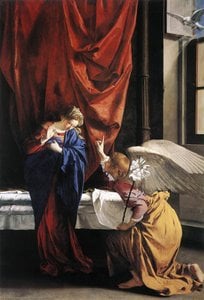
Danae
 Oil On Canvas
- WallArt
- Baroque
 1621
1621 161.0 x 227.0 cm
 J. Paul Getty Museum
 Weiterlesen
Handgefertigte Ölreproduktion
Handgemaltes Ölgemälde auf Leinwand in Ihrer Wunschgröße und mit Rahmen, auf Bestellung von unseren Künstlern angefertigt. ( Druck bestellen Bild kaufen)




P118B $10

P118H $10

P118W $10

P438Z $10

P508JH $12

P508YH $12

P805H $10

P805Z $10

P919BZ $10

P919G $10

P919XJ $10

P959ZH $10

P968JZ $12

W106C $8

W218G $10

W218JH $8

W218Y $10

W307PJ $10

W316G $10

W316PJ $8

W316Y $10

W398PJ $8

W4111J $10

W500HY $15

W500JH $15

W692G $12

W849H $8

W940BG $15

W953PJ $8




Wählen Sie aus unseren vordefinierten Formaten, die den ursprünglichen Proportionen des Kunstwerks entsprechen.

Sie können Ihre eigenen Maße eingeben, um einen bestimmten Rahmen oder Platz auszufüllen. Wenn die gewählte Größe nicht den Proportionen des Originalbildes entspricht, werden wir das Kunstwerk entweder beschneiden oder das Gemälde durch zusätzliche, handgemalte Elemente erweitern. Ein digitales Mockup wird Ihnen zur Genehmigung zugesandt, bevor die Produktion beginnt.
Bitte beachten Sie, dass die Bildschirmvorschau nicht die tatsächliche Beschneidung oder Erweiterung widerspiegelt. Nur das Mockup zeigt die endgültige Komposition exakt an.
Obwohl Sondermaße verfügbar sind, empfehlen wir, eine Größe aus der vordefinierten Liste zu wählen, um die ursprünglichen Proportionen beizubehalten.
Nach der Bestellung wird das ArtsDot.com-Team dem Kunden Anweisungen per E-Mail zusenden und eine Mockup-Vorschau bereitstellen.
Weltweiter Versand () in nur 3 bis 4 Wochen statt der üblichen 5 Wochen. (23 August). Keine Kompromisse bei der Qualität.

Kostenloser weltweiter Expressversand

Hochwertige Leinenleinwand

Umfassender Versicherungsschutz beim Versand

Zollgebühren-Rückerstattungsgarantie

Garantie für exakte Farbtreue

60 Tage Rückgaberecht (nur bei Mängeln)

100% Geld-zurück-Garantie

Mengenrabatt verfügbar
 Die Glasoption ist nur für Größen unter 110 cm verfügbar.

Danae
Art der Reproduktion
Format der Reproduktion
-


Gesamtpreis
$ 263
Beschreibung des Kunstwerks
Danaë by Orazio Gentileschi: A Baroque Embrace of Myth and Divine Intervention
Orazio Gentileschi’s 1623 painting, *Danaë*, is more than just a depiction of a classical myth; it's a profound meditation on fate, beauty, and the transformative power of divine grace. Housed within the J. Paul Getty Museum in Los Angeles, this oil-on-canvas masterpiece stands as a testament to Gentileschi’s mastery of Baroque technique and his ability to infuse historical narrative with deeply felt emotion. The painting immediately captivates with its dramatic lighting – a hallmark of Caravaggio's influence – which sculpts the figures and creates an atmosphere of both vulnerability and opulent splendor.
At the heart of the composition lies Danaë, a young woman lying on her bed, draped in a sheer veil that hints at both modesty and impending revelation. Her arms are outstretched, a gesture simultaneously of surrender and anticipation. Above her, a cascade of golden coins – representing Zeus’s divine intervention – rains down upon the mattress, transforming the scene into a shimmering tableau of mythic birth. The artist skillfully renders the texture of the fabric, the weight of the gold, and the delicate curve of Danaë's body, demonstrating an exceptional command of form and detail. Notice how Gentileschi avoids idealization; Danaë is not a goddess but a mortal woman caught in the throes of a miraculous event.
The Myth Unveiled: A Story of Divine Desire
The narrative depicted is rooted in Greek mythology, recounting the story of Danaë, daughter of King Aegyptus and the sea nymph Calliope. Faced with unwanted suitors, Aegyptus sought to protect his daughter by imprisoning her in a tower. Zeus, disguised as a shower of golden rain, descended into the tower and impregnated Danaë, resulting in the birth of Perseus, the legendary hero. The painting captures this pivotal moment – not the act of conception itself, but its immediate aftermath: the arrival of divine grace and the promise of a new life.
The symbolism is layered and rich. The golden rain isn’t merely a visual spectacle; it represents Zeus's power and his ability to transcend mortal boundaries. Danaë’s pose – vulnerable yet receptive – speaks to her acceptance of this extraordinary destiny. The presence of Eros, the god of love, pulling aside the curtain symbolizes the initiating force behind the divine intervention, highlighting the role of desire and fate in shaping human experience.
Baroque Drama: Light, Shadow, and Movement
Gentileschi’s technical skill is evident throughout *Danaë*. He masterfully employs chiaroscuro – the dramatic contrast between light and shadow – to create a sense of depth and movement. The golden light emanating from the coins illuminates Danaë's face and body, while the surrounding areas remain shrouded in darkness, intensifying the drama of the scene. The artist’s brushwork is loose and expressive, conveying a feeling of immediacy and dynamism. Observe how he captures the swirling motion of the falling gold, creating an almost palpable sense of energy.
Furthermore, Gentileschi's use of color is particularly noteworthy. The rich hues of red, gold, and blue create a vibrant and luxurious atmosphere, reflecting the opulence associated with the gods. The subtle variations in tone contribute to the painting’s overall visual harmony, drawing the viewer’s eye through the composition.
A Legacy of Female Strength: Artemisia's Connection
Interestingly, *Danaë* is believed to be a reworking of an earlier painting by Gentileschi’s daughter, Artemisia Gentileschi, who also depicted the same subject. This suggests a close artistic relationship and a shared interest in exploring themes of female agency and divine intervention within a mythological context. Artemisia's own work often featured strong, independent women confronting adversity with courage and resilience – qualities that resonate powerfully in *Danaë*. Studying both paintings offers valuable insights into the evolving artistic sensibilities of the Gentileschi family and their contribution to the Baroque movement.
Today, *Danaë* remains a captivating masterpiece, inviting viewers to contemplate the complexities of myth, beauty, and the enduring power of divine grace. It’s a painting that speaks not only to the grandeur of ancient Greece but also to the timeless human experience of desire, fate, and transformation.
Ähnliche Kunstwerke




Über den Künstler
Frühes Leben und Ausbildung
- Geboren: Toskana, Italien (1563)
- Gestorben: 1639
- Orazio Gentileschi begann seine Karriere in Rom, wo er im Manierismus-Stil malte. Ein Großteil seiner frühen Arbeit bestand darin, Figuren innerhalb dekorativer Gestaltungsschemata anderer Künstler zu malen.
- Er wurde vom umbrischen Maler Cola dell'Amata ausgebildet.
- Gentileschi wurde auch von der Arbeit des Architekten und Bildhauers Francesco da Sangallo beeinflusst.
Künstlerischer Stil und Einflüsse
- Sein Stil zeichnete sich durch leuchtende Farben und dramatische Kompositionen aus.
- Nach 1600 geriet er unter den Einfluss des naturalistischen Stils von Caravaggio und übernahm diesen.
- Gentileschis Gemälde zeigten oft biblische Szenen und mythologische Themen.
- Wichtige Einflüsse: Manierismus, Caravaggio
Hauptwerke und Errungenschaften
- "Danae": Gilt als eines seiner wichtigsten Werke und zeigt sein Können bei der Darstellung des Wesens mythologischer Geschichten.
- "Die Verkündigung": Befindet sich in der Galleria Borghese in Rom.
- "Die Jungfrau Maria": Ebenfalls in der Galleria Borghese in Rom.
- Seine Fresken und Mosaike für Kirchen wie Santa Maria Maggiore und San Giovanni Laterano demonstrieren seine Meisterschaft in großflächiger dekorativer Malerei.
Entwicklung und Evolution
- Er arbeitete zunächst im Manierismus-Stil, übernahm aber allmählich Elemente des Caravaggismo.
- Er entwickelte eine weichere, verfeinerte Version des dramatischen Stils von Caravaggio, die sich durch eine hellere Palette und präzise Details auszeichnete.
- Seine späteren Werke zeigten einen eleganten und höfischen Stil, der seine Förderung am Hof von Marie de' Medici in Paris und Karl I. in London widerspiegelte.
Historische Bedeutung und Vermächtnis
- Gentileschis Einsatz leuchtender Farben und dramatischer Kompositionen beeinflusste die Entwicklung der Barockkunst.
- Er war einer der ersten Vertreter des Caravaggismo in England und hatte damit einen bedeutenden Einfluss auf das dortige Kunstgeschehen.
- Seine Tochter Artemisia Gentileschi wurde zu einer renommierten Künstlerin ihres eigenen Rechts, setzte sein Vermächtnis fort und entwickelte die künstlerische Tradition der Familie weiter.
- Seine Werke sind in prominenten Museen und Galerien auf der ganzen Welt zu finden, darunter die Uffizien in Florenz und die Galleria dell'Accademia in Venedig.

Orazio Gentileschi
1563 - 1639 , Italien
Kurzinfos
- Beeinflusste Künstler:
- Cola dell'Amata
- Francesco da Sangallo
- Bemerkenswerte Werke:
- Danae
- Ankündigung
- Jungfrau Maria
- Geburtsdatum: 9. Juli 1563 (getauft)
- Geburtsort: Toskana, Italien
- Künstlerischer Stil: Barockmalerei
- Nationalität: Italiener
- Sterbedatum: 7. Februar 1639
- Vollständiger Name: Orazio Gentileschi
- Von Künstlern Beeinflusst: ['Caravaggio']
Ähnliche Artikel

Barock Meisterwerke: Die 10 prägendsten Kunstwerke für Ihr Zuhause |
Entdecken Sie die 10 prägendsten Meisterwerke des Barock! Caravaggio, Rembrandt & Co. – Erfahren Sie die Geschichten hinter ikonischen Gemälde und finden Sie hochwertige Kunst Reproduktionen für Ihr Zuhause auf .

Barocke Pracht: Wie Sie Opulenz und Emotionen in zeitgenössische Innenräume bringen
Entdecken Sie die Pracht des Barock! Expertenratgeber für luxuriöse Innenräume mit barocken Elementen. Inspiration, Tipps & hochwertige Kunst bei .

The Visceral Stage: Exploring Dramatic Narratives & Emotional Intensity in Baroque Art
Explore the dramatic world of Baroque art! Discover iconic masters like Caravaggio & Rembrandt, their techniques, and the movement's lasting impact. Expert insights for collectors & enthusiasts at ArtsDot.

The Dramatic Flourish: Exploring the Baroque Movement's Enduring Legacy in Art History
Explore the dramatic world of Baroque art! Discover iconic artists like Caravaggio & Rubens, defining techniques, and its lasting impact on art history. Expert insights for collectors & enthusiasts at ArtsDot.

Simon Vouet: Vom italienischen Barock zum französischen Klassizismus – Eine künstlerische Reise
Entdecken Sie das Leben und Werk von Simon Vouet, dem Pionier des italienischen Barock in Frankreich! Erfahren Sie mehr über seinen künstlerischen Werdegang, seine wichtigsten Gemälde und seinen nachhaltigen Einfluss auf die französische Malerei. Jetzt lesen!



